Eight Custom Optical-Glass Product Families for Bandpass and Precision-Light Control
These are not generic catalog filters. Each product below is a practical starting point for Jacksonville OEMs, integrators, lighting designers and procurement teams that need traceable glass, custom cutting, coating selection and export-ready packing from one factory partner.

Custom 0.3mm 0.5mm 0.7mm Heat Resistant Gobo Glass Blanks for Projector
Heat-resistant gobo blanks for projector and stage-lighting systems that need stable pattern projection under high fixture temperatures.
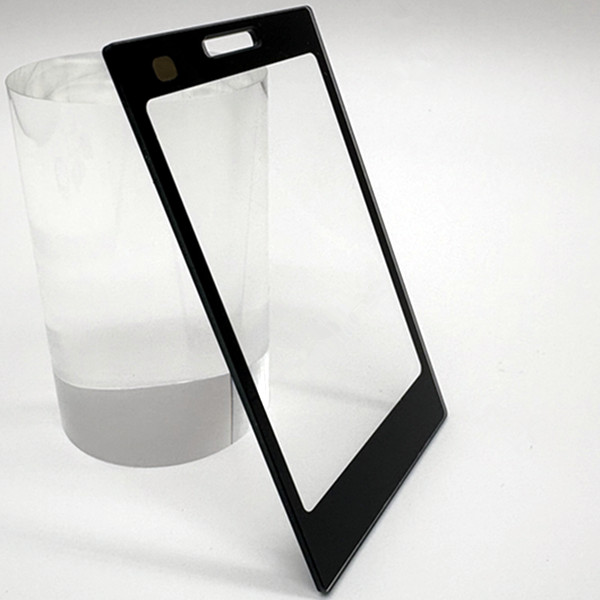
Factory Customized Black Glass Panel Silk Screen for Display Touch Electronic Glass
Black silk-screen printed glass panels for touch displays, HMI controls and optical display windows with custom borders and apertures.
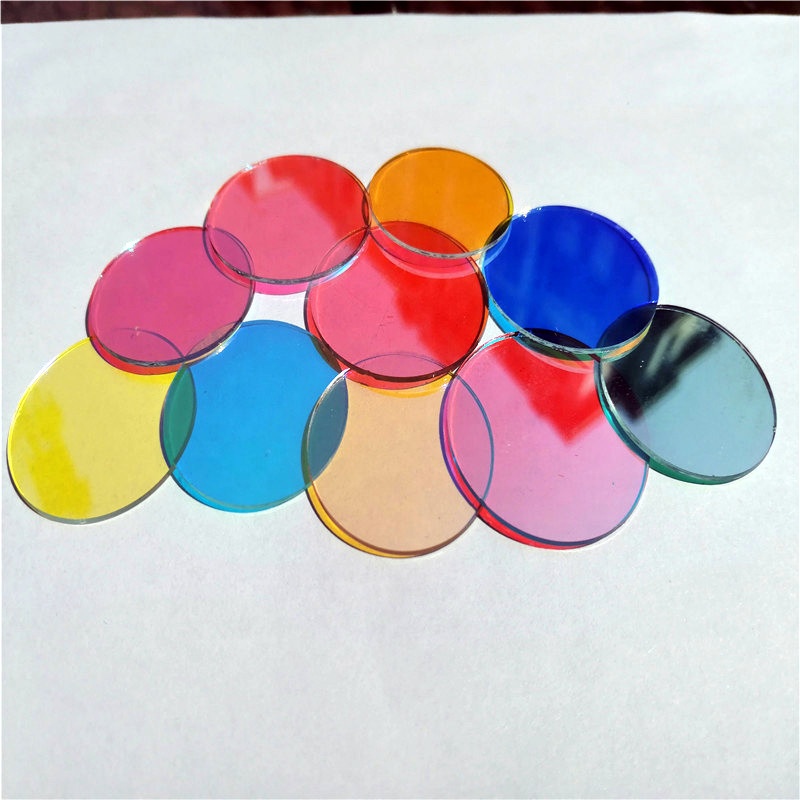
Customize logo Color Glass Gobo Glass
Custom logo and color gobo glass for branded lighting, hospitality environments and optical projection where pattern clarity matters.
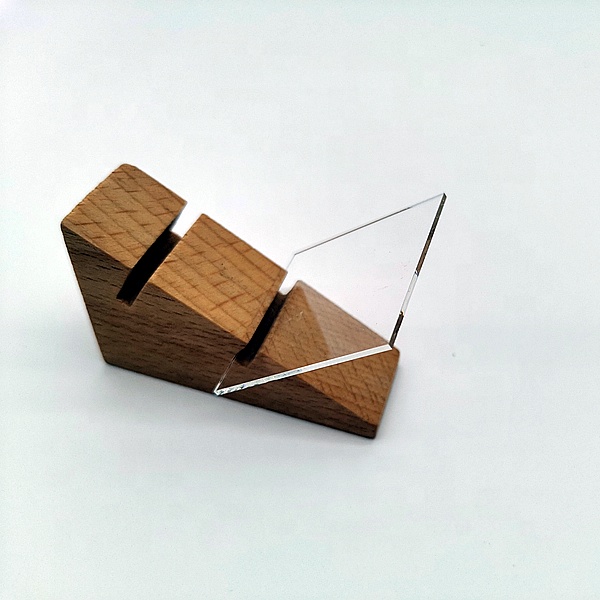
Custom 0.2mm 0.3mm 0.4mm 0.5mm 0.7mm 1mm Alkali Free Borosilicate AF32 Glass
Alkali-free AF32 borosilicate glass for thin optical substrates, sensor windows and applications requiring low expansion and dimensional stability.

Factory Customization Dichroic Glass Gobo Glass
Custom dichroic gobo glass for wavelength-selective transmission and reflection in color separation, filtered lighting and optical assemblies.
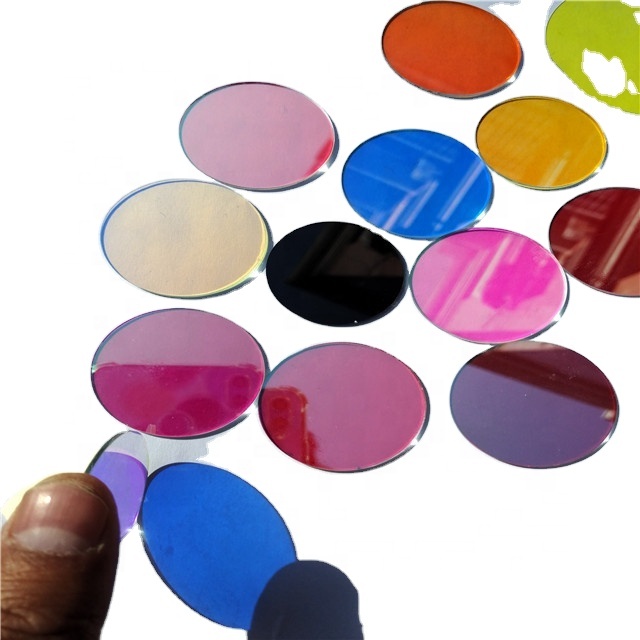
Heat Resistant Borosilicate 3.3 Dichroic Glass Filter
Borosilicate 3.3 dichroic filter glass for lighting and optical systems where thermal shock resistance and repeated thermal cycling are critical.
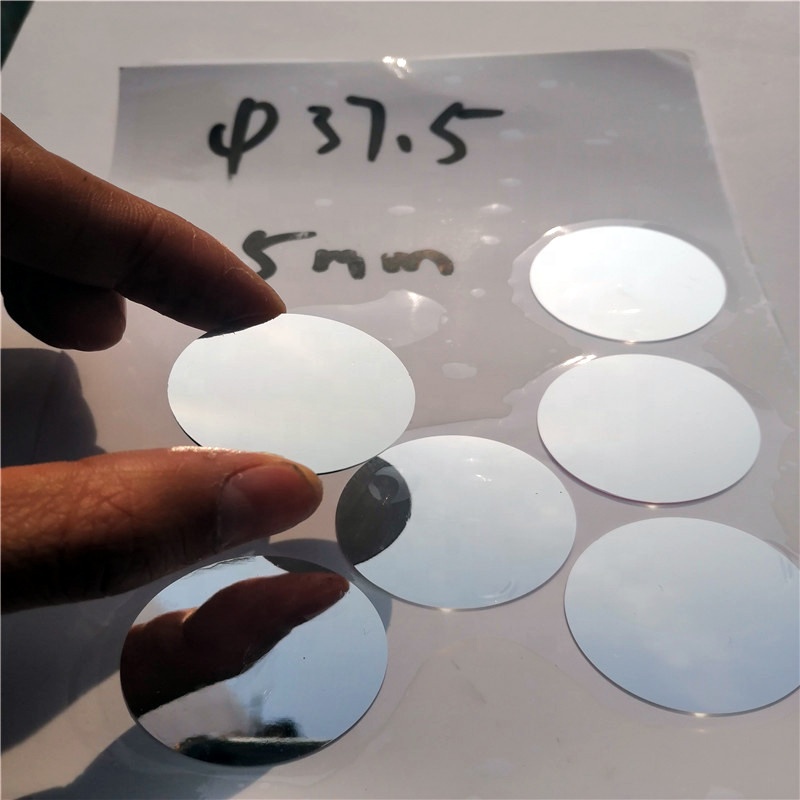
OEM Custom Heat Resistant Gobo Glass Lens
OEM gobo glass lenses for projection, architectural and entertainment lighting, processed to drawing for fit, pattern and thermal performance.
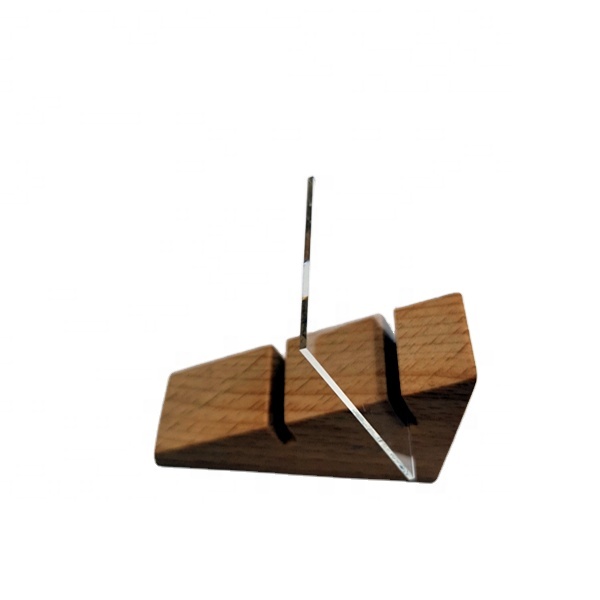
Custom 0.2mm 0.3mm 0.4mm 0.5mm 0.7 mm 1mm Thickness BOROFLOAT 33 Borosilicate Glass Sheet
BOROFLOAT 33 borosilicate glass sheet for heat-resistant windows, protective covers and optical subcomponents that require low thermal expansion.
Years as an Alibaba.com supplier
Average inquiry response time
Inquiry response rate
Buyer rating track record
What Jacksonville Buyers Should Know Before Specifying a Bandpass Filter
A bandpass filter is a wavelength-selective component: it transmits a defined band while blocking shorter and longer wavelengths. In a real optical assembly, however, the filter is rarely “just a filter.” The substrate, coating stack, mounting surface, edge quality, thermal environment, cleaning method and packaging all influence center wavelength, full width at half maximum, peak transmission, blocking depth and long-term stability.
For Jacksonville teams supporting port automation, medical diagnostics, aviation maintenance, architectural lighting, marine imaging and advanced manufacturing, this means the supplier must be able to discuss optical intent and glass processing in the same conversation. A filter that looks correct on a datasheet can still fail if the substrate is too thick for the housing, the coating is on the wrong side, the edge chips during installation or the AR surface is not compatible with the cleaning chemicals used on the line.
Fevry Glass approaches the project from a substrate-first, application-led position. Raw glass is sourced from established producers — including Corning®, AGC, Chengdu Guangming and Xinhuguang — and then processed through cutting, edge finishing, strengthening, coating and printing so the finished part follows the customer drawing. The product range includes Corning® Eagle XG, borosilicate 3.3, AF32, BOROFLOAT 33, heat-resistant gobo glass, dichroic filters, AR-coated cover glass and silk-screen printed display glass. For a bandpass-filter program, these capabilities support the optical path around the filter: the protective window, the carrier substrate, the dichroic beamsplitter, the gobo blank or the display cover.
Design intent is more valuable than a single transmission number
When a Jacksonville engineering team sends a drawing, the most useful first step is not a generic price list. It is a review of the use case: Is the filter exposed to high heat from a projector lamp? Will the assembly see salt air near the coast? Is the camera looking through a thick window at a low-light target? Does the display require a black printed border with a precise icon window? These details determine whether the correct answer is a coated dichroic component, a heat-resistant borosilicate blank, an alkali-free Eagle XG substrate or a strengthened cover glass with dual-side AR.
Fast Evaluation Checklist
Send this information with your inquiry and the factory can respond with a clearer substrate recommendation, process route and quotation path.
- 2D drawing in DWG, DXF or PDF
- Substrate, thickness and tolerance
- Center wavelength, FWHM and blocking range
- Coating side, edge finish and print colors
- Application, annual volume and target date
- Environmental tests or cleaning exposure
Where Bandpass Filters and Custom Optical Components Work in Jacksonville
Jacksonville is not a single-industry market. It combines port logistics, aviation, advanced manufacturing, life sciences, marine activity and visitor-driven lighting. Each environment places different demands on optical glass and filter assemblies.
Port, logistics and machine vision
JAXPORT and regional distribution hubs rely on camera-based inspection, barcode reading, laser triangulation and automated material handling. Bandpass filters and AR-coated windows can improve contrast by rejecting ambient light while passing illumination or laser wavelengths. Specify flatness, mounting clearance and window transmission early.
Aerospace, aviation and MRO
Aviation maintenance, non-destructive testing and inspection teams use UV, visible and near-IR imaging in challenging lighting conditions. Heat-resistant borosilicate windows, dichroic filters and precision-cut optical components can support borescope, inspection, curing and sensor-protection equipment. Confirm cleaning, scratch-visibility and thermal-cycle expectations.
Life sciences and diagnostics
Fluorescence detection, imaging and laboratory instrumentation use bandpass filters around excitation and emission paths. Eagle XG and AF32 substrates offer low expansion and strong dimensional stability for biochips, analyzer windows and patterned glass. For fluorescence work, substrate auto-fluorescence and surface quality should be reviewed with the optical specification.
Architectural, hospitality and entertainment lighting
Jacksonville venues, hotels, museums and themed spaces need gobo, dichroic, color and heat-resistant glass. Borosilicate 3.3 gobo blanks can tolerate high fixture temperatures better than ordinary soda-lime glass. Pattern resolution, edge quality and coating uniformity should be matched to the lens and projection distance.
Marine and outdoor imaging
Salt air, humidity and UV exposure challenge optical assemblies along the Northeast Florida coast. Camera windows, marine instrumentation and outdoor display covers may need durable AR coatings, sealed edge finishes and substrates selected for thermal and moisture stability. Confirm coating durability, cleaning agents and any salt-fog or humidity test requirement.
Advanced manufacturing and instrumentation
Metrology, laser marking, inspection and sensor systems need stable, low-expansion glass. Custom optical windows and dichroic filters help isolate signals and protect sensors. Dimensional stability, flatness and coating adhesion often matter as much as peak transmission, especially when the part is cleaned frequently or mounted near a heat source.
Jacksonville-Area Trends Reshaping Optical-Filter Sourcing
Procurement teams are moving away from generic component searches and toward suppliers who can document material, process and inspection assumptions before production begins.
Supply-chain resilience
Buyers are consolidating custom glass procurement with suppliers that can handle cutting, coating, printing and inspection. Port-driven logistics make landed cost, packaging performance and lead-time visibility important purchasing criteria.
Application-specific specifications
Teams are replacing generic “filter glass” descriptions with center wavelength, FWHM, blocking range, AR side, substrate, environmental testing and drawing-linked inspection. Better inputs reduce quote cycles and avoid sample loops.
Outdoor durability
Florida humidity, UV flux and coastal salt exposure push buyers toward borosilicate substrates, sealed edge finishes and validated cleaning methods. Suppliers should provide repeatable inspection data and realistic coating-care guidance.
Low-volume, high-mix programs
Prototype and bridge production are increasingly important. Flexible cutting, small-lot gobo runs and custom dichroic components help Jacksonville product teams validate designs before committing to mass production.
Match the Optical Glass to the Job
The table below is written for early-stage engineering discussions. It helps a Jacksonville buyer compare component families before sending a drawing and final optical specification.
| Component family | Typical optical role | Good fit in Jacksonville when | Specification focus |
|---|---|---|---|
| Dichroic gobo glass | Wavelength separation, color lighting and filtered projection | Architectural, hospitality or entertainment fixtures need custom color and pattern control | Coating adhesion, thermal resistance, edge finish, orientation |
| Borosilicate 3.3 | Heat-resistant windows, gobo blanks and optical covers | High-power lighting, outdoor fixtures or thermal cycling are expected | CTE, thermal shock resistance, bubbles, inclusions, flatness |
| AF32 alkali-free borosilicate | Thin optical substrates and sensor windows | Life-science, analyzer or precision sensor designs need low expansion | Flatness, thickness tolerance, surface quality, auto-fluorescence |
| BOROFLOAT 33 sheet | Heat-resistant windows and protective covers | Inspection equipment, UV curing or outdoor display windows need stable glass | Optical clarity, thermal expansion, cutting quality, edge condition |
| Silk-screen printed glass | Display contrast, light blocking and HMI windows | Industrial controls, appliance panels or touch interfaces need custom print | Print registration, pinholes, color match, AR compatibility |
| AR-coated glass | Glare reduction and transmission improvement | Camera windows, displays or instrument viewports suffer from reflections | Reflection target, coating side, abrasion, cleaning resistance |
| Corning® Eagle XG | Low-expansion substrate for micro-patterning and bonding | Biochips, PLC substrates or precision optical alignment are required | Flatness, TTV, alkali-free composition, dimensional stability |
| Gobo glass lens | Projection pattern or shaped optical transmission | Stage, architectural or branded lighting needs custom graphic projection | Pattern resolution, centration, heat exposure, edge quality |
Selection notes are for preliminary discussion only. Final material, coating and inspection criteria should be confirmed against the approved drawing, application conditions and supplier datasheet.
The visual meters are relative communication aids for buyer workshops, not certified product test values. They show where early specification attention usually creates the largest information gain.
Factory Advantages Built for Technical Buyers, Not Catalog Browsers
Fevry Glass Co., Ltd. is a specialty glass company based in Xinyu, Jiangxi, China. Its experience with optical, biological, semiconductor, communications, lighting and electronics customers helps engineering teams move from a drawing to an export-ready part with fewer hand-offs.
Traceable raw material sourcing
Raw glass is sourced from Corning®, AGC and other multinational producers, with close cooperation with established Chinese optical-glass makers such as Chengdu Guangming and Xinhuguang. This gives buyers a more traceable starting point for repeat orders.
In-house cutting and edge finishing
Laser, CNC, ultrasonic, grinding and chamfering processes support custom outlines, holes, notches and edge requirements. For thin filter glass, edge quality is often just as important as transmission because it affects handling, coating and breakage risk.
Strengthening options
Thermal tempering is evaluated for thicker panels, while chemical strengthening through ion exchange is used for ultra-thin cover glass from about 0.15 mm to 2 mm. Cutting, drilling and edge grinding should be completed before strengthening.
AR, dichroic and optical coatings
Anti-reflective coating can be applied on one or both sides, and dichroic or filter coatings are reviewed against the lighting or imaging target. The correct coating side, orientation mark and cleaning guidance should be defined before production.
Silk-screen printing and back painting
Pantone-matched borders, logos, icon windows and IR-transparent ink areas are available for display and control panels. Print registration, pinholes and color consistency are checked as part of the visual inspection plan.
Inspection and export experience
Dimensional, thickness, flatness and visual checks are planned before packing. Export packing is designed for fragile thin glass and supports shipments to Western Europe, the United States, Japan, South Korea, Taiwan, Hong Kong and Southeast Asia.
Quality is superior, service is supreme, reputation is first. Our guiding principle and the motto “Your success, our glory” shape every quotation, sample review and shipment — especially when a Jacksonville buyer needs a repeatable optical-glass partner rather than a one-time seller.
”From Drawing to Delivery: A Five-Step Path for Jacksonville Buyers
Clear inputs shorten the path from first inquiry to a manufacturable optical-glass part.
Share the drawing
Send the 2D drawing, material, thickness, tolerances, coating sides, print colors, edge finish and application details.
Engineering review
The factory reviews manufacturability and recommends substrate, thickness, strengthening and process route.
Sample approval
Samples validate fit, color, print registration, optical appearance and handling before mass production.
Production and inspection
Processing proceeds with dimensional and visual quality checks tied to the approved drawing.
Export packing
Interleaved, cushioned packing is prepared for fragile thin glass and international shipping to Jacksonville.
Questions Local Buyers Ask Before Ordering Optical Filter Glass
These answers are written for engineers, sourcing managers and product teams who need a practical path from specification to quotation.
What is the difference between a bandpass filter and a dichroic filter?
A bandpass filter is specified by the wavelength band it transmits, usually with center wavelength, bandwidth or FWHM, peak transmission and blocking requirements. A dichroic filter uses thin-film interference to reflect some wavelengths and transmit others, and it can be designed to act as a filter in a lighting or imaging path. In practice, both may appear in the same assembly, so the supplier should review angle of incidence, coating side and thermal exposure together.
Can Fevry manufacture a complete custom bandpass filter or only glass components?
Fevry’s core strength is custom optical-glass processing: cutting, edge finishing, strengthening, AR or dichroic coating review, silk-screen printing and inspection. For a demanding multi-layer bandpass design, share the optical specification and application conditions first. The team can then confirm whether the project fits in-house coating capability or whether a substrate-only or coating-partner route is the more responsible answer.
Which substrate should I choose for Jacksonville humidity, heat and coastal air?
Substrate choice depends on the optical function and environment. Borosilicate 3.3 is often considered for heat-resistant windows and lighting gobo blanks because of its low thermal expansion. AF32 and BOROFLOAT 33 are useful when low expansion and dimensional stability are priorities. Eagle XG is selected for alkali-free micro-patterning and biochip-type work. For humid or salt-air exposure, coating durability, edge sealing and cleaning instructions should be reviewed along with the glass type.
What is the minimum order quantity, and can I request samples?
Most custom cover glass and AR glass items start from roughly 300 to 500 pieces. Custom-cut Eagle XG parts may start from about 1,000 pieces, while selected gobo glass blanks can start from as few as 10 pieces. Samples can be arranged to validate fit and optical appearance before mass production; final MOQ depends on dimensions, coating, printing and material availability.
What files and details speed up a quote?
Send a 2D drawing in DWG, DXF or PDF with outline dimensions and tolerances, thickness, material, edge finish, hole and notch positions, strengthening method, print colors with Pantone references, AR coating side, application, annual quantity and any environmental test requirements. Complete information lets the factory reply with a firm recommendation in fewer rounds. You can send the brief through the inquiry button or to info@fevryglass.com.
How is thin optical glass packed for shipment to Jacksonville?
Thin glass is normally interleaved and cushioned, with protective corners and cartons or pallets selected for the part size and shipping method. Export packing is designed for fragile optical components, and buyers can specify additional labeling, desiccant or inspection documentation if required. Air and sea shipping can be reviewed against the production schedule and Jacksonville delivery date.
Request a Jacksonville-Focused Filter Glass Review
Send a drawing or application brief. The team typically replies within 4 hours with substrate questions, process recommendations and next steps for quotation.