Recommended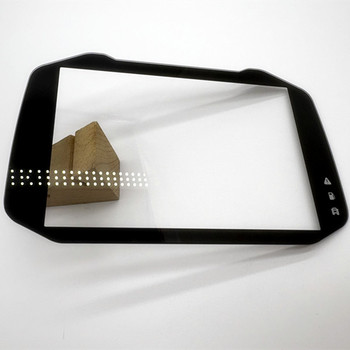
Ultra-Clear AR Glass
Custom Shape Ultra-Clear Tempered Panel with Double-Sided AR Coating
Low-iron glassDouble-sided ARCustom outline
Inquire Now
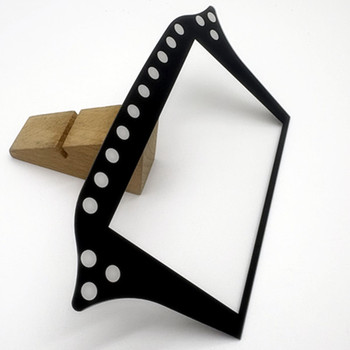
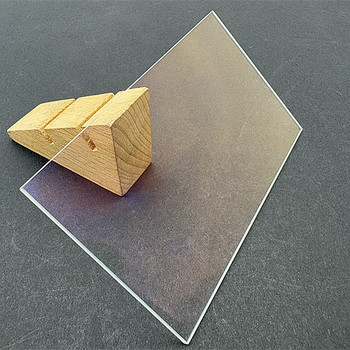
This product is not simply a clearer piece of glass. It is a finished optical component made from ultra-clear low-iron glass, shaped to a custom outline, edge-finished, strengthened and coated with an anti-reflective layer on one or both surfaces. The goal is to improve light transmission while reducing the reflections, glare and ghost images that appear on standard glass. For display windows, touch interfaces, instrument covers and lighting lenses, that difference is visible immediately to the end user.
The “high transmittance” part of the specification refers to the amount of visible light that passes through the panel. Ultra-clear glass already avoids much of the green tint found in standard float glass, and an anti-reflective coating further reduces surface reflection. Depending on thickness, coating design and wavelength, a double-sided AR coating can help a finished panel deliver very high visible-light transmission and a cleaner, more neutral image. Exact performance should be confirmed on a sample under the lighting conditions your product will actually face.
“Custom shape” means the glass is processed to your drawing, not cut from a limited catalog. It may include rounded corners, camera or sensor windows, notches, holes, complex outlines, printed borders, logos, icon areas and different edge finishes. Fevry Glass Co., Ltd. reviews the drawing before production so that the material, thickness, strengthening method, coating side and print stack work together rather than as separate purchases.
Start with the application, then select glass, thickness, strengthening and coating. The recommendations below are a practical starting point for RFQs; final specifications should be confirmed against your drawing, reliability tests and annual volume.
| Application | Recommended Glass | Thickness | Strengthening | Coating and Finish |
|---|---|---|---|---|
| Smart-home and appliance control panel | Ultra-clear low-iron glass | 1.1–3.0 mm | Thermally tempered | Double-sided AR; optional silk print, AF or anti-glare finish |
| Optical instrument window | Ultra-clear low-iron or borosilicate 3.3 | 0.7–2.0 mm | Annealed or chemically strengthened | Single-sided AR or double-sided AR depending on optical path |
| Automotive dashboard trim panel | Ultra-clear low-iron or chemically strengthened glass | 0.7–1.1 mm | Chemical strengthening | AR plus anti-fingerprint; printed border or icon window |
| Industrial HMI and touch kiosk cover | Ultra-clear low-iron glass | 1.1–3.0 mm | Thermally tempered | Double-sided AR; optional AG or AF coating |
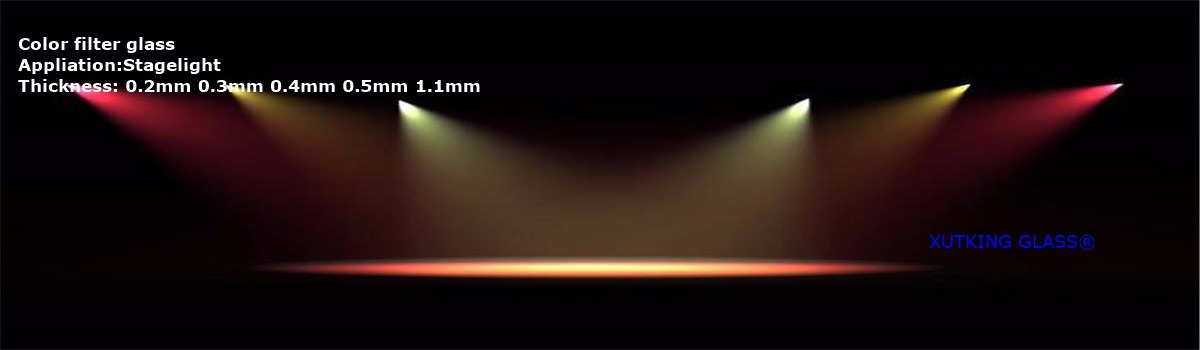
| Stage and lighting lens | Borosilicate 3.3 or high-transmittance glass | 0.3–2.0 mm | Thermally tempered or annealed | AR coating where glare control is required; custom shape |
Typical planning guidance only. Coating type, target transmission, print color, tolerance and packaging are confirmed project by project.
These options reflect the most common buyer requirements for custom-shaped ultra-clear AR panels. Share your drawing and we will recommend the most suitable route.
Global buyers are moving from catalog purchasing to engineering-led sourcing. The suppliers that win repeat orders will be the ones that make specifications, quality records and communication transparent.
Buyers increasingly check supplier assessment, transaction history, reviews and credit records before requesting a sample. A public company profile and clear communication are now part of product quality.
AI-assisted search makes it easy to find suppliers, but production still depends on precise drawings. Buyers who send DWG, DXF or PDF files with tolerances, print layers and coating sides receive faster, more reliable quotations.
Project teams want prototype quantities before mass production. Clear sample validation for fit, color, coating and optical performance reduces risk for both the buyer and the factory.
Procurement teams are reducing risk by qualifying more than one process route and planning packaging, coating batches and shipping schedules earlier. Transparent lead-time discussion is becoming as important as unit price.
Buyers are looking beyond piece price to consider breakage, rework, print yield, coating consistency and packing efficiency. A stable supplier with inspection discipline can be less expensive than a lower quote with hidden reject costs.
Global B2B buyers increasingly request material traceability, packaging reduction and cleaner production data. Suppliers that can document material sources and process controls are better prepared for future procurement requirements.
These are the concerns that appear repeatedly in supplier discovery, RFQs and technical reviews. Direct answers help buyers compare suppliers on substance rather than slogans.
It is a strengthened optical glass panel made from ultra-clear low-iron glass, cut or CNC-shaped to a drawing, edge-finished, optionally printed, and coated with an anti-reflective film on one or both sides. The purpose is to maximize visible-light transmission while reducing surface reflection, glare and ghosting. In practical terms, it is a finished component designed for an interface, display window, optical instrument or lighting application rather than a generic sheet of glass.
Typical ultra-clear glass already transmits most visible light, and a well-matched double-sided AR coating can raise usable transmission further, often into the mid-to-high 90 percent range or above depending on glass thickness, coating design and wavelength. The final target should always be validated with a sample under your product lighting conditions. Buyers should specify the wavelength range, acceptable color shift and whether the measurement is for one surface or the complete laminated or air-gap assembly.
Single-sided AR is often sufficient when only one surface faces the viewer or when the rear surface is bonded or hidden. Double-sided AR is preferred for touch panels, optical windows, instrument covers and display windows where both surfaces can reflect light. Fevry Glass Co., Ltd. can quote both configurations and help match the coating to your lamination or optical-bonding process. The right choice depends on the optical path, the presence of an air gap and the acceptable level of reflection at each interface.
Send a 2D drawing in DWG, DXF or PDF with outline dimensions, radii, hole and notch locations, critical tolerances, edge finish, glass material, thickness, strengthening method, print colors with Pantone references, AR coating side and annual quantity. A second drawing showing the print layer and transparent windows is also useful. If the part will be assembled with a gasket, adhesive or frame, include the mating interface so the glass dimensions and edge treatment can be reviewed in context.
All cutting, CNC shaping, drilling, edge grinding and printing preparation must be completed before strengthening. Thermally tempered glass cannot be cut or drilled afterward without losing its strengthened state. For ultra-thin glass, chemical strengthening by ion exchange is often used instead of thermal tempering. This is why engineering review before production matters: a change to a hole or outline after strengthening may require a new production batch.
Thermal tempering is generally best for soda-lime glass around 3 mm and thicker. Chemical strengthening is commonly used for thin cover glass from about 0.15 mm to 2 mm because it increases surface strength while keeping the sheet flat and optically clean. The right choice depends on thickness, application, impact risk and optical requirements. For high-transmittance AR panels, the strengthening method must also be compatible with the coating process and the final cleaning or lamination steps.
AR coating durability depends on the coating stack, cleaning chemicals and handling environment. For industrial, display and appliance applications, buyers should request abrasion, adhesion, humidity and cleaning tests that match their reliability standard. Fevry Glass Co., Ltd. can discuss the expected cleaning method and environmental exposure before recommending a coating specification. Where fingerprints and glare are both concerns, an AR plus anti-fingerprint or anti-glare finish may be more suitable than AR alone.
Most custom cover glass and AR glass projects start from 300 to 500 pieces, while selected Eagle XG cut parts may start from 1,000 pieces. Samples can be arranged to validate dimensions, edge quality, print color and optical performance before mass production. MOQ depends on size, material, tooling and coating batch requirements. For a new project, the most efficient route is to approve a sample and then scale to the annual volume discussed during quotation.
Approve a sample first, then request inspection records for dimensions, thickness, surface appearance, print alignment and coating condition. Transparent process photos or videos are helpful for custom projects. Fevry Glass Co., Ltd. performs dimensional and visual checks before export packing and can discuss third-party inspection when required. Buyers should agree on the inspection criteria early, especially for cosmetic defects, print color tolerance and the definition of an acceptable coating appearance under specified lighting.
It is suitable for smart-home control panels, appliance display windows, automotive dashboard trims, optical instruments, analyzer windows, industrial HMI covers, touch kiosks, lighting lenses and other applications where clarity, low reflection, scratch resistance and a precise custom outline matter. Applications with strong ambient light, camera windows or visible display graphics usually benefit most from a well-designed AR coating because the user sees less surface reflection and a cleaner image.
Email your drawing, material, thickness, strengthening requirement, AR coating side, print details, application and expected annual volume to info@fevryglass.com. The team typically responds within about 4 hours and will confirm manufacturability, recommended specifications and the next sample or quotation step. If you are still developing the design, send the current concept and the intended environment; Fevry Glass Co., Ltd. can help identify which parameters need to be fixed before a reliable quotation is possible.
Product development in this category is driven by clearer displays, thinner devices, tougher surfaces and more demanding optical assemblies. The trends below are useful for buyers preparing future RFQs.
Instead of a generic anti-reflective layer, coatings are increasingly tuned to the wavelength band and viewing angle of the final product. This matters for optical instruments, LiDAR windows, camera covers and specialized lighting.
AR plus anti-fingerprint, anti-glare or easy-clean functionality is becoming more common. Buyers want a single finished panel that controls reflection, resists smudges and remains easy to clean during daily use.
Chemical strengthening and improved edge finishing allow thinner ultra-clear panels to survive handling and assembly. This supports slimmer industrial designs and reduces weight in portable instruments and control panels.
AR coatings must work with OCA, OCR and other bonding materials. Buyers are asking for coating designs that maintain optical performance after lamination and do not introduce haze, mottling or delamination risk.
Laser cutting, CNC grinding and automated optical inspection improve repeatability for custom outlines and small features. These technologies help shorten the path from drawing approval to stable mass production.
As touch and display surfaces move into harsher environments, coating durability under cleaning chemicals, humidity and abrasion is becoming part of the specification rather than an afterthought.
Material lot, coating batch, print color and inspection results are more likely to be requested in future procurement. Suppliers with clear process controls can support customers who need traceable quality records.
Thin glass requires robust packing, but buyers also want less waste. Interleaved, cushioned export packing reduces breakage while helping protect the product through international logistics.
Custom-shaped ultra-clear AR glass is a strong fit wherever a user looks through, touches or photographs a protected display surface.
Control panels, oven windows, refrigerator interfaces and home-energy displays benefit from neutral color, low reflection and printed icon windows.
Dashboard trim panels, center-console covers and display windows use chemically strengthened thin glass with AR, anti-fingerprint and printed borders.
Analyzer windows, sensor covers and instrument worktables use low-reflection glass to improve signal visibility and reduce stray reflections.
HMI panels and touch kiosks combine tempered glass with double-sided AR to keep the display readable under bright factory or public lighting.
AR-coated high-transmittance glass can reduce glare and improve light output while maintaining the custom shapes needed for lens and cover assemblies.
Analyzer covers, equipment windows and biochip-related glass components require clean surfaces, dimensional stability and reliable inspection before packing.



Fevry Glass Co., Ltd. is a professional high-tech glass material enterprise based in Xinyu, Jiangxi, China. Our team works across optical systems, biological and semiconductor applications, communications, lighting, electronics and other scientific industries. That cross-industry experience helps us recommend practical glass, coating and processing routes instead of treating every custom AR panel as a simple cut-to-size item.
We source raw glass from Corning, AGC and other multinational producers and maintain close cooperation with well-known domestic manufacturers such as Chengdu Guangming and Xinhuguang. This gives projects a more traceable starting point for material selection. Over the years, our company has cultivated professional technical personnel and introduced advanced laser, ultrasonic, carving, grinding and inspection equipment from the USA, Germany and Japan.
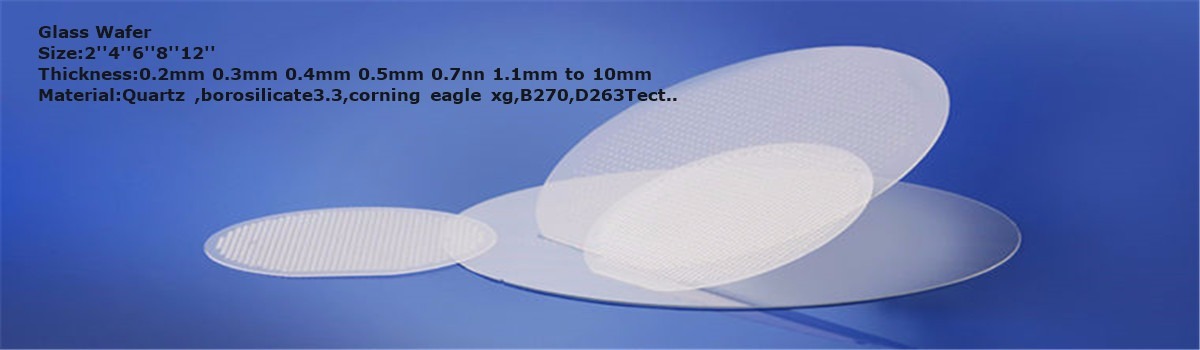
Our capabilities cover Eagle XG, high borosilicate glass, transparent ceramic glass, semiconductor wafer, biological chip, film and television lighting glass, measuring instrument worktable glass, optical communication V-groove glass, PLC substrate glass, optical coating glass, LED filament glass, stage lighting color lens, and ultra-thin screen protector glass at 0.15 mm and 0.2 mm. For this product, the relevant route combines ultra-clear glass selection, CNC shaping, edge finishing, strengthening, AR coating, optional printing and final inspection.
We pursue the management tenet of “Quality is superior, Service is supreme, Reputation is first,” and we believe in the business idea of “Your Success, Our Glory.” Every custom AR glass project begins with a drawing review and a clear discussion of what must be measured, what should be sampled and how the finished glass will be packed and shipped.
| Item | Details |
|---|---|
| Company Name | Fevry Glass Co., Ltd. |
| Response Rate | 100% |
| Response Time | ≤4 hours |
| Total Annual Revenue | US$50 Million – US$100 Million |
| Seller Reorder Rate | 15% |
| Country / Region | Jiangxi, China |
| Business Type | Trading Company |
| Company Join Year | 10 years |
| Export Markets | Western Europe, United States, Japan, South Korea, Taiwan, Hong Kong, Southeast Asia |
Public supplier profile information is provided for buyer verification. For project-specific capability, request a drawing review and sample plan.
Email your specifications — our team typically replies within 4 hours with the next practical step.