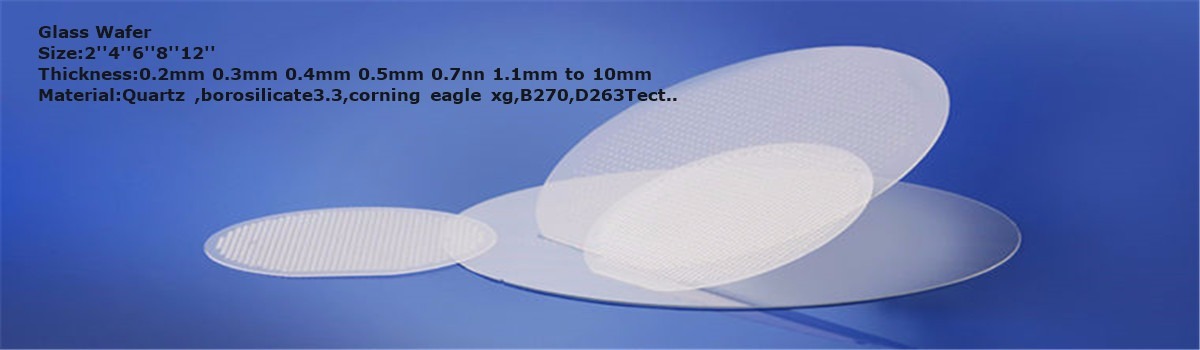
What Makes a Heat-Resistant Borosilicate Glass Window Cover Sheet Different?
A heat-resistant borosilicate glass window cover sheet is more than a transparent panel. It is an engineered component that protects lamps, sensors, displays, heating elements and inspection areas while maintaining optical clarity under thermal load.
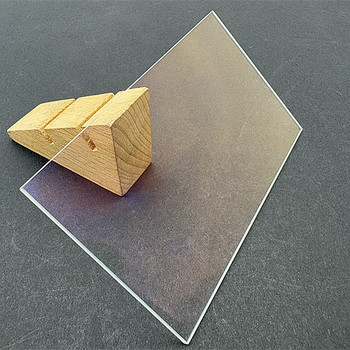
For global procurement teams, the phrase “heat-resistant borosilicate glass window cover sheet” usually points to a borosilicate 3.3 sheet that has been cut, edged and sometimes drilled, printed, tempered or coated for a specific enclosure. The defining property is a low coefficient of thermal expansion — typically around 3.3 × 10⁻⁶/K — which allows the glass to withstand rapid temperature changes better than ordinary soda-lime glass. That is why borosilicate 3.3 is widely used for lighting covers, high-power LED windows, appliance inspection windows, instrument glass, laboratory viewing panels and stage-lighting gobo blanks.
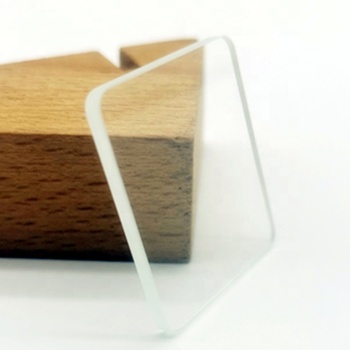
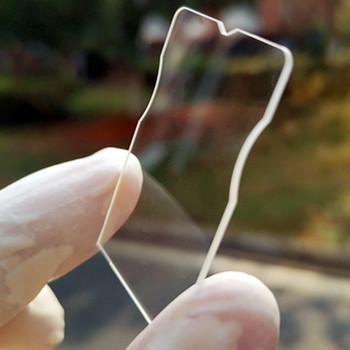
However, heat resistance alone is not a complete purchasing specification. Two window cover sheets can both be made from borosilicate 3.3 yet perform very differently if the thickness, edge finish, coating, decoration or packing is unsuitable. A thin 0.3 mm sheet may be ideal for a compact lamp cover, while a 2 mm or 3.3 mm sheet may be required for a larger appliance window or a fixture exposed to stronger mechanical stress. Edges should be ground and polished when handling and installation are critical. Holes, notches and printed borders must be defined early because they determine tooling, processing sequence and the final yield.
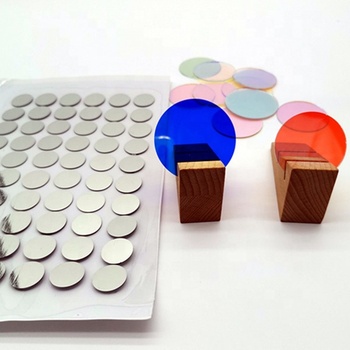
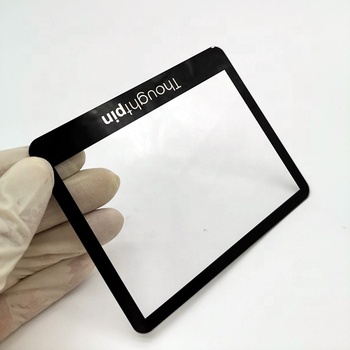
Fevry Glass Co., Ltd. processes borosilicate 3.3 and related technical glass to customer drawings, rather than selling only stock sheets. This matters for buyers who need a repeatable fit across assembly lines. For a heat-resistant window cover application, we review the drawing, operating temperature, mounting method, coating requirement and annual quantity before recommending the substrate and process route. Typical options include clear borosilicate glass, anti-reflective coated glass, silk-screen printed glass, chemically strengthened thin glass and heat-resistant gobo glass blanks.

Why buyers select borosilicate 3.3 for window covers
- Thermal shock resistance: low expansion helps the sheet tolerate temperature variation in lighting and heating equipment.
- Optical clarity: clear borosilicate provides good light transmission for lamps, displays and inspection windows.
- Chemical durability: suitable for many appliance, instrument and industrial environments where ordinary glass may degrade.
- Processing flexibility: can be cut to shape, drilled, edge-ground, coated, printed and packed as a finished component.
- Application fit: available in thin gauges for compact fixtures and thicker sheets for larger windows and mechanical stability.
It is important to distinguish “heat resistant” from “unbreakable” or “unlimited temperature resistant.” Borosilicate glass performs well in thermal shock, but the safe operating range depends on thickness, size, edge quality, mounting, temperature gradient and the presence of coatings or prints. We recommend validating the final design with application details and, where appropriate, production samples before full-scale release. This approach aligns with E-E-A-T expectations: recommendations should be based on verifiable material data and real processing experience, not generic claims.