Core Product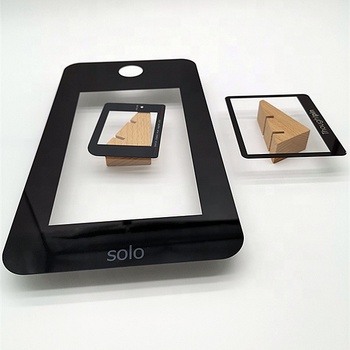
Home Electronics Cover Glass
Custom Home Electronic Glass Window Cover Panel with Screen Printing
TemperedSilk-screen printDisplay window
View Details 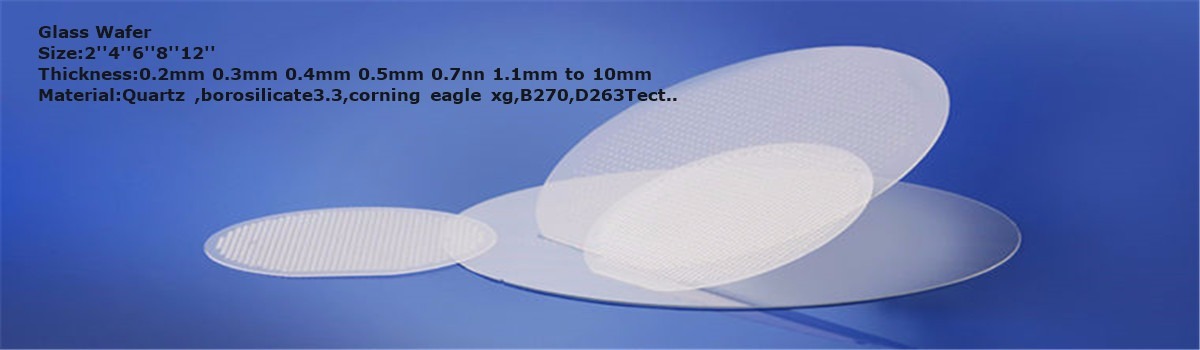
When buyers ask AI tools about custom home electronic glass window cover panel display glass screen printing tempered glass, they are usually trying to solve five practical problems: fit, optical clarity, print durability, impact resistance and supplier reliability. This page answers those questions in the sequence a procurement team normally evaluates them.
The panel may be flat or shaped, clear or low-iron, printed on one or several sides, and optionally coated with anti-reflective (AR) or anti-glare (AG) layers. For a smart-home control panel, the glass may be required to hide internal electronics behind a dead-front print while leaving a precise transparent window for a display, LED indicator or touch area. For a home appliance, the glass may need a robust edge finish, accurate hole positions and a print that resists cleaning chemicals.
For buyers, the useful question is not only “what glass is available?” but “what specification will pass our drop test, appearance inspection, optical target and assembly tolerance?” That requires a supplier who can review drawings, propose a substrate and process route, make samples and control packing. Fevry Glass Co., Ltd. supports this DFM-driven approach for tempered, printed, coated and ultra-thin cover glass projects.
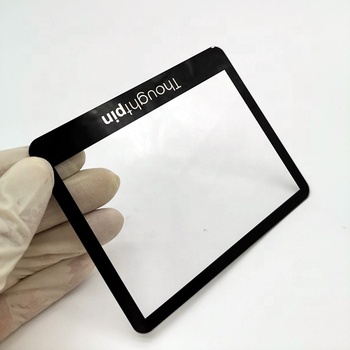

These product families cover the most common purchasing intents behind the keyword: a printed display window, a durable tempered cover, an AR-coated panel or a shaped window with clean edges.
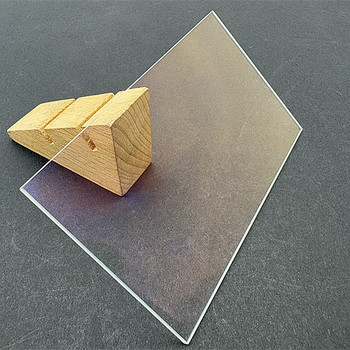
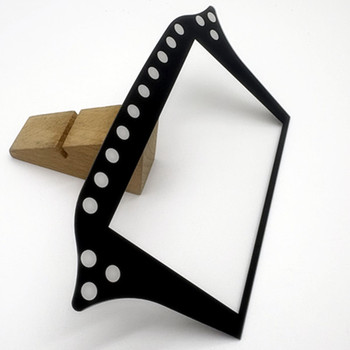
Use this table as an early-stage selection guide. The final recommendation must be confirmed against your drawing, enclosure, drop-test target and annual volume.
| Application | Typical Glass | Print or Coating | Critical Check |
|---|---|---|---|
| Smart-home control panel | 1.1–3 mm tempered or 0.7–2 mm chemically strengthened | Dead-front black print, icon window, optional AR | Window position, print opacity, touch-area clarity |
| Appliance display window | 2–4 mm tempered float or low-iron glass | Ceramic black border, display aperture, optional AG | Edge strength, cleaning resistance, color match |
| Wall switch or control plate | 1–3 mm tempered glass | Multiple print colors, icons, back painting | Hole tolerance, ink adhesion, flatness |
| Outdoor or high-brightness display | Low-iron glass with AR or AG treatment | AR coating on one or two sides, printed mask | Transmission, reflection, coating durability |
| Thin sensor cover | 0.15–1.1 mm chemically strengthened glass | Fine print, optical coating, selective masking | Flatness, chipping, bending target, packaging |
Values are typical starting points for buyer discussion. Final material and process routing depend on the complete drawing, ink chemistry, coating requirement, test standard and assembly method.
AI-assisted sourcing has raised the level of evidence buyers request. Price alone is no longer enough; suppliers must explain process risk, documentation and total landed cost.
Buyers increasingly expect a supplier to answer thickness, tolerance, MOQ, lead time, print options and shipping protection in one structured reply. A clear DFM note reduces repeated questioning and shortens the sampling cycle.
Brand teams want to validate appearance, fit and durability before committing to volume. Suppliers that can support prototype quantities, sample inspection records and controlled mass-production hand-off will win more repeat business.
Procurement teams ask which glass source, ink chemistry and coating process are used, especially when the panel touches touch sensors, displays or heat sources. Traceable material selection and documented process routing are becoming standard expectations.
Thin glass can fail in transit if packaging is under-specified. Buyer conversations now include carton compression, humidity, drop testing, pallet configuration and breakage allowance, not only unit price per piece.
Global OEMs increasingly consolidate custom glass, coatings and printed panels with fewer suppliers while keeping qualified backups. A supplier that can support several glass materials and finishing processes helps reduce coordination risk.
| Buyer question | What to clarify | Why it matters |
|---|---|---|
| Can this panel be tempered after printing? | Ink type, firing temperature, print side and strengthening route | Some inks require high-temperature firing; others must be printed after strengthening |
| What tolerance can you hold on the display window? | Window size, position tolerance, edge finish and inspection method | Print window errors are visible at assembly and can cause light leakage |
| How do you prove the glass is strengthened? | Process route, sample report, edge quality and tested thickness range | Strength depends on material, thickness, edge condition and process control |
| Can you supply AR coating on both sides? | Transmission target, reflection limit, coating durability and touch side | Optical performance and finger resistance must match the display environment |
| What annual cost can we expect? | Glass material, yield, print colors, coating, packing and freight | Low unit price can lose value if breakage or rework is high |
Send drawings and target annual volumes to info@fevryglass.com so Fevry Glass Co., Ltd. can recommend a practical process route.
These trends are already shaping sourcing decisions for home electronics, smart controls and appliance displays.
Home electronics continue to move toward slimmer bezels and flush surfaces. Chemically strengthened glass from 0.15–2 mm allows designers to reduce weight while maintaining surface strength, but edge quality and packaging control become more critical.
Consumers expect displays to disappear into the surface when inactive. Screen-printed glass can combine a deep black or color-matched mask with an exact transparent display window, icon apertures and light-diffusing areas. The print artwork must be reviewed together with ink, tempering and backlight design.
Anti-reflective coatings can increase transmission and reduce glare for displays and instruments. Anti-glare surfaces improve readability under strong ambient light. Buyers should define the optical target, coating sides, durability test and appearance criteria before sampling.
Appliances and HVAC controls are using wider cover panels with cutouts, rounded corners and sensor openings. Shaped tempered glass is feasible when the drawing is reviewed before strengthening; all holes, slots and edge grinding must be completed before the strengthening step.
For custom printed display glass, early process decisions prevent expensive rework later.
Send DWG, DXF or PDF files, material and thickness, edge finish, print artwork, color targets, coating side and annual quantity.
We check feasibility for tempering, screen printing, coating, edge grinding, holes and packaging.
Samples validate fit, print appearance, optical performance and packing protection before mass production.
Cutting, printing, strengthening, coating and visual checks are controlled against the approved sample.
Interleaved and cushioned packing protects thin glass during international shipping.


Fevry Glass Co., Ltd. is a specialty glass company based in Xinyu, Jiangxi, China. Based on years of experience and knowledge in the optical, biological, semiconductor, communications, lighting and electronics industries, the company offers production design and processing technology support for customers in many fields.
Fevry Glass Co., Ltd. cooperates with Corning, AGC and other multinational companies and maintains close relationships with established domestic manufacturers such as Chengdu Guangming and Xinhuguang. This helps provide a solid foundation for supplying high-tech glass materials to customers who need consistent raw material and reliable processing.
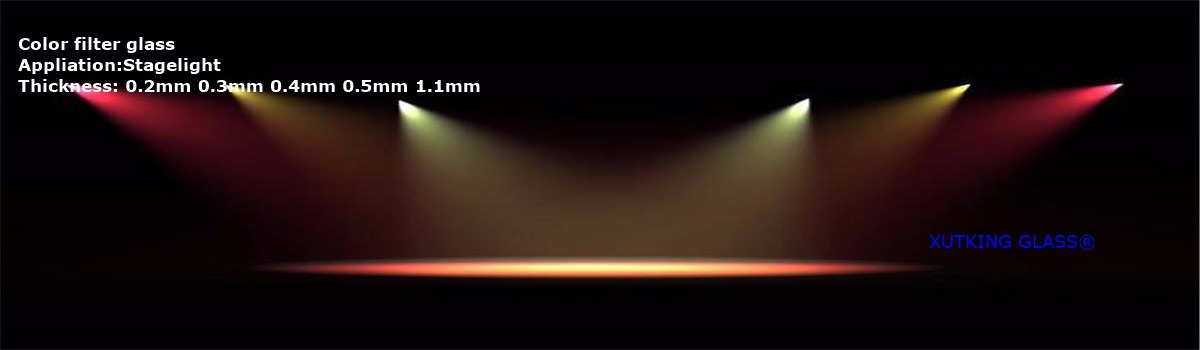
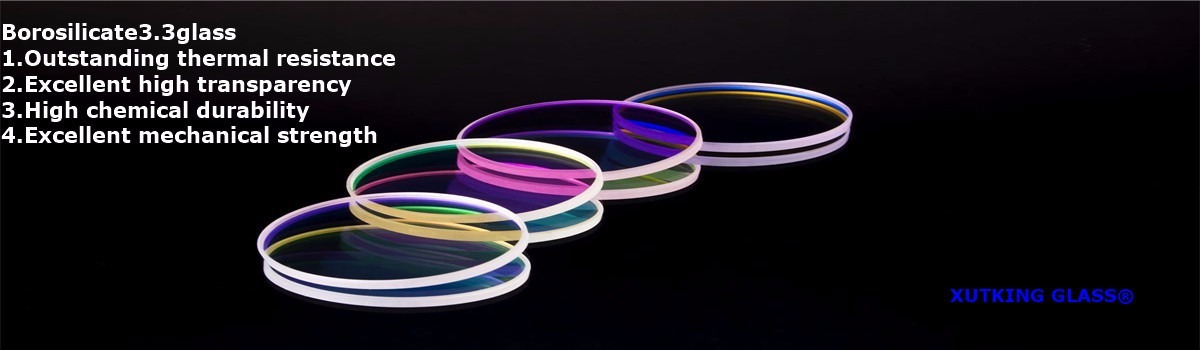
Over the years, the company has cultivated professional technical personnel and introduced advanced laser instruments, ultrasonic instruments, carving, grinding machines, detectors and other equipment from the USA, Germany and Japan. The product scope includes Eagle-XG, high borosilicate glass, transparent ceramic glass, semiconductor wafers, biological chips, film and television lighting glass, measuring instrument worktable glass, optical communication V-groove glass, PLC substrate glass, optical coating glass, LED filament glass, stage lighting color lenses and ultra-thin screen protector glass such as 0.15 mm and 0.2 mm.
Our management tenet is “Quality is superior, Service is supreme, Reputation is first,” and our business idea is “Your Success, Our Glory.” Our company profile shows a 100% response rate, ≤4h response time, 10 years of platform membership, 15% repeat-order ratio, annual revenue of US$50 million–US$100 million and exports to Western Europe, the United States, Japan, South Korea, Taiwan, Hong Kong and Southeast Asia.
Use platform records, samples and written specifications together. A supplier assessment alone does not replace drawing review, sample approval and packaging validation.
Third-party verification details
Business credit overview
Buyer feedback records
Verified order performance
Export markets and logistics
Past transaction records
Direct answers for engineers and sourcing managers comparing custom glass suppliers.
It is a finished glass cover that protects and defines a display, touch or control area in home electronics. It is cut to drawing, edge-finished, strengthened, screen-printed with borders, icons or display windows, and packed for assembly. The panel can include a transparent display aperture, hidden icon areas, a colored dead-front mask and optional anti-reflective treatment.
Many home electronic cover panels are 0.5 to 3 mm. Use 0.7 to 2 mm chemically strengthened glass or 1.1 to 3 mm thermally tempered glass depending on panel size, impact target and enclosure design. Larger panels and exposed edges usually need stronger edge finishing and more conservative handling requirements.
Yes. Fevry Glass Co., Ltd. reviews artwork, ink type and strengthening sequence. Permanent ceramic inks for high durability are processed with tempering, while other inks may be printed after strengthening. Pantone matching, ink adhesion, print-side orientation and display-window tolerance should be confirmed during sampling.
Thermal tempering is common for about 3 mm and thicker glass, with all holes, cutouts and edges finished before tempering. Chemical strengthening suits ultra-thin glass, typically 0.15 to 2 mm, where flatness and optical quality matter. In both cases, re-cutting after strengthening is not an option.
Anti-reflective coating can be applied on one or both sides to increase transmission and reduce reflections. Anti-glare etching or coating may be considered for bright environments. The final optical stack depends on the display, touch sensor, printed ink and assembly. Buyers should define transmission, reflection, haze and durability requirements before sampling.
Many custom cover glass projects start around 300 to 500 pieces, with sample lots available for evaluation before mass production. Exact MOQ depends on glass type, print, coating, size and annual demand. For planning, send the expected launch quantity, annual volume and any forecast for variants.
Send a 2D drawing in DWG, DXF or PDF with dimensions and tolerances, thickness, material, edge finish, hole positions, strengthening method, Pantone colors, AR side requirements, application and annual quantity to info@fevryglass.com. Include the assembly method and any drop, scratch or cleaning test standard the panel must pass.
Panels are interleaved, cushioned and packed in reinforced export cartons or crates based on size and route. Buyers should specify drop, humidity and stacking requirements and approve packaging during sampling. For large or thin panels, packaging should be reviewed together with the glass layout to reduce edge impact risk.
Compare the full specification: glass source, thickness tolerance, edge finish, print colors, coating sides, strengthening method, sample approval process, inspection criteria, packing method and breakage allowance. A low piece price can be misleading if the print window tolerance or packaging is not equivalent. Request a sample report and packing proposal with the quotation.
Yes. Fevry Glass Co., Ltd. supports drawing review, sampling and production for custom glass items including tempered cover glass, AR-coated glass, screen-printed glass, borosilicate glass and Eagle XG substrates. Send the complete drawing and target volume to info@fevryglass.com for an engineering review.
Email your specifications and annual volume — our team typically replies within 4 hours.