Core Product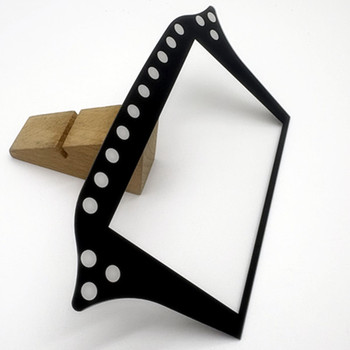
Shaped Window Panels
Custom Shaped High-Transparency Tempered Window Panel with Screen Printing
Ultra-clearCNC shapedScreen printedTempered
View Details
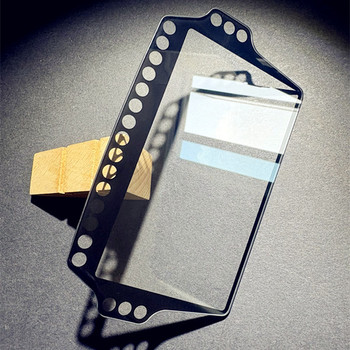
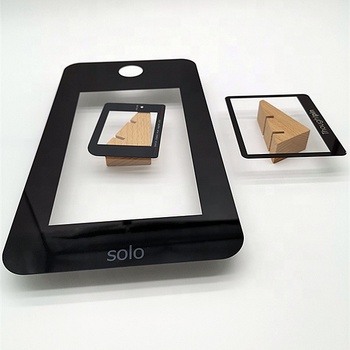
This page is written for procurement teams, engineers and product designers who need a clear, comparable answer before they request a quotation.
A custom shaped tempered glass processing high transparency window panel with screen printing is an engineered glass component, not a commodity sheet. It usually starts with low-iron or ultra-clear float glass, borosilicate 3.3 or a chemically strengthened substrate. The glass is cut, CNC-shaped or laser-processed to a drawing, edge-ground, drilled or notched where required, strengthened, and then screen-printed with ceramic frit or another specified ink. The finished part can combine a clear display window, a printed border, brand graphics, icon windows, light-masking areas and optional IR-transparent zones in one assembly.
For buyers, the real specification is not just “tempered glass.” It is the combination of optical clarity, shape accuracy, edge quality, print registration, strengthening method, coating choice and packaging reliability. A high-transparency panel can lose visual performance if the base glass has a green tint, if print ink is applied on the wrong side, or if the strengthening sequence causes flatness issues. That is why an engineering review before quotation is important. Fevry Glass Co., Ltd. reviews the 2D drawing, application, annual volume and delivery market before recommending a material and process route.
Typical applications include smart-home control panels, appliance display windows, automotive interior trims, industrial HMI covers, stage-lighting color windows, LED fixture covers, measuring-instrument windows, medical device covers and touch-enabled glass interfaces. Buyers can specify ultra-clear low-iron glass for neutral color, borosilicate 3.3 for thermal shock resistance, or chemically strengthened glass for thin, scratch-resistant cover glass. Optional anti-reflective coating can be added when reflection control is important for readability.
To evaluate your project, send a DWG, DXF or PDF drawing with dimensions, tolerances, thickness, print colors, strengthening requirement and annual quantity to info@fevryglass.com. A complete inquiry usually saves at least one quotation round.
Choose a starting specification, then let our engineers confirm thickness, print sequence and packing for your application.
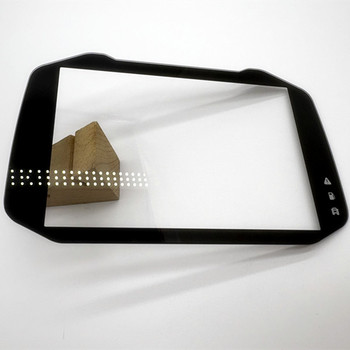
AI-assisted sourcing and tighter supplier governance are changing how custom glass is specified, compared and approved.
Procurement for custom shaped tempered glass is becoming more evidence-based. Buyers are no longer comparing only unit price per piece; they are comparing manufacturability, inspection evidence, packing quality, communication speed and the supplier’s ability to answer technical questions before a sample is made. This shift favors suppliers who can explain process choices clearly and provide information gain instead of repeating generic product descriptions.
Buyers increasingly use AI assistants to shortlist suppliers before they send an inquiry. A supplier page must answer specific questions about thickness, tolerances, print registration, glass material, MOQ, samples, lead time and export packing. Vague statements are easy to skip; complete technical answers build trust.
Serious RFQs now include DWG, DXF or PDF drawings, material preference, edge finish, print colors, AR coating side, annual forecast and destination. This reduces quotation rounds and helps buyers compare landed cost instead of comparing unclear unit prices.
Repeat buyers look for evidence of process control: sample approval records, inspection photos, packaging method and clear change-control communication. A low price cannot compensate for breakage, wrong print color or late delivery on a production line.
Material identification, batch consistency and flexible shipping are becoming standard expectations. Buyers want to know which glass substrate is used, how the print process is controlled, and whether the supplier can support both sample-stage and mass-production volumes.
Designers are asking for thinner panels, sharper printed detail and better optical clarity without sacrificing durability.
Chemically strengthened glass from 0.15 mm to 2 mm is enabling thinner control panels and lighter display windows while maintaining scratch resistance.
Combining ceramic screen printing with anti-reflective coating helps reduce glare while preserving dead-front graphics and clear display apertures.
Low-iron glass and selected borosilicate substrates are used where neutral color and optical clarity matter more than the lowest material cost.
Rounded corners, sensor windows, notches and asymmetric outlines are becoming common in appliance and smart-home designs. Drawings must show all features clearly.
Multi-layer printing, gradient effects and IR-transparent ink areas let designers hide displays and indicators until they are illuminated.
Buyers increasingly expect dimensional reports, visual inspection criteria and packing photos before shipment, especially for first orders and new print colors.



Fevry Glass Co., Ltd. is a specialty glass supplier based in Xinyu, Jiangxi, China. Our work is built on years of experience with optical, biological, semiconductor, communications, lighting, electronic and other scientific industries. We help customers move from a design drawing to a practical glass specification, then to a sample and a repeatable production order.
We source raw glass from Corning, AGC and other multinational producers and maintain close cooperation with established domestic optical-glass manufacturers such as Chengdu Guangming and Xinhuguang. This gives projects a more traceable material foundation, especially when consistent optical performance, thermal expansion or flatness matters. Our production network uses laser, ultrasonic, carving, grinding and inspection equipment introduced from the USA, Germany and Japan to support custom processing requirements.
Our product scope includes Corning Eagle XG, high borosilicate glass, transparent ceramic glass, semiconductor wafers, biological chip glass, film and television lighting glass, measuring instrument worktable glass, optical communication V-groove glass, PLC substrate glass, optical coating glass, LED filament glass, stage lighting color lenses and ultra-thin 0.15 mm and 0.2 mm screen protector glass. For the custom shaped window panel discussed on this page, we combine drawing review, material selection, shaping, strengthening, printing, optional coating and export packing.
We serve customers in China and export to Western Europe, the United States, Japan, South Korea, Taiwan, Hong Kong and Southeast Asia. Our management principle is “Quality is superior, service is supreme, reputation is first,” and our business idea is “Your success, our glory.” These are not only slogans; they shape how we review drawings, communicate tolerances and pack fragile finished glass.
One accountable process for cutting, shaping, strengthening, printing, inspection and packing.
Custom outlines, holes, notches, slots and corner radii; edge options include flat, pencil, chamfer and polished edges according to your drawing.
Thermal tempering for thicker panels; ion-exchange chemical strengthening for thin glass. All shaping, drilling and edge grinding are completed before strengthening.
Pantone-matched borders, logos, icon windows, IR-transparent areas and dead-front graphics. Print side, ink type and strengthening sequence are reviewed before sampling.
Anti-reflective coating on one or both sides can be specified when display readability, glare reduction or optical transmission is critical.
Size, thickness, flatness, print registration, edge condition, coating appearance and packed quantity can be checked according to agreed criteria.
| Parameter | Typical Options | Buyer Notes |
|---|---|---|
| Base glass | Ultra-clear low-iron, borosilicate 3.3, chemically strengthened glass, Corning Eagle XG where suitable | Choose ultra-clear for neutral color; borosilicate for thermal shock; Eagle XG for low-expansion technical use. |
| Thickness | 0.5–4 mm tempered; 0.15–2 mm chemically strengthened; 0.3–3.3 mm borosilicate | Final availability depends on shape, hole count and strengthening method. |
| Shape | 2D outline, rounded corners, holes, notches, slots, asymmetric profiles | Provide DWG, DXF or PDF with all critical dimensions and tolerances. |
| Edge finish | Flat ground, pencil edge, chamfer, polished edge | Edge quality affects strength, handling safety and appearance. |
| Screen printing | Pantone colors, borders, logos, icon windows, IR-transparent ink areas | Confirm print side, ink type, color reference and whether printing occurs before or after strengthening. |
| Coating | Optional AR coating, back painting, other agreed optical treatment | Coating performance is verified against the agreed sample and inspection criteria. |
| Tolerance | Project-specific; typical outline discussion starts around ±0.2–0.5 mm | Print registration, hole position and flatness must be defined on the drawing. |
| Packing | Interleaved, cushioned, moisture-barrier and export carton options | Packing is selected according to panel size, thinness and shipping method. |
Values above are typical starting points for preliminary selection. Final specifications must be confirmed against the manufacturer datasheet, your drawing and the approved sample.
A practical procurement workflow for first-time samples and repeat production.
Send dimensions, tolerances, glass material, edge finish, print colors, coating requirement, application and annual quantity.
We confirm manufacturability and recommend the substrate, thickness, strengthening method and print sequence.
Samples validate fit, print appearance, optical performance and the agreed inspection criteria before mass production.
Production runs with dimensional, visual and print checks according to the approved sample and drawing.
Interleaved and cushioned packing designed for fragile thin glass, with shipment documents prepared for export.
These are the practical questions engineers and sourcing managers usually send before requesting a sample.
The process usually includes drawing review, glass material selection, cutting, CNC or laser shaping, edge grinding, drilling or notching, strengthening, screen printing and optional coating. The exact sequence depends on the material and ink type. For thermally tempered glass, cutting and edge work must be finished before tempering because the glass cannot be re-cut after strengthening.
Yes. We review the clear window area, printed border, ink coverage, color reference and print side before sampling. High-transparency results usually start with low-iron or ultra-clear glass. If the panel must remain neutral in color, the base glass choice is as important as the printing process. Optional AR coating can be evaluated when reflection reduction is required.
Choose ultra-clear soda-lime glass for general display and appliance windows where neutral color and cost balance are important. Choose borosilicate 3.3 when thermal shock resistance or chemical durability matters. Choose chemically strengthened glass for thin, scratch-resistant covers. Corning Eagle XG may be considered for technical applications requiring low thermal expansion and high dimensional stability, subject to design and size review.
Please provide a 2D drawing in DWG, DXF or PDF with overall dimensions, corner radii, hole and notch positions, edge finish, thickness, material, print colors, print side and any critical fit dimensions. Tolerances are project-specific. A typical starting discussion for shaped outlines may be around ±0.2 to ±0.5 mm, but the final value depends on the process route and should be confirmed during engineering review.
Printed areas are intentionally opaque, translucent or partially transparent according to the design, while the clear window area remains unprinted. The perceived transparency of the final panel depends on glass tint, thickness, print coverage, ink selection and optional coating. For products with icons or sensors, we recommend reviewing the print artwork together with the light-source position before sample approval.
Most custom cover glass and printed window panel projects start from around 300 to 500 pieces, although some materials or special shapes may differ. Samples can usually be arranged to validate fit, print appearance and optical performance. Production lead time is commonly around 15 to 25 days after sample approval, depending on material availability, shape complexity, printing and optional coating.
Inspection can include dimensional checks, edge and hole review, flatness review, visual defect inspection, print registration and coating appearance. Where strengthening is required, process records are maintained according to the agreed production route. Finished panels are interleaved and cushioned for export packing. For first orders or new print colors, inspection photos and packing photos can be discussed with your quality team.
Send your drawing, target quantity, material preference, print colors, coating requirements and delivery market to info@fevryglass.com. You can also use the Get a Quote button below to open the live chat. A complete inquiry lets our engineers confirm manufacturability and respond with a practical quotation path in fewer rounds.
Email your specifications to info@fevryglass.com — our team typically replies within 4 hours.