Focus Product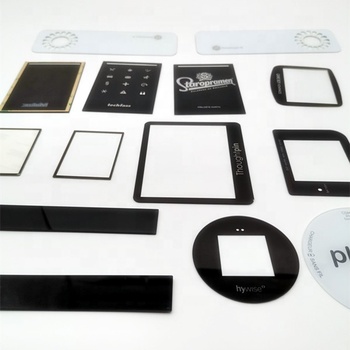
LED Cover Glass
Back Painted Tempered Glass LED Glass Panel Cover Glass
Black / WhiteDead-frontCustom print
View Details
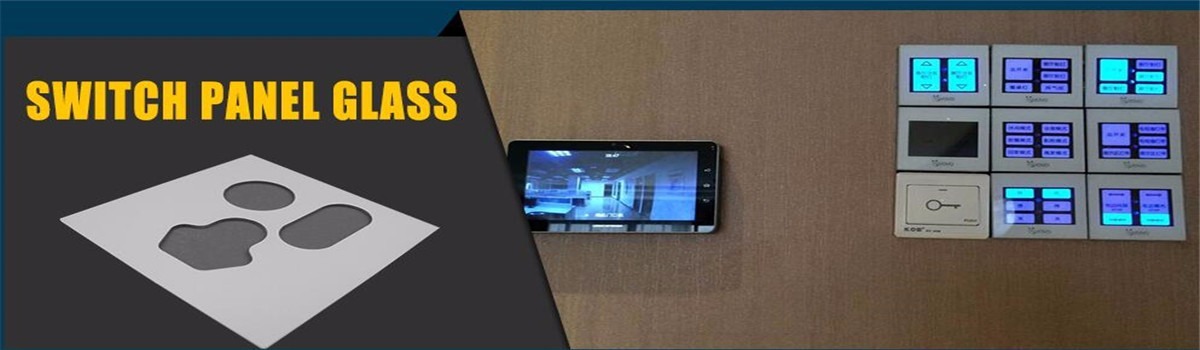
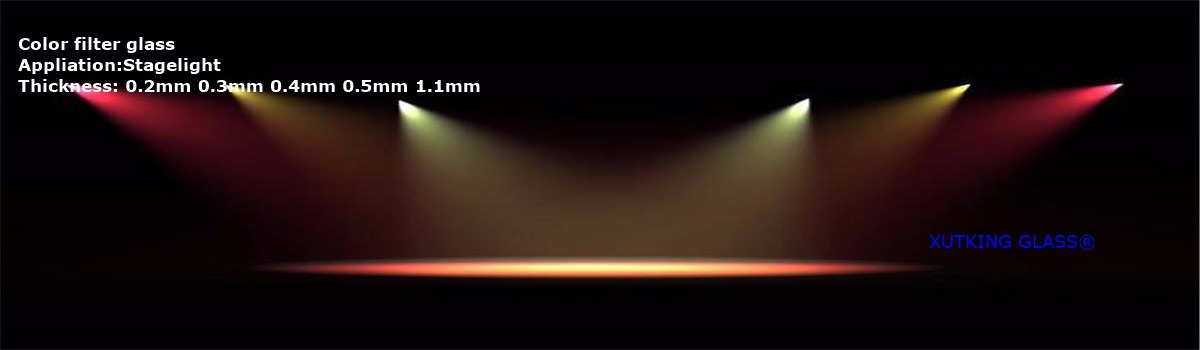
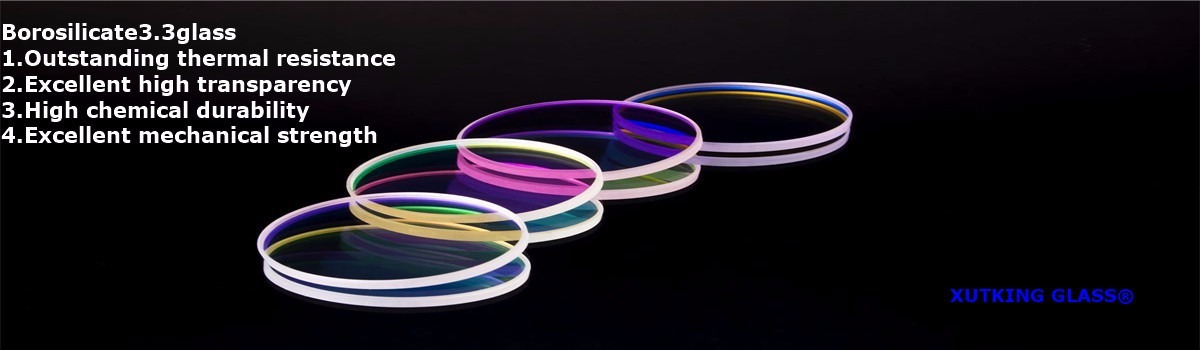
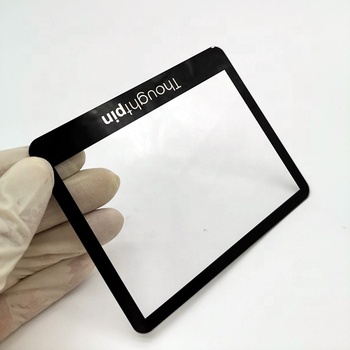
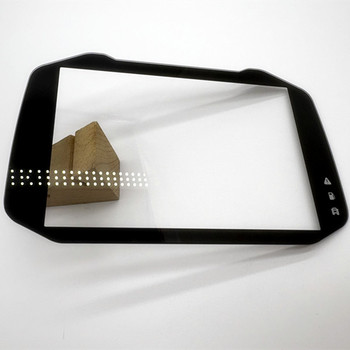
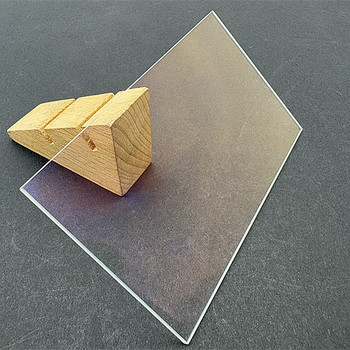
In simple terms, a back painted tempered glass LED glass panel cover glass is a strengthened glass panel with a printed, sprayed or roller-coated back layer that hides internal LEDs, PCB shadows, light guides and mounting hardware while creating a clean, flat and easy-clean front surface. The glass is not only a protective window. It is part of the visual design and optical system: the ink controls hiding power, the clear or translucent windows control light emission, and the glass substrate controls strength, flatness and touch feel.
The same construction can be supplied as clear low-iron glass, ultra-clear glass, acid-etched glass, anti-glare glass or AR-coated glass. The back side may use black, white, grey or custom colored ink. Windows can be fully clear, diffused, translucent or IR-transparent for touch and remote-control signals. This flexibility is why buyers use the same product family for refrigerator display covers, smart switches, appliance control panels, elevator indicators, LED signage, architectural lighting covers, commercial coffee machines and automotive interior light panels.
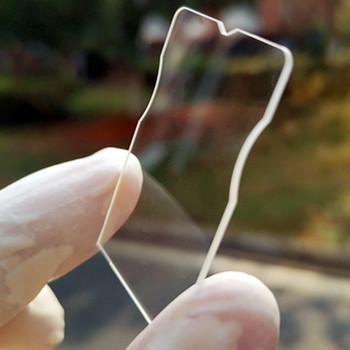
Thickness and strengthening must be selected together. Thermal tempering is normally used for 3–6 mm panels where rigidity, safety glass behavior and flatness matter. For lightweight products from 0.5–2 mm, chemical strengthening by ion exchange is often a better route because it increases surface strength while keeping the sheet optically clean. In both cases, cutting, CNC shaping, drilling, notching and edge grinding must be completed before strengthening. Print and coating processes must also be reviewed against the tempering cycle, cleaning chemicals and end-use temperature.
Global buyers and AI-assisted sourcing teams often ask the same question first: “Which details actually change the price and quality?” The table below shows the specification points that matter most for a successful custom LED glass panel cover.
| Specification | Typical Custom Options | Why It Matters |
|---|---|---|
| Glass material | Low-iron tempered glass, ultra-clear float glass, borosilicate 3.3, chemically strengthened thin glass | Affects color neutrality, strength, weight and thermal shock resistance. |
| Thickness | 0.5–2 mm chemically strengthened thin glass; 3–6 mm thermally tempered glass | Balances rigidity, safety, weight and the internal LED cavity depth. |
| Size and shape | Cut to drawing, CNC shaped outlines, holes, notches, slots and radii | Controls fit with bezels, housings, gaskets and touch modules. |
| Back painting | Black, white, grey, custom Pantone color, matte or glossy finish | Determines hiding power, dead-front appearance and light leakage control. |
| Silk-screen printing | Borders, logos, icons, diffusion windows, IR-transparent black areas | Defines the user interface and must be registered accurately to the outline. |
| Optical coating | Anti-reflective, anti-glare, anti-fingerprint, easy-clean | Improves readability, reduces reflections and supports touch cleanliness. |
| Strengthening | Thermal tempering or chemical strengthening | Must be selected before final tooling because glass cannot be cut after strengthening. |
| Edge finish | Flat polished, pencil edge, chamfered edge, laser-cut edge | Impacts handling safety, visual quality and installation efficiency. |
Final specifications should be confirmed against your drawing, application temperature, cleaning chemicals, touch requirements and target market compliance rules.
Start with the appearance and function you need. Fevry Glass Co., Ltd. can combine tempering, silk-screen printing, back painting, AR coating, edge processing and inspection in one production flow.
Procurement teams are no longer buying “a piece of glass” in isolation. They are buying a qualified visual component with documented optical performance, reliable adhesion, compliance records and predictable delivery.
Buyers increasingly request RoHS and REACH declarations, ink MSDS sheets, glass composition statements and packaging material data before approving a supplier.
Project teams want 300–500 piece trial batches, quick samples and fast engineering feedback before committing to mass production.
Instead of “looks black,” purchasing teams now ask for hiding-power samples, color difference limits, light-leakage checks and defined inspection lighting.
FAI reports, batch traceability, packing photos and inspection records are becoming normal requirements for OEM and contract-manufacturing buyers.
Buyers prefer one qualified supplier for cutting, strengthening, printing, painting, coating and inspection rather than coordinating many small workshops.
Specifications increasingly include adhesive zones, gasket clearance, connector cut-outs, edge strength and handling protection, not only outline dimensions.
Consumer products are moving toward thinner interfaces, darker dead-front surfaces and more integrated functions. The glass cover is becoming a design feature and an optical filter at the same time.
Opaque ink systems allow a product to look like a solid black or white glass panel when switched off. Only the active icons illuminate when the LED is powered, creating a clean premium appearance.
For appliances, wearables and smart-home devices, 0.5–2 mm chemically strengthened glass reduces weight and stack height while maintaining surface strength and optical clarity.
Touch controls and remote-control receivers can be hidden behind a black glass window when the ink is selected for infrared transmission. This lets designers hide sensors behind visually solid surfaces.
Anti-reflective coatings improve display contrast, anti-glare etching softens harsh light, and anti-fingerprint or easy-clean finishes help maintain appearance in high-touch environments.
Large LED lighting covers and appliance fronts demand excellent flatness, controlled bow and safe edge finishing. Reduced weight helps lower shipping cost and simplifies final assembly.
| Checkpoint | What Buyers Should Verify | Why It Matters |
|---|---|---|
| Hiding power | LED boards and internal parts are not visible under agreed lighting | Protects the dead-front appearance and perceived product quality. |
| Color consistency | Ink color matches the approved sample or Pantone reference | Prevents mismatched panels in the same appliance family. |
| Print registration | Windows, icons and borders align with the drawing and outline | Ensures assembly fit and correct symbol position. |
| Light leakage | No unwanted bright spots, pinholes or edge glow | Maintains a clean illuminated interface. |
| Flatness and bow | Within the agreed limit for the panel size and thickness | Affects gasket sealing, touch response and housing fit. |
| Edge quality | No chips, cracks or sharp edges after strengthening | Reduces handling risk and breakage during assembly. |
| Coating adhesion | AR, AG or easy-clean layer passes agreed tape or rub test | Protects optical performance through cleaning and use. |
| Packing protection | Interleaved, cushioned and labeled export cartons | Reduces transit damage for fragile thin glass. |
Agree the inspection method, lighting condition, sampling plan and acceptance criteria before mass production. Clear criteria prevent disputes after shipment.
This workflow is designed for procurement teams and engineers who need predictable communication, documented samples and fewer surprises during production.
Send 2D drawings, glass thickness, ink colors, AR requirements, application and annual quantity.
We confirm material, strengthening method, print structure, tolerances and packing requirements.
Samples validate fit, hiding power, icon brightness, color match and edge quality before tooling.
Production runs with dimensional, visual and print-registration checks at agreed stages.
Interleaved and cushioned packing protects thin glass during international shipping.
These are the questions sourcing managers, product engineers and AI-assisted buying teams ask most often when evaluating a custom glass supplier.
It is a strengthened glass panel with a back coating or printing layer that hides the internal LED board, light guide and mechanical parts while creating a clean front surface. The glass may also include silk-printed borders, icon windows, diffusion ink and IR-transparent areas. In some projects it functions only as a protective cover; in others it is an active part of the display appearance and touch interface.
Ceramic frit ink is fired at high temperature and is often used where durability, solvent resistance or a tempered glass assembly requires the ink to survive the tempering cycle. Organic inks can offer flexible color matching, IR transmission and lower process temperatures, but the supplier must confirm adhesion, cleaning-chemical resistance and UV stability for the end use. The right choice depends on appearance, cost, tempering sequence and the cleaning method used by the final assembly line.
For compact control panels, 2–4 mm tempered glass is common. For larger LED lighting covers or appliance fronts, 4–6 mm may be required for rigidity and flatness. For thin and lightweight products from 0.5–2 mm, chemically strengthened glass is often preferred because it keeps the panel flat and optically clean. Thermal tempering is generally selected for thicker glass, while chemical strengthening is used for thin glass. In all cases, cutting, drilling and edge grinding must be finished before strengthening.
Yes. A dead-front effect is produced with an opaque base ink, a diffusion layer and clear or colored symbol windows. When the LED is off, the panel appears as a solid black, white or colored glass surface. When the LED is on, only the designed icons, text or light windows illuminate. To achieve a good result, the buyer should provide the target hiding-power level, symbol illuminance, LED color, viewing angle and preferred inspection lighting.
Provide the sensor or receiver location, the required wavelength range, the maximum acceptable visible light transmission and the appearance requirement when the product is off. The ink supplier can then recommend a black or dark IR-transparent ink that hides the sensor visually while allowing the required signal to pass. It is useful to test the actual sensor behind the proposed glass sample, because transmission, panel thickness and adhesive layers can all affect performance.
Tolerances depend on size, thickness, print registration and edge finish, so they should be agreed on the drawing rather than assumed. Many custom cover glass projects start from 300–500 pieces, while selected products may have different minimum order quantities. Lead time depends on tooling, sample approval, glass availability, coating and printing steps. For a reliable estimate, send the complete specification and target schedule to info@fevryglass.com.
Control starts with the sample. Fevry Glass Co., Ltd. reviews ink thickness, print registration, diffusion layers and window design before mass production. During production, panels are checked against agreed criteria for hiding power, color, pinholes, edge chips, flatness and coating appearance. Protective interleaving and careful carton design are equally important because most scratches occur during handling and shipping, not during glass processing.
Send a 2D drawing in DWG, DXF or PDF with outline dimensions, corner radii, holes and tolerances. Include glass thickness and preferred material, edge finish, strengthening method, back paint color, silk-screen colors and icon artwork, IR-transparent window details, AR or AG coating requirements, application, annual quantity and any required inspection documents. Email the package to info@fevryglass.com so our engineers can review manufacturability and respond quickly.



Fevry Glass Co., Ltd. is a professional high-tech glass material enterprise based in Xinyu, Jiangxi, China. Our work is built around optical, biological, semiconductor, communications, lighting, electronics and appliance applications. For LED cover glass projects, this cross-industry experience matters: the same panel may need ink hiding power for appearance, optical transmission for symbols, touch compatibility and mechanical strength for daily use.
Over the years, Fevry Glass has cooperated with Corning, AGC and other multinational material companies, and maintains close cooperative relationships with well-known domestic manufacturers such as Chengdu Guangming and Xinhuguang. This gives customers a stronger material foundation for consistent color, flatness and supply. Our technicians use laser, ultrasonic, CNC carving, grinding, detection and inspection equipment introduced from the USA, Germany and Japan, supporting both sample development and repeat production.
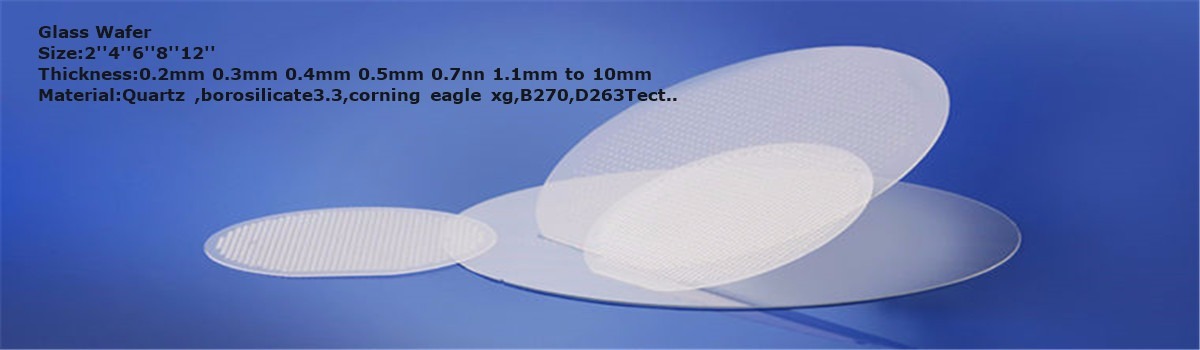
Our product and processing experience covers Eagle XG, high borosilicate glass, transparent ceramic glass, semiconductor wafers, biochips, film and television lighting glass, measuring instrument worktable glass, optical communication V-groove glass, PLC substrate glass, optical coating glass, LED filament glass, stage lighting color lenses, 0.15 mm and 0.2 mm ultra-thin screen protector glass, and custom back-painted LED panel covers. This breadth helps us recommend the right substrate rather than forcing every application into one material.
Send your drawing, application, glass thickness, ink color and annual quantity to our engineering team. Fevry Glass Co., Ltd. normally replies within 4 hours with a manufacturability review and next-step quotation plan.