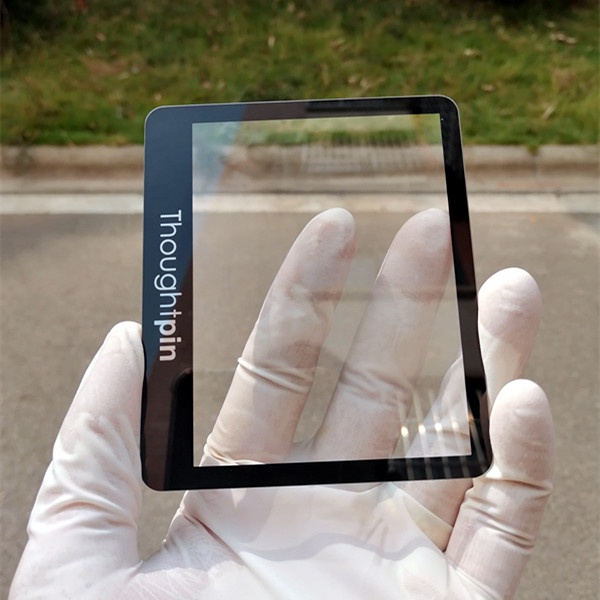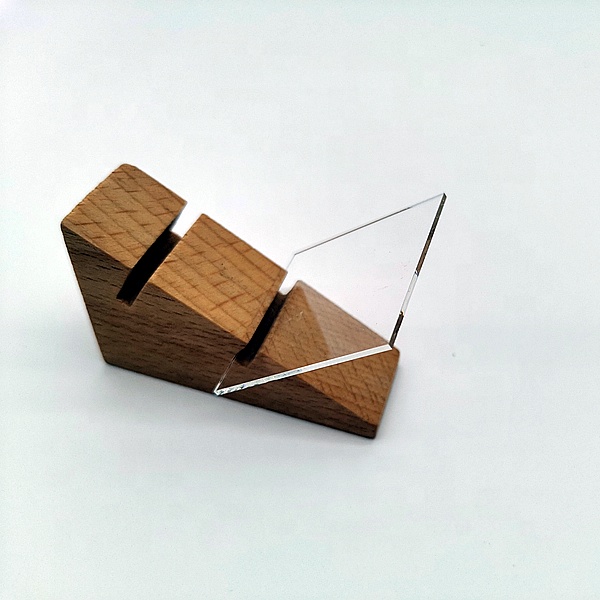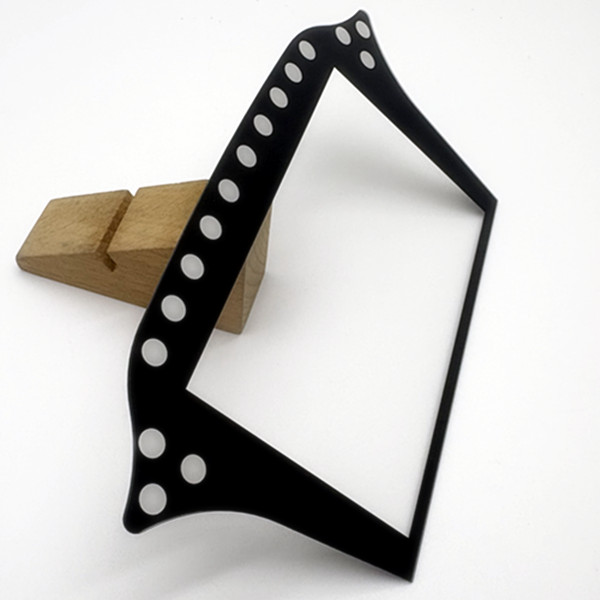
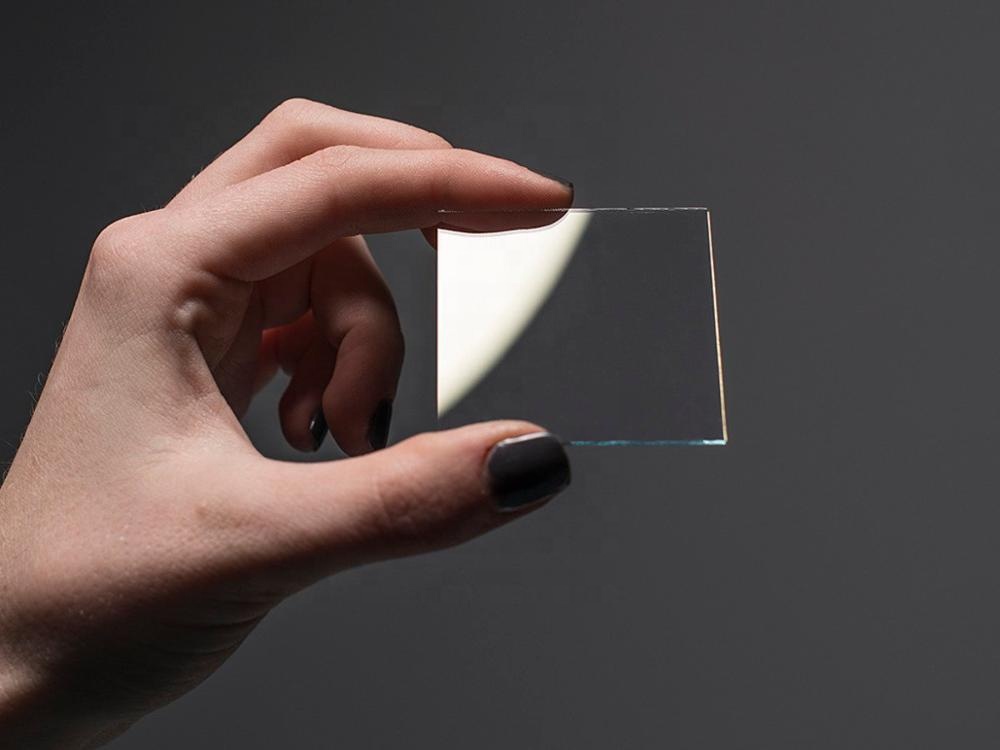
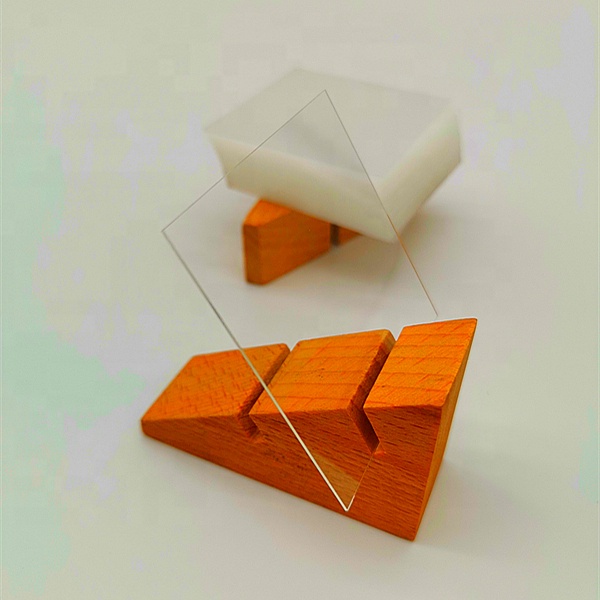
Custom 0.2mm 0.3mm 0.4mm 0.5mm 0.7 mm 1mm Thickness BOROFLOAT 33 Borosilicate Glass Sheet

Product Description

Introduction

A particularly low coefficient of thermal expansion is what makes BOROFLOAT glass remarkably resistant to high temperature levels. Our borosilicate glass is proven to stand up to high and fluctuating temperatures typical of applications such as high-performance lamps, cinema projectors and inspection panels for chemical reactors.

Even in applications that require rapid cooling down from higher temperatures, BOROFLOAT glass easily passes the test—for example, the temperature difference between a hot panel center and a cold panel edge.

Outstanding Thermal Resistance

  • Very good temperature stability
  • Excellent resistance to thermal shock
  • Can be thermally toughened
  • Can be thermally shaped (3D)

Glass Technical Parameters

Material
BOROFLOAT® 33, TEMPAX®
Thickness
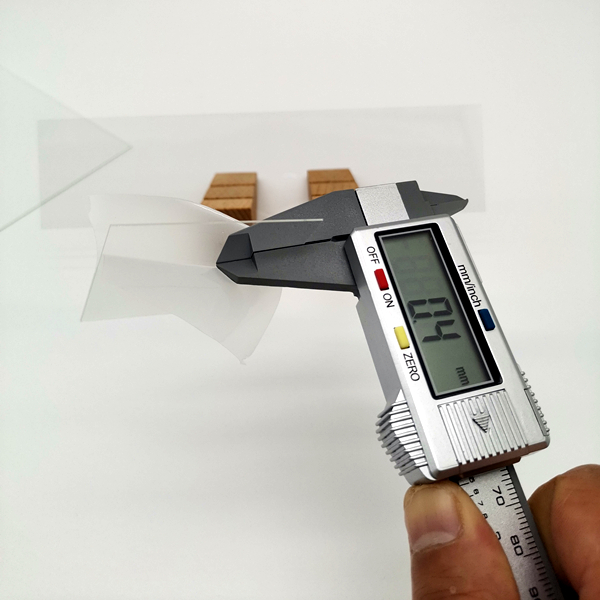
0.1 mm, 0.2 mm, 0.3 mm, 0.4 mm, 0.5 mm, 0.7 mm, 1.1 mm (Tolerances ± 0.02 mm)
Standard Size
Customized
MIL
60/40
Roughness (Ra)
Less than 1.5 nm
TTV
Less than 0.01 mm
Chamfer
C0.05–0.2 mm

Thermal Properties

Thermal properties
Coefficient of Linear Thermal Expansion (C.T.E.) α (20 - 300 °C) 3.25 × 10⁻⁶ K-1 *
Specific heat capacity cp (20 - 100 °C) 0.83 kJ/(kg·K)-1
Thermal conductivity λ (90 °C) 1.2 W/(m·K)-1
* According to ISO 7991.

Maximum Operating Temperatures

Maximum operating temperatures
For short-term usage (< 10 h) 500 °C
For long-term usage (≥ 10 h) 450 °C

Viscosity of BOROFLOAT® 33

Viscosity of BOROFLOAT® 33
Working Point (104 dPas) 1270 °C
LITTLETON temperature / Softening Point (107.6 dPas) 820 °C
Annealing Point (1013 dPas) 560 °C
Strain Point (1014.5 dPas) 518 °C
Transformation temperature (Tg) 525 °C

FAQ

What makes BOROFLOAT glass resistant to high temperatures?
It has a particularly low coefficient of thermal expansion, which helps it resist high and fluctuating temperatures.
What are the maximum operating temperatures of BOROFLOAT glass?
The maximum operating temperature is 500 °C for short-term usage (< 10 h) and 450 °C for long-term usage (≥ 10 h).
Which thicknesses are available?
Available thicknesses include 0.1 mm, 0.2 mm, 0.3 mm, 0.4 mm, 0.5 mm, 0.7 mm and 1.1 mm, with tolerances of ± 0.02 mm.
Can BOROFLOAT glass be thermally toughened or shaped?
Yes. It can be thermally toughened and thermally shaped (3D).
What applications are mentioned for BOROFLOAT glass?
High-performance lamps, cinema projectors and inspection panels for chemical reactors, as well as applications that require rapid cooling from higher temperatures.
What are the key thermal properties listed?
The listed properties include a C.T.E. of 3.25 × 10⁻⁶ K-1 (20–300 °C), a specific heat capacity of 0.83 kJ/(kg·K)-1 (20–100 °C), and a thermal conductivity of 1.2 W/(m·K)-1 (90 °C).

Related Products