Core Product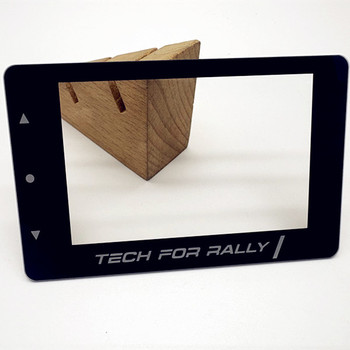
LCD Display Cover
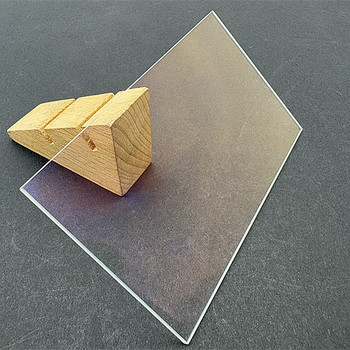
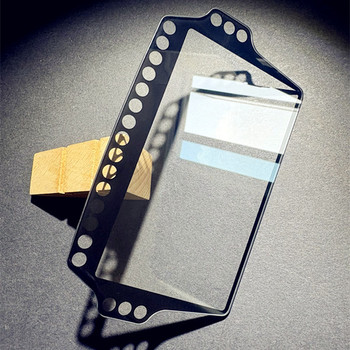
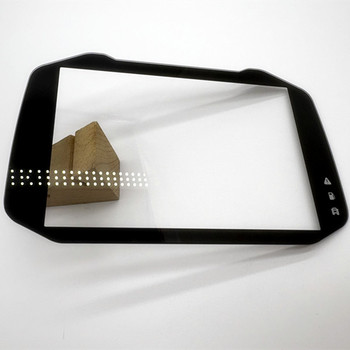
Custom Tempered Glass Silk Printed AR Coating Gorilla Glass LCD Protection Display
Gorilla-typeSilk printAR coating
View Details
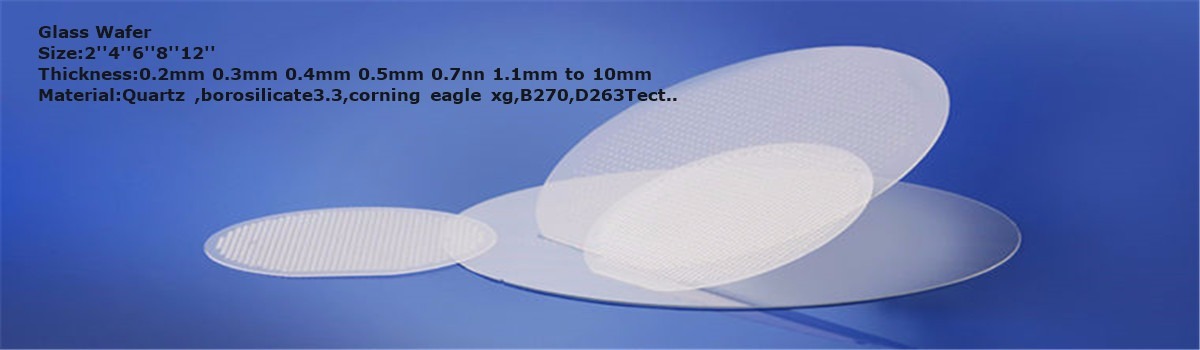
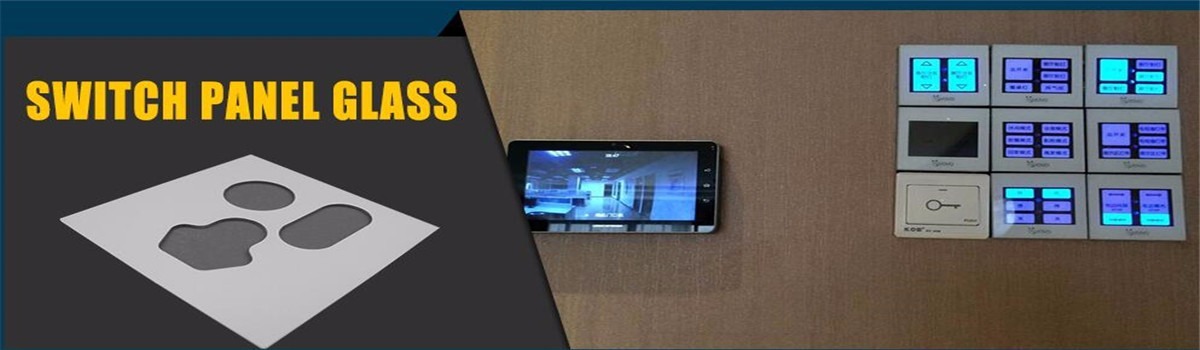
It is not simply a sheet of glass. It is a finished protective and optical component engineered around the display, the enclosure, the user interface and the environment in which the product will operate.
For global procurement teams, the phrase “custom tempered glass silk printed AR coating Gorilla glass LCD screen protection display” describes an integrated cover-glass stack. The substrate may be Gorilla-type alkali-aluminosilicate glass, ultra-clear soda-lime glass or another strengthened material. The part is cut to the drawing, drilled or notched where required, edge-finished, silk-screen printed with borders or logos, coated with an anti-reflective AR layer on one or both sides, and strengthened so it can protect the LCD during handling, installation and daily use.
The buying decision is therefore both commercial and technical. A display cover that looks correct in a photograph may still fail in the field if the print opacity is inconsistent, the AR coating is on the wrong face, the edge finish introduces stress points, or the glass thickness is incompatible with the enclosure and touch stack. This guide is written for buyers who need information gain, not another generic product description: clear specification logic, procurement trends, quality checkpoints and questions that global buyers commonly ask AI tools when comparing suppliers.
Prepared by: Fevry Glass Co., Ltd. engineering and export team. Reviewed for: display cover glass, silk printing, anti-reflective coating and strengthened glass processing. Updated for: 2026 sourcing cycles.
Thermal tempering is common for thicker panels, while chemical strengthening by ion exchange is preferred for thin cover glass from about 0.15 mm to 2 mm. The correct choice depends on thickness, impact requirement, edge geometry and flatness expectations.
Printing hides inactive borders, carries branding and can create dead-front windows, icons or selective IR-transparent areas. Buyers should provide vector artwork, Pantone references, print side, ink opacity and the acceptable registration tolerance.
Anti-reflective coating reduces surface reflection and improves contrast under bright ambient light. A one-sided or two-sided coating can be specified depending on the optical stack, lamination, bonding and target reflectance.
Gorilla-type glass is selected for scratch resistance and damage tolerance. Depending on the application, ultra-clear tempered glass, borosilicate or other specialty substrates may offer a better balance of cost, optical clarity and environmental durability.
| Design Choice | Common Option | What Buyers Should Confirm |
|---|---|---|
| Substrate | Gorilla-type glass, ultra-clear soda-lime, chemically strengthened glass | Material grade, thickness, transmission, availability and compatibility with printing and coating |
| Strength | Chemical strengthening for thin glass; thermal tempering for thicker panels | Impact target, edge finish, hole positions, flatness and whether post-strengthening machining is allowed |
| Black border, logo, icon window, dead-front effect, IR window | Pantone color, print side, opacity, registration tolerance, ink durability and curing requirements | |
| AR Coating | One-sided or double-sided anti-reflective coating | Target reflectance, coating side, surface haze, abrasion resistance, lamination compatibility and cleaning method |
| Finish & Packing | Flat, chamfered or pencil edge; interleaved export packing | Edge chip limit, cosmetic criteria, protective film, cleaning requirement and shipping protection |
Typical options are shown for preliminary project discussion. Final specifications must be confirmed against the drawing, approved sample and application requirements.
Choose by optical requirement, enclosure design and mechanical durability — then confirm print and coating details on the drawing.
Buyers are no longer asking only “what is the price per piece?” They are asking how to reduce total risk, compare material stacks and qualify a supplier who understands print, coating and glass strength together.
Procurement teams increasingly prefer one qualified source for cutting, strengthening, printing, AR coating and inspection. Multiple hand-offs increase tolerance stack-up, handling damage and communication risk. A finished-component supplier can control the sequence from raw sheet to packed cover glass.
AI-generated sourcing advice often reminds buyers to send complete drawings. Serious quotations now require DWG, DXF or PDF outlines, tolerances, thickness, material, edge finish, print colors, AR side and application. This reduces sample iterations and prevents quotations that are not comparable.
Cheap cover glass can become expensive if print color drifts, AR coating fails during cleaning, edges chip or packaging is inadequate. Global buyers are comparing yield, rework, field failure risk, sample cycle time and communication speed alongside the piece price.
Buyers serving Western Europe, the United States, Japan, South Korea, Taiwan, Hong Kong and Southeast Asia need suppliers with export packing experience and predictable documentation. Many projects now plan a primary supplier plus a qualified backup source for continuity.
Repeat orders depend on approved samples, stable material sources and agreed inspection criteria. Buyers increasingly request inspection records, packing standards, material identification and change control so that a second lot matches the first lot in color, transmission and dimensions.
| Buyer Question | What a Good Supplier Should Clarify | Information to Prepare |
|---|---|---|
| Can you make the exact shape and hole positions? | Manufacturability, tolerance and edge treatment | 2D drawing, tolerance notes, edge requirement, sample photo |
| Will the printed color match our design? | Pantone reference, ink opacity, print side and registration | Vector artwork, color target, acceptable tolerance, lighting condition |
| Is two-sided AR worth the cost? | Optical stack, reflectance target, lamination method and cleaning | Display structure, target reflectance, coating side and durability requirement |
| Can you support samples and repeat orders? | MOQ, sample approval, inspection criteria and packing | Annual volume, sample quantity, delivery schedule and packing requirement |
| How do we compare suppliers fairly? | Same drawing, same material, same finish and same acceptance criteria | Complete RFQ package with drawing, artwork, coating and inspection specification |
A complete RFQ creates information gain on both sides: the buyer receives comparable quotations, and the supplier can recommend the right process rather than guessing.
Thinner devices, brighter environments and more integrated industrial design are pushing cover glass toward higher optical performance and tighter process integration.
Chemical strengthening allows 0.15 mm to 1.1 mm glass to deliver higher strength while keeping optical clarity and low weight.
Optical coatings are moving beyond a single AR layer toward multifunctional surfaces that resist fingerprints, glare and cleaning wear.
Dead-front effects, hidden indicators, selective window printing and fine icon details are becoming part of brand differentiation.
Automotive HMI, industrial control and smart-home panels increasingly use wider formats, cut-outs and non-rectangular outlines.
Buyers are defining transmission, haze, reflectance and print appearance before mass production instead of sorting defects at incoming inspection.
Thin glass remains sensitive to edge impact and surface contamination, so protective film, interleaving and export packing are part of product quality.
Good sourcing starts before the quotation. The clearer the specification, the faster the sample approval and the more stable the repeat order.
Confirm glass thickness, AR side, target reflectance, lamination or bonding, aperture design and display brightness.
Provide outline size, corner radii, holes, notches, edge finish, flatness and the surfaces that must remain clear.
Submit vector artwork, Pantone references, print side, opacity, icon windows and acceptable registration tolerance.
Check fit, appearance, color, transmission, coating side, touch feel and packing before releasing mass production.
Agree dimension, cosmetic, print and coating acceptance criteria so every lot is judged against the same standard.
For demanding projects, include a sample photo or golden sample with the drawing. This is especially useful for print color, dead-front appearance and edge finish, where words alone can leave room for interpretation. Fevry Glass Co., Ltd. reviews the drawing and sample requirement together before confirming the process route.
Inquire Now


Fevry Glass Co., Ltd. is a professional high-tech glass material enterprise based in Xinyu, Jiangxi, China. With years of experience and knowledge in optical systems, biological, semiconductor, communications, lighting, electronics and other scientific industries, the team offers practical production-design and processing solutions for customers around the world.
The company sources raw glass from Corning, AGC and other multinational material producers and maintains close cooperative relationships with well-known domestic optical-glass manufacturers. This helps keep supply traceable and supports consistent material selection for demanding projects. Over the years, Fevry Glass Co., Ltd. has developed a professional technical team and uses imported laser, ultrasonic, carving, grinding and inspection equipment from the USA, Germany and Japan.
Product experience includes Eagle XG, high borosilicate glass, transparent ceramic glass, semiconductor wafers, biological chips, film and television lighting glass, measuring-instrument worktable glass, optical communication V-groove glass, PLC substrate glass, optical coating glass, LED filament glass, stage lighting color lenses and ultra-thin screen-protector glass. These capabilities are directly relevant to custom tempered glass with silk printing, AR coating and Gorilla-type substrates for LCD screen protection displays.
Fevry Glass Co., Ltd. follows the business idea “Your Success, Our Glory.” For this product family, that means helping buyers choose the right substrate, printing method, coating configuration and packing solution rather than simply quoting a piece price. The aim is to support stable production, smooth sample approval and repeat orders that meet the same visual and dimensional standard.
These answers are written for procurement, engineering and product teams comparing custom tempered glass with silk printing and AR coating for LCD protection displays.
It means a display cover glass that combines four functions: a strengthened glass substrate, a silk-screen printed graphic layer, an anti-reflective AR coating and, when specified, Gorilla-type alkali-aluminosilicate glass. The finished part is cut and processed to the drawing, then used to protect an LCD while improving readability, scratch resistance and visual integration.
For many small and medium LCD, HMI and instrument covers, 0.5 mm to 1.1 mm is common. Larger panels often use 1.1 mm to 2 mm when more rigidity is needed. The final thickness should be confirmed against the enclosure, touch stack, drop or impact requirement, print process and coating process. Thicker glass is not automatically better if the housing or optical stack is not designed for it.
Double-sided AR coating is usually selected when the display must achieve the lowest surface reflection and best readability under strong ambient light. One-sided AR coating may be suitable when the rear surface is laminated, bonded or covered by another optical layer. The correct decision depends on the optical stack, reflectance target, lamination method and cleaning environment.
Yes. Silk-screen printing can add borders, logos, icons, hidden-window effects and selective ink areas. Colors can be matched to Pantone references, and IR-transparent or low-density inks can be used for sensor and infrared windows. Buyers should provide vector artwork, print side, opacity, color references and the acceptable registration tolerance.
Gorilla-type glass is often chosen for scratch resistance and damage tolerance, but it is not the only option. Ultra-clear tempered glass or chemically strengthened glass may be a better fit for some displays, depending on impact requirements, optical clarity, cost target and available thickness. Fevry Glass Co., Ltd. can review the application and recommend a practical material route.
Fevry Glass Co., Ltd. reviews the drawing and approved sample before production, then checks dimensions, thickness, edge condition, printing appearance, coating appearance and visible defects. Depending on the project, inspection may include flatness, hole position, print registration and packing checks. The acceptance criteria should be agreed before mass production so that both sides inspect against the same standard.
For this display cover-glass family, many custom items start around 300 to 500 pieces, with the exact MOQ depending on size, material, print colors, AR coating and strengthening. Samples can normally be arranged so buyers can validate fit, print color, coating appearance and packing before mass production.
Send a 2D drawing in DWG, DXF or PDF with outline dimensions and tolerances, thickness, glass material, edge finish, hole and notch positions, strengthening method, print colors or Pantone references, AR coating side or sides, application, annual volume and packing requirements to info@fevryglass.com. If you already have a golden sample or reference photo, include it with the inquiry.
Share the drawing, print artwork, AR requirement and annual volume. Our engineering and export team will review the specification and respond with a practical next step.