8 Precision Glass & Quartz Wafer Products for Charlotte Buyers
Use this shortlist to compare materials, applications and custom options. Every product below links to the existing Fevry Glass product page. For a true fused silica or quartz wafer requirement, send your drawing, thickness, tolerance, coating and annual volume for an engineering review.
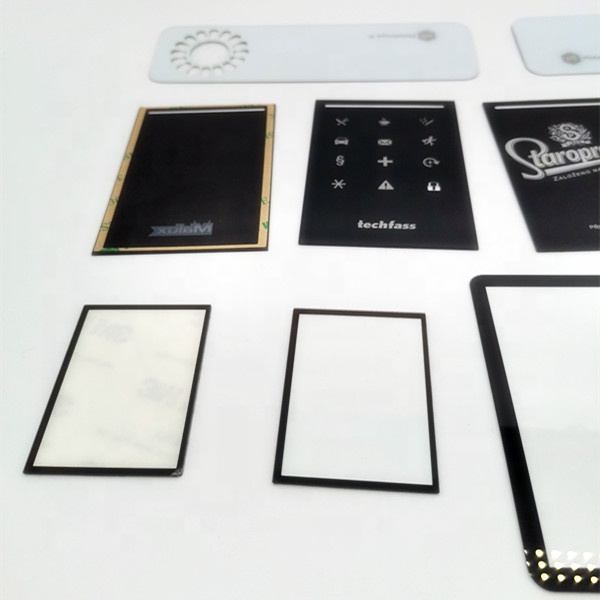
Custom Corning Gorilla Tempered Glass Silk Screen Printing for Touch Screen
Recommended for HMI touch panels, kiosk interfaces, medical displays and industrial control screens used across Charlotte’s technology, healthcare and manufacturing sectors.
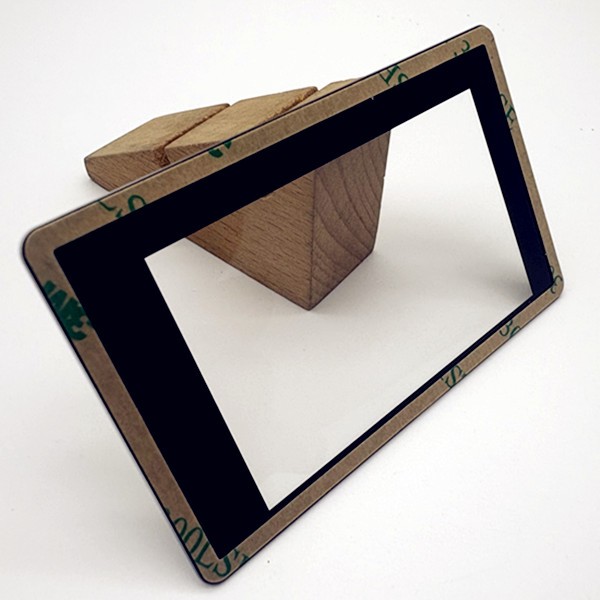
Custom Tempered Glass Dashboard Trim Panel Flat Electronic Glass Screen Protector
Suitable for automotive clusters, EV center consoles and motorsport-adjacent electronics where printed black borders, flatness and glare control matter.
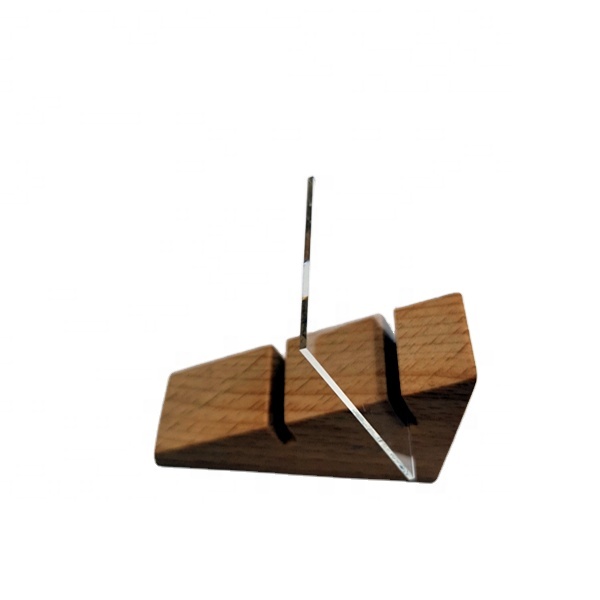
Custom 0.2mm 0.3mm 0.4mm 0.5mm 0.7 mm 1mm Thickness BOROFLOAT 33 Borosilicate Glass Sheet
A practical choice for heat-resistant windows, optical filters, sensor covers and laboratory fixtures that need low thermal expansion without the cost of fused silica.

Factory Customization Dichroic Glass Gobo Glass
Color-effect glass for event production, architectural lighting, worship spaces, theatres and touring shows around Charlotte and the wider Southeast.

Custom Black Border Tempered Glass Panels Silk Screen Print Tempered Glass
A clean, durable cover-glass option for appliance interfaces, electronic displays, industrial control panels and architectural control plates.

Custom 0.3mm 0.5mm 0.7mm Heat Resistant Gobo Glass Blanks for Projector
Designed for projector gobos and high-power fixtures where heat resistance, dimensional stability and repeatable optical performance are essential.
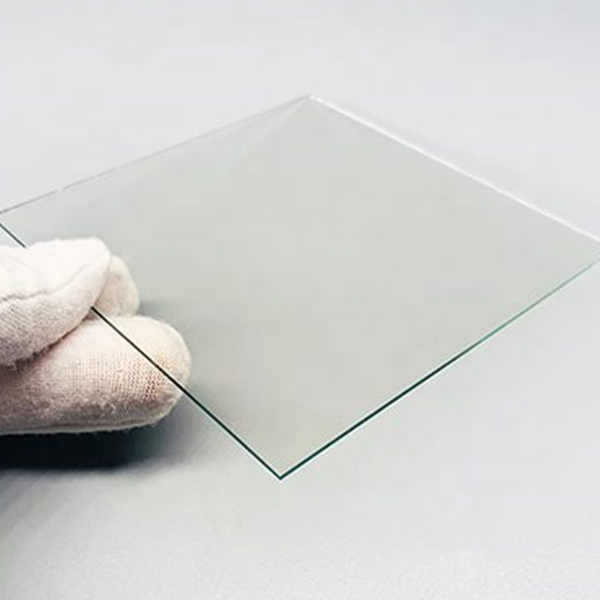
Ito Conducting Glass, Ito Coated Glass, Ito Glass
For touch sensors, transparent electrodes, EMI shielding and custom electrical glass components where both conductivity and optical transmission are required.
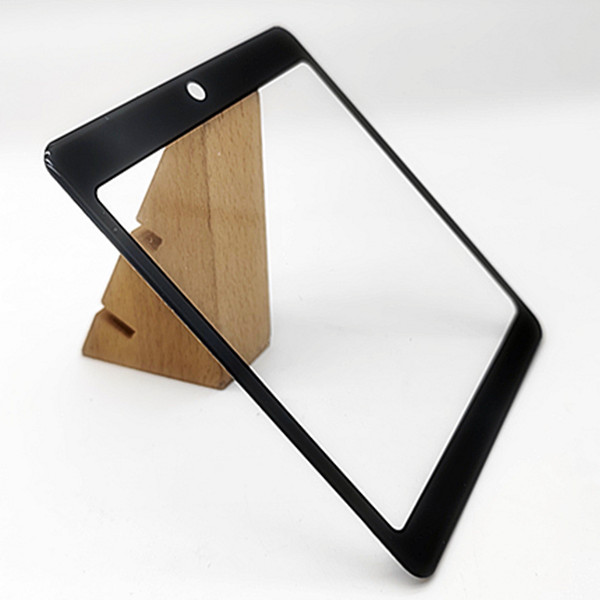
Ultra Clear Gorilla Glass Panel with Silk Screen Printing for Electronic Device
For premium smart-home interfaces, display windows, instrument covers and electronic-device covers that need clarity, scratch resistance and clean printed details.
Why Charlotte Is a Growing Market for Quartz Wafers & Precision Glass
Charlotte is no longer only a banking and logistics center. The metro area and the wider Piedmont corridor are building a deeper advanced-manufacturing, life-science, energy and photonics base—creating new demand for engineered wafers, optical substrates and custom cover glass.
For procurement teams sourcing from China into Charlotte, the relevant question is not simply “who can cut glass?” It is whether the supplier can control material traceability, flatness, edge quality, coating uniformity, print cosmetics and export packing in one production flow. That total chain matters more for quartz wafers, optical substrates and thin cover glass than for conventional flat glass, because a small edge chip or coating defect can cause downstream yield loss.
Fevry Glass serves this requirement from Xinyu, Jiangxi, China, with a product philosophy built around custom processing to drawing. Our team sources raw glass from Corning, AGC and established Chinese optical-glass makers such as Chengdu Guangming and Xinhuguang, then processes it on laser, ultrasonic, CNC carving, grinding and inspection equipment imported from the USA, Germany and Japan. For Charlotte buyers, that means one supplier relationship can cover material selection, sampling, production, inspection and export-ready packing.
Reshoring & Supply Resilience
US buyers are reducing single-region risk while keeping Asia cost advantages. Charlotte importers increasingly ask for documented material, repeatable QC and dual shipping options rather than price alone.
EV, Motorsport & Advanced Manufacturing
Charlotte’s automotive engineering, motorsport support and EV supply chain need durable HMI cover glass, dashboard trims and optical components that survive heat, glare and daily contact.
Life Sciences & Medical Devices
Hospitals, research groups and device makers in the Charlotte region require flat, stable substrates for diagnostics, analyzer filters, biochips and instrument windows.
Energy, Data & Smart Buildings
Data infrastructure, energy facilities and smart-building controls create demand for display windows, sensor covers, conductive glass and heat-resistant optical parts.
Where Quartz Wafers & Precision Glass Perform in the Charlotte Market
From the I-85 manufacturing corridor to Uptown technology offices and event venues, engineered glass must match the operating environment—not merely the drawing dimensions.
Automotive & EV Interface Glass
Dashboard trim panels, AR-coated display covers and printed black borders for consoles and clusters. Heat resistance, optical clarity and scratch resistance are key for vehicles tested in Carolina summer conditions.
Medical, Biotech & Laboratory
Eagle XG and borosilicate substrates for biochips, analyzer filters, microscope windows and instrument slides. Alkali-free compositions and flat surfaces support micro-patterning and bonding.
Optical Communication & Photonics
Glass wafers, PLC substrate glass and V-groove substrates for optical modules. Flatness, dimensional stability and clean edges matter more than visual appearance alone.
Stage, LED & Architectural Lighting
Gobo blanks, dichroic color glass and heat-resistant lighting windows for venues, tours, worship spaces and architectural installations. Borosilicate 3.3 is often the cost-effective heat-shock solution.
Smart Home & Appliance Cover Glass
Ultra-clear Gorilla glass, silk-printed borders and AR-coated panels for touch controls, appliance windows and connected-device interfaces in residential and hospitality projects.
Semiconductor & Inspection Equipment
Glass wafers, ITO conducting glass and stable worktable glass for metrology, packaging carriers and inspection systems where flatness and cleanliness are process-critical.
Fused Silica, Borosilicate 3.3, Eagle XG or Strengthened Glass?
Choosing the right substrate early prevents expensive over-specification or field failures. The table below provides typical selection values; final specifications must be confirmed against the manufacturer datasheet and your drawing.
| Material | Typical CTE | Common Thickness | Best Charlotte Use Case | Procurement Note |
|---|---|---|---|---|
| Fused silica / quartz glass | ≈0.5–0.6 ×10⁻⁶/K | 0.1–3 mm | UV optics, high-power laser windows, semiconductor and lab wafers | Specify grade, OH content, bubbles, flatness, TTV, edge quality and annealing. Do not confuse fused silica with crystalline quartz. |
| Borosilicate 3.3 | 3.3 ×10⁻⁶/K | 0.3–3.3 mm | Gobo blanks, heat-resistant windows, lighting covers, lab fixtures | Excellent thermal-shock resistance at lower cost than fused silica; ideal for visible-light and lighting applications. |
| Corning® Eagle XG | ≈3.2 ×10⁻⁶/K | 0.5–1.1 mm | Biochips, analyzer filters, display substrates, micro-optics | Alkali-free boro-aluminosilicate with fusion-formed flatness. Confirm cleaning and packaging requirements for sensitive surfaces. |
| Chemically strengthened / Gorilla® | Base-glass dependent | 0.15–2 mm | Touch covers, smart-home panels, display protection | Cut, drill, edge-grind and print before strengthening. Post-strengthening cutting is not possible without losing strength benefits. |
| ITO-coated glass | Base-glass dependent | 0.4–3 mm | Transparent electrodes, touch sensors, EMI shielding | Define sheet resistance, transmission, coating side, patterning and busbar requirements before sampling. |
Information gain note: for quartz wafer sourcing, ask whether the design truly needs fused silica. If the application mainly needs heat resistance in visible light, borosilicate 3.3 may deliver lower total cost. If the requirement is alkali-free flatness for biochips or displays, Eagle XG is often a better match than a generic soda-lime glass.
From Drawing Review to Export-Ready Wafers
A predictable four-stage path helps Charlotte procurement teams compare quotations, validate samples and protect production schedules.
Drawing & Application Review
Share DWG, DXF or PDF drawings with dimensions, tolerances, operating temperature, cleaning exposure and annual volume.
Material & Process Recommendation
Our engineers confirm whether fused silica, borosilicate, Eagle XG or strengthened glass is the rational choice for flatness, CTE, transmission and cost.
Sampling & First-Article Validation
Samples validate fit, edge quality, print color, coating appearance and optical performance before mass production begins.
Production, QC & Export Packing
Dimensional and visual checks are followed by interleaved, cushioned packing designed for fragile thin glass and wafer shipments.
Why Fevry Glass Is a Reliable China Quartz Wafer Supplier for Charlotte Buyers
Fevry Glass Co., Ltd. is a specialty glass company based in Xinyu, Jiangxi, China. We support optical, biological, semiconductor, communications, lighting and electronics customers with custom processing and drawing-based production.
Our raw material network includes Corning, AGC and established Chinese optical-glass makers such as Chengdu Guangming and Xinhuguang. This gives engineering teams a practical starting point for material selection—whether the project calls for Corning Eagle XG, borosilicate 3.3, ultra-clear strengthened glass, transparent ceramic glass, ITO-coated glass or optical filter glass. Our technicians process these materials using laser, ultrasonic, CNC carving, grinding and inspection equipment imported from the USA, Germany and Japan.
For Charlotte buyers, supplier reliability is about more than machining. It means clear engineering feedback, stable cosmetic standards, export-ready packing and documented quality. Fevry Glass has served global buyers for more than 10 years as an Alibaba.com member, maintains a 5.0/5 buyer rating, responds to inquiries in an average of four hours or less, and exports to Western Europe, the United States, Japan, South Korea, Taiwan, Hong Kong and Southeast Asia.
Our operating principle is “Quality is superior, service is supreme, reputation is first.” Our motto, “Your success, our glory,” reflects the way we approach custom projects: confirm the application first, recommend the right substrate, validate the sample, and then protect the ramp to production.
If your Charlotte team is evaluating a China quartz wafer manufacturer for fused silica wafers, borosilicate glass wafers, AR-coated cover glass or printed display panels, start with a drawing and a real application brief. We will help you separate essential specifications from cost-adding requirements.
Verified trust signals
Independent records buyers can review before committing to a custom production run.
A Practical Charlotte Buying Checklist for Custom Wafers & Glass
Send complete information in the first inquiry to reduce quotation cycles and avoid sample revisions.
2D Drawing & Tolerances
Provide outline dimensions, holes, notches, flatness, thickness tolerance and edge finish in DWG, DXF or PDF.
Application Environment
State whether the part sees heat, UV, outdoor exposure, cleaning chemicals, touch contact or high-voltage conditions.
Optical & Print Requirements
Specify AR coating sides, transmission target, reflectance limit, Pantone colors, ink opacity and window tolerances.
Quantity & Program Schedule
Share sample quantity, first-order volume and annual forecast so the supplier can recommend the right process and MOQ.
Compliance & Documents
Ask for material certificates, inspection reports and export documents. Confirm HTS classification and duty treatment with your customs broker.
Packing & Freight
For Charlotte delivery, confirm interleaving, protective film, foam, reinforced cartons, palletization and whether air or sea freight is preferred.
Quartz Wafer & Custom Glass Procurement Questions
Direct answers for engineers and purchasing managers comparing China suppliers for the Charlotte market.
Can Fevry Glass supply quartz wafers or glass wafers to Charlotte, North Carolina?
Yes. Fevry Glass regularly exports custom technical glass to the United States, including to buyers in the Charlotte region. We can review fused silica/quartz glass, borosilicate 3.3, Corning Eagle XG and other technical glass substrates to your drawing. For wafers, please define diameter or outline, thickness, flatness, surface quality, edge profile, coating and packaging requirements.
Are you a factory or a trading company?
Fevry Glass Co., Ltd. is a specialty glass company based in Xinyu, Jiangxi, China, with in-house processing capabilities and an established raw-material supply network. We combine material sourcing, cutting, grinding, strengthening, coating, printing, inspection and export packing coordination for custom projects. Our public Alibaba.com supplier records, ratings, transaction level and trade capacity are available for review.
Which material should I choose: fused silica, borosilicate 3.3 or Eagle XG?
Choose fused silica when you need very low thermal expansion, high UV transparency, high purity or excellent thermal-shock resistance. Choose borosilicate 3.3 for heat-resistant lighting windows, gobo blanks, laboratory fixtures and visible-light optics where cost control matters. Choose Corning Eagle XG for alkali-free flatness in biochips, analyzer filters, display substrates and micro-optics. If you are uncertain, send the operating conditions and drawing—our engineers will recommend a rational substrate rather than defaulting to the most expensive option.
What is the minimum order quantity for custom quartz or glass wafers?
MOQ depends on material, size, process and whether a sample is required. Most custom cover glass and AR glass items start around 300–500 pieces; some custom-cut Eagle XG parts start from 1,000 pieces; selected gobo glass blanks may start from 10 pieces. For wafers and high-spec optical parts, the MOQ is confirmed after drawing review so that yield and inspection costs are realistic.
What information do you need to quote a custom glass or quartz wafer project?
Please send a 2D drawing in DWG, DXF or PDF; outline dimensions and tolerances; thickness; material preference; edge finish; hole and notch positions; strengthening method; print colors with Pantone references; AR coating side or spectral target; end application; annual quantity; and any packaging or documentation requirements. Complete input lets us respond with a firmer recommendation in one round.
How are thin wafers and fragile glass parts packed for shipment to Charlotte?
Fragile glass is packed with interleaving layers, protective film or paper, foam cushioning and reinforced export cartons. For thin wafers and optically sensitive parts, cleaning, surface protection and slot-pack options can be discussed during quotation. The goal is to reduce edge chipping, surface scratches and breakage during air or sea freight to Charlotte and the wider Southeast.
Do you provide inspection reports, material certificates and export documents?
Yes. Depending on the project, we can provide inspection records for dimensions, appearance and agreed optical characteristics, plus commercial invoices, packing lists and relevant material documentation. For US import, the buyer and customs broker should confirm the correct HTS classification, duty treatment and any product-specific compliance requirements before shipment.
What is the typical lead time for Charlotte buyers?
Lead time depends on material, tooling, coating, printing and inspection requirements. Standard custom cover glass and technical glass parts often move through sample validation and production in weeks after drawing approval, while high-spec wafers and coated optics may require additional process review. For urgent Charlotte projects, ask about sample air freight and production scheduling at the quotation stage so the program can be planned realistically.
Have a Drawing? Let’s Engineer Your Quartz Wafer or Custom Glass.
Send your specifications—material, thickness, tolerances, coating, print and annual volume—and our team will review manufacturability for your Charlotte program.
Typical response within 4 hours. Export support to Charlotte, North Carolina and the wider United States.