Fevry Glass Co., Ltd. · Export-ready technical glass

Specialty Glass Manufacturers & Manufacturer Serving the Oklahoma City Market

Custom tempered, AR-coated, silk-printed, ITO, borosilicate and chemically strengthened glass — cut to drawing for Oklahoma City OEMs, instrument builders, lighting companies and research teams.

Send an Inquiry

Product recommendation

Eight specialty glass products for Oklahoma City engineering programs

These products cover the most common sourcing intentions behind searches for specialty glass manufacturers serving the Oklahoma City market: rugged touch interfaces, printed display covers, conductive layers, dashboard trim, heat-resistant borosilicate, ultra-thin strengthened glass, dichroic filters and custom silk-screen printed Gorilla glass.

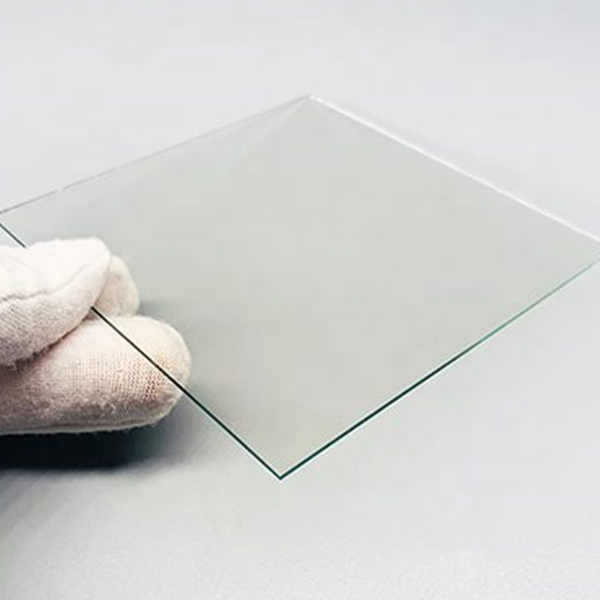
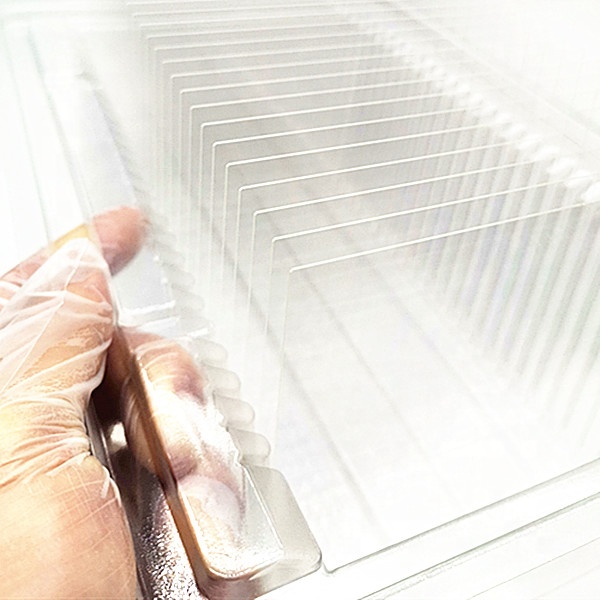
ITO conducting glass, ITO coated glass and ITO glass sheet Conductive glass

Ito Conducting Glass, Ito Coated Glass, Ito Glass

ITO-coated glass combines optical transparency with electrical conductivity. Common uses include capacitive touch sensors, EMI shielding, transparent heaters and instrument electrodes. Specify sheet resistance, coating side, transmission target and busbar layout before quoting.

ITO coatingConductiveCustom sheet resistance
View product
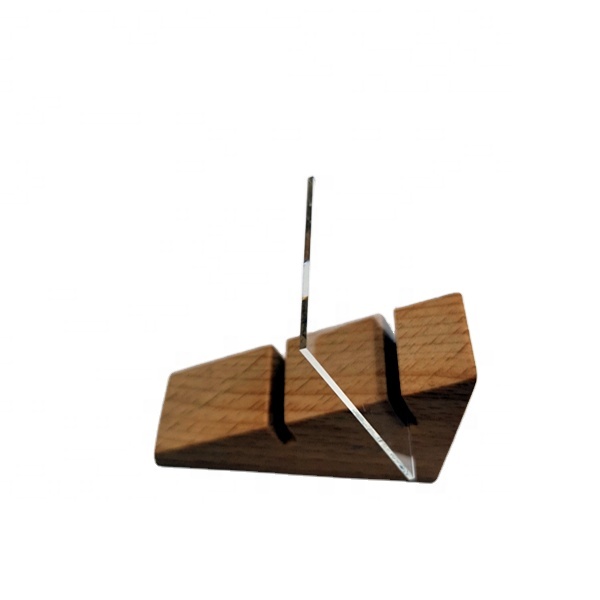
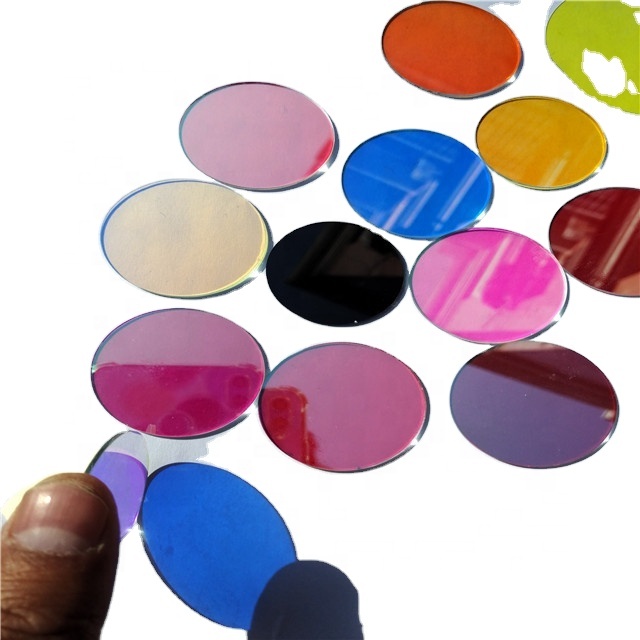
Heat resistant borosilicate 3.3 dichroic glass filter for stage lighting Dichroic filter

Heat Resistant Borosilicate 3.3 Dichroic Glass Filter

A borosilicate 3.3 substrate with a dichroic coating for color separation, reflection and heat control in stage and architectural lighting. Oklahoma City event venues, rental houses and lighting OEMs use dichroic filters where color stability and thermal shock resistance cannot be compromised.

Borosilicate 3.3Dichroic coatingLighting grade
View product
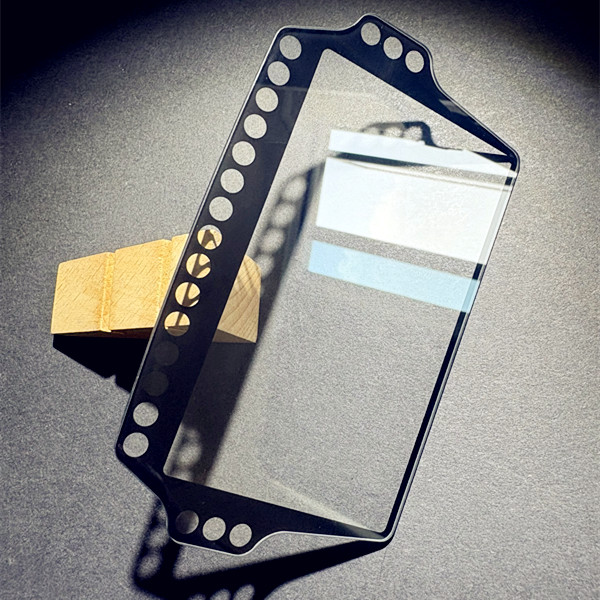
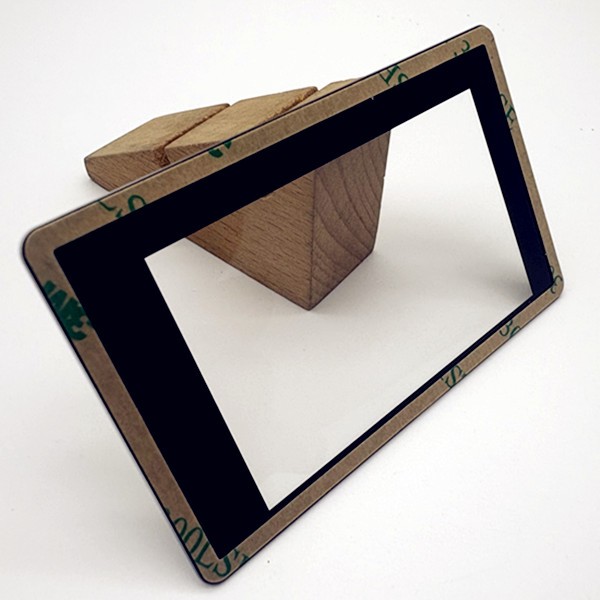
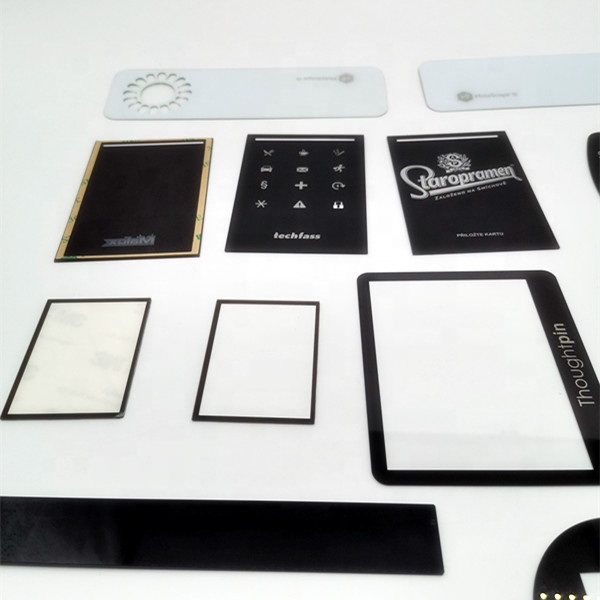
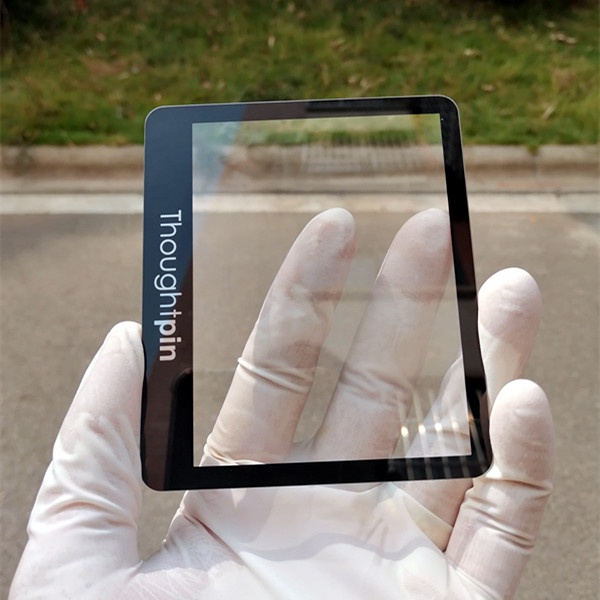
Custom display screen silk screen printing tempered Gorilla glass Display cover

Custom Display Screen Silk Screen Printing Tempered Gorilla Glass

Custom silk-screen printed Gorilla glass covers add durable branding, icon windows and hidden-until-lit graphics to displays. Multiple print passes, IR windows and selective texturing can be combined before strengthening when the process sequence allows, giving Oklahoma City product teams a finished front panel rather than a bare sheet.

Gorilla® glassMulti-color printDisplay grade
View product

Corning®, Gorilla® and Eagle XG® are trademarks of Corning Incorporated. BOROFLOAT® is a trademark of SCHOTT AG. Names are used for material identification only.

10+Years as Alibaba.com member
≤4hAverage response time
100%Inquiry response rate
5.0/5Buyer rating
7+Export regions served
Buyer intelligence

What Oklahoma City buyers should know before comparing specialty glass manufacturers

When an Oklahoma City engineering team searches for specialty glass manufacturers, the intent is usually more specific than “glass supplier.” The real question is whether a manufacturer can translate a drawing into a repeatable, export-ready component with the right substrate, edge finish, strengthening method, coating, print and packing.

Oklahoma City is not a single-industry market. Its technical buying centers include energy and oilfield instrumentation, aerospace MRO and defense support, biomedical research, logistics and warehouse automation, event production, LED lighting and specialty vehicle conversion. Those sectors rarely share the same glass specification, so a supplier list alone does not answer the engineering question.

A true manufacturer controls cutting, CNC shaping, drilling, edge grinding, thermal tempering or chemical strengthening, AR and dichroic coating, silk-screen printing and final inspection. A distributor may be useful for standard stock, but custom front panels, heat-resistant windows and printed display covers usually require direct process control. That is the difference between a price quote and a manufacturable drawing review.

Information gain for procurement teams: ask for the process route, not only the material grade. Glass that is cut after tempering, printed before an incompatible coating step, or packed without interleaving can fail even when the datasheet looks correct.

01

Engineering intent

“Can you make this drawing?” Send a 2D drawing with outline, holes, notches, edge finish, thickness, tolerance and material. The answer should confirm manufacturability before price.

02

Procurement intent

“What is the MOQ, sample lead time, production lead time and packed cost to Oklahoma City?” A useful quote separates sample cost, tooling or print setup, and freight assumptions.

03

Performance intent

“Will it survive heat, glare, impact or cleaning chemicals?” Match borosilicate 3.3 to thermal shock, AR coating to glare and transmission, and strengthened thin glass to impact and weight.

04

Localization intent

“Who can serve Oklahoma City reliably?” Look for English-speaking technical review, export packing for thin glass, documented inspection, and a shipping plan through US ports to Oklahoma.
Localized applications

Where specialty glass is used in and around Oklahoma City

Oklahoma City buyers often need small-to-mid volume custom parts rather than architectural glazing. These application scenarios show how the eight products above fit real local engineering and procurement programs.

Energy and field instrumentation

Pressure gauges, meter displays, analyzer windows and control panels in oilfield service equipment benefit from borosilicate glass, AR-coated windows and printed touch glass that tolerate heat, dust and repeated cleaning.

Aerospace MRO and defense support

Oklahoma City’s aerospace MRO ecosystem needs durable display covers, inspection windows, EMI shielding glass and replacement front panels. ITO glass, printed Gorilla glass and tempered cover plates are common review items.

Biomedical and diagnostics

Research and diagnostic teams in the Oklahoma City area often require flat, stable substrates for analyzer windows, biochip carriers and optical inspection. Eagle XG, borosilicate and custom-cut thin glass can be reviewed alongside coating and cleaning requirements.

Stage, venue and LED lighting

Event venues, rental houses, churches and lighting OEMs use dichroic glass filters, gobo blanks and heat-resistant borosilicate covers. Thermal shock resistance and color consistency matter more than ordinary window-glass specifications.

Logistics, HMI and outdoor displays

Warehouse automation, logistics terminals and outdoor kiosks need scratch-resistant printed covers and AR-coated windows. Readability under Oklahoma sun and glare is a specification issue, not only a cosmetic preference.

Specialty vehicle and EV conversion

Oklahoma service fleets, agricultural equipment and EV conversion shops use tempered dashboard trim, ultra-thin strengthened covers and printed dead-front glass for controls that must survive heat, vibration and daily washdown.

Localized trends

These trends reflect what OEM buyers, fabricators and research teams are asking for when they compare specialty glass manufacturers & manufacturer serving the Oklahoma City market.

Data-backed material selection

Material selection guide for Oklahoma City glass projects

Use this comparison as a first-pass filter, then confirm the final datasheet, coating stack, print sequence and tolerance against your drawing.

Material Typical thickness CTE (×10⁻⁶/K) Best-fit Oklahoma City use
Ultra-clear soda-lime0.5–4 mm≈9.0Printed HMI covers, AR display windows, general cover glass
Gorilla® alkali-aluminosilicate0.4–2 mm≈7.5–8.5Scratch-resistant touch covers, handheld instruments, medical displays
Borosilicate 3.3 / BOROFLOAT® 330.2–3.3 mm3.3Heat-resistant lighting covers, sensor windows, laboratory inspection glass
Corning® Eagle XG®0.5–1.1 mm≈3.2Biochips, analyzer filters, PLC substrates and micro-optics
Chemically strengthened thin glass0.15–2 mmBase-glass dependentUltra-thin protectors, sensor windows, EV and smart-home displays
ITO-coated glass0.4–2 mmBase-glass dependentTouch sensors, EMI shielding, transparent heaters and electrodes

Relative design guidance

Thermal shock resistanceBorosilicate 3.3
Scratch resistanceGorilla® glass
Optical clarityUltra-clear + AR
Weight savingChemically strengthened

Bars are relative design guidance for early material discussions, not guaranteed specifications. Final performance depends on thickness, edge quality, coating, print coverage, mounting and environmental conditions.

Company advantages

Why Oklahoma City buyers work with Fevry Glass

Fevry Glass Co., Ltd. is a specialty glass manufacturer based in Xinyu, Jiangxi, China, serving OEM buyers who need precise processing, responsive communication and export-ready packing.

One accountable supplier from raw sheet to finished part

We source raw glass from Corning, AGC and established Chinese optical-glass producers such as Chengdu Guangming and Xinhuguang, then process it on laser, ultrasonic, CNC carving, grinding and inspection equipment imported from the USA, Germany and Japan. This lets us support projects that combine custom outline cutting, edge finishing, strengthening, coating, printing and final inspection.

For Oklahoma City buyers, the practical value is fewer hand-offs. Instead of coordinating a cutter, a tempering shop, a printer and a coater separately, you can send one drawing and receive one manufacturing plan with a clear process sequence. Our team reviews print colors, AR coating sides, edge finish and packing before production begins.

Our guiding principle — “Quality is superior, service is supreme, reputation is first” — and our motto “Your success, our glory” shape the way we quote, sample and ship custom glass.

  • 10+ years as an Alibaba.com member
  • ≤4-hour average response time
  • 100% inquiry response rate
  • 5.0 / 5 buyer rating
  • 7+ export regions served
  • Export packing for fragile thin glass
Fevry Glass precision glass processing workshop

Company profile at a glance

  • Custom tempered, AR-coated, printed, borosilicate and Eagle XG glass
  • Thickness range from 0.15 mm to 4 mm, depending on material
  • Laser, CNC, ultrasonic, drilling and edge grinding
  • Thermal tempering and chemical strengthening
  • AR, dichroic and optical coating coordination
  • Silk-screen printing and back painting
  • Export markets include the United States, Western Europe, Japan, South Korea, Taiwan, Hong Kong and Southeast Asia

Laser, CNC and ultrasonic machining

Custom outlines, holes, notches, slots and edge profiles with drawing-based tolerances.

Thermal and chemical strengthening

Thermal tempering for thicker panels; ion exchange for 0.15–2 mm thin glass.

AR, dichroic and optical coatings

Anti-reflective coating on one or both sides; dichroic and filter coatings for lighting and optics.

Silk-screen printing and back painting

Pantone-matched borders, logos, icon windows and IR-transparent ink areas.

Dimensional and optical inspection

Size, thickness, flatness and visual defect checks before export packing.

How we work

A clear four-step path from drawing to Oklahoma City delivery

Designed for procurement teams that need predictable communication, sample approval and export documentation.

Share your drawing

Send a 2D drawing in DWG, DXF or PDF with dimensions, tolerances, material, thickness, edge finish, print colors and coating sides.

Engineering review

We confirm manufacturability, recommend the substrate and process sequence, and clarify MOQ, sample timing and shipping assumptions.

Sample and production

Samples validate fit, print registration and optical appearance. Mass production follows with in-line dimensional and visual checks.

Export packing

Interleaved, cushioned packing for fragile thin glass, with commercial invoice, packing list and inspection records prepared for export.

Local procurement FAQ

Frequently asked questions from Oklahoma City glass buyers

These are the questions we most often receive from US OEMs, fabricators and research teams comparing specialty glass manufacturers for Oklahoma City projects.

Can you ship custom specialty glass to Oklahoma City?

Yes. Fevry Glass regularly exports to the United States. For Oklahoma City deliveries, we can quote EXW, FOB, CIF or other terms supported by our freight partners. Samples usually move by air courier, while production orders commonly ship by sea to a US West Coast port and then continue by rail or truck to Oklahoma. Your customs broker should confirm HTS classification and duty treatment before the order is placed.

What is a typical lead time for an Oklahoma City order?

Timing depends on material, coating, printing and quantity. Sample lead times are often 7–12 days after drawing approval for many cover-glass items, while production may run 15–30 days. Ocean transit to the US West Coast plus inland transport to Oklahoma City can add several weeks. Urgent projects can be reviewed for air freight. Confirm current lead time on the quotation because coating and special material schedules vary.

Do you have a local distributor or showroom in Oklahoma City?

We do not operate a public showroom in Oklahoma City. We work directly with OEMs, product teams and qualified fabricators, and we can provide video inspection, samples and third-party inspection when required. If you prefer a local assembly or fabrication partner, our export team can review the drawing and discuss how our finished glass parts can integrate with your Oklahoma supply chain.

What information do you need to quote a custom glass part?

Please send a 2D drawing with outline dimensions and tolerances, thickness, glass material, edge finish, hole and notch positions, strengthening method, print colors with Pantone references, AR coating side or sides, application, annual quantity and target delivery date. If a drawing is not ready, a sketch with critical dimensions and a photo of the current part can still help our engineers review feasibility.

Should I choose thermally tempered or chemically strengthened glass?

Thermal tempering is generally best for glass around 3 mm and thicker. For ultra-thin cover glass from 0.15 mm to about 2 mm, chemical strengthening through ion exchange raises surface strength while keeping the sheet flat and optically clean. In both cases, cutting, drilling and edge grinding must be finished before strengthening because the glass cannot be re-cut afterwards without losing the strengthened layer.

When is borosilicate 3.3 a better choice than soda-lime glass?

Borosilicate 3.3 has a coefficient of thermal expansion of about 3.3 × 10⁻⁶/K, roughly one third that of soda-lime glass, so it resists thermal shock far better. It is preferred for lighting covers, heat-resistant windows, gobo blanks, laboratory glass and instrument windows. If your Oklahoma City project involves high heat, rapid temperature changes or chemical exposure, borosilicate should be reviewed early.

What is the minimum order quantity?

Most custom cover glass and AR glass items start from 300 to 500 pieces, custom-cut Eagle XG parts from around 1,000 pieces, and selected dichroic gobo glass from small trial quantities. Samples can be arranged to validate fit and optical performance before mass production. MOQ is confirmed after drawing review because print setup, coating runs and material yield affect the economic batch size.

How do you protect thin glass during export packing?

Thin glass is packed with interleaving, cushioned corners and rigid outer protection. The exact packing method depends on thickness, size, print and coating. For high-value or high-volume orders, we can provide packing photos before shipment and coordinate third-party inspection. Please tell us if your Oklahoma City warehouse has special receiving requirements, pallet limits or labeling rules.

Have a drawing? Let’s engineer your glass.

Send your specifications, annual quantity and Oklahoma City delivery requirements. Our engineering and export team will review the drawing and respond with a practical material and process recommendation.

Email: info@fevryglass.com