Optical Glass Lens Manufacturer & Factory Serving Detroit
Custom tempered, AR-coated, silk-screen printed, borosilicate 3.3, Gorilla® and Corning Eagle XG optical glass components for Detroit automotive, industrial, medical and lighting teams. Send a drawing; receive an engineering-led quotation.
8 Optical Glass Products Recommended for Detroit Buyers
Start with the interface, sensor window, display cover, or heat-resistant filter that matches your program. These eight products cover the most common Detroit sourcing routes: automotive HMI cover glass, anti-reflective windows, printed Gorilla® glass, borosilicate 3.3 sheets and custom-cut strengthened glass. All items are made to drawing, so the product page is the best place to confirm the route before sending your 2D file.
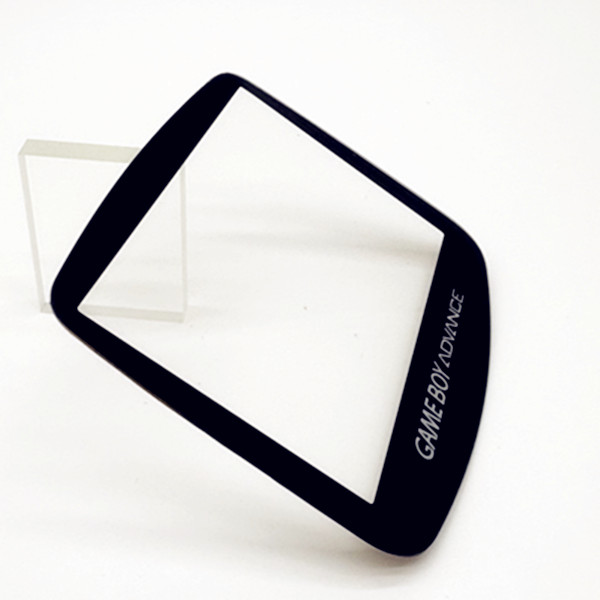
Custom Premium Gorilla Tempered Silk Screen Printed Glass Touch Screen Printed Glass Panels Cover Glass for OLED Screen
Detroit fit: automotive OLED displays, center-stack HMI and printed touch-interface cover glass.
View product details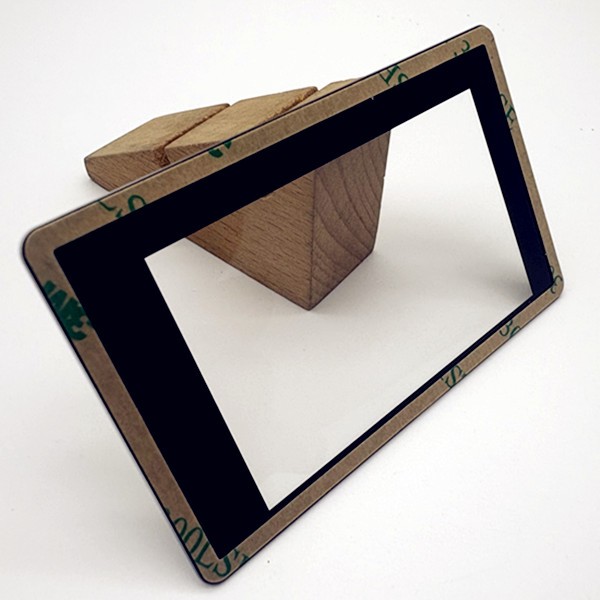
Custom Tempered Glass Dashboard Trim Panel Flat Electronic Glass Screen Protector
Detroit fit: instrument-cluster windows, dashboard trim panels and flat protected electronic controls.
View product details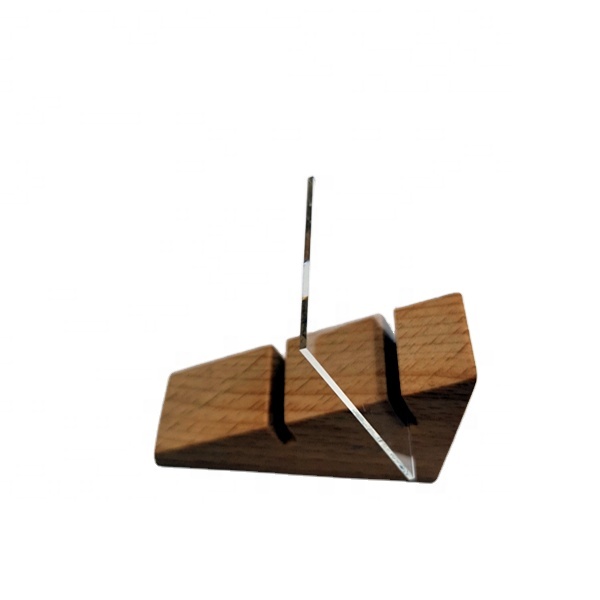
Custom 0.2mm 0.3mm 0.4mm 0.5mm 0.7 mm 1mm Thickness BOROFLOAT 33 Borosilicate Glass Sheet
Detroit fit: heat-resistant viewing windows, sensor protection and thin borosilicate parts for industrial equipment.
View product details
Customized Tempered Anti-Reflective Glass AR Coated Tempered Glass
Detroit fit: high-clarity windows for EV displays, inspection instruments, cameras and industrial automation.
View product details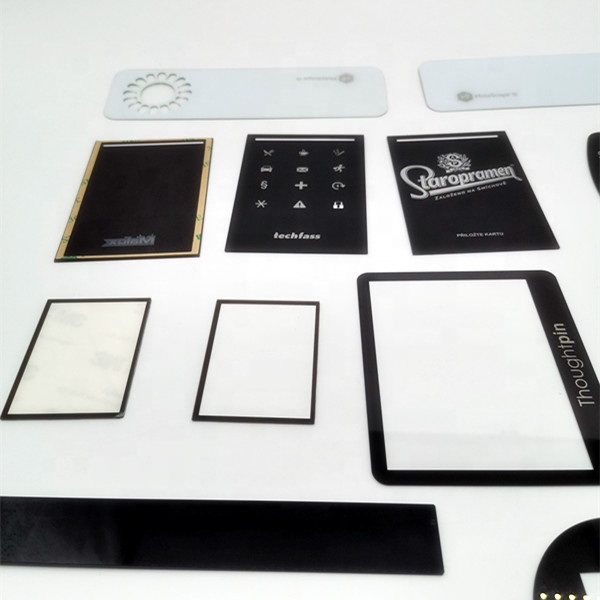
Custom Display Screen Silk Screen Printing Tempered Gorilla Glass
Detroit fit: printed display covers with logo, border and icon windows for automotive and industrial HMI.
View product details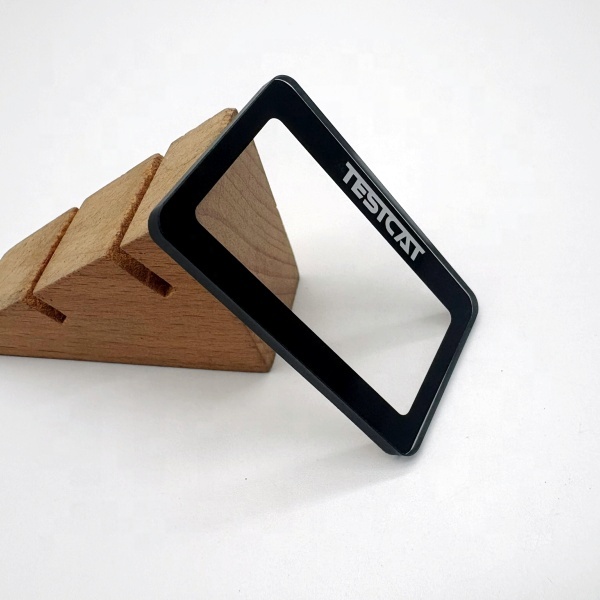
Custom Gorilla Glass Panel Tempered Glass Display Window Silk Screen Printing for LCD Display
Detroit fit: LCD display windows, equipment control panels and bonded or mechanically mounted display covers.
View product details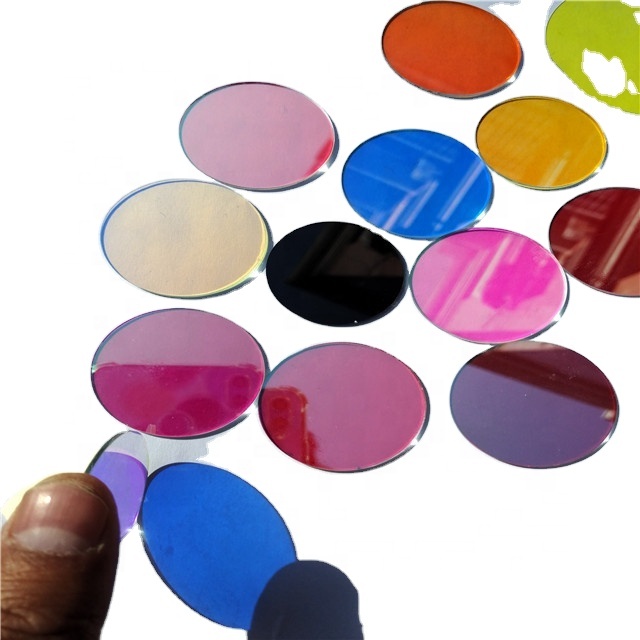
Heat Resistant Borosilicate 3.3 Dichroic Glass Filter
Detroit fit: lighting filters, stage effects, color-control glass and heat-tolerant optical filter windows.
View product details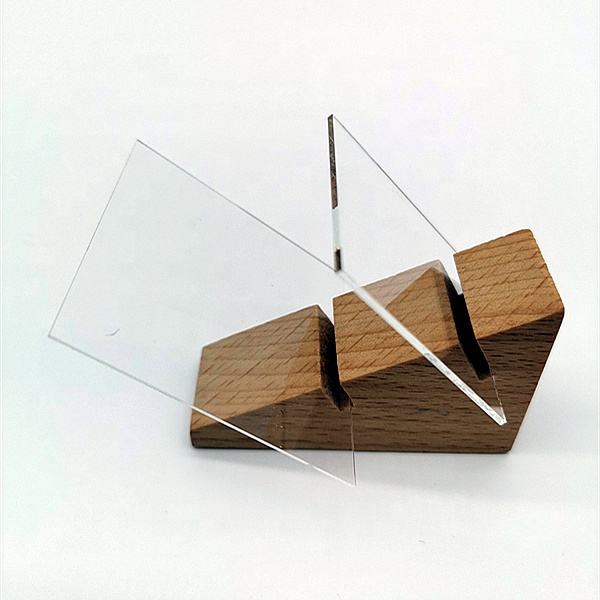
Custom Cut 0.5mm 0.7mm 1mm 1.5mm 2mm 2.5mm 3mm Corning Gorilla Temper Glass
Detroit fit: thin, scratch-resistant cover glass for handheld controls, sensors and space-constrained displays.
View product detailsExport markets served: Western Europe, United States, Japan, South Korea, Taiwan, Hong Kong and Southeast Asia. Detroit and Michigan buyers are supported through direct factory communication and export-ready packing.
Why Optical Glass Is a System Component, Not a Commodity
Detroit’s engineering culture rewards parts that behave predictably in the vehicle, on the line, and after years of service. That is why optical glass should be specified as a system component: the substrate, thickness, edge finish, strengthening method, coating side, printed ink and packing all affect fit, glare, durability and yield.
Optical performance
AR coating on one or both sides, haze control, print opacity and glass clarity should be defined together. A display window that looks correct in a sample may still create glare or color shift in the final HMI.
Mechanical reliability
Edge grinding, hole and notch quality, thermal tempering or chemical strengthening, and ink curing all influence breakage risk. The right process depends on thickness, shape and mounting method.
Supply-chain control
Traceable raw glass, a documented process route and fragile-glass export packing reduce hidden risk. For Detroit buyers, one accountable factory contact is often faster than a chain of intermediaries.
Fevry Glass Co., Ltd. is a China-based specialty glass factory in Xinyu, Jiangxi, serving Detroit and Michigan buyers directly. We do not position ourselves as a local warehouse; instead, we provide drawing-first engineering, traceable materials and export-ready production so Detroit procurement teams know exactly who is processing the glass.
Why Detroit OEMs and Tier 1 Buyers Shortlist Fevry Glass
The strongest supplier is the one that can explain not only what it sells, but how it controls the variables that matter to your drawing. Our advantage is the combination of material access, in-house processing and direct communication.
01Traceable raw glass
We source raw glass from Corning, AGC and other multinational producers, and work closely with established Chinese optical-glass makers such as Chengdu Guangming and Xinhuguang. Every project starts with a consistent, identifiable substrate.
02In-house process chain
Laser, CNC and ultrasonic machining; grinding and edge finishing; thermal tempering or chemical strengthening; AR and dichroic coatings; silk-screen printing; dimensional and visual inspection. Fewer hand-offs means tighter accountability.
03Drawing-first DFM review
Send DWG, DXF or PDF files with dimensions, tolerances, thickness, material, edge finish, print colors, AR side(s), application and annual volume. Our engineers confirm manufacturability before mass production.
04Export experience
We regularly ship to Western Europe, the United States, Japan, South Korea, Taiwan, Hong Kong and Southeast Asia. Fragile thin-glass packing is designed for international transit and Michigan receiving requirements.
05Responsive communication
Average response time is ≤4 hours, with a 100% inquiry response rate and a 5.0/5 buyer rating on Alibaba.com. Detroit sourcing teams can communicate directly with the factory team from RFQ through shipment.
06Verifiable supplier signals
Supplier assessment, credit profile, transaction level, trade capacity, trade history and buyer reviews are publicly checkable. We encourage Detroit buyers to review these records before placing a deposit.



Factory evidence: processing, inspection and packing images from Fevry Glass Co., Ltd.
What Your Detroit Drawing Becomes
Your drawing is not simply cut into glass. It moves through a sequence of decisions: which substrate meets the optical and thermal requirement, how the edge should be finished, whether the part should be thermally tempered or chemically strengthened, which side receives AR coating, and how the printed border should be cured and inspected.
Our technicians use laser, ultrasonic, CNC carving, grinding and inspection equipment imported from the USA, Germany and Japan. This equipment set supports the precision work Detroit buyers ask for most: flat display windows, thin strengthened covers, printed HMI panels, heat-resistant borosilicate parts and anti-reflective optical windows.
- Eagle XG, borosilicate and transparent ceramic glass
- Semiconductor wafers and biochip glass
- PLC substrates and optical V-groove glass
- Film, TV and stage lighting color lenses
- LED filament and optical coating glass
- 0.15 mm and 0.2 mm ultra-thin protector glass
Our guiding principle: “Quality is superior, service is supreme, reputation is first.” Our motto is “Your success, our glory.” Those are not slogans for us; they are the standards by which a custom glass order is reviewed, packed and shipped.
Read Company OverviewWhere Optical Glass Components Perform in the Detroit Ecosystem
From the Detroit–Dearborn–Warren engineering corridor to Tier 1 plants in Troy, Southfield and Ann Arbor, optical glass is used wherever a display, sensor or light path must remain clear, protected and dimensionally stable.
Automotive HMI and OLED cover glass
Center-stack displays, cluster windows and printed touch panels increasingly use tempered or chemically strengthened cover glass with AR coating and silk-printed borders. The goal is low glare, accurate color and durable touch performance.
EV battery and power-electronics windows
Electrification increases heat exposure around inspection windows, power modules and test equipment. Borosilicate 3.3 and heat-resistant glass help protect the optical path while tolerating temperature change.
ADAS and sensor windows
Cameras, LiDAR windows and optical sensing modules need clean apertures with controlled reflection. AR-coated tempered glass and dichroic filters support sensor packaging and light management in prototype and production volumes.
Medical, biotech and laboratory instruments
Ann Arbor and Southeast Michigan life-science teams use glass substrates for analyzer filters, biochips and optical inspection. Corning Eagle XG is valued for alkali-free composition, flatness and dimensional stability.
Industrial automation and robotics HMI
Factory-floor control panels need robust display windows that resist scratches, cleaning and glare. Printed Gorilla® glass, tempered glass and AR-coated panels improve readability and service life.
Lighting, stage and architectural effects
Gobo blanks, dichroic filters and heat-resistant color glass serve lighting designers, studios and equipment makers. Borosilicate 3.3 is often chosen where heat and color stability matter.
What Detroit Buyers Are Asking for in 2025 and Beyond
Detroit procurement patterns are changing. The direction is clear: larger display surfaces, more thermal responsibility, fewer suppliers and greater evidence of process control. The bars below are qualitative sourcing signals based on the inquiries custom glass factories receive, not market forecasts.
Larger, anti-glare HMI surfaces
Software-defined vehicles and consolidated center stacks are pushing display glass toward larger formats, thinner borders and AR treatment that reduces reflections without compromising touch sensitivity.
Thermal resilience in electrification
EV programs bring more heat sources near sensing and inspection windows. Borosilicate 3.3, heat-resistant coatings and stable flat glass are increasingly requested for power-electronics equipment.
Supplier consolidation and reshoring
Buyers want fewer vendors and clearer process ownership. A factory that can cut, strengthen, coat, print and inspect under one roof reduces coordination risk for Michigan supply chains.
Sensing and precise light control
ADAS, machine vision and lighting systems need optical windows and filters with repeatable reflection and transmission behavior. AR-coated glass and dichroic filters are moving from niche to program-level demand.
Optical Glass Lens Components, Windows and Filters by Material
Use this table for early-stage material selection, then confirm final specifications against the manufacturer datasheet and your drawing. The right answer depends on thickness, thermal load, impact risk, coating, print color and mounting method.
| Material | Typical thickness | CTE (×10⁻⁶/K) | Best Detroit-fit use | Engineering note |
|---|---|---|---|---|
| Ultra-clear soda-lime | 0.5–4 mm | ≈ 9.0 | Cover glass, AR panels, printed windows | Good clarity and cost balance; confirm strengthening and edge quality for exposed surfaces. |
| Gorilla® alkali-aluminosilicate | 0.4–2 mm | ≈ 7.5–8.5 | Scratch-resistant touch and display covers | Well suited to thin HMI covers; cutting and edge finishing must be completed before strengthening. |
| Borosilicate 3.3 | 0.3–3.3 mm | 3.3 | Heat-resistant windows, gobo, lab glass | Approximately one-third the thermal expansion of soda-lime glass; preferred where thermal shock is expected. |
| Corning® Eagle XG | 0.5–1.1 mm | ≈ 3.2 | Biochips, wafers, PLC and micro-optics | Alkali-free boro-aluminosilicate with excellent flatness and dimensional stability for micro-patterning and bonding. |
| Chemically strengthened thin glass | 0.15–2 mm | Base-glass dependent | Ultra-thin protectors and sensor covers | Ion exchange raises surface strength while keeping the sheet flat and optically clean. |
| Borosilicate 3.3 dichroic filter | Custom thin sheets | 3.3 base glass | Lighting, color control and optical filters | Coating design and incidence angle affect color; provide the intended light source and filter position. |
Typical industry values are shown for preliminary selection. Final specification is confirmed against the material datasheet and the approved drawing.
From Drawing to Detroit: A Controlled Six-Step Supply Path
Custom glass projects fail when assumptions are hidden. This six-step route makes the assumptions visible before production, which is especially important for Detroit buyers balancing program timing, validation and launch risk.
Drawing and application review
Share the 2D drawing, end use, annual volume and any interface requirements. We review the part as a system component, not an isolated glass blank.
Material and DFM recommendation
We confirm substrate, thickness, strengthening route, edge finish, coating side(s), print colors and tolerances. Any manufacturability concern is raised before quoting.
Sample and first-article validation
Samples can be arranged to validate fit, optical appearance, print alignment and edge quality before mass production. Complete information reduces revision cycles.
Precision processing
Cutting, drilling, notching, edge grinding, thermal tempering or chemical strengthening, AR or dichroic coating, and silk-screen printing are sequenced to the drawing.
Inspection before packing
Dimensional and visual checks cover size, thickness, flatness, print appearance and obvious defects. Glass is protected for fragile international transit.
Export packing to Michigan
Interleaved and cushioned packing supports safe delivery to Detroit-area receiving locations. Shipping method and documentation are confirmed in the quotation.
Quality Evidence Detroit Procurement Teams Can Check
Experience matters, but verifiable information matters more when a program is on the line. Fevry Glass maintains public supplier records that Detroit buyers can review before requesting samples or committing to production.
Supplier Assessment
Third-party verification details
Ratings & Reviews
5.0/5 average buyer rating
Transaction Level
Verified order performance
Trade Capacity
Export markets and logistics
Common Questions from Detroit Optical Glass Buyers
These are the questions engineers and sourcing managers ask most often when evaluating a custom optical glass supplier for a Detroit or Michigan program.
Are you a Detroit-based optical glass lens manufacturer?
Fevry Glass is a specialty glass factory based in Xinyu, Jiangxi, China, serving Detroit and Michigan buyers directly. We do not claim a local Detroit warehouse. The advantage is direct communication with the factory that processes your glass, plus export packing and shipping to U.S. receiving locations.
What is the minimum order quantity for custom glass?
Most custom cover glass and AR glass items start from 300 to 500 pieces. Some custom-cut Corning Eagle XG parts start from 1,000 pieces, and selected gobo glass blanks can start from 10 pieces. Samples can be arranged to validate fit and optical performance before mass production.
What information do you need to evaluate our Detroit project?
Send a 2D drawing in DWG, DXF or PDF with outline dimensions and tolerances, thickness, material, edge finish, hole and notch positions, strengthening method, print colors with Pantone references, AR coating side(s), application and annual quantity. Complete information lets our engineers respond with a firm recommendation in one round.
Can you make AR-coated and printed Gorilla glass for automotive HMI?
Yes. We process tempered and chemically strengthened cover glass with silk-screen printing and anti-reflective coating on one or both sides. For automotive HMI, please confirm the display location, viewing angle, print opacity, mounting method and whether the part will be bonded, gasketed or mechanically retained.
How do you pack fragile thin glass for shipment to Michigan?
Glass is interleaved and cushioned for fragile international transit. Packing is designed around part size, thickness, edge exposure and any printed or coated surfaces. The quotation confirms packing method, shipping terms and documentation before shipment.
Should we choose borosilicate 3.3 or Eagle XG for our project?
Borosilicate 3.3 is preferred when thermal shock resistance is critical, such as lighting windows or heat-resistant viewing glass. Eagle XG is an alkali-free boro-aluminosilicate glass with low thermal expansion and excellent flatness, making it suitable for biochips, wafers, PLC substrates and precision optical alignment. The final choice depends on your thermal load, optical path and bonding process.
Request a Detroit-Ready Optical Glass Quotation
Email your 2D drawing, material, thickness, tolerances, printing colors, AR coating side(s), application and annual volume. Our engineers typically reply within 4 hours with the next technical question or a manufacturability recommendation.
Get Catalog info@fevryglass.com