Optical Components Manufacturers & Exporters for the Kobe market
Kobe’s optical component buyers are rebalancing toward suppliers that combine drawing-level customization, stable optical transmission, and port-ready export discipline. Fevry Glass supports Kobe-bound programs with tempered, anti-reflective, borosilicate, printed and dichroic glass components engineered for medical, automotive, sensor, lighting and semiconductor applications.
8 Optical Glass Components for Kobe Engineering Teams
The components below are recommended for Kobe buyers evaluating display windows, dashboard trims, medical instrument covers, low-expansion substrates, projection gobos, and AR-coated reading surfaces. Every item can be quoted against a 2D drawing, with material, thickness, edge condition, coating side, print color and annual release schedule reviewed before sampling.

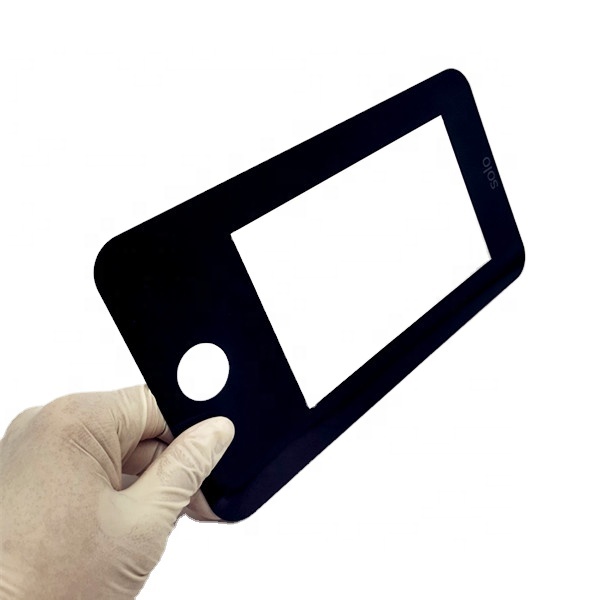
Custom Shaped Tempered Glass Processing, High Transparency Window Panels with Screen Printing
CNC-shaped tempered panels with selective print windows for instrument covers and control interfaces. Kobe fit: clean visual apertures, reliable edge finishing and drawing-based repeatability for high-mix production.
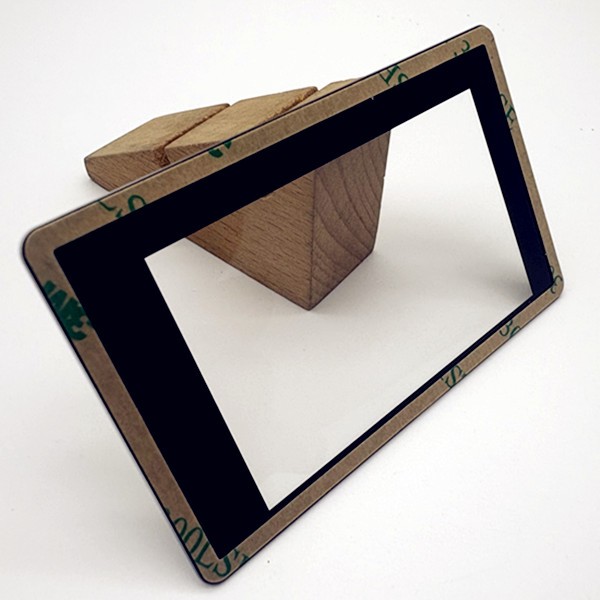
Manufacturer Oem Wholesale Custom Unbreakable Tempered Glass, high Quality Tempered Glass, low Iron Tempered Glass Manufacturer
Low-iron tempered glass with controlled edge color and strong mechanical performance. Kobe fit: display, lighting and appliance cover programs where optical clarity and shatter resistance must be balanced.
Custom Tempered Glass Dashboard Trim Panel Flat Electronic Glass Screen Protector
Flat dash trim and electronic display protection glass for cockpit HMI and control panels. Kobe fit: automotive electronics, EV charging interfaces and precision equipment displays requiring stable flatness.
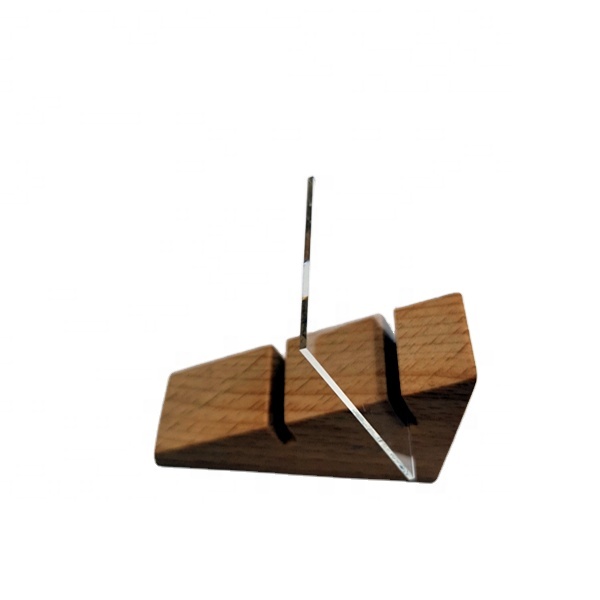
Custom 0.2mm 0.3mm 0.4mm 0.5mm 0.7 mm 1mm Thickness BOROFLOAT 33 Borosilicate Glass Sheet
Borosilicate 3.3 sheet with low thermal expansion and strong heat resistance. Kobe fit: analyzer windows, heat-resistant lighting covers and instrument glass exposed to temperature cycling.
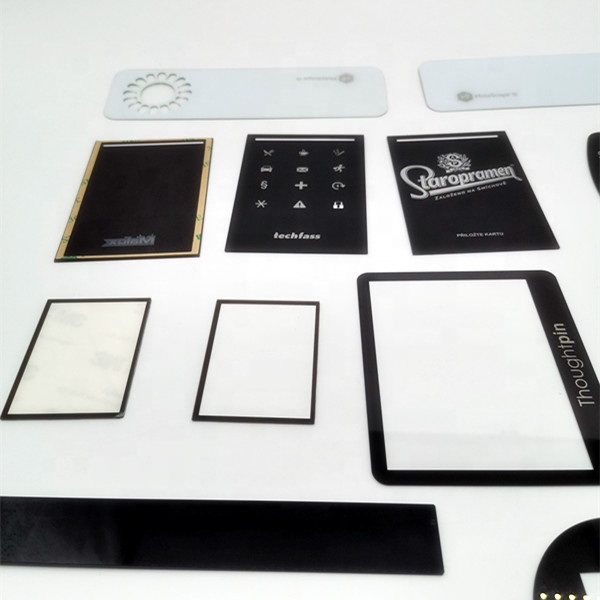
Custom Display Screen Silk Screen Printing Tempered Gorilla Glass
Printed strengthened cover glass for display protection and touch interfaces. Kobe fit: medical monitors, industrial control panels and precision instruments needing scratch resistance with clean print edges.
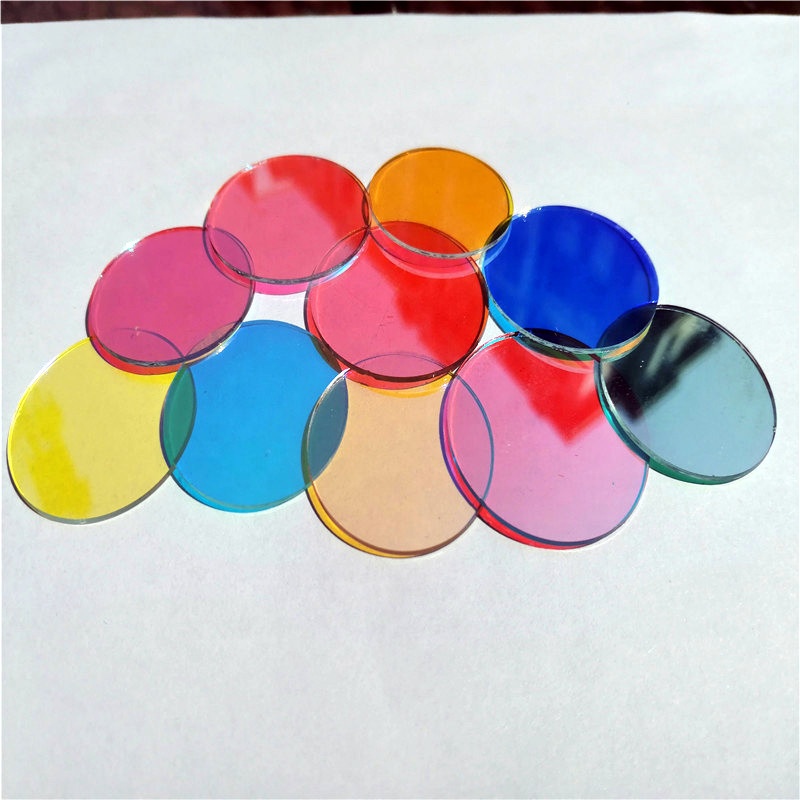
Customize logo Color Glass Gobo Glass
Color gobo glass for projection and stage lighting. Kobe fit: lighting fixture makers, studio systems and event supply chains that need crisp projected imagery and repeatable color registration.

Customized Tempered Anti-Reflective Glass AR Coated Tempered Glass
AR-coated tempered glass on one or both sides for glare reduction and high transmission. Kobe fit: medical displays, optical sensors, viewing windows and high-transmission instrument covers.
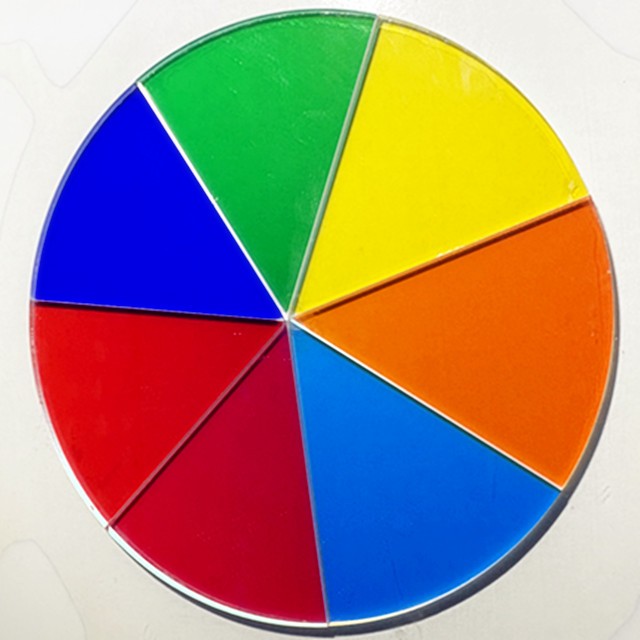
Factory Customization Dichroic Glass Gobo Glass
Dichroic coated gobo glass for color separation and lighting effects. Kobe fit: advanced lighting, architectural projection and optical filter prototypes where coating behavior and heat resistance matter.
Need to compare thicknesses, coating sides, print colors and packaging options before drawing release? Request the current catalog and send your Kobe-bound specification for engineering review.
Kobe Is Not a Price-Only Market: It Rewards Specification Discipline
Kobe sits inside one of Japan’s most concentrated advanced-manufacturing and port-logistics regions. Its optical component demand is shaped less by generic volume than by drawing discipline, stable optical performance and supplier responsiveness across medical, automotive, instrumentation, semiconductor, robotics and lighting supply chains.
For manufacturers serving Kobe and the wider Kansai industrial base, an optical component is rarely a commodity pane of glass. It is a functional interface: a display window that must resist glare, a sensor cover that must preserve transmission, a dashboard trim that must survive touch and cleaning cycles, or a low-expansion substrate that must remain dimensionally stable during inspection and bonding. That is why local procurement teams often evaluate suppliers through the lens of total landed risk, not unit price alone.
Kobe’s buyer profile also rewards high-mix, low-volume flexibility. A single Kobe-bound program may move from prototype samples to small pilot lots, then to scheduled production releases under a narrow delivery window. In practice, exporters need to support drawing-based cutting, edge quality control, print registration, coating consistency, inspection records and export-safe packaging in the same order flow. A supplier that cannot connect these steps creates hidden engineering time and inspection cost for the customer.
Kobe Port adds another practical consideration. Thin glass and coated optical parts are vulnerable to edge chipping, surface contamination and humidity-related packaging problems during ocean transport and inland transfer. For Kobe buyers, port-ready packaging and clean documentation are not peripheral details; they are part of the product. Suppliers who understand fragile-glass packing, interleaving and label traceability reduce receiving risk and shorten incoming inspection.
Finally, Kobe’s engineering culture favors suppliers who can communicate in the language of specifications. A quotation becomes more credible when it clearly states material grade, thickness range, coating side, print color reference, edge profile, tolerance, inspection method and sampling plan. This is where a technical glass exporter earns trust: by reducing ambiguity before the first tool or production lot is committed.
Procurement checklist for Kobe-bound optical glass
- 2D drawing with tolerances, holes, notches and edge finish
- Material grade, thickness and transmission target
- AR coating side, color point and environmental exposure
- Print color reference, ink opacity and window position
- Strengthening method matched to thickness and handling risk
- Packing format for Kobe Port, inland transfer and line-side release
Where Optical Components Fit in Kobe’s Advanced Manufacturing Ecosystem
Kobe buyers often source glass not as a standalone item, but as a component inside a larger instrument, display, lighting fixture or medical device. These six application scenarios show where material choice and process discipline directly influence end-product performance.
Medical imaging and laboratory automation
For Kobe’s biomedical innovation cluster, glass covers and substrates must combine clarity, cleanability and dimensional stability. Borosilicate 3.3, Eagle XG and AR-coated windows are frequently evaluated for analyzer filters, viewing windows and diagnostic display interfaces.
Automotive HMI and EV electronics
Kansai’s automotive and electronics supply chain uses glass for dashboard trims, displays, charging interfaces and control panels. AR-coated or printed tempered glass can reduce glare while preserving design intent, touch feel and long-term durability.
Semiconductor and photonics
Low-expansion substrates, glass wafers and PLC-related glass support advanced packaging, optical communication and micro-fabrication. Flatness, low total thickness variation and clean surfaces matter more than visual appearance alone.
Industrial vision, robotics and port automation
Kobe’s port and factory automation environment relies on cameras, sensors and inspection systems. AR-coated windows and low-distortion glass help protect optical paths while maintaining transmission and image accuracy.
Stage, studio and architectural lighting
Lighting fixture makers need gobo blanks, dichroic glass and heat-resistant borosilicate covers that hold color and geometry under thermal load. Clean edges and coating consistency are critical for crisp projection and stable color output.
Precision instruments and metrology
Kobe instrument makers value flat, stable worktable glass and optical windows that do not introduce unwanted reflection. Eagle XG, borosilicate and AR-coated tempered glass can be specified according to measurement, bonding and cleaning requirements.
Kobe Procurement Trends Shaping the Next Round of Optical Component Specifications
Kobe’s optical sourcing conversations are moving toward fewer hand-offs, tighter documentation and better optical consistency. The trends below reflect practical demand signals from custom glass inquiries, not a statistically representative survey.
High-mix engineering orders are replacing generic stock buys
Kobe buyers increasingly require drawing-based shapes, printed windows and coating specifications that cannot be satisfied by standard sheet sizes. Suppliers must make small engineering changes without losing process discipline.
AR-coated glass is moving from premium option to baseline expectation
For medical displays, sensors and high-end instrument covers, reflection control is now part of the user experience. Buyers ask for transmission targets, coating side, color neutrality and durability evidence earlier in the project.
Traceability and inspection records are becoming part of the quotation
Kobe procurement teams want to know how thickness, flatness, edge condition, print registration and coating appearance will be checked. A clear inspection plan reduces back-and-forth during sample approval and mass production.
Port-ready resilience is influencing packaging and release planning
Kobe Port is efficient, but fragile glass still needs edge protection, interleaving, moisture control and clear labeling. Suppliers that offer production-lot release planning can help customers reduce emergency buffer stock and receiving friction.
Directional buyer-priority signals for Kobe-bound projects
Relative emphasis observed in custom optical glass specification discussions—useful for prioritizing engineering attention before quotation.
Note: directional weighting only, intended to support specification discussions; final requirements must be confirmed against the drawing, application and agreed inspection plan.
What this means for the next RFQ
- Define the optical function before selecting the material.
- State whether AR coating is needed on one side or both sides.
- Clarify edge-chip acceptance criteria and cleaning method.
- Agree on sample approval criteria before tooling or printing.
- Confirm export packing and lot labeling for Kobe receiving.
Match the Glass Substrate to the Kobe Use Case
A successful optical component starts with material logic. The table below summarizes typical substrates used for Kobe-oriented projects, along with the process considerations that most often affect sample approval.
| Material | Typical Kobe use case | Thickness range | CTE (×10⁻⁶/K) | Processing note |
|---|---|---|---|---|
| Ultra-clear soda-lime | Cover glass, AR panels, printed display windows | 0.5 – 4 mm | ≈9.0 | Good clarity and strength after tempering; specify low-iron grade for reduced green edge. |
| Gorilla-type alkali-aluminosilicate | Scratch-resistant touch covers and medical monitor glass | 0.4 – 2 mm | ≈7.5 – 8.5 | Chemical strengthening before final printing or coating; all machining must be completed first. |
| Borosilicate 3.3 | Heat-resistant windows, gobo blanks, analyzer covers | 0.3 – 3.3 mm | 3.3 | Low thermal expansion supports thermal-shock resistance; confirm edge quality for thin blanks. |
| Corning® Eagle XG | Biochips, wafers, PLC substrates and micro-optics | 0.5 – 1.1 mm | ≈3.2 | Alkali-free, fusion-formed surface supports flatness and dimensional stability in bonding and patterning. |
| Chemically strengthened thin glass | Ultra-thin protectors, sensor covers and lightweight HMI | 0.15 – 2 mm | Base-glass dependent | Ion exchange improves surface strength while maintaining optical cleanliness; handle edge chips as fracture risk. |
| Dichroic / gobo borosilicate | Projection, stage lighting and architectural lighting | 0.2 – 2 mm | ≈3.3 | Coating uniformity and heat exposure must be reviewed together; custom gobo artwork needs clean registration. |
Values are typical industry figures for preliminary selection. Final specifications must be confirmed against the manufacturer datasheet, your drawing and the agreed inspection method. Corning®, Gorilla® and Eagle XG® are trademarks of Corning Incorporated, used for material identification only.



Why Fevry Glass Fits Kobe’s High-Specification Sourcing Model
Fevry Glass Co., Ltd. is a specialty glass company based in Xinyu, Jiangxi, China. Drawing on years of hands-on work with optical, biological, semiconductor, communications, lighting and electronics customers, we help engineers select the right substrate and turn it into a finished, export-ready part.
We source raw glass from Corning, AGC and other multinational producers and work closely with established Chinese optical-glass makers such as Chengdu Guangming and Xinhuguang, so every project starts from traceable, consistent material. Our technicians process glass on laser, ultrasonic, CNC carving, grinding and inspection equipment imported from the USA, Germany and Japan.
- Eagle XG, borosilicate and transparent ceramic glass
- Semiconductor wafers and biochip glass
- PLC substrates and optical V-groove glass
- Film, TV and stage lighting color lenses
- LED filament and optical coating glass
- 0.15 mm and 0.2 mm ultra-thin protector glass
Material discipline
Raw glass sourcing from recognized producers supports traceable material selection, data review and repeatable optical performance across lots.
Process integration
Cutting, CNC shaping, strengthening, AR coating, silk-screen printing, inspection and packing can be coordinated under one project flow.
Responsive communication
10+ years as an Alibaba.com member, ≤4-hour average response time, 100% inquiry response rate and a 5.0/5 buyer rating.
Export readiness
Experience serving buyers in Western Europe, the United States, Japan, South Korea, Taiwan, Hong Kong and Southeast Asia, with fragile-glass packing know-how.
A Clear 5-Step Path for Kobe Procurement Teams
Designed for buyers who need predictable communication, sample approval discipline and zero surprises from prototype to scheduled delivery.
Share the drawing
Send dimensions, tolerances, material, coating and print details by email.
Engineering review
We confirm manufacturability and recommend substrate, thickness and process.
Sample approval
Samples validate fit, color matching, print registration and optical performance.
Mass production
Processing with in-line dimensional and visual quality checks.
Export packing
Interleaved, cushioned packing for safe international shipping to Kobe.
What Kobe Sourcing Teams Ask Before Sampling
Straight answers to the questions engineers and procurement managers commonly raise when evaluating a China-based specialty glass exporter for Kobe-bound projects.
1. What information should a Kobe buyer send for the first evaluation?
Please send a 2D drawing in DWG, DXF or PDF with outline dimensions and tolerances, thickness, glass material, edge finish, hole and notch positions, strengthening method, print colors with Pantone references, AR coating side or sides, the end application and expected annual quantity. Complete information lets our engineers respond with a firm recommendation in one round.
2. Can you support Japanese-style drawing review and inspection planning?
Yes. We review the drawing before quotation and can discuss critical dimensions, edge-chip acceptance criteria, coating appearance, print registration and packing requirements. The agreed inspection plan becomes the basis for sample approval and production checks, reducing ambiguity between engineering and incoming quality teams.
3. What is the minimum order quantity for Kobe trial programs?
Most custom cover glass and AR glass items start from 300–500 pieces, some Eagle XG cut parts start from 1,000 pieces, and selected gobo glass blanks can start from 10 pieces. Samples can be arranged to validate fit and optical performance before mass production.
4. Should I choose chemically strengthened or thermally tempered glass?
Thermal tempering is normally best for glass around 3 mm and thicker. For ultra-thin cover glass from 0.15 mm to about 2 mm, chemical strengthening through ion exchange increases surface strength while keeping the sheet flat and optically clean. In both cases, cutting, drilling and edge grinding must be completed before strengthening.
5. How do you protect thin glass during export to Kobe Port?
Thin glass needs edge protection, interleaving, cushioning and clear lot labeling. Packaging is discussed around the final thickness, size, coating and print sensitivity. The goal is to reduce edge chipping, surface contamination and handling damage during ocean transport, port transfer and inland delivery to the Kobe receiving location.
6. Why is borosilicate 3.3 often selected for heat-resistant optical parts?
Borosilicate 3.3 has a thermal expansion coefficient of about 3.3 × 10⁻⁶/K, roughly one third that of soda-lime glass, so it resists thermal shock far better. It is commonly chosen for lighting covers, heat-resistant windows, gobo blanks and laboratory or instrument glass where temperature change or chemical exposure is expected.
Send a Drawing. Get a Kobe-Ready Glass Recommendation.
Email your specifications and application details. Our engineers typically reply within 4 hours with material guidance, process notes and the next sampling step.