OEM/ODM Quartz Glass Substrate Factories & Factory in Austin
Factory-direct engineering support for Austin semiconductor, photonics, biotech, display, EV and lighting teams — from drawing review and material selection to coated, printed and export-ready glass substrates.
Contact UsQuartz Glass Substrate Sourcing in Austin: Engineering First, Not Distance First
Austin is no longer only a software city. The region’s advanced manufacturing base now spans semiconductor equipment, photonics, life-science instruments, EV electronics, smart-building controls and LED lighting. For product teams searching for OEM/ODM quartz glass substrate factories and a factory in Austin, the real requirement is seldom “the nearest building.” It is a partner that can interpret a drawing, protect the optical or electrical function, and keep the process window stable from prototype to repeat order.
Fevry Glass Co., Ltd. works factory-direct from Xinyu, Jiangxi, China, with raw materials sourced from established producers such as Corning, AGC, Chengdu Guangming and Xinhuguang. For Austin buyers, that model delivers material traceability, fast engineering feedback and export-ready packing without adding layers between the engineer and the production line.
This guide is written for engineers and sourcing managers who need more than a catalogue. It explains where quartz and high-silica substrate decisions intersect with borosilicate 3.3, alkali-free Corning Eagle XG, tempered soda-lime and chemically strengthened thin glass; how Austin applications shape the specification; and what information makes a quote accurate on the first round.
One technical point deserves emphasis: all cutting, drilling, edge grinding and printing must be completed before thermal tempering or chemical strengthening. Thin glass cannot be re-cut after ion exchange without losing the strengthened surface. That is why a factory-level drawing review is more valuable than a simple unit-price comparison.
What most RFQs miss
- Quartz grade, fused silica type, OH content and CTE target
- Transmission band, AR coating side and reflectance limit
- Edge finish, micro-chamfer and particle-control expectation
- Print colors, Pantone references and registration tolerance
- Prototype quantity, annual demand and reorder interval
- Destination, freight mode and Austin receiving requirements
Eight Product Platforms Austin OEMs Compare First
Quartz glass substrate inquiries rarely stand alone. A complete assembly may require a heat-resistant window, an AR-coated cover, a conductive layer, a printed display panel or a gobo blank. These eight product families preserve the original product links and images from Fevry Glass and are often evaluated together with quartz or high-silica substrate drawings.
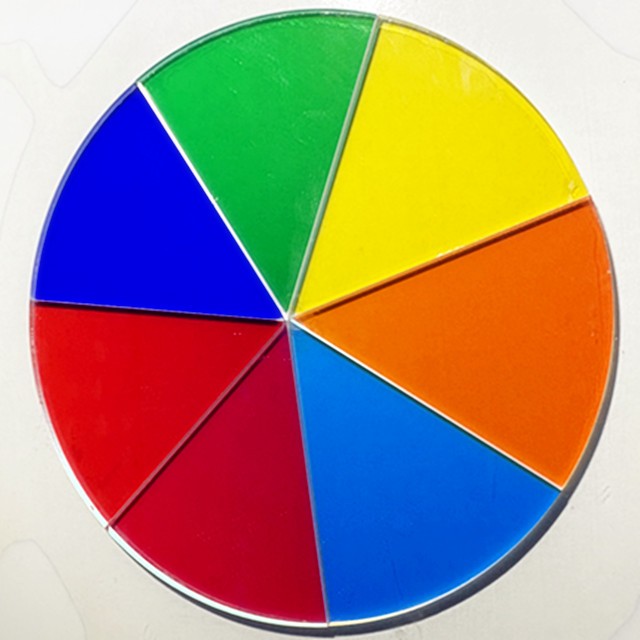
Factory Customization Dichroic Glass Gobo Glass
Dichroic and gobo glass for projection, stage and architectural lighting. Custom logo, pattern, size and coating direction help Austin lighting OEMs tune color separation while managing heat exposure.
View product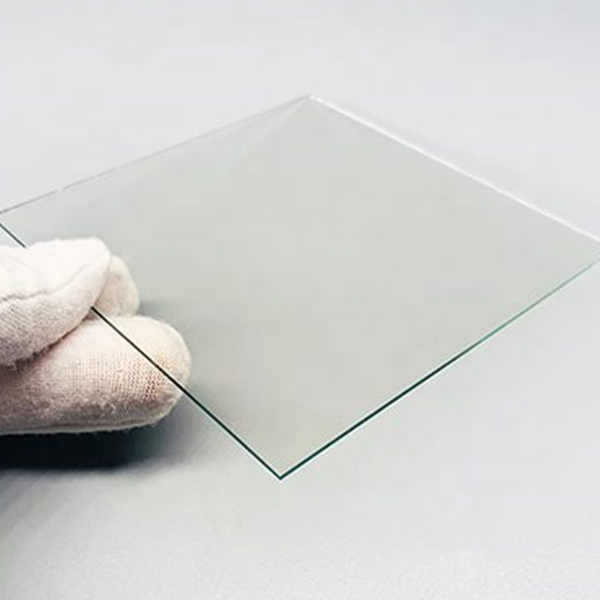
ITO Conducting Glass, ITO Coated Glass, ITO Glass
ITO conducting glass adds a transparent conductive layer for touch sensing, EMI shielding, heated optics and sensor windows. Evaluation can include sheet resistance, transmission and cut-to-drawing support.
View product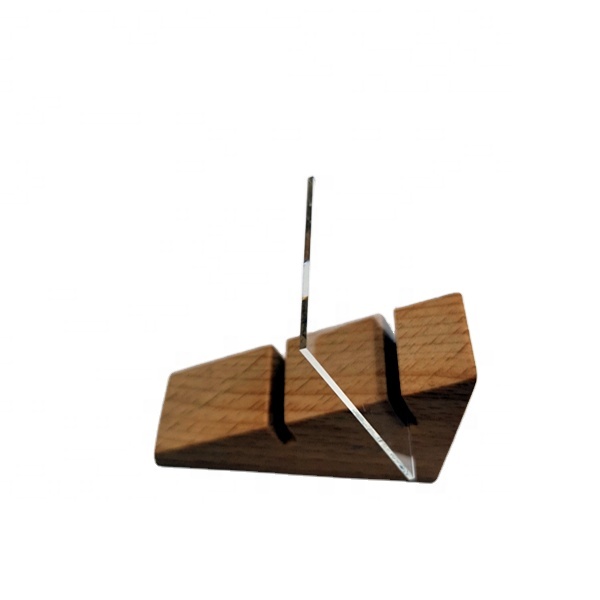
Custom 0.2mm–1mm BOROFLOAT 33 Borosilicate Glass Sheet
Borofloat 33 borosilicate sheet in thin 0.2–1 mm class thicknesses supports heat-resistant windows, laboratory barriers and optical spacers. Low CTE stabilizes parts that see thermal cycling.
View product
Factory Custom Tempered Silk Printed Gorilla Glass Screen Protector Printing Glass
Factory-printed Gorilla glass screen protectors combine chemical strengthening with sharp silk-screen borders. Suitable for rugged displays, appliances and control panels requiring scratch resistance and clean graphics.
View product
Custom Chemically Ultra Thin Clear Transparent Tempered Glass Sheet
Chemically strengthened ultra-thin clear tempered glass supports sensor covers, wearables and compact display stacks. Ion exchange improves surface strength while retaining flatness and optical clarity.
View product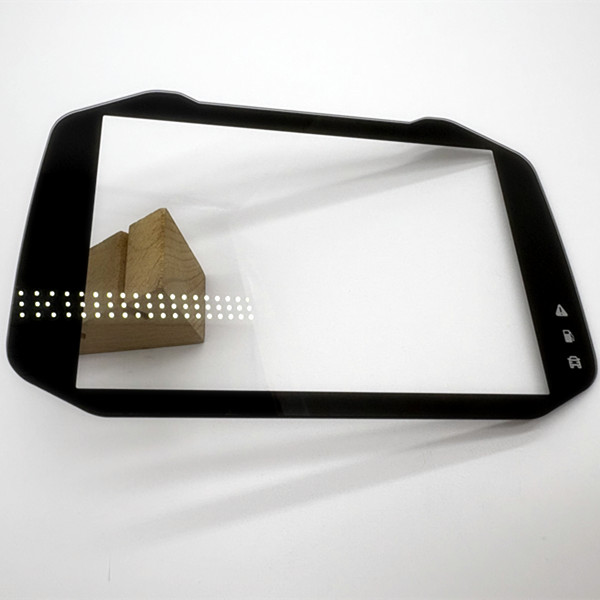
Custom Shape High Transmittance Ultra Clear Tempered Glass Panel With AR Coating on Two Sides
Double-sided anti-reflective coating raises transmission and lowers ghost reflections in high-brightness or imaging systems. Ultra-clear glass can be shaped and tempered before coating.
View product
1.5mm 2mm Tempered Glass Thickness Touch Switch Glass Plate
1.5 mm and 2 mm tempered glass touch switch plates are a durable interface for smart-home, appliance and elevator controls. Print color and icon windows can be matched to brand requirements.
View product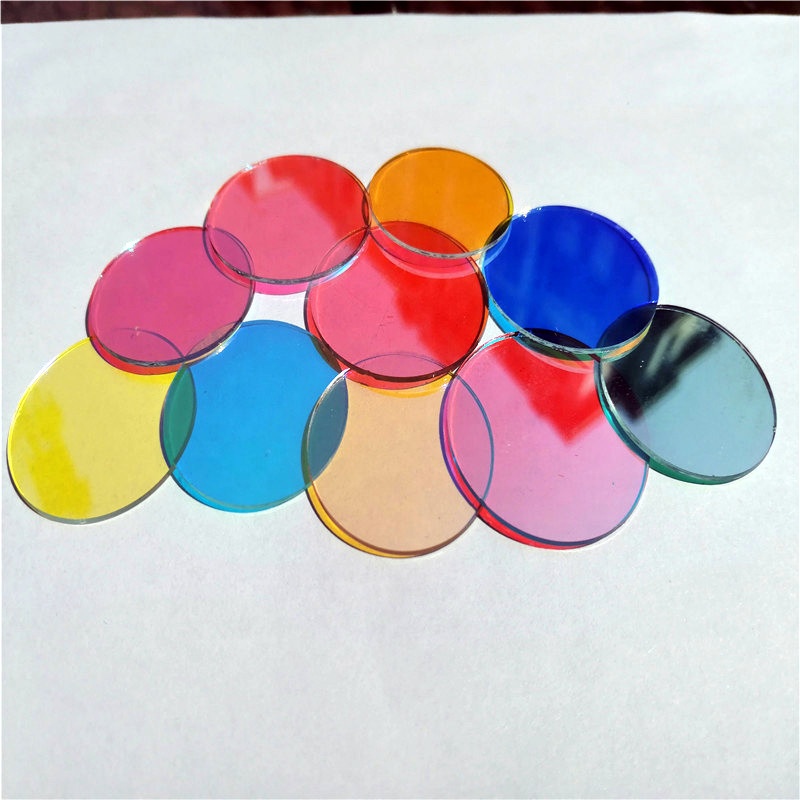
Customize Logo Color Glass Gobo Glass
Custom logo color glass gobo glass helps stage, event and architectural lighting brands place precise imagery in high-heat optical paths. Small gobo runs make it practical to validate a design.
View productWhere Quartz and Technical Glass Substrates Fit in Austin
Austin’s product mix rewards suppliers who understand both optical performance and manufacturing discipline. These are the local application clusters we see most often in OEM/ODM substrate inquiries.
Semiconductor & Advanced Packaging
Central Texas fabs and equipment suppliers need flat, clean substrates for carriers, inspection windows and metrology fixtures. Low TTV, controlled CTE and particle-conscious edges matter.
Photonics & Optical Communication
Austin’s photonics and data-center ecosystem uses glass for fiber alignment, PLC substrates, optical filters and AR windows. The drawing should state transmission band, coating side and alignment tolerance.
Biotech & Life Science
Life-science instrument teams use Eagle XG and high-silica glass for biochips, analyzer filters and microscope stages. Flatness, autofluorescence and bonding compatibility matter as much as thickness.
EV, Automotive & Energy Electronics
Dashboard trim, touch panels and sensor covers must survive thermal cycling, road vibration and cleaning chemicals. Printed, tempered and AR-coated glass can be specified as one finished part.
Smart Building & Display Controls
Smart-home and commercial control makers need touch switch plates, display windows and decorative printed glass. Color consistency and logo alignment become the visible quality benchmark.
Stage, Studio & LED Lighting
Austin’s production and entertainment market uses gobo, dichroic and heat-resistant glass in moving heads and studio fixtures. Borosilicate or quartz-type materials help manage heat without distortion.
Austin Localization Trends Shaping Substrate Specifications
Austin buyers are not only comparing price per piece. They are comparing engineering speed, documentation quality, packaging integrity and the ability to keep a custom process stable after the prototype stage.
Advanced manufacturing clusters
As semiconductor, EV and life-science investment expands across Central Texas, suppliers are asked for cleaner edges, tighter flatness data and material certificates before a part reaches the receiving dock.
Prototype-to-production continuity
Startups and corporate innovation teams want low-friction sampling without losing the production process window. The sample should predict mass production, not merely look good on a bench.
Thermal management and transmission
High-brightness displays, LiDAR, lighting and power electronics push buyers toward borosilicate, quartz-type materials, AR coatings and controlled coating durability under heat.
Traceability and supply resilience
OEM procurement teams increasingly ask for source glass, lot traceability, inspection records and export packing that can survive multi-leg freight into Austin warehouses and labs.
Quartz vs. Adjacent Substrates: A Practical Engineering View
Quartz is not a single answer. Fused quartz, fused silica, borosilicate 3.3, alkali-free boro-aluminosilicate and chemically strengthened glass solve different problems. The right choice depends on CTE, thermal shock, transmission band, coating compatibility, flatness and total cost.
| Material route | Typical role | Thermal / optical signal | Austin fit |
|---|---|---|---|
| Fused quartz / fused silica | High-purity windows, UV-transmitting optics, heat-resistant substrates | Very low expansion; grade-specific transmission and OH content | UV optics, laser windows, semiconductor or photonics fixtures — confirm grade and availability |
| Borosilicate 3.3 | Heat-resistant windows, gobo blanks, lab barriers | CTE about 3.3 × 10⁻⁶/K; strong thermal-shock resistance | Lighting, instruments, chemistry and thermal cycling applications |
| Corning Eagle XG | Biochips, analyzer filters, PLC and micro-fabrication substrates | Alkali-free, low expansion, fusion-formed flatness | Life science, photonics and precision bonding workflows |
| Chemically strengthened thin glass | Ultra-thin covers, sensor windows, touch panels | Ion-exchange surface strength; base-glass optical properties | Wearables, compact displays and rugged control interfaces |
| Ultra-clear soda-lime or Gorilla-type glass | Printed display covers, AR panels, touch switch plates | Good clarity; thermal performance depends on thickness and strengthening | Smart home, appliances, automotive trim and consumer electronics |
| ITO / AR-coated composite | Conductive touch layers, glare-control windows, heated optics | Coating design controls sheet resistance and reflectance | Sensor stacks, displays, EMI shielding and optical instruments |
Typical values are for preliminary selection only. Final material, coating and tolerance must be confirmed against the manufacturer datasheet and your drawing.
Selection signal overview
Why Austin Buyers Use Fevry Glass as a Factory-Direct OEM/ODM Partner
Fevry Glass Co., Ltd. is based in Xinyu, Jiangxi, China, and serves optical, biological, semiconductor, communications, lighting and electronics customers. The company combines sourced specialty glass with in-house processing: laser cutting, ultrasonic machining, CNC carving, grinding, strengthening, coating, printing and inspection.
The working principle is simple: “Quality is superior, service is supreme, reputation is first.” The motto, “Your success, our glory,” is not a slogan for a brochure; it explains why engineers receive drawing feedback, why buyers receive export-ready packing, and why repeat orders stay tied to the same process route.
For Austin teams, the advantage is not a fictional local warehouse. It is a factory-direct relationship with visible records, responsive communication and a documented process from raw sheet to finished substrate.
 Factory-direct glass processing, inspection and export packing for custom OEM/ODM projects.
Material sourcing with traceability
Raw glass can be sourced from established producers such as Corning, AGC, Chengdu Guangming and Xinhuguang, giving Austin buyers a clearer starting point for specification and audit review.
In-house process chain
Cutting, CNC, ultrasonic machining, edge grinding, tempering or ion exchange, AR or dichroic coating, silk printing and inspection can be coordinated as one accountable workflow.
Drawing-led engineering review
The team reviews outline dimensions, tolerances, edge finish, coating sides and print registration before quoting. That reduces the risk of a beautiful sample that cannot be reproduced in mass production.
Visible supply records
The company has more than 10 years of Alibaba.com membership, a ≤4-hour average response time, 100% inquiry response rate, 5.0/5 buyer rating and export experience across seven-plus regions.
Export packing for fragile glass
Thin glass and coated panels require interleaved, cushioned packing. Export packing is designed to reduce edge chipping, coating abrasion and breakage during multi-leg transit to Austin.
Inspection before shipment
Dimensional checks, thickness and flatness review plus visual defect inspection help confirm that the finished substrate matches the drawing before it leaves the factory.
A Clear Four-Step Path from Austin Drawing to Factory Delivery
Custom glass is a process decision, not a catalogue order. A disciplined sequence protects the optical function, the mechanical fit and the delivery schedule.
Drawing and application review
Send the 2D drawing, material, thickness, tolerances, edge finish, coating side, print colors, application and annual volume. Engineering confirms manufacturability.
Engineering quote and sample
The team recommends the substrate route and process sequence, then prepares a sample or pilot run so fit, color and optical performance can be validated before mass production.
Production with inspection
Processing steps are scheduled in the correct order — cut before strengthen, print before final inspection, coat with the required side orientation and document the result.
Export packing and Austin delivery
Finished substrates are interleaved and cushioned for international freight. The shipment can be coordinated with the buyer’s forwarder or preferred delivery method.
Quartz Glass Substrate and OEM/ODM Questions
These are the questions engineers and procurement teams ask when comparing a local Austin factory search with a factory-direct specialty glass partner.
Have a drawing ready?
Share material, thickness, tolerances, coating and volume for a focused engineering review.
Contact UsDo you have a factory in Austin, Texas, or should I search for a local quartz glass substrate factory?
Fevry Glass manufactures in Xinyu, Jiangxi, China, and serves Austin customers factory-direct. A physical Austin warehouse is not the same as process control. For custom quartz, borosilicate, AR-coated or printed glass, the more important questions are who reviews the drawing, who controls the process route and who provides inspection records. We disclose the production base clearly and support Austin buyers with engineering feedback, samples and export logistics.
What is the minimum order quantity for an Austin prototype or pilot build?
Most custom cover glass and AR glass items start from 300–500 pieces. Custom-cut Corning Eagle XG parts may start from 1,000 pieces, while selected gobo glass blanks can start from about 10 pieces. Samples can be arranged to validate fit, print color and optical performance before mass production.
Can you make quartz glass substrates, or only borosilicate and Eagle XG?
Quartz and fused silica requirements are evaluated case by case because grade, OH content, transmission band, flatness and coating compatibility change the process. For many Austin applications, borosilicate 3.3, alkali-free Eagle XG or chemically strengthened thin glass may be the more practical route. We will recommend the material that supports the drawing and application rather than forcing a grade that adds cost without functional benefit.
What information do you need for an accurate quote?
Send a 2D drawing in DWG, DXF or PDF with outline dimensions and tolerances, thickness, glass material, edge finish, hole and notch positions, strengthening method, print colors with Pantone references, AR coating side or sides, end application and expected annual quantity. If the part is going into an assembly, include the mating component or stack-up notes where possible.
How do you control quality before shipment to Austin?
Inspection can include dimensions, thickness, flatness, edge condition, print registration, coating appearance and visual defects. The exact inspection plan is agreed against the drawing and application. For thin or coated glass, packing validation is also part of quality control because transit damage can erase the benefit of a good production run.
Can one part combine silk printing, AR coating and ITO?
Yes, but the sequence must be engineered. Coating, printing and conductive layers can affect each other, and the order of operations changes adhesion, optical performance and inspection criteria. Share the full stack-up and performance target so the process route can be reviewed before quoting.
What are typical lead times and shipping options to Austin?
Lead time depends on material availability, coating, printing, strengthening and inspection. Inquiries typically receive an engineering response within about four business hours. Shipping can be arranged by air express for samples or small batches, and by sea or freight forwarder for production volumes. Export packing is designed for fragile glass, and the buyer’s Austin receiving requirements should be shared early.
Can you sign an NDA and support OEM/ODM branding or custom packaging?
Yes. Custom drawings, logos, print artwork and packaging requirements can be reviewed under an NDA where needed. For OEM/ODM programs, send the drawing, branding files, packaging concept and destination so the quotation can include the correct process and shipping assumptions.
Why does quartz glass sometimes cost more than borosilicate 3.3?
Quartz and fused silica can require higher-purity material, tighter process control and application-specific verification of transmission, OH content or flatness. Borosilicate 3.3 is often more economical when its CTE and optical range fit the job. The lowest total cost comes from matching the material to the function, not from selecting the most expensive glass by default.
Send Your Drawing. Get a Clear Substrate Recommendation.
For an OEM/ODM quartz glass substrate program in Austin, share the application, drawing, tolerances, coating and annual volume. We will review the manufacturable route and respond with the next practical step.
Contact Us