OEM/ODM Glass Beveling Factory & Exporters for Edmonton
Precision edge grinding, polished bevels, CNC contours and custom technical glass engineered to drawing for Edmonton OEMs, interior fabricators, display integrators, lighting brands and laboratory-equipment teams.
8 Custom Glass Products for Edmonton Beveling & OEM/ODM Projects
Every product below can be reviewed against your 2D drawing. Bevel width, edge profile, corner radius, hole positions, print windows, AR coating side and strengthening method are defined before production. This is how Edmonton buyers avoid costly rework after tempering or chemical strengthening.

Custom 0.2mm 0.3mm 0.4mm 0.5mm 0.7mm 1mm Alkali Free Borosilicate AF32 Glass
Ultra-thin alkali-free borosilicate for sensor windows, optical spacers and heat-resistant display covers. Edge grinding can target flat-polished or pencil-edge profiles with low micro-chip requirements.

0.3mm ~ 2mm Dichroic Glass Mirror for Gobos
Dichroic mirror glass for gobos, stage lighting and architectural colour effects. Custom outlines and a beveled perimeter can be reviewed against fixture geometry, coating orientation and heat load.
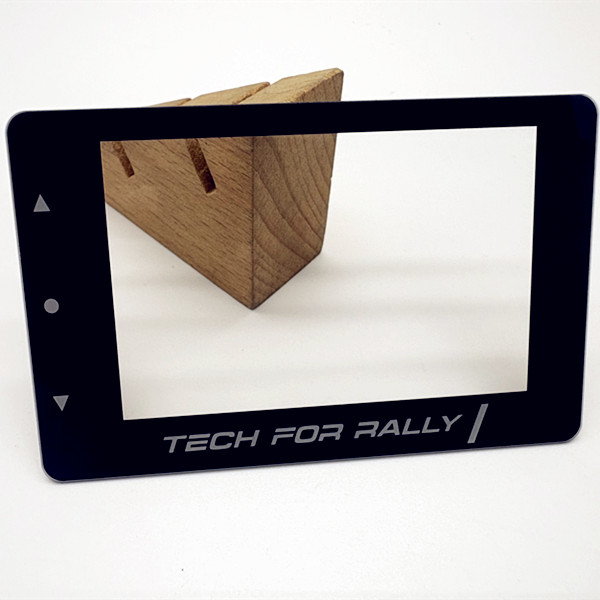
Customize Tempered Glass Silk Printed Ar Coating Gorila Glass LCD Screen protection Display
Tempered Gorilla glass with silk-print and AR coating for LCD protection. Useful where Edmonton daylight and snow reflection reduce contrast; print side, AR side and edge finish are fixed on the drawing.
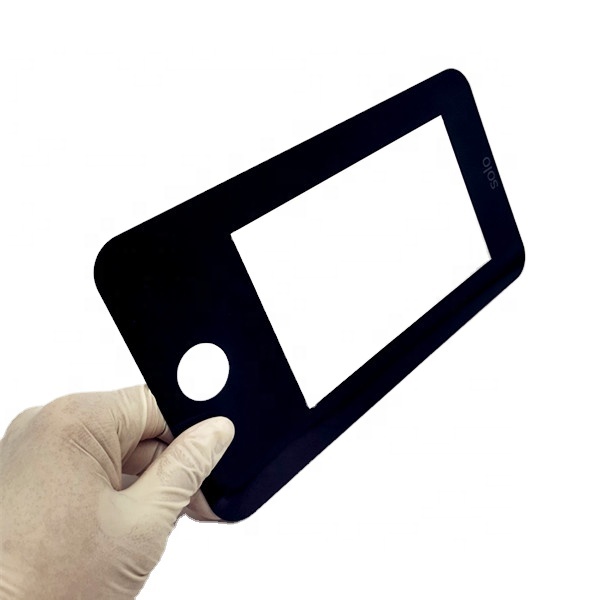
Manufacturer Oem Wholesale Custom Unbreakable Tempered Glass,high Quality Tempered Glass,low Iron Tempered Glass Manufacturer
Low-iron tempered glass for robust, colour-neutral protective panels, equipment windows and interior trims. Polished edges, arrises and chamfers are produced before tempering to protect strength.
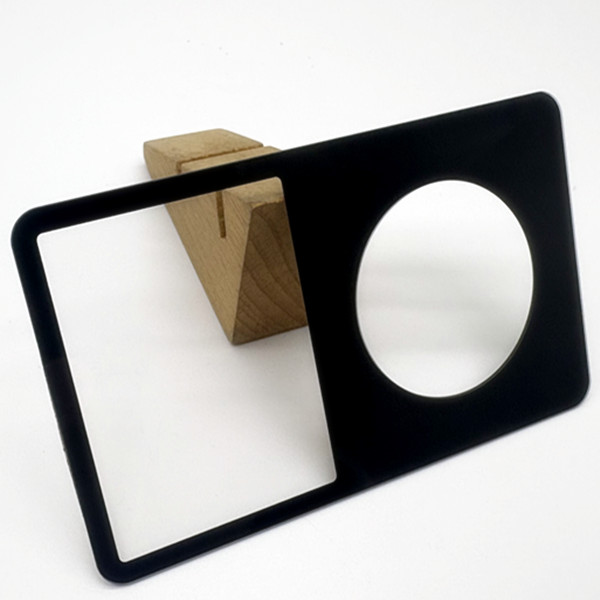
Factory Custom Smart Silkscreen Gorilla Glass Panel Tempered Glass Printing Glass
Smart silkscreen Gorilla glass panels for touch interfaces, control plates and electronic windows. Fine icon windows, durable borders, custom bevel geometry and hole positions can be integrated.
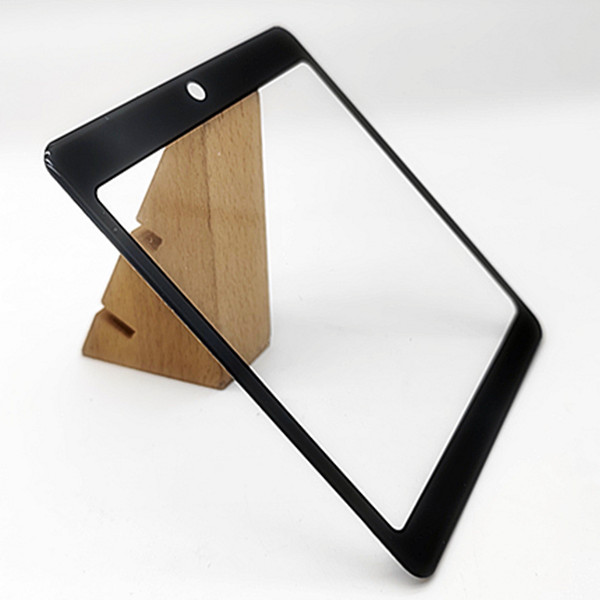
Ultra Clear Gorilla Glass Panel with Silk Screen Printing for Electronic Device
Ultra-clear Gorilla glass with silk-screen printing for electronic devices. High transmission helps preserve contrast and colour; edge profiles can be tuned for flush mounting or exposed touch edges.
Custom 0.2mm 0.3mm 0.4mm 0.5mm 0.7 mm 1mm Thickness BOROFLOAT 33 Borosilicate Glass Sheet
BOROFLOAT 33 borosilicate sheet in 0.2–1.0 mm for heat-resistant windows, lighting covers and instrument glass. Choose polished edge, chamfer or arris depending on handling and assembly.

Custom Cut 0.5mm 0.7mm 1mm 1.5mm 2mm Clear Toughened Glass Tempered Corning Gorilla Glass
Custom-cut clear tempered Corning Gorilla glass in 0.5–2.0 mm for scratch-resistant display covers and premium sensor windows. The 2D drawing controls outline, corner radii, holes, print windows and bevel width.
Fevry Glass Co., Ltd. serves buyers in China and exports to Western Europe, the United States, Japan, South Korea, Taiwan, Hong Kong and Southeast Asia. Edmonton projects are quoted against drawing, volume, coating requirements and export packing needs.
A Bevel Is an Engineering Decision, Not a Decorative Afterthought
For Edmonton OEMs and fabricators, beveled glass is rarely just about appearance. The edge profile affects chip resistance, fit, handling safety, cleaning, optical edge visibility and the way a cover sits inside a bezel or frame. A buyer who specifies only “polished edge” leaves too much room for interpretation.
Write the requirement in production language: bevel width, profile type, corner radius, visible face, chip acceptance and whether the edge will be exposed to touch. For 0.15–2 mm thin glass, low-pressure CNC grinding with controlled wheels is usually more suitable than heavy mechanical shaping. For 3–4 mm tempered panels, the bevel must be completed before tempering.
There is also a logistics reason to care. Edmonton-bound thin glass may travel by sea to Vancouver or Prince Rupert and then continue by rail or truck across Western Canada. Edge micro-chips that look minor in a factory can propagate during cold-weather transport and final installation. Controlled bevels plus interleaved, cushioned export packing reduce that risk.
For AR-coated or printed parts, keep every feature on one drawing: coating side, print side, ink colour, window position, bevel width, and handling orientation. This avoids the most expensive Edmonton mistake — discovering after strengthening that the part can no longer be re-cut or re-edged.
| Bevel / Edge Profile | Typical Edmonton Use | Specification Note |
|---|---|---|
| Flat polished edge | Display covers, equipment windows, interior signage | Easy-clean edge; define chip criteria and visible face. |
| Pencil round | Touching HMI panels, small electronic covers | Touch-friendly radius; confirm fit inside bezel. |
| Arris or chamfer | Thicker architectural trims, protective panels | Reduces sharpness and chipping at handling points. |
| 1–3 mm decorative bevel | Lobby directories, premium retail displays | Optical highlight; specify bevel width and corners. |
| Custom contour / step bevel | OEM control panels, instrument windows | Requires a dimensioned 2D drawing for DFM review. |
Important: once glass is thermally tempered or chemically strengthened, cutting, drilling or re-beveling is no longer a normal production option. Finish the edge before strengthening.
Where Beveled Glass Earns Its Place in Edmonton Projects
Edmonton’s mix of commercial interiors, energy instrumentation, healthcare, education, lighting production and public-facing kiosks creates demand for small and mid-volume custom glass parts that are difficult to justify as fully local bespoke runs.
Local Development Trends Shaping Glass Beveling Demand
These are practical procurement trends, not abstract forecasts. They influence how Edmonton buyers specify, sample and import custom beveled glass components.
Glare control for a bright winter city
Edmonton’s long daylight hours and highly reflective winter conditions make contrast important for displays, kiosks and instrument windows. Buyers increasingly combine low-iron or Gorilla glass with AR coating, controlled print density and beveled edges that avoid distracting reflections.
Cold-weather detailing and shipping resilience
Even indoor glass is stored, transported and installed in cold conditions. Chipped edges can become crack initiation points during handling. Edmonton specifications are moving toward clearer edge-acceptance criteria, interleaved export packing and pre-shipment visual inspection.
Small-batch OEM/ODM sourcing
Edmonton design teams and equipment makers want lower initial volumes, fast samples and direct engineering feedback before committing to tooling. A factory that can combine beveling, printing, coating and strengthening in one controlled workflow reduces the number of suppliers to manage.
Why Edmonton Buyers Work With Fevry Glass
Fevry Glass Co., Ltd. is a specialty glass supplier based in Xinyu, Jiangxi, China. The company works with optical, biological, semiconductor, communications, lighting and electronics customers and supports custom projects from glass selection through export packing.
Traceable raw-glass sourcing
Raw glass is sourced from Corning, AGC and other multinational producers and established Chinese optical-glass makers such as Chengdu Guangming and Xinhuguang. Material choice is matched to thermal, optical and chemical requirements.
Imported processing equipment
Technicians use laser, ultrasonic, CNC carving, grinding and inspection equipment imported from the USA, Germany and Japan. This supports accurate outlines, holes, notches and edge finishing on fragile thin glass.
Multi-process integration
Cutting, beveling, drilling, thermal tempering, chemical strengthening, AR coating, dichroic coating, silk-screen printing, back painting and inspection can be coordinated in one production plan.
Engineering-first drawing review
Send DWG, DXF or PDF drawings with tolerances, thickness, material, edge finish, hole and notch positions, strengthening method, print colours and AR side. The team can recommend manufacturability improvements before sampling.
Export packing for fragile thin glass
Interleaved, cushioned packing is designed for international shipping. This matters for Edmonton orders that combine thin covers, printed panels and coated optics in the same shipment.
Verified buyer signals
As an Alibaba.com member for more than 10 years, Fevry Glass maintains a 100% inquiry response rate, an average response time of 4 hours or less and a 5.0/5 buyer-rating signal. Export markets include Western Europe, the United States, Japan, South Korea, Taiwan, Hong Kong and Southeast Asia.
A Clear Path from Edmonton Drawing to Export Delivery
Share the drawing
Send a 2D drawing, material, thickness, edge profile, tolerances, print colours, AR side, application and annual volume.
Engineering review
Manufacturability is checked, including bevel geometry, corner radii, hole spacing and the order of printing, coating and strengthening.
Samples and approval
Samples validate fit, edge appearance, print alignment, optical performance and packing expectations before mass production.
Production and export
Parts are processed with dimensional and visual checks, then packed for the selected Edmonton shipping route.
For a faster quote, include the visible face, whether the bevel will be touched, whether the part will be tempered or chemically strengthened, and the acceptable chip standard on the edge.
Common Local Procurement Questions
Edmonton engineers and sourcing managers often ask the same practical questions before placing a custom glass beveling order. These answers help shorten the first review.
Can you bevel glass after it has been tempered or chemically strengthened?
No, not as a normal production process. Cutting, drilling, edge grinding and beveling must be completed before thermal tempering or chemical strengthening. Re-working strengthened glass can destroy the surface-compression layer and increase breakage risk. For Edmonton projects, approve the bevel on the drawing and sample before the strengthening step.
What is the minimum order quantity for a custom beveling order to Edmonton?
Most custom cover glass and AR glass items start from 300–500 pieces, some Eagle XG cut parts from 1,000 pieces, and selected gobo or lighting glass blanks from about 10 pieces. Samples can be arranged to validate fit and optical performance before mass production. The final MOQ depends on material, thickness, coating, print complexity and edge profile.
How should Edmonton architects and fabricators specify a bevel clearly?
Use a dimensioned 2D drawing rather than a generic “polished edge” note. Show the outline, corner radii, bevel width, profile type, visible face, coating side, print side and the area that will be exposed to touch. For architectural or display work, add chip-acceptance criteria and the cleaning method. If the part fits into a metal frame or bezel, include the clearance and the mounting direction.
How is thin beveled glass packaged for shipping to Edmonton?
Thin glass is typically interleaved and cushioned, then packed in export-grade cartons or crates with edge protection. The selected method depends on thickness, coating, print and quantity. Edmonton orders can be shipped by air for urgent samples or by sea and rail/truck for production quantities. The packing plan should be agreed before production when parts are large, ultra-thin or coated on both sides.
Can AR coating, silk printing and a beveled edge be combined on one part?
Yes, provided the process sequence is defined during engineering review. The edge is normally finished before strengthening; printing and coating steps are then scheduled according to ink, coating and handling requirements. The drawing must identify the AR side, ink side, visible side and any areas that must remain free of coating or print.
What material is best for Edmonton glare and winter-light conditions?
For display and HMI covers, low-iron glass or Gorilla glass with AR coating is often selected to improve contrast and reduce reflection. For heat-resistant lighting windows or lab equipment, borosilicate 3.3 may be more appropriate because of its low thermal expansion. The right choice depends on thickness, impact risk, coating compatibility and the installation environment, so review the full assembly rather than the glass alone.
Can you supply samples and inspection records before production?
Yes. Samples can validate fit, edge appearance, print colour, coating performance and packing. Inspection can cover dimensions, thickness, visual defects and edge condition according to the agreed drawing. For repeat Edmonton orders, keeping the approved drawing and sample standard on file helps maintain consistency.
What information do you need for a fast Edmonton project quote?
Send a 2D drawing in DWG, DXF or PDF; outline dimensions and tolerances; glass material; thickness; edge profile and bevel width; hole and notch positions; strengthening method; print colours with Pantone references; AR coating side; end application; annual quantity; and any packing or delivery requirements. Complete information lets the engineering team reply with a clear recommendation, usually within 4 hours.
Ready to review your Edmonton glass beveling drawing?
Send your specifications, target volume and application. The Fevry Glass engineering and export team will review the edge profile, material, coating, print and strengthening route before quotation.