Industrial Display Glass Manufacturers & Manufacturer for the Hamburg Market
Precision cover glass, AR-coated tempered glass, borosilicate 3.3, Gorilla glass, Eagle XG substrates and heat-resistant lighting glass — cut to drawing for Hamburg OEMs, port automation, marine HMIs, medical instruments, digital signage and stage lighting.
Industrial Display Glass Products for Hamburg OEMs
These eight product families map directly to the materials Hamburg buyers most often request: heat-resistant borosilicate, chemically strengthened thin cover glass, AR-coated display glass, silk-printed Gorilla glass, gobo blanks and dichroic filters. Product URLs are preserved; every item can be reviewed against your drawing.
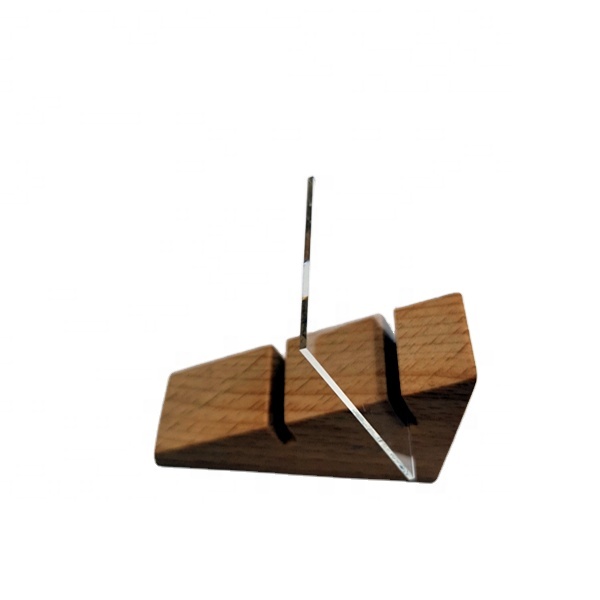
Custom 0.2mm 0.3mm 0.4mm 0.5mm 0.7mm 1mm Thickness BOROFLOAT 33 Borosilicate Glass Sheet
For heat-resistant inspection windows, lighting covers and laboratory enclosures where thermal cycling is routine. Low expansion supports dimensional stability in compact Hamburg instrument designs.

Custom Cut 0.5mm 0.7mm 1mm 1.5mm 2mm Clear Toughened Glass Tempered Corning Gorilla Glass
For touch covers, kiosk fronts, medical device panels and machine-control displays. Chemical strengthening helps thin glass keep flatness while improving surface durability.

Customized Tempered Anti-Reflective Glass AR Coated Tempered Glass
For bright port terminals, outdoor kiosks and instrumentation where reflected light reduces readability. Specify AR coating side, edge finish and print sequence during drawing review.
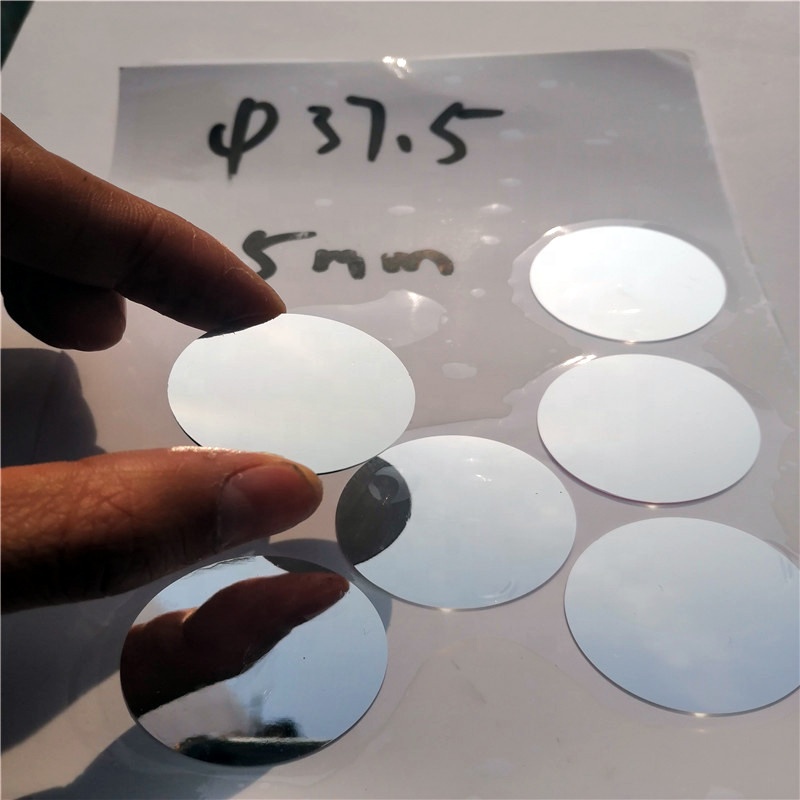
OEM Custom Heat Resistant Gobo Glass Lens
For stage, studio and architectural lighting assemblies exposed to high heat. Custom patterns, outlines and coating details can be reviewed against your optical drawing.
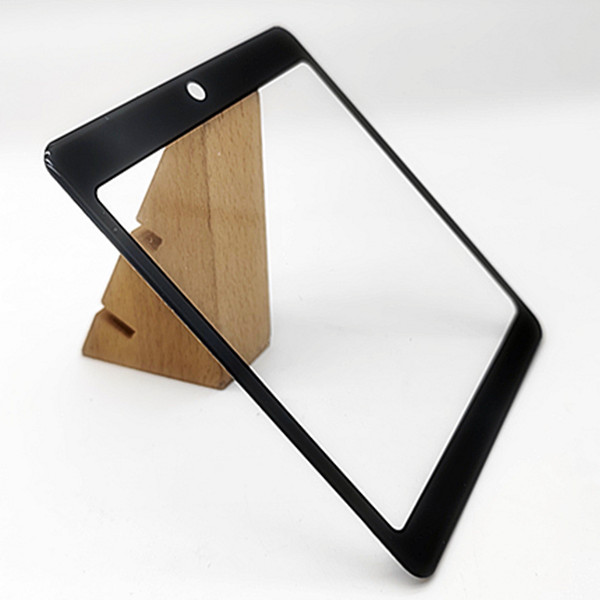
Ultra Clear Gorilla Glass Panel with Silk Screen Printing for Electronic Device
For dead-front borders, logo windows, icon apertures and IR-transparent zones. Print registration and color matching matter as much as glass strength in Hamburg OEM assemblies.
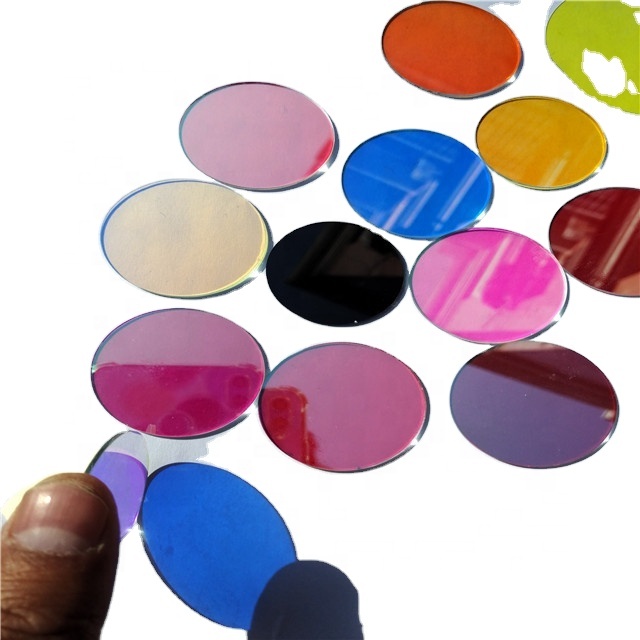
Heat Resistant Borosilicate 3.3 Dichroic Glass Filter
For color separation, stage lighting and optical instruments that combine thermal load with precise coating placement. Sample approval should confirm color appearance and coating side.

Custom Chemically Ultra Thin Clear Transparent Tempered Glass Sheet
For lightweight sensor covers, compact HMI stacks and thin display windows. Ion-exchange strengthening is completed after cutting, drilling and edge grinding.

Custom 0.3mm 0.5mm 0.7mm Heat Resistant Gobo Glass Blanks for Projector
For projector and lighting OEMs that need repeatable thin blanks before patterning or coating. Heat resistance and flatness support stable optical alignment.
Industrial Display Glass for Hamburg: A Buyer’s Guide Beyond the Specification Sheet
A search for industrial display glass manufacturers usually returns a familiar list of suppliers with similar thumbnails: tempered glass, AR glass, printed glass, borosilicate, Gorilla and Eagle XG. The more useful question for a Hamburg buyer is narrower: which supplier can turn a drawing into a repeatable interface part that survives the installation environment, passes incoming inspection and reaches the line without fragile-glass surprises?
That question connects material science, optical coating, mechanical finishing, printing, packaging and documentation. A cover glass for a container-terminal HMI is not specified in the same way as a microscope window, a ship-bridge display, a medical analyzer filter or a stage-lighting gobo. Even when two parts look similar in a photograph, the difference often sits in edge quality, coating side, print registration, strengthening sequence and export packing.
Why the Hamburg market rewards specification discipline
Hamburg combines port logistics, maritime engineering, life-science instruments, media production, industrial automation and a dense network of engineering SMEs. The city’s buyers are often technically fluent and compare drawings, samples, inspection records and replenishment reliability — not only unit price. For a manufacturer, this means the quotation must explain the process route: how the glass is cut, when holes and notches are added, whether strengthening happens before or after printing, and how the finished part will be protected during sea or air freight.
Fevry Glass works from the drawing backward. The substrate is selected first, then cutting, CNC shaping, edge grinding, strengthening, coating, printing, inspection and export packing are sequenced so the glass is not reworked after strengthening. This single accountable route helps Hamburg OEMs reduce hand-offs between a glass cutter, a coater, a printer and a packer. The result is not merely a glass sheet; it is a documented, repeatable component for your assembly.
Hamburg buyer reality check
The lowest price per piece can become the most expensive route when a display cover fails at incoming inspection or creates downtime at a port terminal.
- Maritime air and port dust punish exposed edges and coating defects.
- German incoming inspection expects drawings, material declarations and packing that matches the route.
- The best AR choice is the one that meets the readability target without making assembly fragile or late.
- Thin-glass strength depends on finishing before ion exchange, not on the label alone.
- Consolidated shipments through Hamburg can reduce handling if packaging is engineered first.
Where Industrial Display Glass Performs in and around Hamburg
Hamburg’s industrial identity creates several distinct glass requirements. The same city can host a logistics control room, a ship bridge, a cleanroom analyzer, a public kiosk and a theatre lighting rig — each with a different failure mode.
Port automation and logistics HMIs
Container terminals, rail yards, gate systems, cranes and AGV controls need display cover glass that remains readable under high ambient light. AR-coated or ultra-clear strengthened glass with printed borders can improve contrast while protecting the LCD stack. Vibration, humidity and cleaning agents make edge quality and coating durability part of the specification.
Marine and ship-bridge systems
Hamburg’s maritime cluster includes ship management, offshore service vessels and bridge electronics. Salt-laden air, UV exposure and temperature cycling put pressure on the whole assembly, not only the glass. Specify chemically strengthened low-iron glass, controlled edges and a coating that suits the housing seal. The enclosure design is as important as the glass itself.
Medical, laboratory and life-science instruments
Analyzer filters, biochip substrates, microscope windows and diagnostic device covers require flatness, optical clarity and consistent cut quality. Corning Eagle XG is often selected for alkali-free, low-expansion substrates, while borosilicate 3.3 supports heat-resistant windows and lab enclosures. Clean packing and dimensional records matter in this segment.
Digital signage, kiosks and smart retail
Hamburg’s transit hubs, retail spaces and public information displays need covers that resist scratching, glare and cleaning. Ultra-clear glass with silk-printed black borders and AR coating can create a premium front face while hiding adhesive and connectors. For public installations, design for replacement and predictable replenishment.
Stage, studio and architectural lighting
Hamburg’s media and theatre ecosystem uses gobo blanks, dichroic filters and heat-resistant lenses. These parts are not display covers, but they share the same discipline: precise outline, coating side, thermal resistance and sample approval. Borosilicate 3.3 and dichroic-coated glass help manage heat and color consistency.
Industrial automation, hydrogen and energy
Hamburg’s energy transition and machine-building suppliers need HMI covers for outdoor cabinets, hydrogen equipment, wind-service controls and production lines. UV exposure, chemical cleaning and temperature swings should be discussed early. A chemically strengthened cover with AR coating and a printed dead-front may be a better fit than a thick soda-lime panel alone.
Hamburg Market Trends Re-Shaping Display Glass Demand
Hamburg buyers are moving from commodity cover glass toward engineered front assemblies. The change is driven by port automation, maritime durability requirements, EU compliance expectations and the need for shorter replenishment cycles.
From flat cover glass to integrated front assemblies
More projects combine chemical strengthening, AR coating, silk printing, custom cut-outs and protective packing in one drawing. Hamburg OEMs want fewer interfaces: one supplier for cutting, coating, printing and inspection reduces risk between process steps.
Documentation-first procurement
German purchasing teams increasingly ask for RoHS/REACH declarations, material traceability, inspection records and packing specs before series release. A supplier that treats documentation as an afterthought creates delays at incoming inspection and customs review.
Thin-glass strengthening for lighter HMIs
Compact control panels, handheld instruments and slim kiosks are pushing designs toward 0.5–2 mm chemically strengthened glass. The engineering challenge is to finish all cutting, drilling and edge grinding before ion exchange — not after.
Glare control in bright ports and public spaces
Hamburg’s port terminals, glass offices and public transit displays suffer from reflected light. AR-coated glass improves transmission, but the coating side and print sequence must match the optical stack. In some designs, display brightness and housing geometry matter as much as the coating.
Hamburg as a Northern European replenishment gateway
Sea, air and road connections make Hamburg attractive for consolidated shipments into Germany and nearby Northern European markets. Buyers are examining packaging, pallet configuration and replenishment rhythm earlier, especially when parts are fragile or coated.
Sensor windows and smarter interfaces
Industrial displays increasingly include IR windows, camera apertures, touch sensors and printed icon zones. Silk-printed Gorilla glass and ultra-clear cover glass must balance optical transmission, ink opacity, alignment and scratch resistance.
Matching Glass Material to Hamburg Operating Conditions
Use this preliminary matrix to align the substrate with the installation environment. Final selection should always be confirmed against your drawing, housing design, cleaning method and annual volume.
| Material | Typical thickness | Strength / thermal route | Best Hamburg uses | Specification watch-out |
|---|---|---|---|---|
| Ultra-clear soda-lime | 0.5–4 mm | Thermal tempering or chemical strengthening by design | Display covers, printed windows, AR panels, kiosk fronts | Confirm edge finish, coating side and whether the part will be re-cut after strengthening |
| Gorilla / alkali-aluminosilicate | 0.4–2 mm | Chemical strengthening | Scratch-resistant touch covers, medical panels, thin HMI fronts | Thin glass needs controlled handling; all holes and notches must be finished before ion exchange |
| Borosilicate 3.3 | 0.3–3.3 mm | Low-CTE material; thermal resistance | Heat-resistant windows, gobo blanks, lighting covers, lab glass | Thermal shock performance also depends on edge quality and assembly method |
| Corning Eagle XG | 0.5–1.1 mm | Low-expansion, alkali-free substrate | Biochips, analyzer filters, wafers, PLC and micro-optics | Flatness, cleaning, packing and dimensional inspection are critical for micro-patterning |
| Chemically strengthened thin glass | 0.15–2 mm | Ion exchange | Ultra-thin protectors, sensor covers, compact HMI stacks | Define minimum edge distance, hole spacing and cleaning compatibility before sampling |
Values are typical industry figures for preliminary selection. Final specifications are confirmed against the manufacturer datasheet and your drawing.
Drawing data for a fast, accurate review
- 2D drawing in DWG, DXF or PDF
- Outline dimensions, tolerances and flatness needs
- Material, thickness and edge finish
- Hole, notch, slot and chamfer positions
- Strengthening method and process sequence
- Print colors and Pantone references
- AR coating side or sides
- Application, cleaning method and annual volume
Why Fevry Glass Is a Practical Manufacturing Partner for Hamburg OEMs
Fevry Glass Co., Ltd. is a specialty glass supplier based in Xinyu, Jiangxi, China, serving optical, biological, semiconductor, communications, lighting and electronics customers. Our work is built around custom glass processed to drawing: tempered cover glass, AR-coated glass, silk-screen printed glass, borosilicate 3.3, Corning Eagle XG, glass wafers, optical filters and heat-resistant gobo glass.
We source raw glass from Corning, AGC and established Chinese optical-glass makers such as Chengdu Guangming and Xinhuguang, so projects can begin from traceable, consistent material. Processing is supported by laser, ultrasonic, CNC carving, grinding and inspection equipment imported from the USA, Germany and Japan. We cut, strengthen, coat, print, inspect and pack, replacing a chain of hand-offs with one accountable production route.
For Hamburg buyers, the operational advantage is predictable communication. Fevry Glass is a 10+ year Alibaba.com member with a 5.0/5 buyer rating, a ≤4-hour average response time and a 100% inquiry response rate. Our guiding principle — “Quality is superior, service is supreme, reputation is first” — and our motto — “Your success, our glory” — shape how we review drawings, approve samples and prepare export packing.

Traceable material sources
Corning, AGC, Chengdu Guangming and Xinhuguang support consistent substrate selection for optical, display and lighting projects.
Precision cutting and shaping
Laser, CNC and ultrasonic machining handle custom outlines, holes, notches and edge finishes before strengthening.
Coating and printing control
AR, dichroic and optical coatings can be combined with silk-screen printing, subject to drawing review and sample approval.
Export-ready communication
English drawing review, inspection records, protected packing and shipment planning for Hamburg and Northern European routes.
A Clear Five-Step Route from Drawing to Hamburg Delivery
Designed for procurement teams that need fewer surprises: each step removes ambiguity before the next cost is committed.
Drawing and application review
Share the 2D drawing, material, thickness, tolerances, print colors, coating side and annual volume.
DFM and material route
We confirm manufacturability, recommend a substrate and define the strengthening, coating and printing sequence.
Sample validation
Samples validate fit, edge appearance, silk-print registration and optical performance before series release.
Production and inspection
Dimensional, thickness, flatness and visual checks are built into the route, with records matched to your plan.
Export packing and delivery planning
Interleaved, cushioned packing is specified for air or sea freight to Hamburg and onward distribution.
Common Procurement Questions from Hamburg Display-Glass Buyers
These answers reflect the technical questions we receive from OEMs, integrators and sourcing teams evaluating custom display glass and optical glass projects.
What glass should be used for an outdoor industrial HMI in Hamburg?
Start with the installation environment rather than the glass label. For a semi-outdoor terminal, kiosk or machine-control panel, a chemically strengthened low-iron cover with AR coating and a printed dead-front border is often a practical route. If the glass is thicker than about 3 mm and geometry allows, thermal tempering may be considered. For high heat or thermal cycling, borosilicate 3.3 may be more appropriate than soda-lime. The housing seal, cleaning chemicals and display brightness must also be reviewed; glass alone cannot guarantee readability.
Can AR coating and silk-screen printing be supplied on the same display glass?
Yes, subject to drawing review. The coating side, print side and process sequence must be defined because they affect optical appearance, ink adhesion and assembly orientation. Provide Pantone references, printed area dimensions, coating side or sides and the intended touch surface. A sample is strongly recommended before series production, especially when black borders sit next to visible display areas or when IR-transparent ink zones are required.
What documentation do German buyers usually request?
Typical requests include the approved drawing, material and thickness confirmation, RoHS/REACH declarations where applicable, dimensional inspection records, visual inspection criteria, packing specification, commercial invoice and packing list. Some projects also require material lot traceability or a certificate of origin. Because requirements vary by company and end use, the documentation package should be agreed before the purchase order — not assembled after shipment.
What is the minimum order quantity and sample process?
Most custom cover glass and AR glass items start from 300 to 500 pieces. Custom-cut Eagle XG parts may start from 1,000 pieces, and selected gobo glass blanks can start from as few as 10 pieces. Samples can be arranged to validate fit, edge quality, print registration and optical performance before mass production. Final MOQ depends on size, material, coating, printing and process yield, so the drawing should be reviewed first.
How is custom glass protected during shipment to Hamburg?
Thin and coated glass should be interleaved, cushioned and packed in export-grade cartons or pallets that prevent edge contact and surface abrasion. The packing method depends on size, thickness, coating, print and shipping mode. For sea freight through Hamburg or air freight into the region, buyers should confirm pallet dimensions, moisture protection, labeling and unloading requirements with the supplier before dispatch. Incoterms and final delivery terms are confirmed during quotation.
Why choose borosilicate 3.3 or Eagle XG instead of standard soda-lime glass?
Borosilicate 3.3 expands much less than soda-lime glass, so it tolerates thermal shock better in lighting covers, heat-resistant windows, gobo blanks and laboratory glass. Corning Eagle XG is an alkali-free, low-expansion boro-aluminosilicate substrate with excellent flatness and dimensional stability, which suits biochips, analyzer filters, wafers and PLC substrates. Standard soda-lime glass remains a good choice for many display covers, but the environment and optical requirements should decide the material — not habit or unit price alone.
Send Your Display-Glass Drawing for a Hamburg Project Review
Share your 2D drawing, material, thickness, coating side, print colors and annual volume. Our team will review manufacturability and recommend a practical process route for your Hamburg assembly.