8 Glass Chip Products for Cebu City Buyers
These are not generic catalog photos for decoration. Each product below addresses a real procurement path for Cebu City and Greater Cebu teams: a cover glass for a kiosk or appliance, a printed control window, a heat-resistant lighting blank, an alkali-free substrate, or a thin strengthened sheet for a compact device. Confirm thickness, tolerance, edge finish, coating side and print colors before sampling.

Customized Tempered Anti-Reflective Glass AR Coated Tempered Glass
A strong fit for Cebu City display integrators that need lower reflection in bright showrooms, control rooms and self-service kiosks. AR coating can be specified on one or both sides, while the tempered substrate improves mechanical durability.
View product details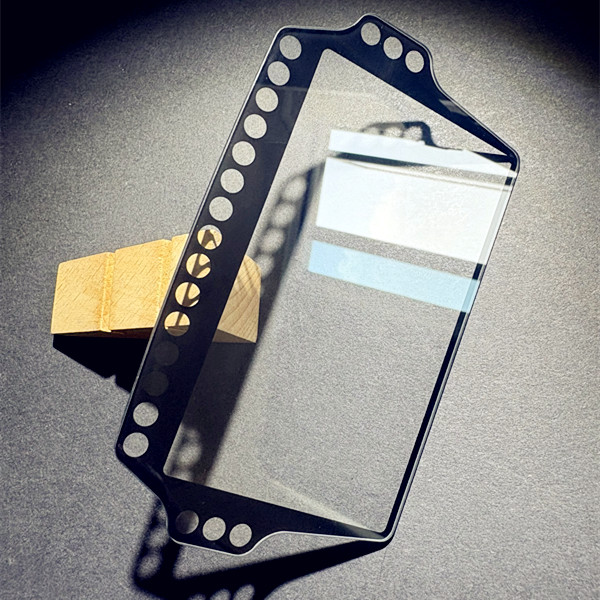
Factory Custom Tempered Silk Printed Gorilla Glass Screen Protector Printing Glass
For HMI covers, touch panels and branded appliance windows where scratch resistance and precise black borders or icon windows matter. Pantone-based print matching and edge finishing are reviewed before sampling.
View product details
Custom 0.2mm 0.3mm 0.4mm 0.5mm 0.7mm 1mm Alkali Free Borosilicate AF32 Glass
A thin, alkali-free borosilicate option for engineers evaluating sensor windows, laboratory slides, optical spacers and heat-tolerant covers. Thin sheets need flat packing and careful edge specification.
View product details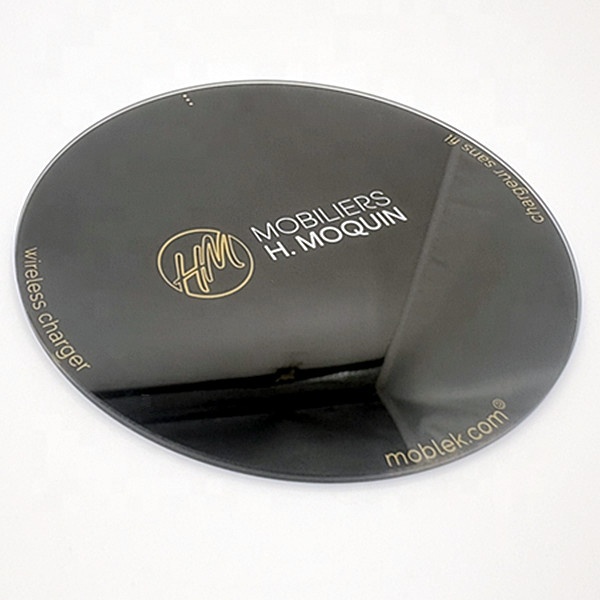
Custom Black Border Tempered Glass Panels Silk Screen Print Tempered Glass
A practical cover-glass choice for Cebu City smart-home, POS terminal, industrial control and appliance designs. Printed borders hide gaskets and adhesive, while tempered glass improves durability.
View product details
Custom 0.3mm 0.5mm 0.7mm Heat Resistant Gobo Glass Blanks for Projector
For lighting OEMs and event-production suppliers in Greater Cebu that need heat-resistant gobo blanks. Borosilicate-type performance helps resist thermal shock in projector and stage-lighting assemblies.
View product details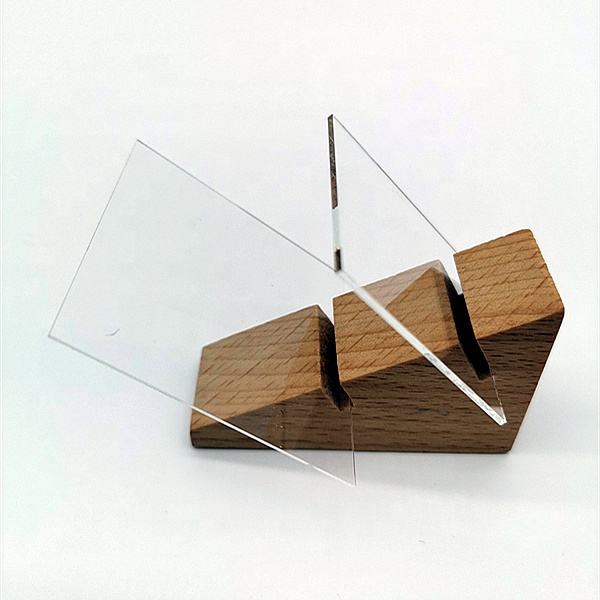
Custom Cut 0.5mm 0.7mm 1mm 1.5mm 2mm 2.5mm 3mm Corning Gorilla Temper Glass
A versatile chemically strengthened glass sheet for thin covers, touch windows and portable instruments. Cebu buyers can validate thickness, print and edge finish in a sample before mass production.
View product details
1.5mm 2mm Tempered Glass Thickness Touch Switch Glass Plate
Designed for touch switch plates, wall controls and appliance interfaces where repeatable touch response and clean printed graphics matter. The heavier glass gives a premium feel and stable flatness.
View product details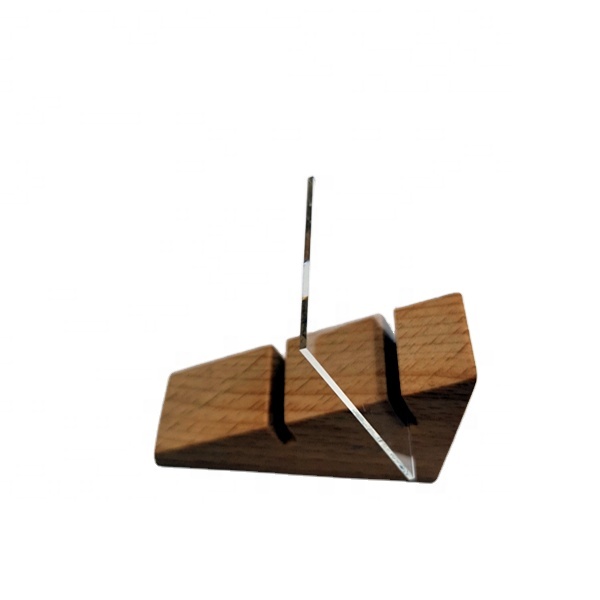
Custom 0.2mm 0.3mm 0.4mm 0.5mm 0.7 mm 1mm Thickness BOROFLOAT 33 Borosilicate Glass Sheet
A heat-resistant borosilicate sheet for light covers, windows and optical applications that see temperature variation. Thin-gauge options help reduce weight in compact devices.
View product detailsWhat “Glass Chip” Means for Cebu City OEMs and Procurement Teams
Cebu City is a compact but internationally connected market. A sourcing team in Cebu IT Park may be designing a self-service kiosk for a hotel group; an EMS engineer on Mactan may be qualifying a display cover for an export customer; a lighting company in Greater Cebu may need heat-resistant gobo blanks for projectors; a university or hospital laboratory may require flat, low-expansion glass for an analyzer. These are different product families, but they share a common purchasing language: drawing, substrate, thickness, tolerance, edge condition, coating, print and packing.
Unlike a semiconductor chip, a “glass chip” in this context is a fabricated precision glass part. It can be as small as a sensor window or as large as a printed control panel. The buyer’s risk is rarely the glass alone; it is the fit between optical performance, mechanical durability and shipping protection. Cebu City buyers often source high-mix, lower-volume lots, so the supplier must convert engineering requirements into repeatable production without forcing a large inventory commitment.
Information gain for Cebu buyers: a useful quote is not a price per square meter. It should state the approved material, thickness range, edge profile, coating side, print color reference, inspection criteria, packing method and sample approval route. This is how a distributor catalog becomes an auditable supply plan.
Where These Glass Components Perform in Cebu City
Cebu City demand is shaped by electronics exports, hospitality, retail, BPO offices, transport, lighting, healthcare and education. The right glass specification changes with the installation environment, cleaning routine and product lifetime.
Displays, POS and kiosks
Hotels, retail groups, BPO offices and transport operators in Cebu City use self-service kiosks, POS terminals and information displays. AR-coated or printed cover glass improves readability in bright lobbies and protects the display stack.
Smart home and building controls
Residential and hospitality projects use touch switch plates and appliance windows. 1.5–2 mm tempered glass with silk-printed icons gives a premium, easy-clean surface for wall controls and room automation.
LED and stage lighting
Event venues and lighting brands need heat-resistant gobo blanks, dichroic lenses or borosilicate covers. Thermal shock resistance matters more than thickness alone, especially in compact projector and stage-lighting assemblies.
Automotive, transport and aftermarket
Dashboard trim, motorcycle and scooter display covers, and transport HMI windows demand scratch resistance, readable graphics and stable dimensional fit under vibration. Printed borders can hide adhesive and mounting gaps.
Medical, laboratory and education
Hospitals, universities and test laboratories use glass filters, microscope slides, sensor windows and analyzer substrates. Low expansion and flatness reduce measurement variability and simplify optical alignment.
Electronics and semiconductor supply chain
Cebu is part of export-oriented electronics value chains. Precision glass wafers, optical communication substrates and thin strengthened glass support test, packaging and optical alignment where dimensional stability is important.
Cebu City Procurement Trends Changing Glass Specifications
Local buyers are not only asking for a lower unit price. They are asking how a glass part will survive installation, cleaning, transport and repeat production. These trends are visible across display, lighting, appliance and electronics projects.
From gloss to controlled reflection
High-brightness displays in lobbies, retail areas and outdoor-adjacent spaces push buyers toward AR coating rather than simply increasing screen brightness. The specification must state reflection target, coating side and cleaning durability.
Thinner, stronger, lighter
Portable devices and compact HMI enclosures favor chemically strengthened glass from about 0.5 mm to 2 mm. Cebu buyers comparing samples should check edge chips, warp and print alignment, not only scratch resistance.
Print becomes part of the function
Black borders, icon windows and IR-transparent ink areas are now functional design features, not decoration. A supplier must control print registration, color consistency and adhesion before strengthening and final packing.
Heat management in compact lighting
Compact LED and projector designs continue to raise thermal-shock concerns. Borosilicate 3.3 and BOROFLOAT 33-type materials are often preferred over soda-lime glass when light covers or gobo blanks see rapid temperature change.
Traceability requested earlier
Export buyers and their Cebu City customers increasingly ask for material identity, thickness records and inspection notes. Supplying a datasheet and an approved drawing revision is now part of supplier qualification.
Sample-first, high-mix sourcing
Instead of committing to one large annual blanket order, more buyers validate several SKUs, then scale the winners. This favors suppliers that can manage mixed thicknesses, prints and coatings without losing packing discipline.
Matching Glass Material to Cebu City Application Requirements
Use this table as a qualification starting point, then confirm thickness, tolerance, coating and edge finish against the material datasheet and an approved drawing.
| Buyer requirement | Material direction | Typical thickness | Why it fits Cebu City applications |
|---|---|---|---|
| Low-glare display window | Tempered glass with single- or double-sided AR coating | 0.5–4 mm | Reduces reflection in bright retail, hotel lobby, kiosk and control-room environments where display readability matters. |
| Scratch-resistant touch cover | Chemically strengthened aluminosilicate or Gorilla-type glass | 0.5–2 mm | Keeps handheld and compact equipment lightweight while resisting daily handling, cleaning and point-to-point contact. |
| Heat-resistant light cover or gobo | Borosilicate 3.3, BOROFLOAT 33-type or AF32-type glass | 0.2–3.3 mm | Better thermal-shock tolerance for compact LED, stage-lighting and projector assemblies used by event and lighting businesses. |
| Low-expansion optical or laboratory substrate | Corning Eagle XG-type or alkali-free borosilicate glass | 0.5–1.1 mm | Flatness and dimensional stability support biochips, analyzer filters, optical alignment and laboratory instruments. |
| Rigid control interface | Thermally tempered printed glass | 1.5–2 mm | Provides a premium touch feel, clean icon graphics and a durable surface for wall controls, appliance panels and building automation. |
| Thin sensor or protective window | Thin borosilicate, AF32-type or strengthened glass | 0.2–1 mm | Useful for compact devices where weight, optical clarity and edge quality matter more than thickness. |
Humidity does not normally change the dimensions of glass, but it can affect labels, adhesives, inks, packaging and storage conditions. For Cebu City shipments, specify sealed bags, desiccant where appropriate, interleaving and cushioned export packing.
Why Fevry Glass Is a Reliable Supplier for Cebu City Buyers
Fevry Glass Co., Ltd., based in Xinyu, Jiangxi, China, is a specialty glass supplier and processor. Its public supplier profile shows 10+ years as an Alibaba.com member, a 5.0/5 buyer rating, 100% inquiry response rate and average response time of four hours or less. These indicators do not replace sample validation, but they are useful when a Cebu City buyer is comparing suppliers for communication discipline and order continuity.
Raw glass is sourced from Corning, AGC and established Chinese optical-glass makers such as Chengdu Guangming and Xinhuguang. Processing uses laser, ultrasonic, CNC carving, grinding and inspection equipment imported from the USA, Germany and Japan. This matters because a cover glass can look correct in a photo but fail at the edge, coating or print stage. Fevry’s scope includes cutting, strengthening, coating, printing, inspection and export packing.
- Custom tempered, AR-coated, printed and chemically strengthened cover glass
- Borosilicate 3.3, AF32-type, BOROFLOAT 33-type and Eagle XG-type substrates
- Laser, CNC and ultrasonic machining with flat, pencil or chamfered edges
- Silk-screen printing, back painting and optical coating review before sampling
- Export packing designed for fragile thin glass and repeated handling



Raw material traceability
Material identity and datasheet review help Cebu engineers avoid substituting a glass grade that looks similar but behaves differently under heat, coating or bonding.
In-house machining
Laser, CNC and ultrasonic processing address outline, holes, notches, slots and edge finish before a part moves to strengthening or coating.
Strengthening and coating
Thermal tempering for thicker panels and ion-exchange strengthening for thin glass are selected according to application, thickness and edge geometry.
Printed graphics control
Pantone-matched borders, logo windows, icon areas and back painting can be reviewed on samples before mass production, reducing fit and appearance disputes.
Inspection discipline
Dimensional and optical inspection checks size, thickness, flatness, edge condition, print alignment and visible defects before export packing.
Export packing and response
Fragile thin glass needs interleaving, cushioning and clearly labeled cartons. Fast technical replies help Cebu buyers close sample and drawing questions before freight is booked.
Supplier Assessment
Third-party verification details for review before qualification.
Ratings and Reviews
5.0/5 average buyer rating visible on the supplier profile.
Transaction Level
Verified order performance data for repeat-order confidence.
Trade History
Past transaction records and export-market experience.
A Practical 6-Step Path from Drawing to Cebu City Delivery
The goal is not simply to ship glass. It is to create a repeatable part that fits the enclosure, meets the optical target and arrives without hidden damage.
Share your drawing
Send DWG, DXF or PDF outlines with dimensions, tolerances, thickness, material, edge finish, holes, notches, print colors, AR side and annual demand.
Engineering review
Confirm manufacturability, substrate choice, strengthening route and inspection criteria. Flag thin-glass packing and print alignment risks early.
Sample approval
Validate fit, optical performance, print color, edge quality and surface appearance before committing to mass production.
Production release
Lock the drawing revision, approved sample and critical-to-quality checklist. Confirm material availability and production scheduling.
In-process and final checks
Inspect dimensions, flatness, edge chips, coating appearance, print registration and visible defects against the approved specifications.
Export packing and freight support
Use interleaved, cushioned packing for fragile thin glass. Provide export documents and work with the buyer’s forwarder for Cebu Port or Mactan-Cebu International Airport routing.
For repeat orders: keep the approved sample, drawing revision and packing specification together. That small documentation habit prevents most color, fit and handling disputes when a Cebu City project moves from pilot build to regular replenishment.
Common Procurement Questions from Cebu City Glass Buyers
These answers are written for engineers, purchasing officers and import coordinators comparing a custom glass supplier for Cebu City projects.
What information should a Cebu City buyer send for a precise quote?
Send a 2D drawing in DWG, DXF or PDF with outline dimensions and tolerances, thickness, material direction, edge finish, hole and notch positions, strengthening method, print colors with Pantone references, AR coating side or sides, end application and estimated annual quantity. For Cebu City delivery, also state your preferred Incoterm, forwarder and whether the goods will move through Cebu Port or Mactan-Cebu International Airport.
What minimum order quantity applies to custom glass chips?
Most custom cover glass and AR glass items start from roughly 300–500 pieces, some custom-cut Eagle XG parts from about 1,000 pieces, and selected gobo glass blanks from as few as 10 pieces. The final MOQ depends on thickness, material, print layout, coating and packing method. Samples are the practical way to confirm fit and optical performance before mass production.
Should I choose AR-coated tempered glass, Gorilla-type glass or borosilicate?
Choose AR-coated tempered glass when reflection control is the main problem in bright kiosk, retail or control-room displays. Choose Gorilla-type or chemically strengthened glass when the part must be thin, scratch resistant and durable in portable or touch applications. Choose borosilicate when heat resistance and thermal-shock tolerance matter, such as lighting covers, gobo blanks or laboratory windows.
Can you support shipping to Cebu City through Cebu Port or Mactan-Cebu International Airport?
Fevry Glass exports to buyers in multiple regions and can prepare export packing and documents for shipment. Cebu City buyers typically coordinate final freight with their own forwarder or broker. Sea freight through Cebu Port and air freight through Mactan-Cebu International Airport should be confirmed with the carrier and customs broker. Share importer requirements early so labels, packing lists and commercial documents can be aligned.
How do we keep quality consistent across repeat orders?
Control the drawing revision, approved sample and critical-to-quality list. The inspection plan should cover outline dimensions, thickness, flatness, edge chips, holes and notches, coating appearance, print registration and packing orientation. For repeat production, reference the same material datasheet and agreed inspection criteria. Supplier transaction history and buyer reviews can support initial qualification, but sample approval remains essential.
Does Cebu’s humidity affect glass performance or packaging?
Glass itself is dimensionally stable under normal humidity, but humidity can affect labels, adhesives, inks, protective films and packaging. For Cebu City shipments, specify sealed bags, desiccant where appropriate, interleaving and cushioned cartons. If the part includes printed graphics or a coated surface, confirm adhesion and cleaning requirements during sample approval and avoid storage conditions that allow condensation.
Ready to Qualify a Glass Chip Manufacturer for the Cebu City Market?
Send your 2D drawing, thickness, material, print color, coating side, annual demand and preferred delivery route. Fevry Glass reviews the specification, recommends a practical substrate and process route, and typically replies within four hours. For Cebu City buyers, include your forwarder details so packing and export documents match the shipment plan.
Inquire Now