Eight Custom Glass Products for Taguig Project Teams
These are direct factory options for heat-resistant technical glass, tempered display glass, printed cover glass and lighting components. For any formal fire-rated application, qualify the complete glazing system—glass, frame, sealant, fixing and installation—against the project specification and local fire requirements. A material datasheet alone is not a fire-rating certificate.
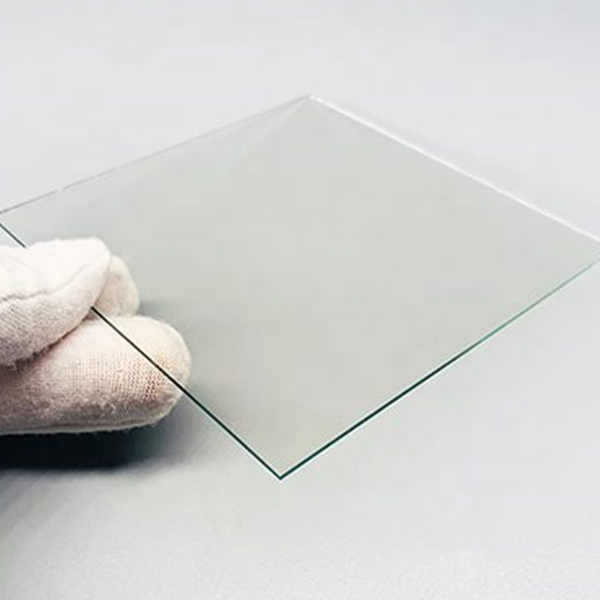
ITO Conducting Glass, ITO Coated Glass, ITO Glass
Taguig fit: touch interfaces, instrument windows and EMI-shielded display components for offices, clinics and electronics firms.
View product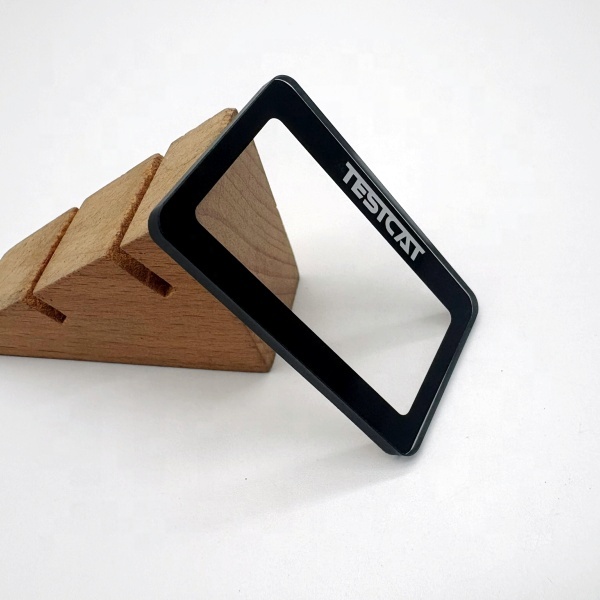
Custom Gorilla Glass Panel Tempered Glass Display Window Silk Screen Printing for LCD Display
Taguig fit: lobby wayfinding, BPO reception displays, LCD windows and premium retail interfaces.
View product
Custom Shaped Tempered Glass Processing, High Transparency Window Panels with Screen Printing
Taguig fit: feature walls, equipment sight windows, display windows and shaped interior glass where drawings control fit.
View product
Custom 0.2mm 0.3mm 0.4mm 0.5mm 0.7mm 1mm Alkali Free Borosilicate AF32 Glass
Taguig fit: thin heat-resistant windows, optical components and precision electronic assemblies with tight dimensional expectations.
View product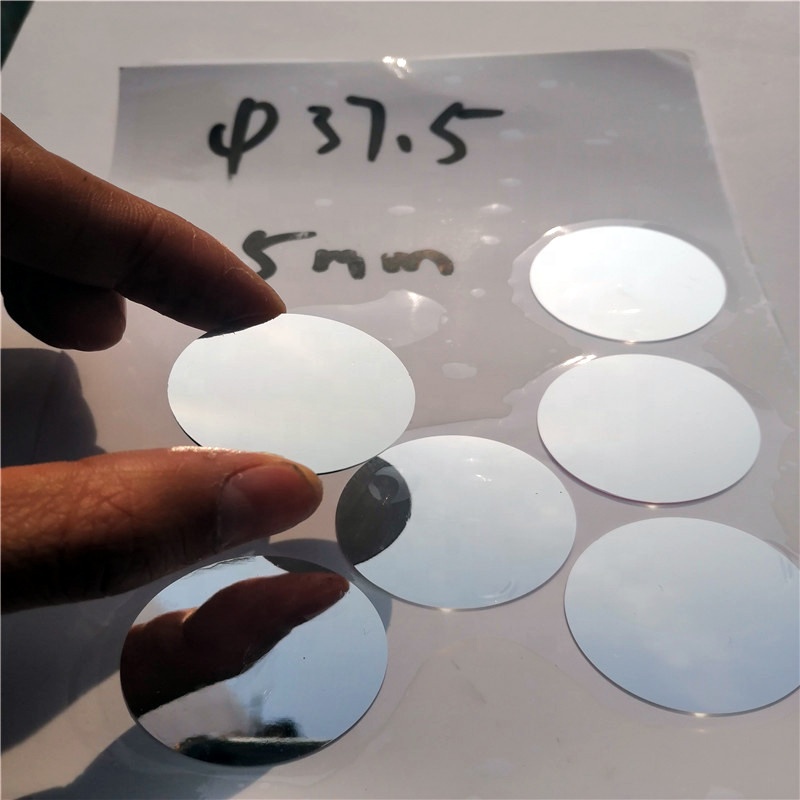
OEM Custom Heat Resistant Gobo Glass Lens
Taguig fit: hotel ballrooms, stage events, architectural lighting and venue installations exposed to focused heat.
View product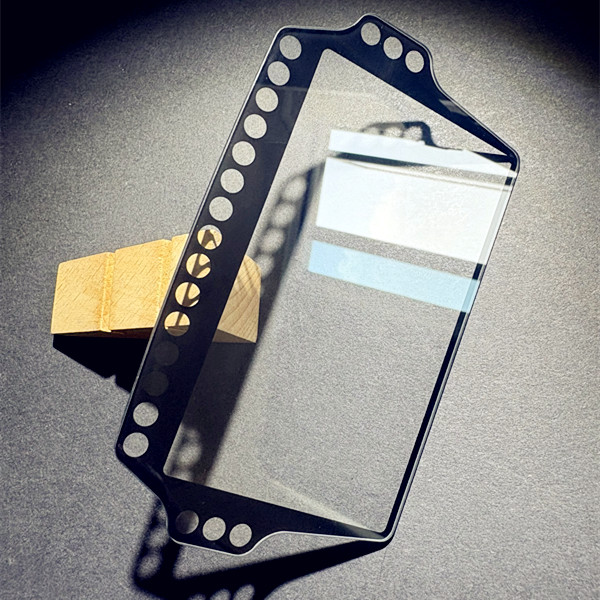
Factory Custom Tempered Silk Printed Gorilla Glass Screen Protector Printing Glass
Taguig fit: protective display covers, smart-home controls and retail interfaces requiring scratch resistance and printed borders.
View product
Custom 0.2mm 0.3mm 0.4mm 0.5mm 0.7 mm 1mm Thickness BOROFLOAT 33 Borosilicate Glass Sheet
Taguig fit: laboratory windows, high-temperature lighting covers and instrument glass needing low thermal expansion.
View product
Custom 0.3mm 0.5mm 0.7mm Heat Resistant Gobo Glass Blanks for Projector
Taguig fit: projector luminaires, entertainment venues, worship facilities and event production teams needing repeatable gobo blanks.
View productNeed a drawing checked before shortlisting? Send the material, thickness, tolerance, edge finish, coating side, print color and annual quantity. Fevry Glass engineering support is built for drawing-based review, not catalogue-only guesswork.
Inquire NowVerified Factory Facts That Shorten Taguig Due Diligence
Why Fire-Resistant Glass Sourcing in Taguig Is Becoming More Technical
Taguig is not a generic glass market. It concentrates high-rise offices, mixed-use estates, hospitality, healthcare, laboratories, retail and transport-linked development across BGC, McKinley Hill, High Street South, Arca South and nearby Metro Manila growth corridors.
Project teams in Taguig are specifying glass across fire-rated stair and corridor assemblies, lobby screens, BPO fit-outs, hotel ballrooms, retail displays, laboratory windows and data or telecom facilities. Each application has a different acceptance test: life safety for fire assemblies, optical clarity for displays, thermal-shock resistance for lighting, and packaging discipline for thin glass imported from overseas.
Fire-resistant glazing is not a single material. It is a system of glass, frame, sealant, setting blocks, edge cover and approved installation. A factory can support the glass component, but the project’s fire protection engineer, architect of record, façade consultant and local installer must align the specification with the Fire Code of the Philippines, Bureau of Fire Protection requirements and the project’s tested assembly. For that reason, Taguig buyers should ask for evidence that matches the intended assembly and application—not just a generic “fire glass” label.
Many Taguig inquiries also involve heat-resistant technical glass rather than formal fire barriers. Borosilicate 3.3, BOROFLOAT 33 and alkali-free AF32 are common for lighting covers, laboratory windows and precision components because low thermal expansion helps resist thermal shock. Tempered or chemically strengthened glass is often used for display windows and printed cover glass. The sourcing decision should start with the performance requirement, then the material, then the processing route.
The most defensible buying rule is simple: qualify the assembly, not only the sheet. A lower unit price becomes expensive if the glass cannot be accepted by the fire protection engineer, does not fit the frame, or arrives with edge damage after a long international route.
Taguig Reality Check
BGC Grade A towers and BPO fit-outs often need repeatable batches, tight color matching and export-grade packing—not one-off samples that cannot be reproduced.
Documentation Priority
For fire-rated work, request assembly test reports, frame details, installation instructions and maintenance limits before comparing unit price.
Lead-Time Control
Thin custom glass cannot be re-cut after strengthening. Approve drawings, print colors, coating sides and edge details before mass production.
Where Fire-Resistant and Heat-Resistant Glass Is Used in Taguig
The best supplier conversation starts with the real environment: a 24/7 office floor, a high-rise residential lobby, a hotel lighting rig, a laboratory bench or a retail display that must remain clear for years.
BGC Grade A Offices and BPO Fit-Outs
Corridor vision panels, stair enclosures, reception displays and glass partitions must balance code compliance, durability and repeatable aesthetics. Where fire rating is required, specify a tested assembly; where the need is display clarity or scratch resistance, tempered and printed cover glass can be appropriate.
High-Rise Residential and Mixed-Use Estates
McKinley Hill, Arca South and nearby residential towers use fire-rated door vision lights, lobby glazing, amenities partitions and heat-resistant lighting covers. Developers need documentation that supports handover, facilities management and future replacement without visual mismatch.
Fire Doors, Stairwells and Protected Corridors
The Taguig project team should confirm whether the requirement is integrity only, insulation, radiation control or impact safety. The glazing supplier, frame supplier and installer must work from the same maximum size, edge cover and fixing method. Substitution with ordinary tempered glass is a false economy.
Hotels, Ballrooms and Event Lighting
Heat-resistant gobo glass lens blanks and projector gobo glass are practical for hotels, event venues and production teams. The focus is repeatable pattern quality, thermal durability and clean edges that survive frequent handling and focused light.
Clinics, Laboratories and Life Science Spaces
Borosilicate 3.3, BOROFLOAT 33 and alkali-free AF32 support laboratory windows, analyzer components and heat-exposed equipment covers. Buyers should clarify cleaning chemicals, coating compatibility, edge quality and whether the glass will be bonded or mechanically fixed.
Data, Telecom and Equipment Rooms
Viewing windows, equipment sight glass and fire-separated rooms require careful coordination between the fire strategy and operational visibility. For these projects, the glass scope should be defined by the tested wall or door system, not purchased as a standalone commodity.
Fire-Resistant Glass vs. Heat-Resistant Technical Glass in Taguig Projects
Confusing these two requirements is one of the most common procurement errors. Heat resistance can support a design, but it does not automatically create a fire-rated barrier.
Fire-resistant glass is specified by performance under fire exposure: integrity, insulation, radiation control, and sometimes impact or hose-stream performance. The test must represent the whole assembly—frame, glazing seal, beads, fixings and size limits. A Taguig project team should compare the proposed glass against the tested system’s published scope. If the frame changes, the maximum size changes, or the installation method changes, the evidence may no longer apply.
Thermal shock is different. A glass may tolerate high heat or rapid temperature change and still not be a fire barrier. Tempered soda-lime glass is useful for strength and safety in many display applications, but it is not a default fire-rated material. Borosilicate 3.3 has a coefficient of thermal expansion around 3.3 × 10⁻⁶/K, roughly one third of soda-lime glass, so it resists thermal shock far better in lighting covers, laboratory windows and heat-exposed components.
Documentation should be traceable to the actual purchase order: material grade, thickness, dimensions, edge finish, coating side, print color, inspection record and packing method. When a fire-rated assembly is required, connect the factory’s component data with the fire protection engineer’s system specification and the local glazing contractor’s installation method. Keep signed drawings and approved samples—verbal assurances are not enough for a handover file.
Tender language worth considering
“Fire-rated glazing shall be supplied as part of a tested assembly with published evidence covering glass, frame, sealant, edge cover and maximum size. Substitution of ordinary tempered glass is not permitted.”
For Taguig projects, confirm the exact local acceptance route with the architect of record, fire protection engineer and Bureau of Fire Protection requirements before releasing the order.
| Material | Typical Thickness | CTE (×10⁻⁶/K) | Likely Taguig Use | Procurement Note |
|---|---|---|---|---|
| Ultra-clear soda-lime tempered | 0.5 – 4 mm | ≈ 9.0 | Display covers, printed windows, safety glazing where approved | Cut, drill and edge before strengthening; not a standalone fire barrier |
| Gorilla / chemically strengthened | 0.4 – 2 mm | ≈ 7.5 – 8.5 | Scratch-resistant touch, LCD and smart-home panels | Confirm impact requirement, print compatibility and AR side |
| Borosilicate 3.3 / BOROFLOAT 33 | 0.3 – 3.3 mm | 3.3 | Heat-resistant lighting covers, gobo blanks, laboratory and instrument windows | Fire rating only as part of a tested system; verify coating and print compatibility |
| Alkali-free AF32 | 0.2 – 1 mm | Low expansion | Thin electronic, optical and heat-exposed components | Control edge quality and confirm surface requirements |
| Corning Eagle XG | 0.5 – 1.1 mm | ≈ 3.2 | Biochips, wafers, PLC and precision optics | Alkali-free substrate; not a fire-rated glazing by itself |
Typical values are for preliminary engineering discussion only. Confirm final properties against the manufacturer datasheet, project specification and tested assembly evidence.
Four Taguig Market Trends Shaping Glass Demand Through 2030
These trends change how suppliers quote, document and pack glass for Metro Manila projects.
1. Vertical Mixed-Use Retrofits
BGC, McKinley Hill and Arca South will continue to see phased fit-outs and upgrades. Buyers need small-batch repeatability, color consistency and replacement parts long after handover. A supplier that can refer back to approved drawings reduces risk for facilities teams.
2. Fire-Safety Documentation as a KPI
Asset owners and contractors are under pressure to prove that fire-rated systems match approved specifications. Procurement teams increasingly ask for assembly evidence, material traceability, installation limits and clear responsibility between factory, fabricator and installer.
3. High-Performance Daylighting and Displays
Premium offices, hotels and retail environments want clarity, low reflection and durable printed interfaces. AR-coated glass, ultra-clear tempered panels and silk-printed cover glass are judged not only on appearance but on scratch resistance and long-term maintenance.
4. Digital Procurement and Diversified Sourcing
Taguig buyers compare factories online, request live technical answers and expect export-grade packing. The winning supply model combines drawing-based engineering, quick sample response, transparent commercial records and a logistics plan that accounts for fragile thin glass.
A Six-Step Sourcing Path from Drawing to Taguig Delivery
Use this sequence to reduce rework, avoid orphaned approvals and keep technical responsibility clear.
Define the Performance Envelope
State whether the need is a tested fire-rated assembly, thermal shock resistance, scratch resistance, optical clarity or a combination. Include the project location, approval route and required documentation.
Send the Drawing Package
Provide DWG, DXF or PDF drawings with outline dimensions, tolerances, holes, notches, edge finish, thickness, material, coating side, print colors and expected annual volume.
Complete Engineering Review
The factory should confirm manufacturability, recommend the substrate and strengthening route, flag thin-glass handling risks and align the glass component with the frame or assembly designer.
Approve Samples and First Articles
Validate fit, print registration, color, coating appearance, edge quality and packing. Approved samples become the reference for production inspection and future replacement orders.
Lock Production and Inspection
Confirm the approved drawing revision before production. Check dimensional records, visual defects, coating or print results and quantity before export packing.
Plan Export Packing and Installation
Use interleaved, cushioned packing for thin glass. Coordinate freight, customs documents, port or door delivery and local installation with an experienced Taguig glazing contractor.



Why Fevry Glass Fits Taguig’s Drawing-Based Procurement Model
Fevry Glass Co., Ltd. is a specialty glass company based in Xinyu, Jiangxi, China. It draws on years of hands-on work with optical, biological, semiconductor, communications, lighting and electronics customers. The company sources raw glass from Corning, AGC and established Chinese optical-glass makers such as Chengdu Guangming and Xinhuguang, then processes it on laser, ultrasonic, CNC carving, grinding and inspection equipment imported from the USA, Germany and Japan.
Capabilities include laser, CNC and ultrasonic machining; thermal and chemical strengthening; AR, dichroic and optical coatings; silk-screen printing; back painting; and dimensional and optical inspection. This one-source model reduces hand-offs between cutting, strengthening, coating and printing—an important advantage for Taguig buyers who need a single accountable technical contact.
The commercial record shown on Alibaba.com includes 10+ years of membership, average response within 4 hours, 100% inquiry response, a 5.0/5 buyer rating and exports to Western Europe, the United States, Japan, South Korea, Taiwan, Hong Kong and Southeast Asia. The company’s guiding principle is “Quality is superior, service is supreme, reputation is first,” with the motto “Your success, our glory.”
Planning a Taguig tender package? Share the application and drawing set so the factory can confirm material route, sample needs and export packing.
Inquire NowProtecting the Specification from Factory to Taguig Jobsite
Thin custom glass has little tolerance for late changes. The most reliable projects use documented approvals, in-process checks and export-ready packing.
Material Traceability
Keep raw-glass source, grade, thickness and batch references attached to the project file. This supports replacement orders and technical review when multiple production lots are involved.
Process Control
Laser, CNC and ultrasonic machining should be matched to the drawing’s hole, notch and edge requirements. Edge grinding must be completed before strengthening because strengthened glass cannot be reworked safely.
Coating and Print Verification
AR coating side, transmission target, print color, icon window and border width should be approved on a physical sample. Keep the approved sample as the production reference.
Dimensional and Visual Inspection
Check outline, thickness, flatness, edge condition, print registration and optical appearance before packing. Record the inspection result with the quantity and drawing revision.
Export Packing
Interleaved surfaces, cushioned corners and rigid cases reduce transit damage. For Taguig deliveries, confirm whether the shipment goes to a port, a consolidator, a fabricator or the jobsite.
Customs and Documentation
Work with your customs broker on HS classification, duties, taxes and import requirements. Typical documents include invoice, packing list, bill of lading, certificate of origin and material or inspection records where available.
Common Local Procurement Questions
Practical answers for developers, architects, glazing contractors and facility managers comparing suppliers.
Can any tempered glass product in this list be used as fire-rated glass?
No. Tempered glass may be strong and thermally stable under certain conditions, but fire-rated glazing must be qualified as part of a tested assembly. Ask for evidence covering the exact glass, frame, sealant, fixing method, maximum size and installation orientation required for the Taguig project.
Which material should we shortlist for heat-exposed lighting or laboratory windows in Taguig?
Borosilicate 3.3, BOROFLOAT 33 and alkali-free AF32 are common starting points because their low thermal expansion helps resist thermal shock. Final selection depends on temperature profile, size, coating, print, mounting method and whether the assembly has a formal fire-performance requirement.
What documents should a local buyer request before releasing production?
Request the approved 2D drawing revision, material grade, thickness, tolerance table, edge-finish requirement, coating or print approval, sample sign-off, inspection plan and export packing instruction. For fire-rated work, add the assembly test evidence and installation requirements from the system owner.
What is the minimum order quantity and can samples be arranged?
Most custom cover glass and AR glass items start from 300 to 500 pieces. Some Eagle XG cut parts start from 1,000 pieces, while selected gobo glass blanks can start from 10 pieces. Samples can be arranged to validate fit and optical performance before mass production; final MOQ depends on the drawing and process route.
How does shipping to Taguig usually work?
Most projects ship by sea or air to Metro Manila depending on size, weight and urgency. The factory prepares export packing; the buyer’s freight forwarder or customs broker coordinates import clearance, duties and final delivery. Confirm whether pricing is ex-works, FOB or delivered, and inspect packing before international transit.
What information helps us receive a fast, accurate quotation?
Send a DWG, DXF or PDF drawing with outline dimensions and tolerances, thickness, glass material, edge finish, hole and notch positions, strengthening method, print colors with Pantone references, AR coating side, application, annual quantity and target delivery schedule. Complete data allows engineering review instead of repeated clarification.
Send Your Taguig Project Drawing for Engineering Review
Tell us whether you need heat-resistant technical glass, a tempered display window, a printed cover panel or a fire-rated component that must align with a tested assembly. Fevry Glass can review manufacturability, recommend the material and process route, confirm MOQ and samples, and plan export packing for the Metro Manila route. For fire-rated systems, include the assembly test standard and frame details so the glass component can be checked against the fire protection engineer’s specification.