Electronic Glass Manufacturers & Wholesalers serving the Nakhon Ratchasima market
Custom tempered, AR-coated, silk-screen printed, borosilicate and Corning® Eagle XG glass, cut to drawing for displays, appliances, lighting, laboratories and industrial electronics in Nakhon Ratchasima.
Eight engineered glass products for Nakhon Ratchasima buyers
These are drawing-based products, not commodity sheets. The list below preserves the original product links and gives buyers a practical starting point for touch panels, appliance covers, lighting glass, instrument windows and thin-glass sensor covers.
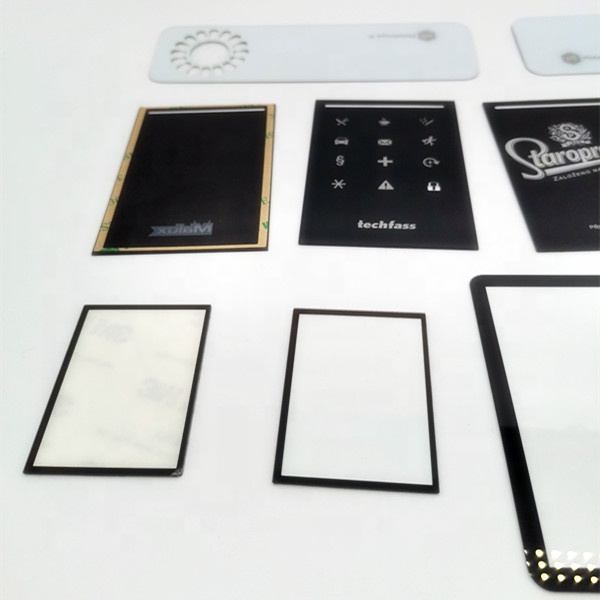
Custom Corning Gorilla Tempered Glass Silk Screen Printing for Touch Screen
Chemically strengthened cover glass with durable printed borders for HMI, appliance and touch-panel assemblies; AR coating and custom cutouts can be reviewed during RFQ.
View product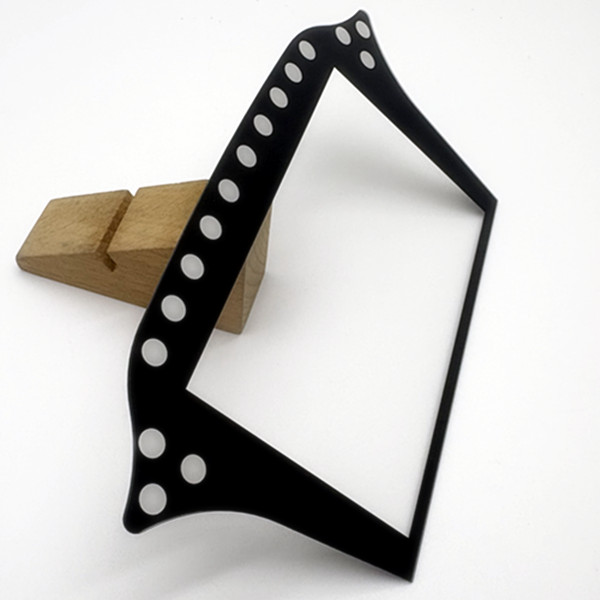
Custom Shaped Tempered Glass Processing, High Transparency Window Panels with Screen Printing
Laser or CNC-shaped tempered panels for equipment windows, display bezels and industrial covers where transparency, edge finish and print registration matter.
View product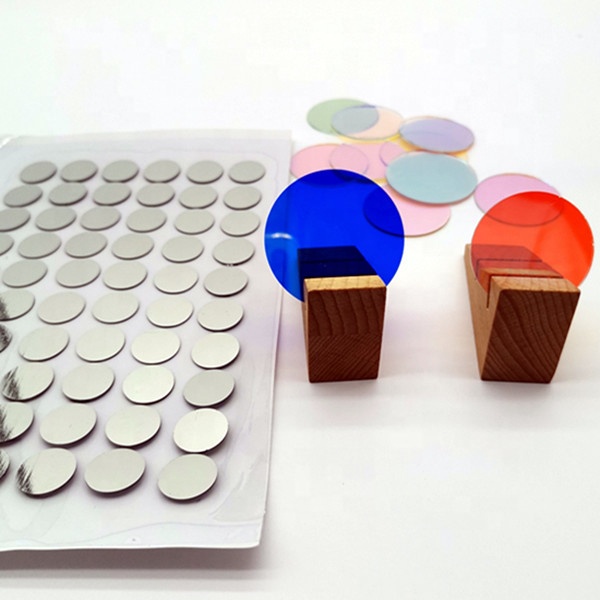
0.2mm 0.3mm 0.4mm 0.5mm 0.7mm 1.0mm 2mm Heat Resistant Gobo Glass Blanks
Thin heat-resistant blanks for stage lighting, gobo patterns and optical lighting components; selected gobo items can start from low quantities.
View product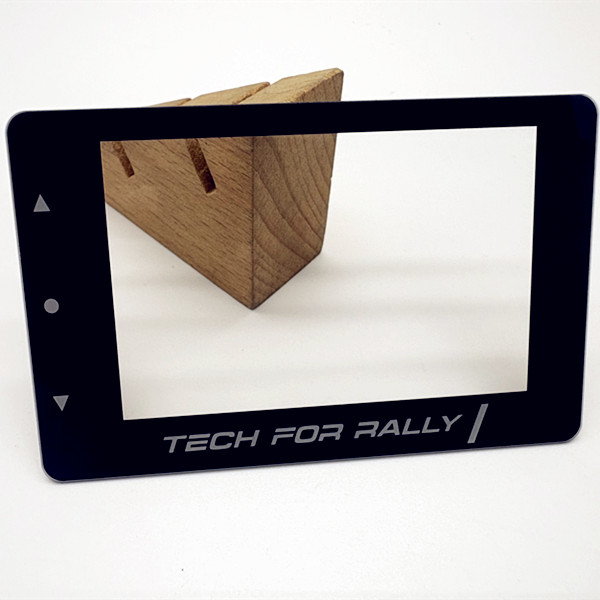
Customize Tempered Glass Silk Printed Ar Coating Gorila Glass LCD Screen protection Display
Printed and AR-coated cover glass that reduces reflections while hiding busbars and creating clear viewing windows for LCD and control-panel displays.
View product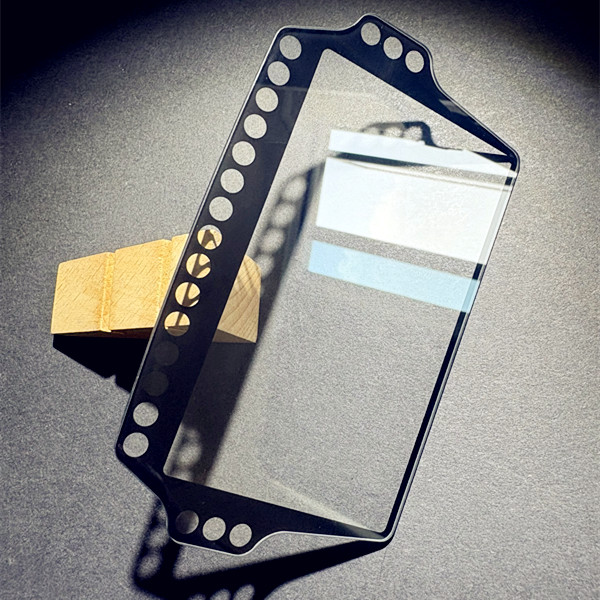
Factory Custom Tempered Silk Printed Gorilla Glass Screen Protector Printing Glass
Factory-printed strengthened glass for scratch-resistant screen protection, appliance touch covers and custom display windows with tight print alignment.
View product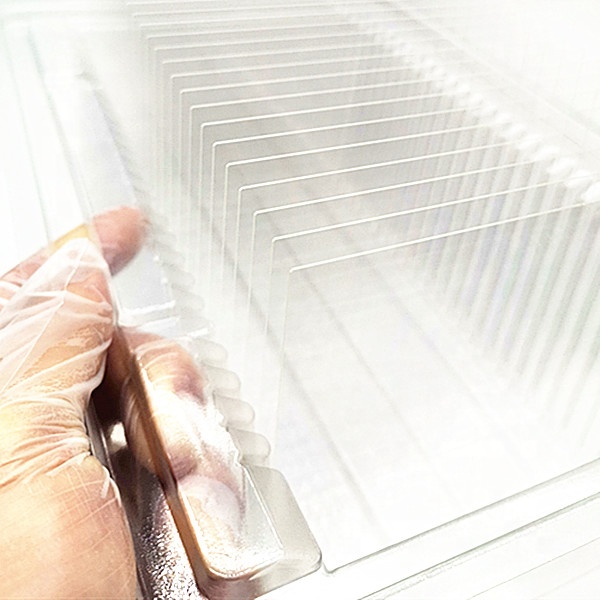
Custom Chemically ultra Thin Clear Transparent Tempered Glass Sheet
Lightweight chemically strengthened sheet for sensor windows, thin display covers and compact electronic devices where thickness and optical clarity are critical.
View product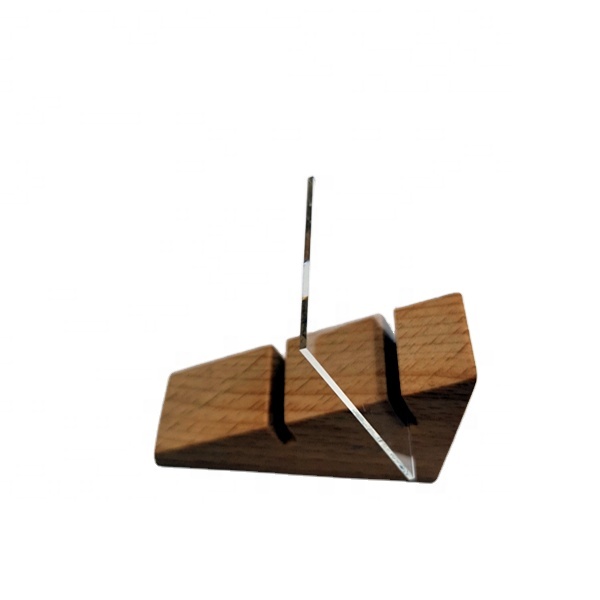
Custom 0.2mm 0.3mm 0.4mm 0.5mm 0.7 mm 1mm Thickness BOROFLOAT 33 Borosilicate Glass Sheet
Low-expansion borosilicate sheet for heat-resistant windows, lighting covers, instrument glass and applications where thermal shock resistance is more important than ordinary soda-lime glass.
View product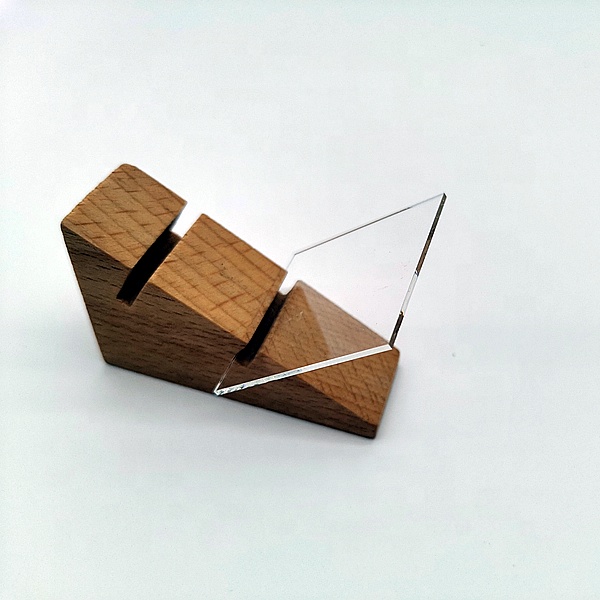
Custom 0.2mm 0.3mm 0.4mm 0.5mm 0.7mm 1mm Alkali Free Borosilicate AF32 Glass
Alkali-free borosilicate glass for dimensionally stable substrates, optical components and laboratory or micro-fabrication projects that need low expansion and clean surfaces.
View productWhy electronic glass specification is different in Nakhon Ratchasima
Nakhon Ratchasima — widely known as Korat — is a regional commercial, logistics and industrial centre for northeastern Thailand. For a buyer here, the real question is not simply “who sells electronic glass?” but “which manufacturer or wholesaler can control the drawing, coating, print, strengthening and export packing without creating rework in Isan?”
Regional demand, drawing-based supply
Buyers in Korat and surrounding Isan provinces support appliance assembly, electronics integration, lighting, laboratories, educational equipment and industrial automation. Local wholesalers can be fast for standard stock, but custom cover glass needs a factory-controlled route from cutting to inspection.
Climate and light shape the stack
Intense sunlight, heat, seasonal humidity, dust and air-conditioned interiors all influence readability, condensation, print durability and edge condition. AR-coated glass, chemically strengthened thin glass and properly selected printing inks often matter more than a small unit-price difference.
Total landed cost beats unit price
Broken corners, inconsistent print colour, coating scratches, wrong tolerances and poor export packing can wipe out a low quotation. A serious supplier should quote against your drawing, define the inspection points and explain how thin glass will be packed for the route into Thailand.
For procurement teams comparing electronic glass manufacturers and wholesalers for the Nakhon Ratchasima market, the strongest shortlist is usually built around process control, sample validation, batch consistency and documentation — not only the lowest price per piece.
Match the glass substrate to the Korat application
Use this table for preliminary engineering discussion. Final specifications must be confirmed against the glass manufacturer datasheet, your drawing and your reliability protocol.
| Material / process | Typical thickness | CTE (×10⁻⁶/K) | Best fit | Nakhon Ratchasima procurement note |
|---|---|---|---|---|
| Ultra-clear soda-lime tempered glass | 0.5 – 4 mm | ≈ 9.0 | Printed cover glass, appliance panels, kiosk windows | Cost-effective for larger covers; AR coating is recommended when the panel faces bright outdoor or retail lighting. |
| Gorilla® / alkali-aluminosilicate, chemically strengthened | 0.4 – 2 mm | ≈ 7.5 – 8.5 | Touch covers, display protection, thin printed windows | Strong option for thin, scratch-resistant covers; confirm print sequence, edge quality and coating side before sampling. |
| Borosilicate 3.3 | 0.3 – 3.3 mm | 3.3 | Heat-resistant windows, gobo blanks, lighting, laboratory glass | Preferred where thermal shock, chemical exposure or high lamp temperatures are expected. |
| Corning® Eagle XG | 0.5 – 1.1 mm | ≈ 3.2 | Biochips, analyzer filters, glass wafers, PLC substrates | Low expansion and flatness support micro-patterning and optical alignment; define cleanliness and packaging requirements. |
| Chemically strengthened ultra-thin glass | 0.15 – 2 mm | Base-glass dependent | Sensor covers, ultra-thin protectors, compact electronics | Thinness saves weight but makes edge quality and packing critical; validate with samples before mass production. |
AR coating, silk-screen printing, back painting and dichroic coating are processes rather than base materials. A single project can combine a borosilicate substrate with an optical coating, or a chemically strengthened cover with printed black borders and an AR viewing window.
Where electronic glass performs across Korat and Isan
The same glass can look identical in a catalogue but behave differently in heat, sunlight, humidity, touch use and cleaning. These application scenarios help buyers frame the RFQ around the real environment.
Smart-home & appliance panels
Air-conditioner controls, refrigerator displays, kitchen appliances and building-control interfaces benefit from printed cover glass with a clear window, AR treatment and humidity-conscious ink selection.
Automotive & EV interior displays
Dashboard trim panels, centre-stack covers and display glass need flatness, precise outlines and print consistency. Buyers should validate tolerances, coating durability and packing before committing to a production volume.
Industrial HMI & outdoor kiosks
High-brightness displays in retail, parking, logistics and factory environments need reduced glare, readable windows and robust edges. AR-coated tempered or chemically strengthened glass is a practical starting point.
Stage, studio & LED lighting
Gobo blanks, dichroic mirrors and heat-resistant lighting covers support event production, rental companies, studios and luminaire makers. High lamp temperatures make borosilicate and coating choice especially important.
Laboratory & life-science glass
Universities, hospitals, food laboratories and agricultural testing services may require Eagle XG substrates, borosilicate windows or optical filter glass with stable dimensions and controlled cleanliness.
Semiconductor & optical communication
Glass wafers, PLC substrate glass and V-groove glass support the wider electronics and communications supply chain. These projects usually demand drawing-level review of flatness, edge chips and packaging cleanliness.
What is changing for glass buyers in Nakhon Ratchasima
These trends are practical signals for procurement and engineering teams planning the next 12–24 months. They do not replace your own market research, but they help explain why specification and supplier qualification deserve more attention.
Supply-chain diversification in Thailand
Thailand’s role in electronics and automotive supply chains continues to grow. Buyers in Korat increasingly compare China-direct manufacturing with local wholesale stock, especially where custom printing and coating are involved.
EV and automotive electronics
EV adoption and vehicle electronics create demand for display covers, interior trim glass and printed panels. As designs multiply, buyers need suppliers who can keep tolerances and colour repeatable across smaller batches.
Smart city and building automation
Access control, energy monitoring, building displays and public-facing terminals need durable glass covers. AR treatment, anti-scratch strengthening and reliable printed borders are becoming part of the specification conversation.
High-brightness outdoor displays
Retail signage, logistics dashboards and outdoor terminals demand readability under sunlight. Buyers should ask for AR performance, print opacity and edge treatment rather than treating glass as a passive cover.
Bioeconomy, medical and agriculture
Thailand’s bioeconomy, medical devices and food/agriculture testing activity can support demand for laboratory and instrument glass. Low-expansion substrates and optical filters need clean packaging and stable documentation.
Sustainability and breakage reduction
Reducing breakage, rework and air-freight emergencies is both a cost and environmental issue. Better drawings, sample approval, interleaved packing and batch inspection often deliver more value than switching to an unproven lower-cost source.
Three specification bundles for common Nakhon Ratchasima projects
These are engineering starting points, not fixed catalogue numbers. Share the end application and annual volume so the substrate, thickness, coating and print can be confirmed against the drawing.
Outdoor HMI / kiosk bundle
For bright environments and public interfaces:
- 1.1–2.0 mm chemically strengthened or tempered cover glass
- AR coating on the viewing side; optional double-sided AR
- Printed black border with clear window and reliable registration
- Edge grinding, dimensional report and interleaved export packing
Smart appliance cover bundle
For air-conditioners, kitchen equipment and control panels:
- 1.0–3.0 mm ultra-clear tempered glass or chemically strengthened glass
- Silk-screen printed icons, borders and hidden busbar areas
- AR viewing window where reflections affect readability
- Custom holes, notches and edge treatment reviewed before sampling
Laboratory & lighting bundle
For heat, optical stability and instrument use:
- Corning® Eagle XG for biochips, analyzer filters and PLC substrates
- Borosilicate 3.3 for heat-resistant windows and lighting covers
- Gobo glass blanks and dichroic glass options for lighting projects
- Clean packaging and specification review against your drawing
A practical RFQ scoring model for Korat glass buyers
Price alone is a weak selection criterion for custom glass. Use a weighted scorecard to compare suppliers consistently. The weights below are an illustrative model — adjust them to your programme, regulatory exposure and launch risk.
What to score before placing a production order
Score each supplier from 1 to 5 for every factor, multiply by the weighting and compare the total. A supplier that scores well on price but poorly on print consistency, drawing review and export packing is rarely the lowest-risk choice for a Nakhon Ratchasima project.
- Confirm that the quotation references your drawing revision, not a generic product photo.
- Ask which process is done before and after strengthening, coating and printing.
- Review the inspection plan for dimensions, appearance, coating side and print colour.
- Request the packing method for thin glass and the expected shipping route into Thailand.
A factory partner for custom glass, not a catalogue-only wholesaler
Fevry Glass Co., Ltd. is a specialty glass company based in Xinyu, Jiangxi, China. Drawing on experience with optical, biological, semiconductor, communications, lighting and electronics customers, the company helps engineers select the right substrate and convert it into a finished, export-ready part.
Raw glass is sourced from Corning, AGC and other multinational producers, and the company works with established Chinese optical-glass makers such as Chengdu Guangming and Xinhuguang. Processing relies on laser, ultrasonic, CNC carving, grinding and inspection equipment imported from the USA, Germany and Japan. For buyers in Nakhon Ratchasima, the advantage is not a claimed local warehouse — it is factory-level engineering control, communication and export packing for the route into Thailand.
- Corning® Eagle XG, borosilicate 3.3 and ultra-clear glass
- Thermal tempering and chemical strengthening
- AR, dichroic and optical coating review
- Silk-screen printing and back painting
- Custom cutting, drilling, notching and edge grinding
- Glass wafers, PLC substrates and optical filter glass
- Gobo blanks and heat-resistant lighting glass
- Export packing for thin and fragile parts



One-stop custom processing
Cutting, shaping, edge grinding, strengthening, coating, printing and inspection can be coordinated as one production route, reducing the hand-offs that create tolerance and colour inconsistencies.
Traceable material sources
Corning®, AGC, Chengdu Guangming and Xinhuguang are part of the material ecosystem. Material identification is documented for projects that need traceable substrate selection.
Imported process equipment
Laser, ultrasonic, CNC carving, grinding and inspection equipment from the USA, Germany and Japan supports fine outlines, edge quality and repeatable inspection.
Application knowledge
Experience across optical, biological, semiconductor, communications, lighting and electronics projects helps translate a drawing into a practical material and process recommendation.
Verified trading record
10+ years as an Alibaba.com member, ≤4-hour average response time, 100% inquiry response rate, 5.0/5 buyer rating and 7+ export regions provide buyers with visible supplier-performance signals.
Service principle and flexible MOQ
The guiding principle is “Quality is superior, service is supreme, reputation is first”; the motto is “Your success, our glory.” Most custom cover and AR glass items start from 300–500 pieces, selected gobo glass from 10 pieces, and custom Eagle XG parts from 1,000 pieces. Samples can be arranged before mass production.
A clear path from drawing to delivery in Nakhon Ratchasima
Designed for procurement teams that need predictable communication and fewer surprises between sample approval and mass production.
Share the drawing
Send DWG, DXF or PDF files with dimensions, tolerances, thickness, material, edge finish, holes, print colours and coating sides.
Engineering review
The factory reviews manufacturability and recommends substrate, strengthening method, coating and printing sequence.
Quotation & sample plan
MOQ, sample timing and inspection points are confirmed against the drawing so the quotation is comparable.
Sample approval
Validate fit, optical appearance, print registration, edge quality and packing before committing to production.
Mass production & checks
Processing is followed by dimensional and visual inspection, with agreed checkpoints before packing.
Export packing & shipment
Interleaved, cushioned packing protects thin glass for the route into Thailand and onward transport to Korat.
Common questions from Nakhon Ratchasima glass buyers
Direct answers for sourcing managers, product engineers and distributors comparing electronic glass manufacturers and wholesalers for the Thai market.
Are you a manufacturer or a wholesaler for Nakhon Ratchasima buyers?
Fevry Glass is a specialty glass manufacturer and exporter based in Xinyu, Jiangxi, China, with processing and export experience. The company supplies direct factory projects and can also support distributors. It does not claim a local warehouse in Nakhon Ratchasima; the value is drawing-based manufacturing, engineering review and export packing.
Which glass should I choose for an outdoor display or kiosk in Korat?
Start with a tempered or chemically strengthened cover glass, add AR coating on the viewing side if reflections reduce readability, and specify a printed border only if the busbar and adhesive area need to be hidden. Final thickness depends on the mechanical requirement, enclosure design and touch integration.
How can we reduce risk from heat, humidity, sunlight and dust?
Define the end-use environment in the RFQ, choose the substrate for the thermal load, confirm print ink suitability, specify the coating side and agree on sample checks for appearance and adhesion. For critical programmes, a project-specific test protocol should be agreed rather than relying on a generic catalogue claim.
What are the MOQs, samples and lead times?
Most custom cover glass and AR glass items start from 300–500 pieces; custom-cut Eagle XG parts may start from 1,000 pieces, and selected gobo glass blanks from 10 pieces. Samples can be arranged to validate fit and optical performance. Production timing is confirmed after drawing review and sample approval because it depends on material, coating and print complexity.
How is glass shipped to Nakhon Ratchasima, and which Incoterm can be quoted?
Shipments can be discussed by air or sea depending on volume, value and urgency, with routing into Thailand and onward transport to Korat. Incoterms should be agreed during quotation. Export packing is critical for thin glass; ask for the proposed interleaving, cushioning and carton configuration before production.
What should I include in an RFQ for a fast, comparable quote?
Send a 2D drawing with outline dimensions and tolerances, thickness, glass material, edge finish, hole and notch positions, strengthening method, print colours with Pantone references, AR coating side or sides, end application and expected annual quantity to info@fevryglass.com. Complete information lets the engineering team respond with a firm recommendation rather than a generic price.
Have a drawing for a Nakhon Ratchasima project?
Send your specifications, target volume and end-use environment. Fevry Glass can review the substrate, strengthening route, AR coating, print layout and export packing before you commit to production.