
Product recommendations
Eight Custom Glass Products for Vancouver Optical and Display Builds
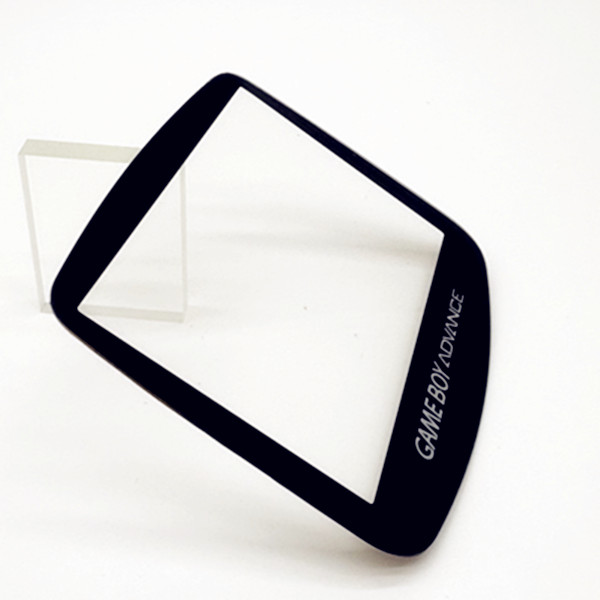
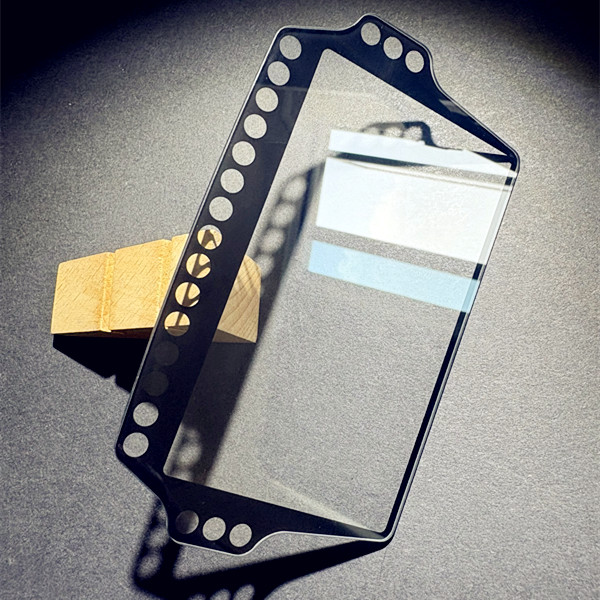
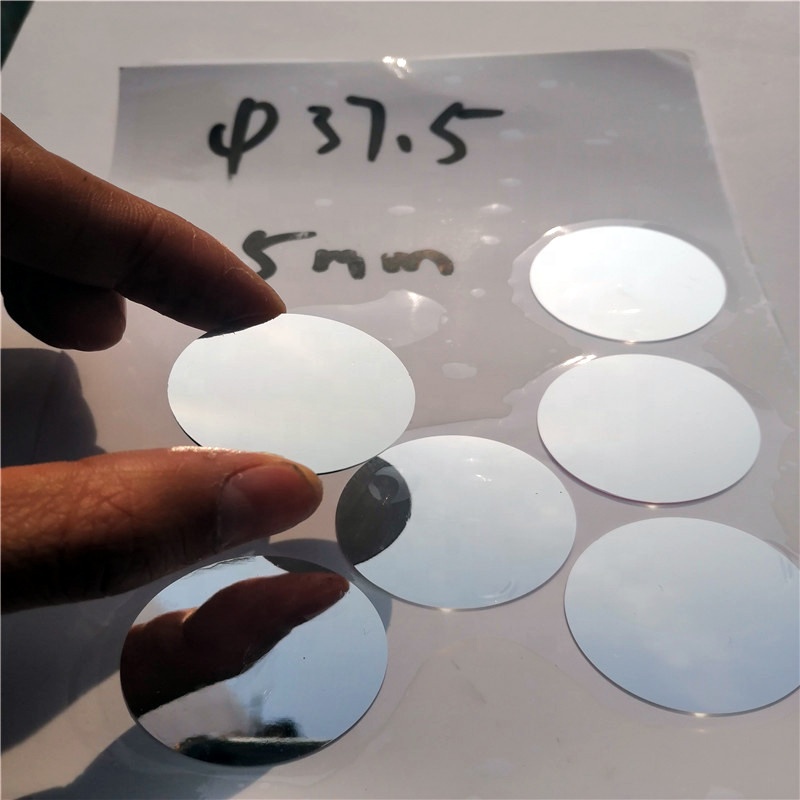
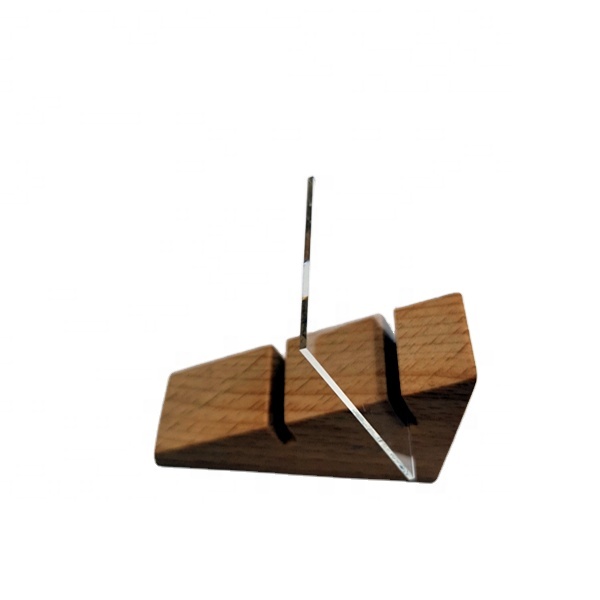
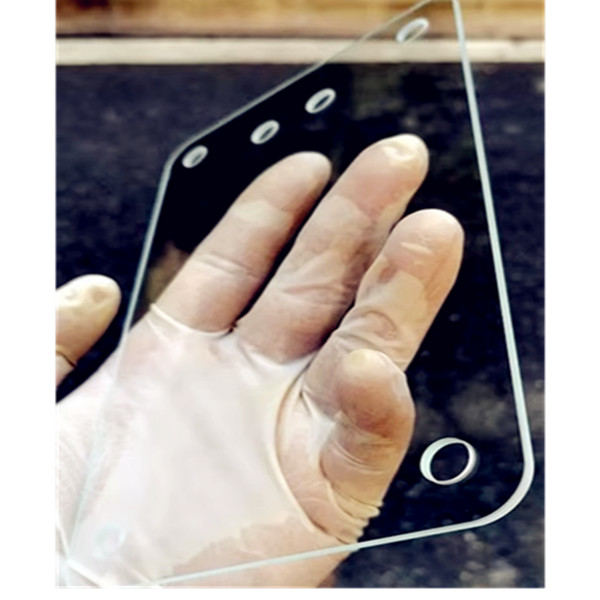
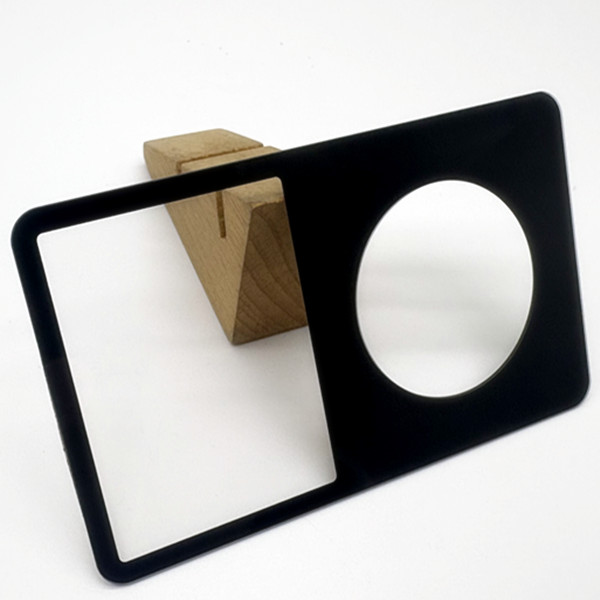
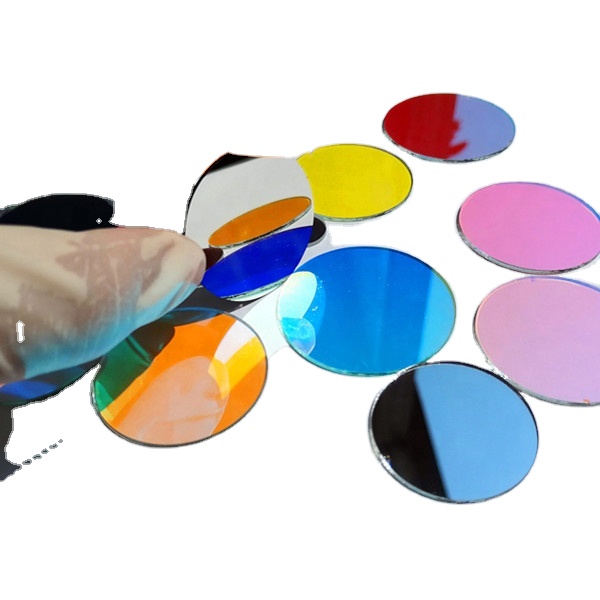
Vancouver buyers rarely need a single catalog part. These eight product families cover dichroic gobo mirrors, borosilicate substrates, tempered cover glass, printed Gorilla glass and heat-resistant lenses. Use them for prototype validation, replacement parts or repeat wholesale volumes.
10+Years as Alibaba.com member
≤4hAverage response time
100%Inquiry response rate
5.0/5Buyer rating
7+Export regions served
Specification intelligence
What Vancouver Buyers Should Specify Before Comparing Dichroic Beam Splitter Quotes
A dichroic beam splitter is an interference-coated optical component, not ordinary tinted glass. The coating reflects one wavelength band and transmits another at a defined angle. If the optical brief is incomplete, a low unit price can turn into expensive rework.
For a Vancouver film studio, the priorities may be color purity, heat resistance and repeatable gobo patterns. For a photonics lab in the Lower Mainland, the priorities may be transition width, polarization behavior, surface flatness and coating durability. For a life-science OEM, the substrate can matter as much as the coating, because dimensional stability and material traceability affect instrument performance. That is why a meaningful quote starts with your optical requirement, not with a generic price per square millimetre.
Fevry Glass Co., Ltd. works from customer drawings and supports custom cutting, strengthening, coating and printing. Our broader supply background includes raw glass from Corning, AGC and established Chinese optical-glass makers such as Chengdu Guangming and Xinhuguang, with processing equipment imported from the USA, Germany and Japan. For Vancouver buyers, that means a quote can be built around a traceable substrate, an export-ready pack and a documented inspection plan rather than a one-size-fits-all stock item.
Vancouver is also a cross-border and transpacific purchasing hub. Buyers often compare a local distributor’s stock price with a direct factory quote, then discover that the real comparison depends on coating curves, substrate grade, edge quality and whether the supplier can repeat the part six months later. Ask for the specification record you will need for incoming inspection, not only a product photo.
Conceptual beam split
Diagram is illustrative. Final coating curves are confirmed against your angle of incidence, wavelength range, polarization and environmental requirements.
| Specification decision | What Vancouver buyers should state | Why it changes the quote |
|---|---|---|
| Angle of incidence | Typical 45° beam splitter, or a custom AOI; note tolerance and mounting orientation. | Dichroic edges shift with angle, so AOI changes the coating design and inspection setup. |
| Wavelength transition | Reflection band, transmission band, edge steepness and blocked range. | A narrow, steep transition usually needs more coating layers and tighter process control. |
| Polarization | Unpolarized, s-pol, p-pol or a polarization-sensitive instrument. | Some splits behave differently for s and p polarization; the optical design must account for it. |
| Substrate | Borosilicate 3.3, BOROFLOAT 33, Corning Eagle XG, ultra-clear soda-lime or Gorilla glass. | CTE, chemical durability, flatness and available thickness affect coating adhesion and long-term stability. |
| Thickness and flatness | 0.3–2 mm for gobo and lighting parts; specify flatness, parallelism and chip limits for imaging. | Thin glass reduces weight but increases handling risk; optical flatness may require extra lapping or inspection. |
| Edge finish | Ground, polished, chamfered, drilled or laser-cut outline with 2D drawing. | Edge quality affects strength, coating coverage and safe handling in a studio or laboratory. |
| Environmental exposure | High heat near a lighting fixture, humidity, cleaning chemicals or outdoor marine air. | Coating and substrate choices may need added durability checks or protective packaging. |
| Inspection documents | Dimensions, thickness, visual defects, coating curve, material certificate and packing list. | Vancouver receiving teams need repeatable data, especially when parts feed an OEM line or rental fleet. |
Values and capabilities are confirmed against the final drawing and material datasheet. This table is a purchasing framework, not a substitute for your optical design review.
Local applications
Dichroic Beam Splitter Applications Across Vancouver and the Lower Mainland
Vancouver’s economy combines film and TV production, photonics research, life-science instrumentation, display hardware, architectural lighting and ocean technology. Each application changes the beam splitter brief.
Film, TV and live production
Gobo glass, dichroic color effects and heat-resistant lenses for studio fixtures, rental houses and touring lighting rigs. Vancouver production teams need repeatable color and safe edge quality.
Photonics and laser labs
Beam routing, fluorescence microscopy, laser diagnostics and optical breadboard builds. Specify AOI, polarization and transition width before comparing coating options.
Life sciences and medical devices
Corning Eagle XG and borosilicate substrates for analyzers, biochips and instrument windows. Dimensional stability and traceable materials matter more than a low unit price.
Display, AR/VR and electronics
AR-coated cover glass, printed Gorilla glass and smart-home panels. Vancouver hardware teams often need low-volume prototypes before a production release.
Architectural and entertainment lighting
Dichroic mirrors for color separation, gobo projection and heat management. Thin borosilicate or heat-resistant glass can reduce thermal stress in compact fixtures.
Ocean technology and industrial sensing
Optical windows, sensor covers and robust borosilicate components for wet, salty or temperature-cycling environments around the Pacific Northwest.
Local sourcing trends
Vancouver Sourcing Trends That Are Reshaping Custom Glass Procurement
Procurement teams are comparing engineering risk, prototype speed and documentation quality, not only unit price. These four trends are visible in custom glass conversations across the Lower Mainland and the Pacific Northwest.
Smaller pilot builds
Studios, hardware startups and research groups need 10–100 pieces before committing to tooling. Selected gobo glass blanks can start from 10 pieces, while custom cover glass and AR parts commonly start from 300–500 pieces.
Wavelength-specific customization
Catalog filters are giving way to application-specific coating curves for 45° AOI, fluorescence instruments and laser systems. Buyers want the coating target documented before samples are approved.
Supply-chain consolidation
One accountable supplier for cutting, strengthening, printing, coating and inspection reduces hand-offs between a glass cutter, a printer and a coater. That matters when a Vancouver launch schedule is tight.
Documentation and traceability
Material certificates, dimensional reports, coating records, HS codes and export packing lists are now part of the buying decision. Strong records reduce friction with customs brokers and incoming inspection teams.
Buyer guide
A Practical Selection Matrix for Dichroic and Optical Glass
Use this matrix as a starting point for material discussions, then confirm optical performance against your design. The right substrate can reduce thermal stress, improve dimensional stability or protect a coated surface.
| Material | Typical thickness | Why buyers choose it | Vancouver use cases |
|---|---|---|---|
| Borosilicate 3.3 / BOROFLOAT 33 | 0.3–3.3 mm | Low thermal expansion and strong thermal-shock resistance; good for heat-resistant windows and gobo blanks. | Stage lighting, gobo projection, instrument windows, heat shields. |
| Corning Eagle XG | 0.5–1.1 mm | Alkali-free boro-aluminosilicate glass with low expansion and excellent flatness for micro-patterning and bonding. | Biochips, analyzer filters, PLC substrates and precision optical parts. |
| Chemically strengthened ultra-thin glass | 0.15–2 mm | Ion exchange raises surface strength while keeping thin glass flat and optically clean. | Sensor covers, ultra-thin protectors and compact display windows. |
| Gorilla / alkali-aluminosilicate | 0.4–2 mm | Scratch resistance and impact strength for exposed touch surfaces and printed cover panels. | Touch displays, smart-home panels, OLED cover glass and POS interfaces. |
| Ultra-clear soda-lime | 0.5–4 mm | Economical clarity for larger cover glass and printed panels when thermal load is modest. | Display windows, decorative printed glass and AR-coated cover panels. |
Typical industry figures are shown for preliminary selection only. Final specifications are confirmed against the manufacturer datasheet and your drawing.
2D drawing with outline, holes, notches and tolerances
Angle of incidence and mounting orientation
Reflection and transmission targets across the wavelength range
Substrate, thickness, flatness and edge finish
Coating side, AR requirement and environmental exposure
Pantone references and printed window areas
Annual volume, prototype quantity and target ship date
Inspection documents required by your receiving team
Company advantage
Why Fevry Glass Is a Practical Manufacturing Partner for Vancouver Buyers
Fevry Glass Co., Ltd. is a specialty glass company based in Xinyu, Jiangxi, China. We serve optical, biological, semiconductor, communications, lighting and electronics customers, and we help engineers select the right substrate before turning it into an export-ready part.
We source raw glass from Corning, AGC and established Chinese optical-glass makers such as Chengdu Guangming and Xinhuguang. Our technicians process material on laser, ultrasonic, CNC carving, grinding and inspection equipment imported from the USA, Germany and Japan. The company states its principle as “Quality is superior, service is supreme, reputation is first” and its motto as “Your success, our glory”. That commitment is tested in sample approval, production checks and export packing.
Corning®AGCChengdu GuangmingXinhuguang
Traceable raw materials
Corning, AGC and established optical-glass sources support consistent substrate selection for repeat orders.
CNC, laser and ultrasonic machining
Custom outlines, holes, notches, slots and edge profiles from a 2D drawing before strengthening.
AR, dichroic and optical coatings
Anti-reflective, dichroic and filter coatings coordinated for lighting, displays and optical assemblies.
Thermal and chemical strengthening
Thermal tempering for thicker panels and ion exchange for 0.15–2 mm thin glass, with cutting completed first.
Silk-screen printing and back painting
Pantone-matched borders, logos, icon windows and IR-transparent ink areas on tempered or strengthened glass.
Verified export service
10+ years as an Alibaba.com member, ≤4-hour average response, 100% inquiry response rate and a 5.0/5 buyer rating.
How we work
From Drawing to Vancouver Delivery: A Six-Step Workflow
Most projects begin with a 2D drawing and a real application. The workflow below keeps optical requirements, sample approval and export packing visible from the first email.
01
Share your drawing
Send outline dimensions, tolerances, thickness, material, coating requirement, print colors and annual volume.
02
Engineering review
We confirm manufacturability and recommend substrate, strengthening method, edge finish and coating side.
03
Material and coating validation
Wavelength, AOI, polarization and environmental exposure are checked before a sample is built.
04
Sample approval
Samples validate fit, print color, coating appearance and optical performance before mass production.
05
Production and inspection
In-process checks cover dimensions, thickness, edge quality, print and visual defects.
06
Export packing and shipping
Interleaved, cushioned packing supports fragile thin glass on the route to Vancouver or a cross-border warehouse.
Vancouver buyer FAQ
Dichroic Beam Splitters and Custom Optical Glass: Common Questions
These are the practical questions Vancouver studios, OEMs and optical distributors ask before requesting a quotation.
Are you a dichroic beam splitter manufacturer or a wholesaler?
Fevry Glass is a specialty glass supplier and custom processor serving OEMs, distributors, studios and research teams. We support material selection, custom cutting, strengthening, printing and optical coating coordination, then supply wholesale quantities from a drawing. For each project, the final manufacturing route is confirmed against the coating specification, substrate and volume.
Can you make a custom beam splitter for 45° angle of incidence?
Yes. A 45° AOI is common for beam-splitting and lighting assemblies, but the coating design must be confirmed for your wavelength range, reflection band, transmission band and polarization. Send the optical target and mounting orientation so the quotation reflects the correct coating and inspection requirement.
What is the minimum order quantity for Vancouver buyers?
Most custom cover glass and AR glass items start from 300–500 pieces. Custom-cut Eagle XG parts can start from 1,000 pieces, while selected gobo glass blanks and dichroic gobo parts can start from 10 pieces. Prototype quantities are quoted case by case, especially when a new coating or print color must be validated.
How long does production and shipping to Vancouver take?
Sample lead time and production lead time depend on material, coating, printing and inspection requirements. A typical custom project moves through drawing review, sample approval and production before export packing. Air freight and sea freight are both possible; transit time depends on the forwarder, customs broker and final delivery address. We provide commercial invoice, packing list, HS code and material documents to support your broker.
Can you match a Pantone print color and an AR coating on the same part?
Yes, printed borders, logos and windows can be combined with AR coating or other optical coatings when the process sequence allows it. Provide Pantone references, print side, coating side and any clear window areas. A sample is the best way to validate opacity, color and optical appearance before production.
Which substrate should I choose for a dichroic or gobo application?
Borosilicate 3.3 and BOROFLOAT 33 are strong starting points for heat-resistant gobo blanks and lighting windows because of their low thermal expansion. Corning Eagle XG is often considered for biochips, analyzer filters and PLC substrates where flatness and dimensional stability matter. Gorilla glass and chemically strengthened thin glass suit exposed display covers. The final choice depends on thermal load, coating process and handling.
How do you pack thin glass for shipment to Vancouver?
Thin glass is interleaved, cushioned and packed in export cartons designed for fragile optical parts. Depending on the size and quantity, we can discuss edge protection, moisture protection and palletization. Please tell us whether your Vancouver receiving team needs individual labels, barcode labels or special unboxing instructions.
What information should I send with my inquiry?
Send a 2D drawing in DWG, DXF or PDF format, plus material, thickness, dimensions and tolerances, edge finish, hole and notch positions, strengthening method, print colors, coating side, AOI, wavelength targets, application and estimated annual volume. If you have a target sample or a competitor part, include photos. Complete information lets our engineers respond with a practical recommendation instead of a generic price.
Send Your Drawing for a Vancouver-Ready Dichroic Beam Splitter Quote
Share your application, angle of incidence, wavelength range, substrate, thickness, print requirements and estimated quantity. Our team can review the manufacturability and recommend a practical glass and coating route for your Lower Mainland project.
Send an Inquiry
info@fevryglass.com