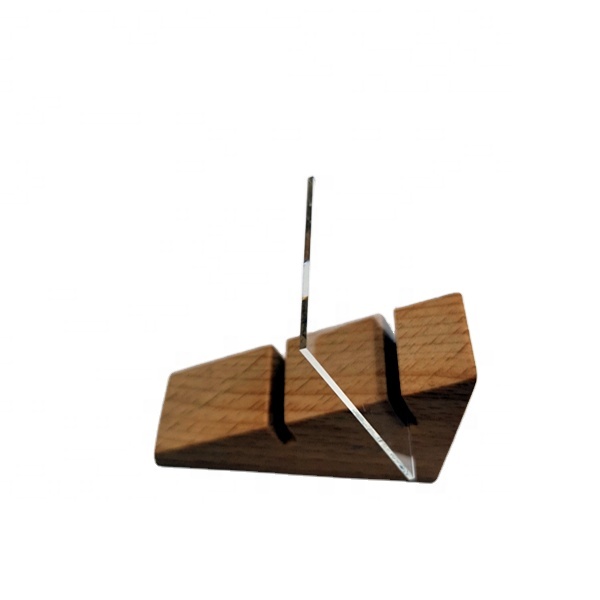
Borosilicate 3.3
Custom 0.2mm 0.3mm 0.4mm 0.5mm 0.7mm 1mm Thickness BOROFLOAT 33 Borosilicate Glass Sheet
Low-expansion glass for heat-resistant windows, lighting covers and thin optical spacers.
View product detailsCut-to-drawing tempered, AR-coated, borosilicate, silk-printed, dichroic and gobo optical glass for Caloocan OEMs, lighting brands, display fabricators, industrial distributors and project buyers.
Review the most practical starting points for Caloocan importers, display assembly teams, lighting suppliers and industrial buyers. Each product can be quoted from your drawing, material, thickness, coating, printing and annual volume.
Low-expansion glass for heat-resistant windows, lighting covers and thin optical spacers.
View product details
Custom color-coated gobo glass for stage, retail, architectural and projector light effects.
View product details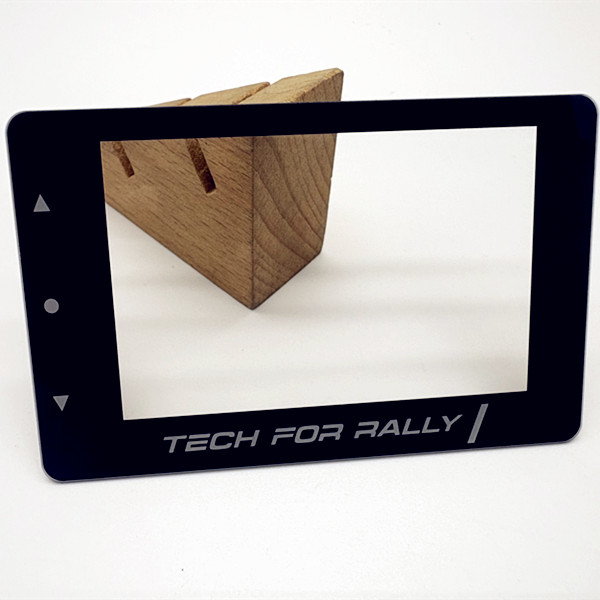
Tempered cover glass with printed borders and AR coating for clearer LCD and HMI viewing.
View product details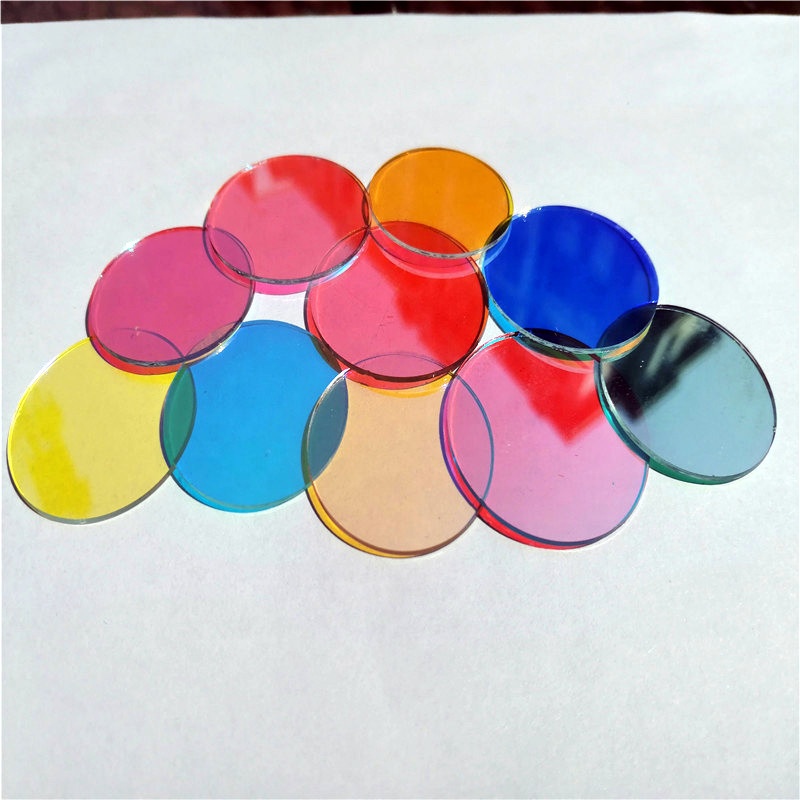
Logo and color gobo glass for branded projection, retail lighting and specialty optical effects.
View product details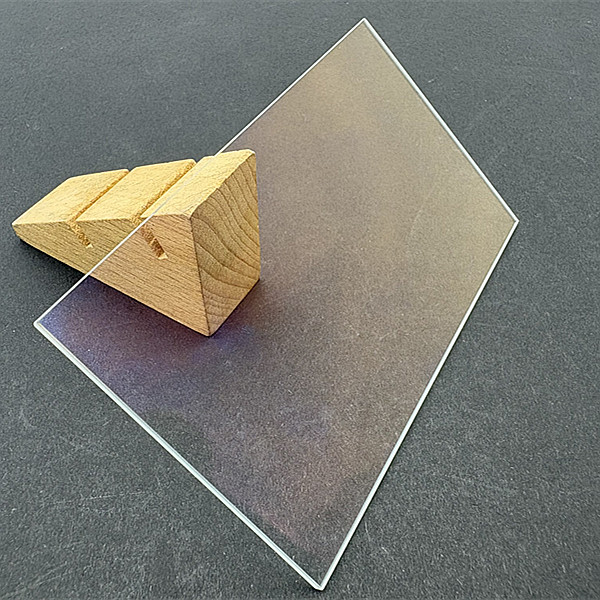
AR-coated tempered glass that reduces surface reflection for displays, signage and sensor windows.
View product details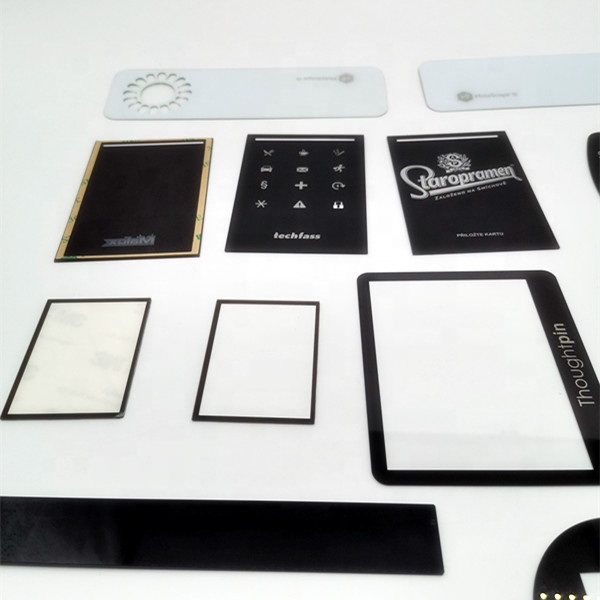
Durable printed cover glass with borders, windows and icon graphics for electronics assemblies.
View product details
Thin, heat-resistant gobo blanks for projector and lighting designs that demand clean apertures.
View product details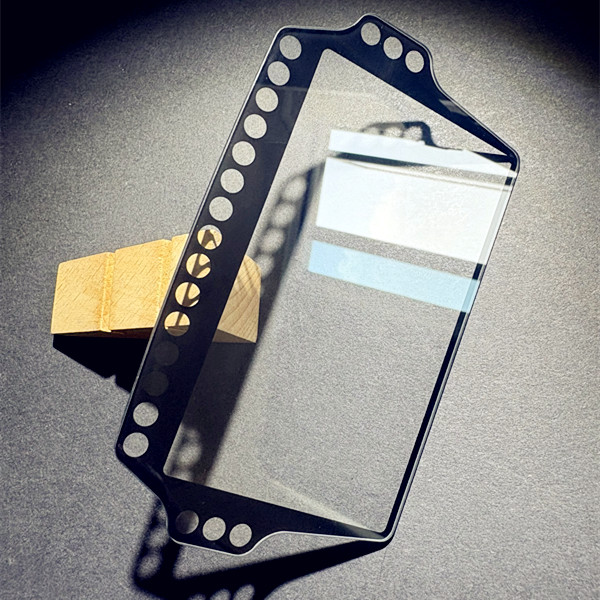
Factory-custom strengthened and printed protector glass for OEM electronics and display modules.
View product detailsCaloocan City is a working industrial and commercial belt in northern Metro Manila. Buyers in Camarin, Bagong Silang, Deparo, Grace Park, Sangandaan and Monumento source components for LED lighting, displays, control panels, storefront fixtures, automotive aftermarket parts, signage, inspection equipment and repair services.
For these teams, optical glass is not a generic offcut. It is a functional part that affects clarity, scratch resistance, heat tolerance, print alignment, assembly fit and the service life of the finished product. A display cover that looks acceptable in a Metro Manila showroom may fail in an outdoor kiosk if the AR coating side, edge finish, silk-print ink and packing method are not specified correctly. A lighting window may discolor or crack if ordinary soda-lime glass is used where low-expansion borosilicate 3.3 is required.
Fevry Glass Co., Ltd. is a specialty glass supplier based in Xinyu, Jiangxi, China, serving OEMs and distributors in Western Europe, the United States, Japan, South Korea, Taiwan, Hong Kong, Southeast Asia and the Philippines. We work with raw glass sources including Corning, AGC, Chengdu Guangming and Xinhuguang, and process materials on laser, ultrasonic, CNC carving, grinding and inspection equipment imported from the USA, Germany and Japan. Our focus is technical glass processed to drawing: tempered cover glass, AR-coated glass, silk-screen printed glass, borosilicate 3.3, Corning Eagle XG, glass wafers, optical filter glass, dichroic glass and gobo blanks.
For the Caloocan market, the practical advantage of working with an experienced custom OEM optical glass sheet factory and exporter is not simply unit price. It is the ability to freeze the material, thickness, tolerance, edge finish, coating side, printing color, strengthening method and export packing before volume production. That reduces rework for Caloocan buyers who coordinate between local assembly teams, Manila-based freight forwarders and overseas engineering departments.
Search intent for “custom optical glass sheet” usually hides several buying intents: material selection, display clarity, heat resistance, printing, strength, sample validation and shipping protection. These four specifications prevent the most common mismatches.
Say “borosilicate 3.3,” “soda-lime ultra-clear,” “Corning Eagle XG” or “chemically strengthened thin glass” — not only “optical glass.” Material choice controls CTE, flatness, heat resistance and coating compatibility.
Provide a DWG, DXF, STEP or PDF drawing with outline size, hole and notch positions, tolerances, corner radius and edge finish. Cutting, drilling and edge grinding must be done before strengthening.
Specify AR coating on one or both sides, transmission expectations, print side, Pantone colors, ink opacity, windows and logo art. Gobo and dichroic coatings need clear application and light-source details.
Thermal tempering suits thicker panels; ion-exchange strengthening suits thin cover glass. Export packing must protect edges, printed faces and coated surfaces through humid, multi-handling Metro Manila logistics.
Use this technical matrix as a first filter. Final thickness, coating, strength and tolerances must be confirmed against your drawing and the manufacturer datasheet.
| Material option | Typical thickness | Why it fits Caloocan use cases | Procurement watch-out |
|---|---|---|---|
| Ultra-clear tempered or AR-coated glass | 0.5 – 4 mm | Display covers, kiosk windows, signage, control panels and inspection windows needing high clarity and scratch resistance. | Confirm AR side, edge quality, print side and whether thermal tempering or chemical strengthening is appropriate. |
| Chemically strengthened thin glass | 0.15 – 2 mm | Ultra-thin screen protection, sensor covers, compact display modules and lightweight protective windows. | All cutting and edge grinding must be completed before ion-exchange strengthening. |
| Borosilicate 3.3 | 0.3 – 3.3 mm | LED lighting windows, heat-resistant covers, gobo blanks, laboratory and instrument glass in hot or cycling conditions. | CTE is about 3.3 × 10⁻⁶/K; use it where thermal shock resistance matters, not as a generic substitute for every cover glass. |
| Corning Eagle XG | 0.5 – 1.1 mm | Biochips, biological analyzer filters, glass wafers, PLC substrates and micro-optics requiring flatness and dimensional stability. | Handle as a technical substrate; specify cleanliness, flatness and packaging requirements. |
| Silk-printed or back-painted glass | 0.5 – 3 mm | Appliance windows, control panels, logo areas, border printing and decorative electronics covers for Caloocan assembly brands. | Pantone matching, ink opacity, curing and print-side protection should be approved on a sample. |
Material names such as Corning®, Gorilla® and Eagle XG® are used for material identification only. Typical values are for preliminary selection; final specifications are confirmed against the manufacturer datasheet and your approved drawing.
Caloocan’s mix of industrial workshops, retail corridors, transport routes and residential commercial areas creates demand for practical custom glass parts, not only laboratory-grade optics.
Tempered, printed and AR-coated cover glass for LCD modules, POS terminals, kiosks, appliance controls and industrial HMI panels assembled or serviced in Caloocan.
Borosilicate windows, heat-resistant gobo blanks and dichroic glass for lighting assembly, stage rental, retail displays and architectural effects in Metro Manila.
Printed and tempered flat glass for dashboard trim panels, display windows and aftermarket electronics housings used by workshops and parts suppliers.
High-transmission tempered glass and AR-coated panels that help protect digital signage, menu boards and storefront displays from dust, cleaning and handling.
Flat, stable glass windows for machine guards, inspection equipment, optical filters, sensor covers and measuring devices used in industrial and laboratory environments.
Custom protector glass, display windows and replacement covers for service businesses that need repeatable fit, print alignment and surface quality across batches.
The local buying journey is shifting from generic sheet purchases toward drawing-based, application-specific sourcing. These trends affect how Caloocan buyers compare factories, exporters and sample lead times.
Retail, logistics and service businesses are using more digital displays, menu boards and self-service kiosks. This increases demand for AR-coated, printed and tempered cover glass that improves visibility and protects screens.
Local lighting suppliers need heat-resistant covers, gobo blanks and dichroic glass for brighter fixtures. Borosilicate 3.3 is increasingly specified where ordinary soda-lime glass may struggle with heat cycling.
Caloocan buyers often need several sizes, print designs and coating options rather than one huge standard sheet. Drawing-based production and sample approval reduce mismatch risk across mixed orders.
Heat, humidity, dust and multi-stage freight make packing, edge protection and coating durability part of the purchase decision. Export packing and traceable material records matter as much as the glass itself.
Fevry Glass Co., Ltd. combines specialty glass sourcing, in-house processing and export communication. The company’s public supplier records and buyer feedback can be checked before a Caloocan buyer commits to samples or mass production.
Raw glass sources include Corning, AGC, Chengdu Guangming and Xinhuguang for consistent technical material selection.
Custom outlines, holes, notches, slots, flat edges, pencil edges and chamfers processed to drawing.
Thermal tempering for thicker panels and ion-exchange strengthening for ultra-thin cover glass down to 0.15 mm.
AR coatings on one or both sides, dichroic and optical coatings, Pantone-matched silk print and back painting.
Size, thickness, flatness and visual defect checks can be planned before packing and shipment.
Interleaved, cushioned packing and clear export communication for fragile glass shipped to the Philippines.
Our operating principles are “Quality is superior, service is supreme, reputation is first” and “Your success, our glory.” These principles are reflected in how we review drawings, confirm samples and pack thin glass for export.
A clear workflow helps Caloocan buyers coordinate engineering approval, sample testing, forwarder booking and mass production without unnecessary back-and-forth.
Send a 2D DWG, DXF or PDF drawing, plus a STEP file if available, with dimensions, tolerances, edge finish, material, thickness, print and coating details.
We review manufacturability, recommend a substrate and strengthening method, and flag risks such as thin edges, tight holes or coating-side conflicts.
Samples validate fit, color matching, print alignment, optical appearance and surface strength before mass production begins.
Processing steps such as cutting, grinding, strengthening, coating and printing are aligned with the approved sample and drawing.
Dimensional and visual checks are performed against the agreed plan, with attention to edges, print position and coated faces.
Glass is interleaved and cushioned for fragile export shipment, then routed by air or sea toward Manila and onward to Caloocan.
These are the questions most commonly asked by Philippine importers, OEM engineers and distributors evaluating custom optical glass sheets from China.
Yes. We export directly and communicate in English by email. A typical shipment is arranged with your freight forwarder or through an international courier, sea freight to Port of Manila or air freight to NAIA, followed by local delivery to Caloocan. Incoterms, duties, taxes and final delivery terms are confirmed at quotation.
Borosilicate 3.3 is often selected for heat-resistant windows, lighting covers and gobo glass blanks because its coefficient of thermal expansion is about 3.3 × 10⁻⁶/K, roughly one third that of soda-lime glass. For projectors and high-power lighting, share the light source, expected temperature and aperture so our engineers can recommend thickness and strengthening.
Humidity itself is not a reason to avoid AR or printed glass, but the coating quality, ink curing, edge condition and packing must be appropriate. For Caloocan shipments we recommend interleaved packing, edge protection and moisture-aware cartons. Final storage and handling guidance can be included with the shipment plan.
Most custom cover glass and AR glass items start from 300 to 500 pieces. Some cut Corning Eagle XG parts start from around 1,000 pieces, while selected gobo glass blanks may start from small trial quantities. MOQ depends on size, material, coating, printing and yield, so the quotation should confirm the exact figure.
Send a 2D drawing in DWG, DXF or PDF with outline dimensions, tolerances, thickness, material, edge finish, hole and notch positions, strengthening method, print colors with Pantone references, AR coating side or sides, application and estimated annual quantity. Photos of the current part or assembly are also useful.
Yes. Silk-screen printing can be used for borders, logos, icon windows and branded control panels. For color-critical jobs, we recommend a sample approval step that checks Pantone references, ink opacity, print position and the viewable side before mass production.
Thin glass needs edge protection, interleaving, cushioning and cartons designed for fragile parts. For Caloocan shipments, packing should account for multiple handling stages between the factory, port or airport, forwarder warehouse and final delivery. Shipping insurance can be discussed with your forwarder or at quotation.
Start with a sample or pre-production piece to check fit, print, coating and appearance. Request production photos or videos, review the agreed inspection criteria, and check public supplier records such as supplier assessment, ratings and reviews, trade capacity and trade history. For critical projects, discuss an inspection plan before the order is confirmed.
Send your drawing and application details for an engineering review. Mention that your delivery market is Caloocan City so the quotation can address export packing, shipping route and documentation requirements.