8 Custom Glass Products for German OEM Optical Coating Programs
These substrate and coating-ready products are frequently evaluated by German display, lighting, biotech, automotive and industrial OEMs. Each product link below preserves the original product page for detailed specifications, drawings and inquiry follow-up.
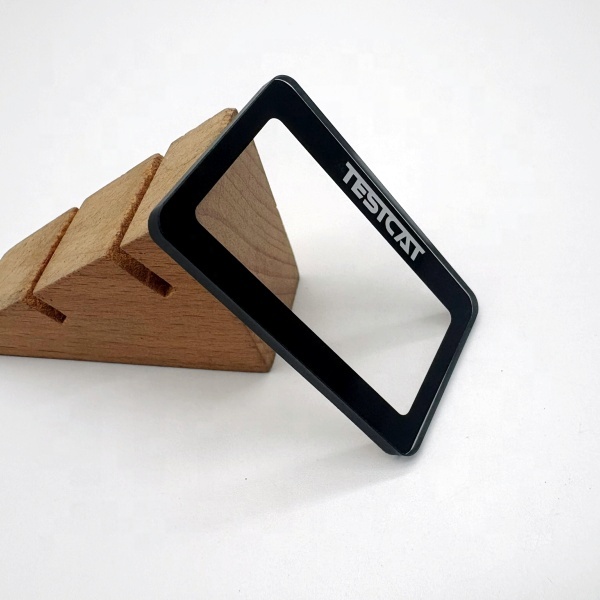
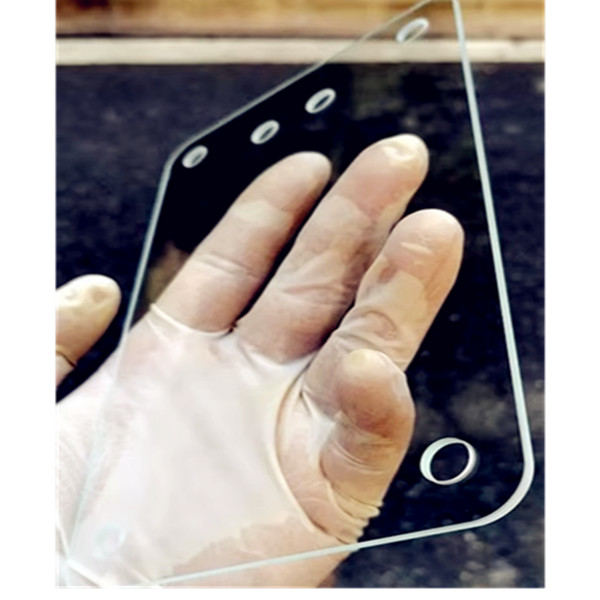
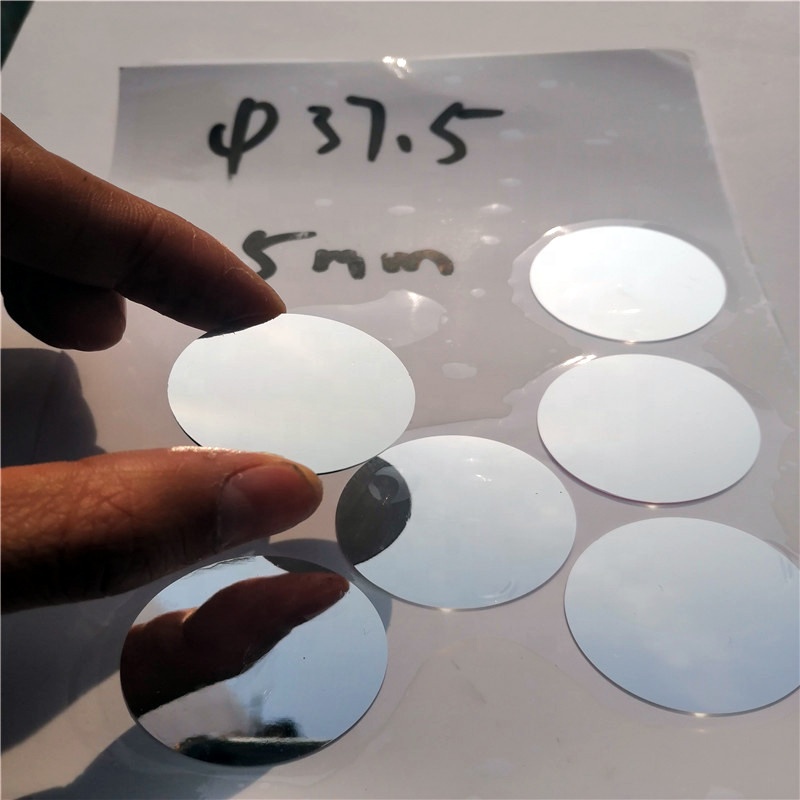
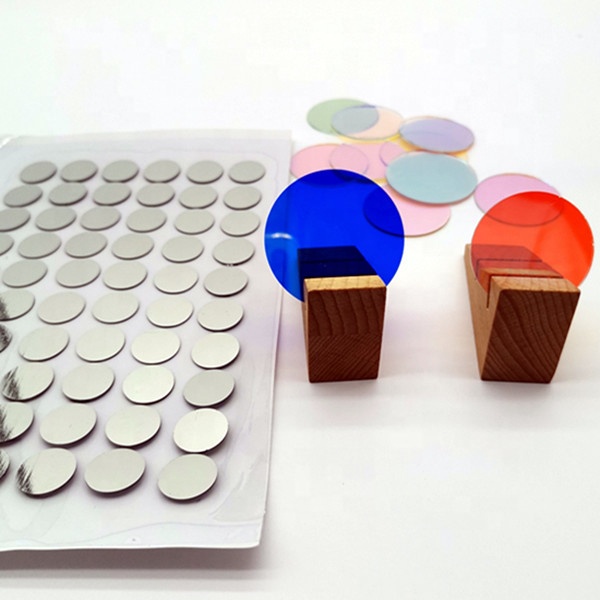
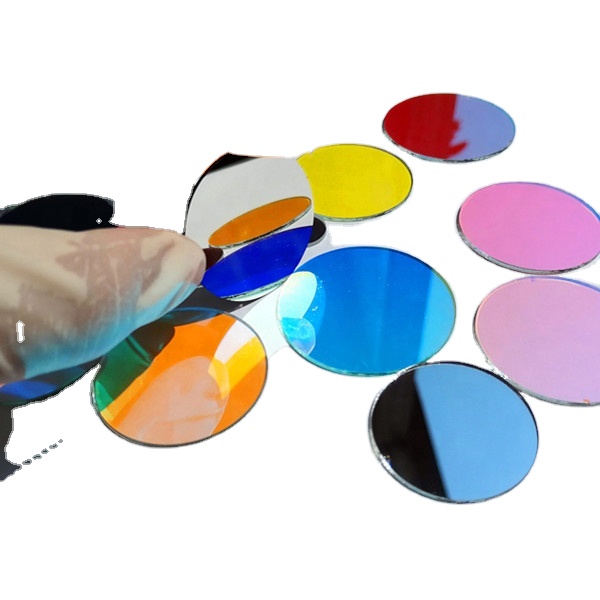
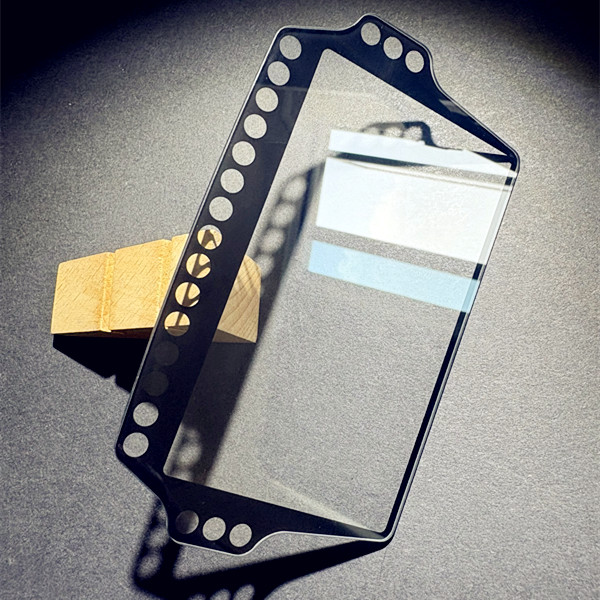
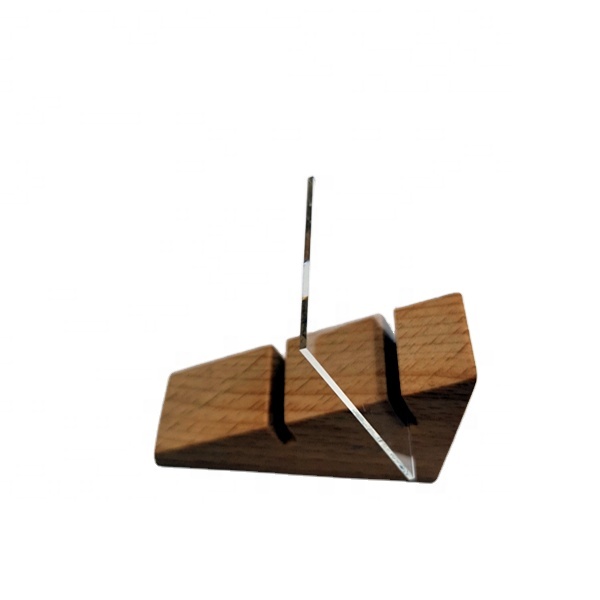
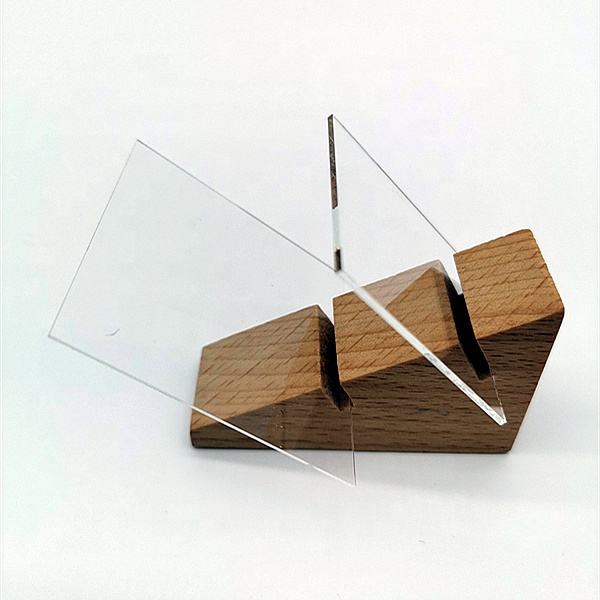
Custom Cut 0.5mm 0.7mm 1mm 1.5mm 2mm 2.5mm 3mm Corning Gorilla Temper Glass
View product specificationsWhy German OEM and Wholesale Buyers Need More Than a Catalogue
Germany is a specification-led market. In automotive HMI, Maschinenbau, laboratory analytics, lighting and smart-building control, the purchase decision is influenced less by a generic price list than by optical clarity after coating, dimensional repeatability, documentation readiness and supply continuity.
For a custom OEM optical coating supplier, every quotation must connect the drawing to the process route: substrate selection, cutting, edge finishing, strengthening, coating side, silk-screen printing, inspection and export packing. German OEMs and their Tier 1 and Tier 2 suppliers often work in high-mix, lower-volume engineering environments. A display cover may need an anti-reflective coating on one or both sides, a printed black border with tight registration, and a strengthened glass edge that survives handling before assembly. A gobo blank may need thermal shock resistance rather than surface hardness. A biotech analyzer window may need flatness and material traceability more than decorative finish.
German wholesalers and distributors add a second layer of expectation: repeat orders must match the approved sample, packaging must protect thin glass through international transit, and documentation must support incoming inspection. That is why Fevry Glass positions itself as a drawing-based manufacturing partner, not a catalogue reseller. The company combines material sourcing from Corning, AGC and established optical-glass makers with in-house cutting, strengthening, coating, printing and inspection capabilities.
Reflection Control at the Display Interface
German automotive, EV charging, medical and industrial HMI designs increasingly specify anti-reflective glass to improve legibility under strong ambient light. The coating must be matched to the display stack, print window and touch surface without changing the fit.
High-Mix, Low-Volume Customization
Mittelstand OEMs and specialist machine builders need customized sizes, holes, notches, printed icons and small production runs. Responsive engineering review and sample approval matter more than one-size-fits-all inventory.
Compliance-First Sourcing
German buyers commonly ask for RoHS and REACH declarations, material batch information, coating records and drawing revision control. A supplier that treats documentation as part of the product reduces incoming-inspection risk.
Supply-Chain Resilience
Dual sourcing, sample validation and consistent repeat batches are practical requirements. For optical glass, resilience means predictable edge quality, coating appearance and packaging, not simply a lower unit price.
Application Scenarios for the Germany Market
The same glass specification can behave differently once it enters a German OEM assembly. Buyers need to evaluate the material, coating and print together with the final environment: heat, light, cleaning chemicals, touch pressure, vibration and inspection criteria.
Automotive and EV HMI Displays
AR-coated or printed cover glass for dashboards, charging stations and control panels. German automotive programs value stable print registration, edge quality and documentation that supports PPAP-style reviews and incoming inspection.
Industrial Automation and Machine Vision
High-clarity windows, sensor covers and protective glass for machine tools, inspection systems and industrial cameras. Borosilicate and thin Gorilla® glass can be cut to drawing with holes, notches and edge finishes.
Stage, Studio and Architectural Lighting
Heat-resistant gobo blanks and dichroic mirrors for entertainment lighting, architectural spotlights and optical effects. Borosilicate 3.3 is chosen for thermal shock resistance, while dichroic coatings support color control.
Medical, Biotech and Laboratory Analytics
Alkali-free Eagle XG, borosilicate windows and optical filter glass for analyzers, biochips and instrument inspection. Flatness, dimensional stability and consistent material batches are central to German laboratory equipment buyers.
Smart Home and Building Control
Printed tempered glass panels, display windows and back-painted covers for thermostats, access controls and home energy devices. German buyers increasingly ask for scratch-resistant surfaces and clean printed icon windows.
Optical Communication and Photonics
Glass wafers, PLC substrate glass and precision-cut optical parts for communication modules and photonic assemblies. Dimensional consistency and surface quality are more important than decorative appearance in this segment.
Selection Matrix for German OEM Glass and Optical Coating Projects
Use this matrix as an early-stage decision tool. Final specifications must always be confirmed against the manufacturer datasheet, the drawing and the intended application environment.
| Substrate | Typical Thickness | Optical or Thermal Logic | German-Market Application Fit |
|---|---|---|---|
| Borosilicate 3.3 / BOROFLOAT 33 | 0.2–3.3 mm | CTE around 3.3 × 10⁻⁶/K; strong thermal shock resistance and good optical clarity. | Gobo blanks, lighting covers, heat-resistant windows, laboratory and instrument glass. |
| Corning® Gorilla® glass | 0.5–3 mm | Chemically strengthened surface for scratch resistance and thin-glass durability. | Touch HMI covers, printed display windows, screen protectors and durable control panels. |
| Corning® Eagle XG® | 0.5–1.1 mm | Alkali-free boro-aluminosilicate with low expansion, flatness and dimensional stability. | Biochips, analyzer filters, PLC substrates, micro-optics and semiconductor-adjacent glass. |
| Ultra-clear soda-lime glass | 0.5–4 mm | High transmission and cost-efficient coverage when AR coating, print or back painting is required. | Display cover glass, decorative control panels, back-painted LED covers and printed windows. |
| Dichroic-coated borosilicate | 0.3–2 mm | Selective reflection and color separation for optical effects and lighting control. | Dichroic gobo mirrors, stage lighting color effects and specialized optical filters. |
What to Send for a Reliable Custom OEM Quotation
German engineering teams usually obtain faster and more accurate quotations when the inquiry includes manufacturing intent, not only a size. The checklist below reflects the information Fevry Glass needs to evaluate a custom glass or optical coating project.
Drawing and Tolerance Package
Send a 2D drawing in DWG, DXF or PDF with outline dimensions, tolerances, hole and notch positions, edge finish and the critical inspection dimensions for incoming goods.
Coating and Print Specification
State the glass material, thickness, strengthening method, AR coating side or sides, dichroic requirement, print colors with Pantone references and whether the printed window must remain transparent to IR or visible light.
Compliance and Traceability File
For German projects, clarify the RoHS and REACH documentation expected, material batch records, coating records, drawing revision level and any customer-specific declaration required for supplier qualification.
Volume, Packaging and Repeatability
Share the annual volume, first-order quantity, sample quantity and packaging requirements. Repeat orders depend on stable edge quality, coating appearance and protective export packing for thin glass.
Why German OEMs and Wholesalers Choose Fevry Glass
Fevry Glass Co., Ltd. is based in Xinyu, Jiangxi, China. The company serves customers in optical, biological, semiconductor, communication, lighting and electronics industries with processed glass supplied to drawing.
Traceable Raw-Glass Sourcing
Raw glass is sourced from Corning, AGC and established optical-glass makers such as Chengdu Guangming and Xinhuguang. For German buyers, this supports batch consistency and material review before production.
One-Stop Glass Processing
Laser cutting, ultrasonic processing, CNC carving, grinding, thermal tempering, chemical strengthening, AR coating, dichroic coating, silk-screen printing, back painting and inspection can be coordinated under one quality plan.
Imported Production Equipment
Processing and inspection equipment imported from the USA, Germany and Japan supports repeatable cutting, edge quality, surface inspection and dimensional checks for custom optical glass parts.
Export Experience and Response Speed
Public Alibaba.com records show 10+ years of membership, a 100% inquiry response rate, average response within 4 hours and a 5.0/5 buyer rating. Fevry Glass regularly serves Western Europe, the United States, Japan, South Korea, Taiwan, Hong Kong and Southeast Asia.
From Drawing to Delivery: A Clear Four-Stage Workflow
The most efficient custom optical glass projects are those where engineering, sample approval and production inspection are treated as one continuous process.
Engineering Review
Fevry Glass reviews the drawing, material, thickness, coating side, print colors and application environment, then recommends a practical substrate and process route.
Sample Approval
Samples validate fit, edge finish, print registration, coating appearance and optical performance before mass production. German buyers can align the approved sample with incoming inspection.
Production and Inspection
Cutting, strengthening, coating and printing are followed by dimensional and visual checks. Batch consistency is especially important for repeat wholesale orders.
Export Packing
Thin glass and coated surfaces require interleaved, cushioned packing. Export cartons are prepared for international shipping and distributor handling.
Custom OEM Optical Coating, MOQ, Compliance and Material Questions
These are the questions most often raised by German OEM engineers, wholesale distributors and sourcing teams evaluating a custom glass supplier.
Can Fevry Glass supply custom OEM optical coating glass to Germany?
Yes. Fevry Glass supplies custom-cut tempered glass, AR-coated glass, dichroic glass, silk-screen printed glass, borosilicate 3.3, Corning Eagle XG and Gorilla® glass processed to drawing. German buyers can request a project review using a 2D drawing, material specification, coating side, print details and expected annual volume.
Which optical coating should a German OEM choose for display cover glass?
The decision depends on the display stack and the environment. Single-sided or double-sided anti-reflective coating can reduce glare and improve legibility, while uncoated high-clarity glass may be sufficient when the display has its own optical bonding. The coating should be reviewed together with print windows, touch sensitivity, cleaning chemicals and transmission targets.
What is the minimum order quantity for OEM and wholesale orders?
Most custom cover glass and AR glass items start from 300 to 500 pieces, some custom-cut Eagle XG parts start from 1,000 pieces, and selected gobo glass blanks can start from 10 pieces. The final MOQ depends on the drawing, material, coating and process complexity. Samples can be arranged before mass production.
Can you provide RoHS, REACH, material traceability and inspection records?
Fevry Glass can support buyer qualification with material batch information, coating and print process records, dimensional inspection data and drawing revision control. RoHS and REACH documentation requirements should be confirmed for each part number so the final declaration matches the actual glass, coating and printing process used.
Which glass is preferred for heat-resistant gobo and lighting applications?
Borosilicate 3.3 is usually preferred because its coefficient of thermal expansion is about 3.3 × 10⁻⁶/K, roughly one third that of soda-lime glass. It handles thermal shock better in gobo blanks, lighting covers and heat-resistant windows. Dichroic-coated borosilicate can be specified when color separation is also required.
How are thin coated glass parts protected during export to Germany?
Thin glass and coated surfaces require interleaved protection, cushioning and rigid export cartons. For repeat wholesale orders, packaging can be aligned with the distributor's handling process and labeling requirements. Stable packing is essential because damaged edges or coating marks can affect both appearance and installation.
Have a German OEM Drawing or Optical Coating Specification?
Send your glass material, thickness, coating sides, print colors, tolerance requirements and annual volume. Fevry Glass will review the process route and reply with a drawing-based recommendation.
Inquire Now