Eight OEM Electronic Glass Products for Fukuoka Buyers
These eight product families are practical starting points for Fukuoka-area OEMs sourcing display cover glass, heat-resistant borosilicate windows, AR-coated panels, dichroic filters and lighting gobo glass.
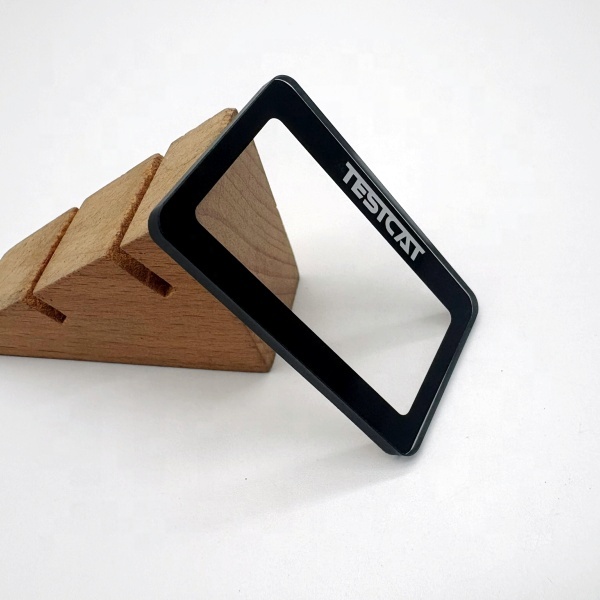
Custom Gorilla Glass Panel Tempered Glass Display Window Silk Screen Printing for LCD Display
For Fukuoka display integrators needing scratch-resistant LCD windows with printed borders, icon windows and clean optical appearance.
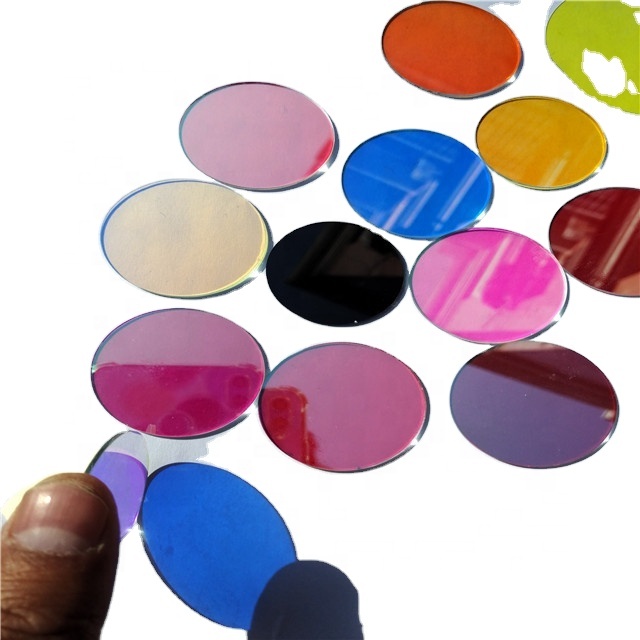
Heat Resistant Borosilicate 3.3 Dichroic Glass Filter
Well suited to Fukuoka event-lighting, optical instrument and stage-lighting suppliers requiring thermal-shock resistance and colour control.
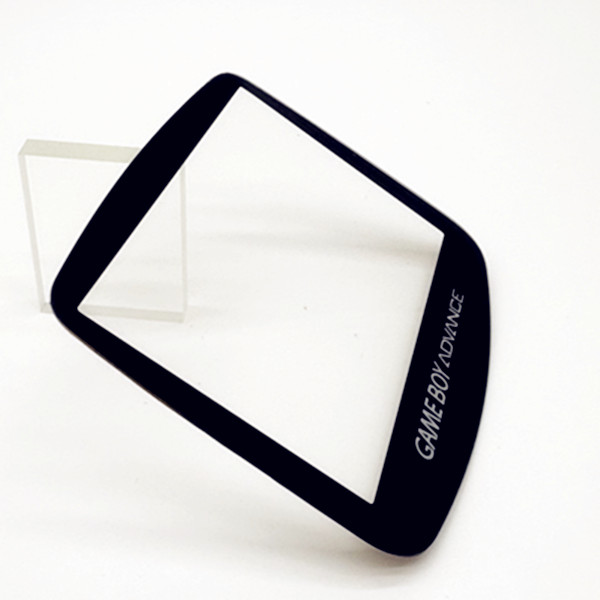
Custom Premium Gorilla Tempered Silk Screen Printed Glass Touch Screen Printed Glass Panels Cover Glass for OLED Screen
Ideal for Kyushu electronics teams developing touch interfaces, kiosk displays, medical monitors and premium control panels.
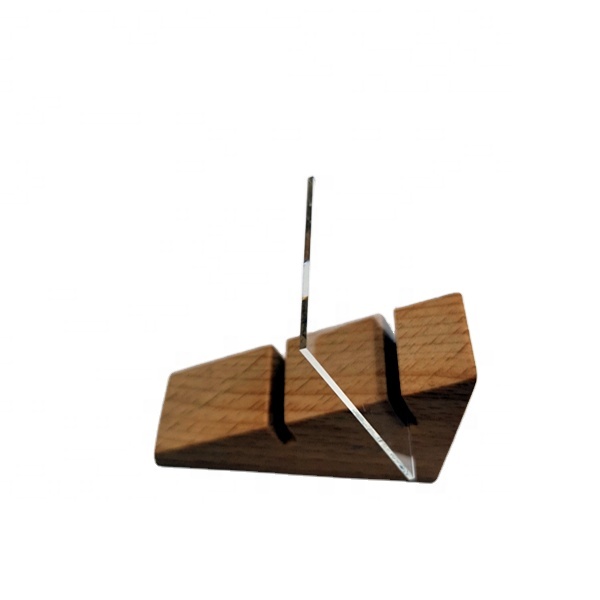
Custom 0.2mm 0.3mm 0.4mm 0.5mm 0.7 mm 1mm Thickness BOROFLOAT 33 Borosilicate Glass Sheet
For compact sensors, heat-resistant inspection windows, optical filters and instrument covers where thin borosilicate is required.

Custom Shape High Transmittance Ultra Clear Tempered Glass Panel With Anti-reflective Coating on Two Sides
Supports glare-sensitive Fukuoka instrumentation, outdoor displays, camera windows and optical sensing equipment.
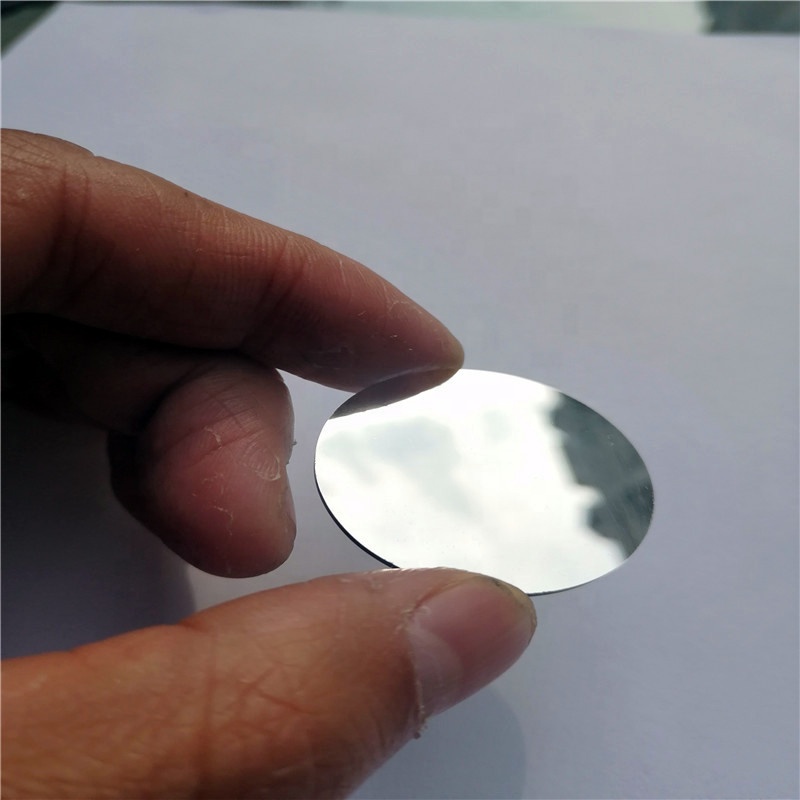
Gobo Glass/dichroic Mirror Lighting Filters Glass Lens
Useful for Fukuoka lighting rental companies, studio fixture makers and entertainment technology OEMs.
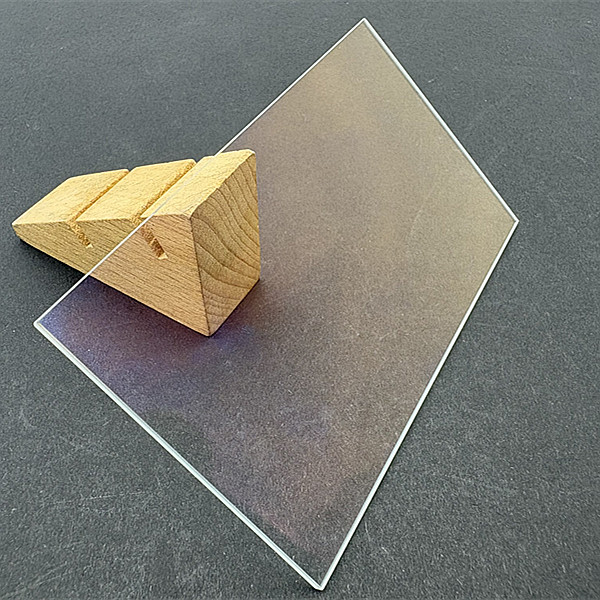
Customized Tempered Anti-Reflective Glass AR Coated Tempered Glass
A strong option for Fukuoka industrial displays, smart retail terminals, medical equipment and high-brightness screens.

Factory Customization Dichroic Glass Gobo Glass
Designed for OEM lighting brands needing custom gobo patterns, dichroic colours and heat-resistant glass blanks.
Why Fukuoka Buyers Need Application-Engineered Electronic Glass
Fukuoka is no longer only a regional distribution market. It is a practical entry point for Kyushu manufacturers, engineering teams, trading houses and after-sales service partners who expect documented quality, responsive English communication and production discipline.
Kyushu manufacturing context
Fukuoka Prefecture sits inside the broader Kyushu industrial ecosystem, with strong links to automotive, semiconductor, medical, food-processing, environmental and advanced electronics supply chains. Buyers often need high-mix, low-to-medium volume custom glass rather than commodity sheets.
That makes drawing-based production, material traceability and sample approval more valuable than a broad catalogue alone.
Procurement intent has shifted
Fukuoka purchasing teams increasingly ask for glass parts by application: an AR-coated touch window, a printed OLED cover, a heat-resistant borosilicate inspection window, a dichroic gobo blank or a glass wafer substrate. They want a supplier that can discuss coatings, edge quality, print colours, packing and import documentation in one conversation.
Quality expectations are specific
Japanese OEMs commonly expect clean edges, controlled print resolution, consistent coating appearance and reliable interleaved packing for thin glass. A useful exporter must understand that a cosmetic defect that is acceptable in one market may trigger rejection in another. Fevry reviews inspection criteria with the drawing rather than relying on vague “good quality” language.
Fukuoka logistics advantage
Suppliers serving Fukuoka can plan around Fukuoka Airport, Hakata Port and regional distribution partners, while also supporting customers in Kitakyushu, Kurume, Iizuka and the wider Kyushu corridor. For fragile glass, export packing and Incoterm planning matter as much as lead time.
The most successful sourcing conversations begin with a 2D drawing, material grade, thickness, surface finish, coating side, print colour references, edge requirements, annual quantity and target delivery location. When those inputs are clear, a custom OEM electronic glass exporter can compare a thermally tempered soda-lime window against chemically strengthened thin glass, a borosilicate 3.3 filter against a soda-lime AR panel, and a standard gobo blank against a fully custom dichroic part.
Start with the Application, Then Choose the Glass
Fukuoka buyers often search by end use rather than by material name. These six use-case modules map common local requirements to practical product directions.
Display & touch cover glass
For HMI panels, kiosks, medical monitors and smart retail terminals, specify scratch resistance, print colour, AR side, step edges and icon-window clarity.
Review AR tempered glass →Lighting filters & gobo glass
Stage, studio and architectural lighting applications require heat resistance, dichroic colour consistency and carefully packed thin blanks.
Explore custom gobo glass →Laboratory & biotech glass
Analyzer windows, biochip substrates and inspection covers may require borosilicate 3.3, Eagle XG or thin float glass with tight flatness.
View borosilicate sheet →Semiconductor & optical communication
Glass wafers, PLC substrates and V-groove glass benefit from stable substrates sourced from established optical-glass producers.
Check dichroic glass filter →Heat-resistant inspection windows
Equipment covers, oven windows and projector lenses often need borosilicate glass with clean surfaces and thermal-shock resistance.
Compare thin borosilicate →Industrial control panels
Printed tempered glass improves durability and brand appearance on machine tools, food equipment, vending interfaces and environmental monitors.
See printed cover glass →Where Custom Electronic Glass Fits the Fukuoka Industrial Base
Fukuoka’s strengths in advanced manufacturing, digital services, medical technology, tourism infrastructure and lighting/events create several clear demand pockets for custom glass.
Automotive cockpit & dashboards
Kyushu’s automotive supply chain supports demand for printed dash trim, display windows, anti-glare panels and touch-cover glass with stable colour matching.
Smart retail & hospitality terminals
Fukuoka’s retail, hotel and transport infrastructure uses kiosks, ticketing terminals, digital signage and multilingual service screens where AR coating reduces glare.
Medical & laboratory equipment
Instrument covers, analyzer windows and optical filters require documented material grades and careful edge treatment to support reliable assembly.
Semiconductor & electronics R&D
Fukuoka and Kyushu research teams often source glass wafers, Eagle XG substrates and ultra-thin covers for prototypes before scaling to production.
Stage, studio & event lighting
Fukuoka’s live entertainment and rental market uses gobo glass, dichroic colour filters and heat-resistant lighting lenses for demanding fixtures.
Optical sensing & imaging
Camera windows, sensor covers, light filters and AR-coated viewing panels must balance transmission, coating durability and mechanical strength.
Four Procurement Trends Shaping Fukuoka Electronic Glass Demand
These trends reflect how Fukuoka OEMs and their suppliers are moving from simple sheet purchasing toward engineered components with documentation and export-ready packaging.
Higher optical performance
Double-sided AR, ultra-clear low-iron glass and clean print windows are increasingly requested for high-brightness and outdoor displays.
More documentation
Buyers want material identification, inspection records, packing lists and clear drawings so internal engineering and procurement teams can approve quickly.
High-mix, lower-volume sourcing
Prototype, pilot and localized production programmes need flexible MOQs, fast samples and repeatable small-batch quality.
Safer fragile-glass logistics
For Fukuoka delivery, interleaved paper, foam cushioning, moisture protection and cartons sized for thin glass reduce breakage risk.
Fevry Glass: A Factory-Minded Export Partner for Custom Glass Parts
Fevry Glass Co., Ltd. is a specialty glass supplier based in Xinyu, Jiangxi, China. The company supports optical, biological, semiconductor, communications, lighting and electronics customers with glass processed to drawings and export-ready documentation.
Traceable raw material sourcing
Fevry sources glass from Corning, AGC and other multinational producers and works closely with established Chinese optical-glass makers such as Chengdu Guangming and Xinhuguang for consistent material selection.
Laser, CNC & ultrasonic processing
Custom outlines, holes, notches, slots and edge treatments are produced using laser, ultrasonic, CNC carving, grinding and inspection equipment imported from the USA, Germany and Japan.
Strengthening & coating capability
Thermal tempering for thicker panels, ion-exchange chemical strengthening for 0.15–2 mm thin glass, plus AR, dichroic and optical coatings support multiple product families under one supplier.
Silk-screen printing & back painting
Pantone-matched borders, logos, icon windows and IR-transparent ink areas can be combined with strengthening and AR coating for finished display covers.
Inspection before packing
Dimensional and visual checks are performed before export packing, with attention to edge quality, print sharpness, coating appearance and surface defects.
Responsive export communication
Average response time is ≤4 hours, inquiry response rate is 100%, and the buyer rating is 5.0/5. Export markets include Japan, South Korea, Taiwan, Hong Kong, Western Europe, the United States and Southeast Asia.
Verified supplier signals Fukuoka buyers can review
Fevry’s public company profile includes supplier assessment, credit profile, ratings and reviews, transaction level, trade capacity and trade history. These records help sourcing teams compare a custom glass exporter against trading intermediaries. Review the public profile before committing to a production order.
Compare Electronic Glass Materials Before Requesting a Quote
This matrix is for preliminary engineering discussion with Fukuoka OEM teams. Final specifications should be confirmed against the manufacturer datasheet and the approved drawing.
| Material | Typical Thickness | CTE Reference | Fukuoka-Relevant Use | Procurement Note |
|---|---|---|---|---|
| Ultra-clear soda-lime glass | 0.5–4 mm | ≈9.0 ×10⁻⁶/K | AR display covers, printed windows, control panels | Good optical clarity and cost balance; specify low-iron grade when colour neutrality matters. |
| Gorilla® alkali-aluminosilicate | 0.4–2 mm | ≈7.5–8.5 ×10⁻⁶/K | Scratch-resistant touch covers, OLED windows | Chemical strengthening is completed after cutting, drilling and edge grinding. |
| Borosilicate 3.3 | 0.3–3.3 mm | 3.3 ×10⁻⁶/K | Heat-resistant windows, gobo blanks, lab glass | Preferred where thermal shock or chemical exposure is expected. |
| Corning® Eagle XG | 0.5–1.1 mm | ≈3.2 ×10⁻⁶/K | Biochips, wafers, PLC and micro-optics | Alkali-free substrate with flatness and dimensional stability advantages. |
| Chemically strengthened thin glass | 0.15–2 mm | Base-glass dependent | Ultra-thin protectors, sensor covers | Best for flat, optically clean thin parts; can be combined with AR or print. |
A Clear Four-Step Path for Fukuoka OEM Projects
Procurement teams need predictable communication. The workflow below keeps technical review, samples, production and export packing visible at every stage.
1. Share the drawing
Send DWG, DXF or PDF drawings with dimensions, tolerances, material, thickness, edge finish, print colours, AR sides and application.
2. Engineering review
Fevry confirms manufacturability, recommends substrate and process, and identifies potential risks before sampling.
3. Sample approval
Samples validate fit, print colour, AR performance and edge appearance before mass production starts.
4. Production & export packing
Mass production runs with dimensional and visual checks, followed by interleaved, cushioned packing for international shipping.
Common Local Procurement Questions About Custom Electronic Glass
These answers address the questions most often raised by Fukuoka-area OEM buyers, engineering teams and import partners evaluating custom glass supply.
Can Fevry supply custom electronic glass to Fukuoka and Kyushu?
Yes. Fevry Glass serves domestic customers in China and regularly exports to Japan, South Korea, Taiwan, Hong Kong, Western Europe, the United States and Southeast Asia. Fukuoka buyers can discuss delivery terms for Fukuoka, Kitakyushu and the wider Kyushu region during quotation, including the practical implications of Fukuoka Airport, Hakata Port and local distribution partners.
What information should a Fukuoka OEM send to evaluate a custom glass project?
Please send a 2D drawing in DWG, DXF or PDF with outline dimensions and tolerances, thickness, glass material, edge finish, hole and notch positions, strengthening method, print colours with Pantone references, AR coating side or sides, application, annual quantity and target delivery location. If your team already has an inspection standard or a limit sample, include that as well so the quotation can reflect the real cosmetic requirement.
Should we choose chemically strengthened or thermally tempered glass?
Thermal tempering is generally best for glass around 3 mm and thicker. For ultra-thin cover glass from about 0.15 mm to 2 mm, chemical strengthening by ion exchange increases surface strength while keeping the sheet flat and optically clean. In both cases, cutting, drilling and edge grinding must be completed before strengthening because the glass cannot be re-cut afterwards.
When is borosilicate 3.3 better than soda-lime glass?
Borosilicate 3.3 expands only about 3.3 ×10⁻⁶/K, roughly one third of soda-lime glass, so it tolerates rapid temperature changes far better. It is the preferred material for lighting covers, heat-resistant windows, gobo blanks, laboratory glass and instrument windows where thermal shock or chemical exposure is expected.
Why is Corning® Eagle XG used for biochips, wafers and PLC substrates?
Eagle XG is an alkali-free boro-aluminosilicate glass with low thermal expansion and a fusion-formed surface. That combination provides excellent flatness and dimensional stability, which suits micro-patterning, bonding and precise optical alignment. For Fukuoka and Kyushu biochip, analyzer and optical communication teams, it is often considered when dimensional stability matters more than simple sheet cost.
What is the minimum order quantity for custom glass?
Most custom cover glass and AR glass items start from 300 to 500 pieces. Custom-cut Eagle XG parts may start from 1,000 pieces, and selected dichroic gobo glass blanks can start from around 10 pieces. Samples can be arranged to validate fit and optical performance before mass production. Final MOQ depends on material, size, processing complexity and the inspection standard.
How is fragile thin glass packed for export to Japan?
Thin glass requires interleaved protection, cushioned edges, moisture protection and cartons sized to prevent movement. Fevry discusses packing requirements during quotation, especially when parts have printed surfaces, AR coatings, ultra-thin thicknesses or large formats. For Fukuoka delivery, the selected Incoterms and final-mile handling should be confirmed early so protective packaging is appropriate for the route.
Do you support RoHS, REACH or other documentation requests?
Documentation requirements should be stated in the inquiry so the correct material grade and available documentation can be reviewed. Many Japanese OEMs request material identification, drawing approval records, inspection records and packing lists. Where regulatory declarations are required, Fevry reviews the request against the selected substrate and coating system rather than making a blanket claim for every glass type.
Which markets does Fevry Glass export to?
Besides domestic customers in China, Fevry exports to Western Europe, the United States, Japan, South Korea, Taiwan, Hong Kong and Southeast Asia, with export packing designed for fragile thin glass.
How can Fukuoka buyers verify supplier records?
Fevry’s public company profile includes supplier assessment, transaction level, trade capacity, trade history, credit profile and buyer reviews. These records can be reviewed before committing to production. Technical suitability should still be confirmed through drawings, material data and samples, because supplier records and engineering fit are two different parts of due diligence.
Have a Drawing? Engineer the Right Glass for Fukuoka
Send dimensions, material, thickness, coating side, print colours and annual volume. Our engineers typically reply within 4 hours.
Request a Custom OEM Electronic Glass Quotation
For Fukuoka market projects, include your 2D drawing, target quantity, application, material preference and required delivery location. Fevry will confirm manufacturability, recommend the substrate and outline sampling and production steps.
Get Catalog info@fevryglass.com