8 Recommended OEM Electronic Cover Glass Products for Quezon City Buyers
These product families cover the most common Quezon City sourcing briefs: touch and OLED cover glass, smart control panels, heat-resistant borosilicate filters, ultra-thin glass sheets, gobo blanks, LCD display windows, shaped printed windows and OEM lighting lenses. Each product URL is preserved so your engineering and procurement teams can compare specifications directly.
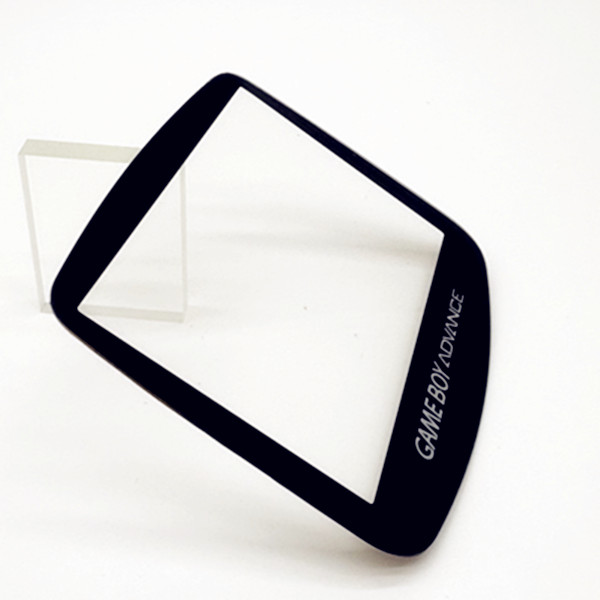
Custom Premium Gorilla Tempered Silk Screen Printed Glass Touch Screen Printed Glass Panels Cover Glass for OLED Screen
Premium printed cover glass for OLED display windows, control interfaces and branded touch surfaces. Suitable for anti-glare, AR and Pantone-matched design requirements.
View product specification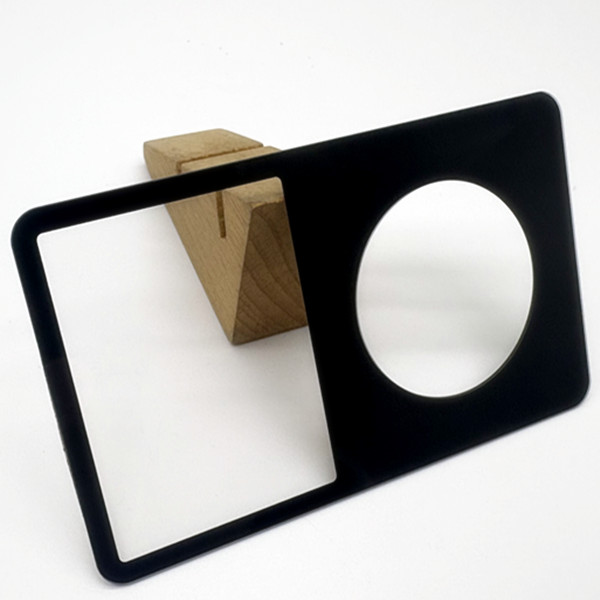
Factory Custom Smart Silkscreen Gorilla Glass Panel Tempered Glass Printing Glass
Developed for smart-home switches, appliance interfaces and premium electronic control panels where scratch resistance and clean printed graphics matter.
View product specification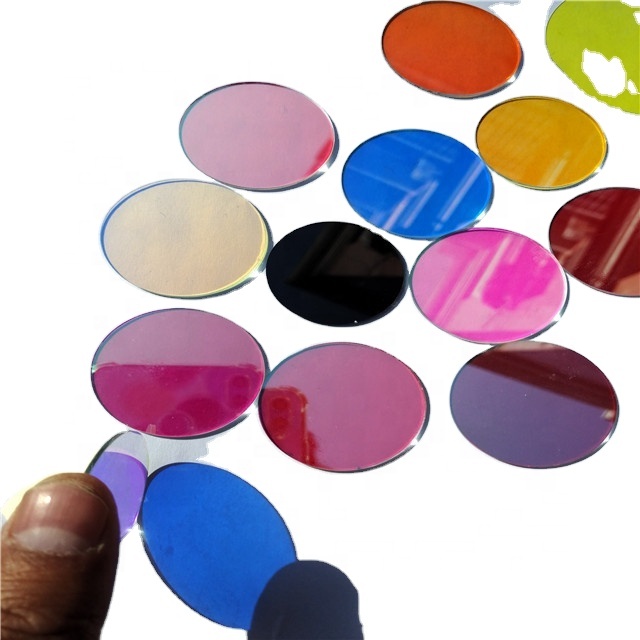
Heat Resistant Borosilicate 3.3 Dichroic Glass Filter
Low-expansion borosilicate filter with dichroic coating for stage lighting, color separation and optical filtering. Well suited to high thermal load applications.
View product specification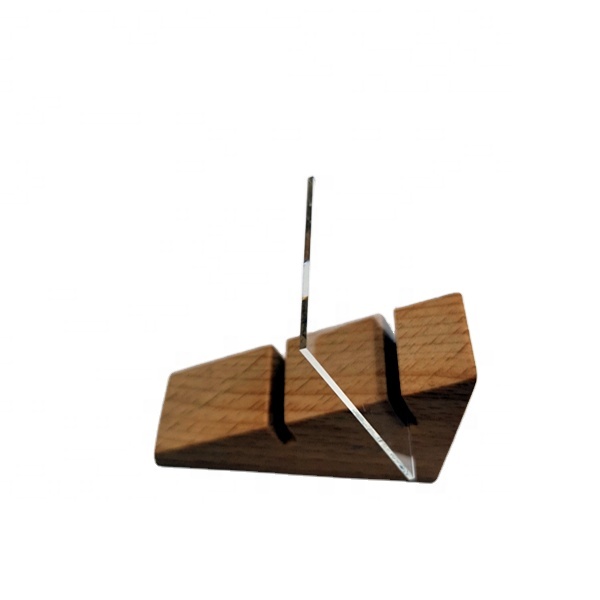
Custom 0.2mm 0.3mm 0.4mm 0.5mm 0.7 mm 1mm Thickness BOROFLOAT 33 Borosilicate Glass Sheet
Precision thin borosilicate sheets for windows, sensors, lighting covers and instrument glass where dimensional stability and thermal shock resistance are critical.
View product specification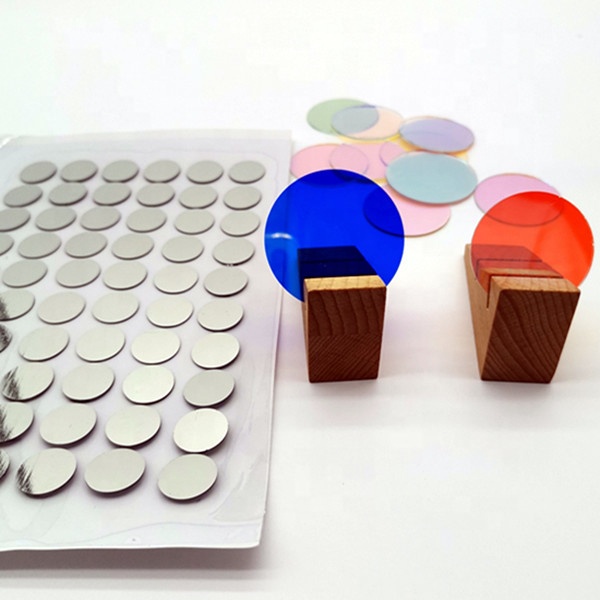
0.2mm 0.3mm 0.4mm 0.5mm 0.7mm 1.0mm 2mm Heat Resistant Gobo Glass Blanks
Heat-resistant gobo blanks for entertainment lighting, projection patterns and OEM lighting assemblies. Multiple thicknesses can be quoted for trial and volume production.
View product specification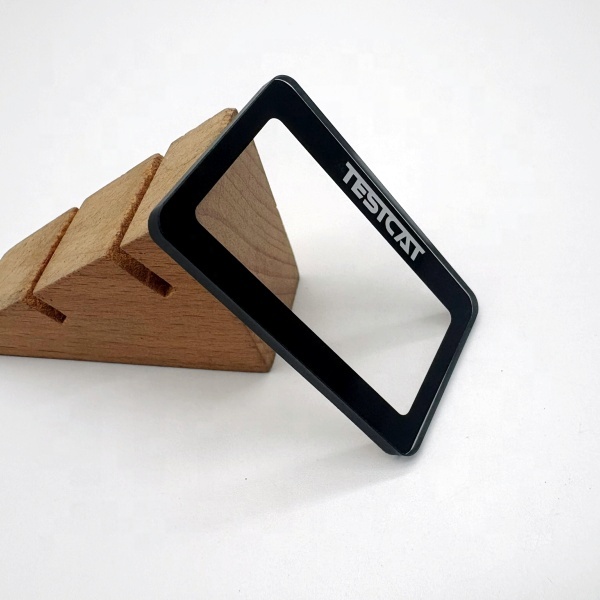
Custom Gorilla Glass Panel Tempered Glass Display Window Silk Screen Printing for LCD Display
Printed display window glass for LCD modules, industrial controls and consumer electronics. Options include strengthened glass, selective printing and edge finishing.
View product specification
Custom Shaped Tempered Glass Processing, High Transparency Window Panels with Screen Printing
Shaped and printed high-transparency panels for design-driven electronics, smart appliances and architectural display interfaces. CNC outlines and print details are reviewed from your drawing.
View product specification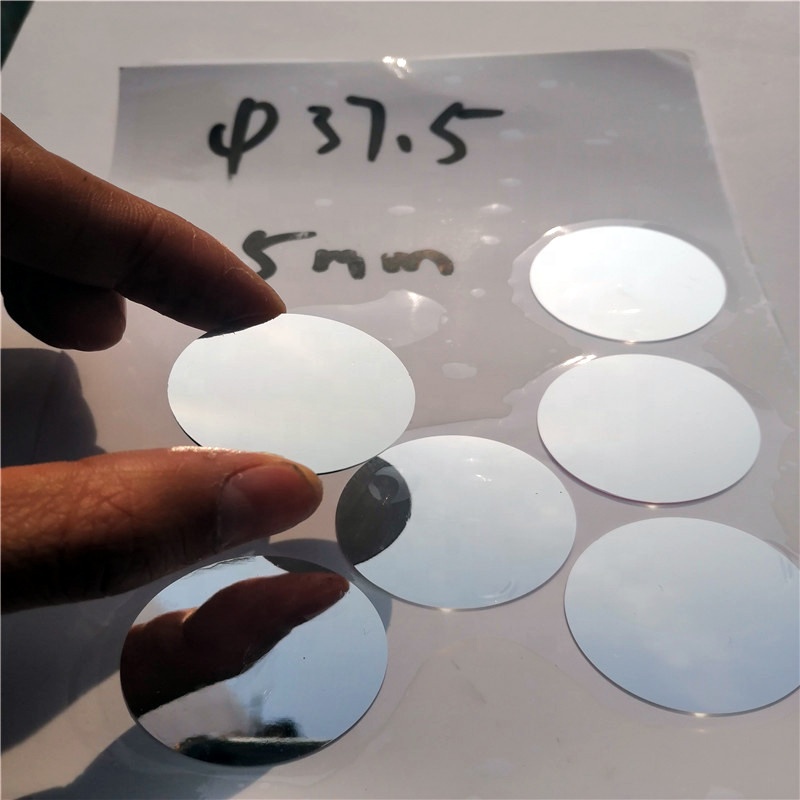
OEM Custom Heat Resistant Gobo Glass Lens
Custom gobo lenses for stage, studio and architectural lighting OEMs. Heat-resistant glass, custom outlines and coating options can be evaluated from application data.
View product specificationHow Electronic Cover Glass Is Used Across Quezon City's OEM Ecosystem
Quezon City is the largest city in Metro Manila and a dense commercial and industrial market spanning Cubao, Eastwood, Diliman, Novaliches, Project 8 and Bagumbayan. For local OEMs, importers and product developers, electronic cover glass is no longer a generic accessory — it is a visible, functional component that affects display readability, brand perception, thermal performance and incoming quality yield.
Consumer & Smart-Home Displays
Touch cover glass, printed borders and display windows for smart switches, appliances, condominium access panels and home automation controls used in Quezon City residential and commercial fit-outs.
Retail, POS & Digital Signage
Anti-reflective and printed cover glass for mall directories, self-service kiosks, BPO lobby displays, vending machines and point-of-sale terminals where glare control and durability influence user experience.
Automotive & Transport Electronics
Dashboard trim panels, instrument windows and aftermarket displays need scratch resistance, heat tolerance and reliable print adhesion under Metro Manila traffic and temperature cycling.
LED Lighting & Stage Effects
Gobo glass blanks, dichroic filters and borosilicate lenses support event production, studio lighting, architectural LED fixtures and entertainment equipment supplied through Quezon City distributors.
Medical, Laboratory & Analytical Devices
Borosilicate and low-expansion technical glass support laboratory instruments, diagnostic analyzers and sensor windows where chemical resistance, optical clarity and stable dimensions matter.
Semiconductor & Optical Communication
Glass wafers, PLC substrates and precision optical parts serve electronics manufacturing and communications supply chains connected to Metro Manila's broader technology ecosystem.
Specification Checklist for Quezon City Procurement Teams
Cover glass should be specified by application, not by thickness alone. In the Philippine climate, humidity, air-conditioning condensation cycles, transport vibration and warehouse conditions can expose weak print adhesion, poor edge treatment or inadequate packing. A clear technical brief allows the factory to recommend the right substrate and process before sampling.
What to send with your RFQ
For a faster engineering review, provide a 2D drawing in DWG, DXF or PDF with outline dimensions, tolerances, holes, notches, edge finish, glass material, thickness, strengthening method, print colors with Pantone references, AR coating sides, end application and estimated annual volume.
- Application: OLED cover, LCD window, touch panel, lighting filter or gobo lens.
- Material: Gorilla-type aluminosilicate, ultra-clear soda-lime, borosilicate 3.3 or Corning Eagle XG, depending on thermal and optical needs.
- Optical finish: AR coating on one or both sides, anti-glare treatment, high-transmission clear glass or selective printing.
- Mechanical finish: CNC outline, laser cutting, ultrasonic drilling, pencil edge, chamfer, polishing and flatness requirement.
- Packaging: PE interleaving, edge protection, moisture barrier, desiccant and carton drop-test expectation.
- Purchasing data: annual forecast, first-order quantity, sample deadline and preferred Incoterm for Metro Manila delivery.
| Material Option | Typical Quezon City Use | Why It Matters |
|---|---|---|
| Chemically strengthened Gorilla-type glass | Touch panels, smart-home switches, kiosk windows, automotive display covers | High scratch resistance and drop performance for visible, user-facing surfaces; suitable for thin 0.4–2 mm designs. |
| Ultra-clear soda-lime glass | AR cover glass, LCD windows, appliance panels, digital signage | Cost-effective optical clarity when thermal shock is not extreme; AR coating can improve transmission and reduce reflections. |
| Borosilicate 3.3 | Lighting covers, gobo blanks, heat-resistant windows, laboratory viewing ports | Coefficient of thermal expansion around 3.3 × 10⁻⁶/K supports resistance to thermal shock and high-power LED environments. |
| Corning Eagle XG | Biochips, analyzer filters, precision instrument windows, semiconductor-related parts | Alkali-free boro-aluminosilicate substrate with low expansion and excellent flatness for micro-patterning and optical alignment. |
| Dichroic and coated filter glass | Stage lighting, color separation, optical sensors, architectural lighting | Coating performance must be matched to angle, wavelength and thermal load; substrate choice affects durability and color stability. |
Information Gain: Evaluate Landed Cost, Not Only Piece Price
For Quezon City buyers, the lowest quoted unit price can hide expensive downstream losses. A practical landed-cost model should include unit price, freight, insurance, duties, customs documentation, packaging, expected incoming reject rate, assembly-line rework and replacement lead time. A 1% reduction in breakage, coating defects or print misalignment can be more valuable than a 3% difference in piece price. Ask suppliers to define inspection criteria, AQL sampling, retained samples and the corrective-action process before mass production. This is especially important for printed cover glass where color consistency, IR windows and edge appearance are judged by consumers.
Quezon City Market Trends Reshaping Cover Glass Demand
Procurement behavior in Metro Manila is moving toward higher design content, faster product cycles and more careful supplier qualification. These shifts create opportunities for OEMs that plan material specifications early.
From Generic Screens to Branded Interfaces
Smart-home devices, retail kiosks, appliances and commercial displays increasingly use printed borders, logo windows, AR glass and custom-shaped cover panels. Quezon City product teams are using glass as a visible brand surface, which raises the importance of Pantone color control, ink durability and edge cosmetics.
Higher-Mix, Lower-Volume Sourcing
Local OEMs and importers frequently manage multiple product SKUs with different thicknesses, print graphics and coating requirements. Sampling, batch traceability and responsive engineering communication matter as much as headline manufacturing capacity. Dual sourcing and shorter replenishment cycles are becoming common risk controls.
Heat, Light and Energy Performance
High-brightness LED lighting, stage production and architectural lighting demand borosilicate glass, gobo blanks and dichroic filters that tolerate heat. At the same time, anti-reflective display glass supports energy-efficient, readable screens in bright retail and BPO environments.

Factory Advantages That Reduce Risk for Quezon City Buyers
Fevry Glass Co., Ltd. is a specialty glass supplier based in Xinyu, Jiangxi, China. The company supports optical, biological, semiconductor, communications, lighting and electronics customers with custom tempered, AR-coated, silk-screen printed, borosilicate 3.3, Corning Eagle XG and optical filter glass processed to drawings. Raw glass is sourced from established producers including Corning, AGC, Chengdu Guangming and Xinhuguang, while processing relies on imported laser, ultrasonic, CNC carving, grinding and inspection equipment from the USA, Germany and Japan.
For Quezon City buyers, these advantages translate into fewer hand-offs: engineering review, cutting, strengthening, coating, printing, inspection and export packing can be coordinated with one accountable partner. The company's operating principle — “Quality is superior, service is supreme, reputation is first” — and motto “Your success, our glory” reflect a long-term OEM supply mindset.
- 10+ years as an Alibaba.com member and export experience across Western Europe, the United States, Japan, South Korea, Taiwan, Hong Kong and Southeast Asia.
- 100% inquiry response rate and typical ≤4-hour average response time.
- 5.0/5 buyer rating supported by visible transaction and review records on the company profile.
Cut-to-Drawing Engineering
Send your drawing and application data. The team reviews outline, tolerance, material, strengthening, print and coating feasibility before quoting or sampling.
Traceable Substrates
Material selection can start from Corning, AGC, Chengdu Guangming and Xinhuguang sources, supporting consistent optical and mechanical performance.
In-House Machining & Strengthening
Laser cutting, CNC carving, ultrasonic drilling, grinding, thermal tempering and chemical strengthening are aligned to the final part design.
Printing & Optical Coatings
Silk-screen printing, back painting, AR coating and dichroic / filter coating options allow display windows, lighting lenses and branded panels to be produced together.
Inspection & Fragile-Goods Packing
Dimensional, visual and optical checks before packing; interleaved, cushioned export cartons are designed for thin glass shipments to Metro Manila.
Responsive OEM Communication
English quotations, drawing feedback, sample tracking and order follow-up keep Quezon City sourcing teams informed from RFQ to shipment.
A Clear Five-Step Path from Drawing to Delivery
Procurement teams in Quezon City need predictable communication, not vague assurances. The following workflow is designed to reduce sampling loops and production surprises.
Share Drawing & Brief
Send DWG, DXF or PDF drawings, material, thickness, coating, print colors, application and annual volume.
Engineering Review
The factory checks manufacturability and recommends substrate, edge finish, strengthening and packaging.
Sample Approval
Samples validate fit, color matching, AR appearance, edge cosmetics and print alignment before volume release.
Mass Production
Processing runs with in-line dimensional and visual checks, print control and retained samples where required.
Export Packing
Thin glass is interleaved, cushioned and packed for fragile international shipment to Metro Manila.
Verified Supplier Records Quezon City Buyers Can Review
Before committing to tooling, samples or volume orders, review the supplier's public records. Independent and platform-visible data help Quezon City sourcing teams compare responsiveness, transaction history and export capability.
FAQ: Buying OEM Electronic Cover Glass for Quezon City
These are the questions engineers, importers and procurement managers most often ask when sourcing cover glass from a factory for projects in Quezon City and Metro Manila.
How do I choose cover glass for Quezon City's humid climate?
Specify the substrate and surface finish together. For high-use touch surfaces, use chemically strengthened glass with proven ink adhesion and AR coating durability. For lighting or heat exposure, choose borosilicate 3.3. Ask for samples stored under humid conditions if your product will be used in kitchens, condominium corridors, covered outdoor areas or warehouses without climate control. Packaging should include moisture protection and desiccant for sea freight.
What is the typical minimum order quantity?
Most custom cover glass and AR glass items start around 300–500 pieces. Custom-cut Corning Eagle XG parts may start from 1,000 pieces, while selected gobo glass blanks can be available from as few as 10 pieces. Exact MOQ depends on material, size, print colors, coating and inspection requirements, so confirm it against your drawing.
What information is required for a quotation?
Send a 2D drawing in DWG, DXF or PDF with dimensions and tolerances, thickness, glass material, edge finish, hole and notch positions, strengthening method, print colors with Pantone references, AR coating side or sides, end application and annual quantity. If the drawing is not final, send a sketch and target performance so the factory can advise which details must be fixed before sampling.
How long does production and delivery to Quezon City take?
Sampling time depends on whether new printing or coating is required. After sample approval, production scheduling is confirmed by material and process load. Sea freight to Manila is generally the most economical for volume orders, while air freight is used when launch schedules or replenishment need faster transit. Final timing should be confirmed with your forwarder, customs broker and preferred Incoterm.
Can you match Pantone print colors and custom shapes?
Yes. Silk-screen printing can be quoted against Pantone references, with artwork checked for line width, window openings and alignment before sampling. Custom outlines, holes, notches, chamfers and shaped windows are reviewed from the drawing. For projects with multiple print colors, request a sample with the final ink sequence because color density and IR transmission can vary with glass thickness and coating.
What documentation can support import and local inspection?
Commercial invoice, packing list, material information, inspection records and other agreed export documents can be prepared. For Quezon City buyers who need internal quality approval, request retained samples, dimensional reports and visual inspection criteria. Commercial terms, shipping method and document requirements should be finalized during quotation so the supplier and local broker work from the same specification.
Request a Quezon City-Ready Cover Glass Quotation
Send your drawing, application, surface finish and estimated annual volume. The engineering team will review manufacturability, recommend a substrate and process, and respond with quotation guidance — typically within 4 business hours.