Eight Precision Glass Products for Guadalajara Buyers
Use this shortlist as a focused starting point. Product 1 is the usual entry point for borosilicate bonding substrates. Products 3–7 cover display and HMI cover glass where print, AR coating and strengthening must work together. Products 2 and 8 address Guadalajara’s stage, film, architectural and optical-lighting supply chain.
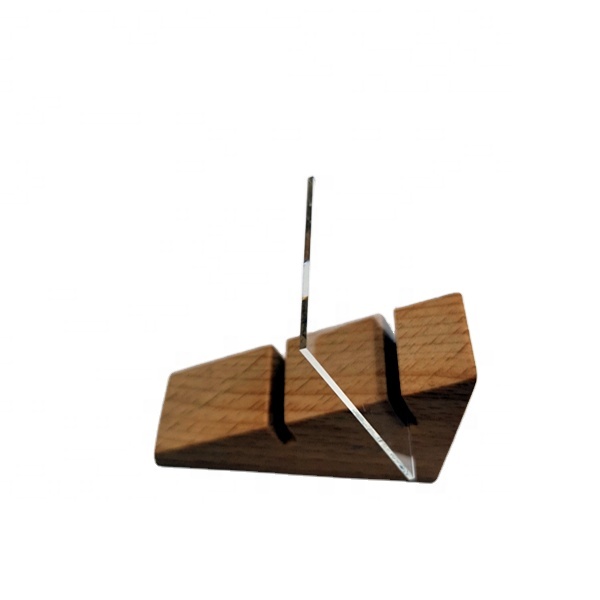
Custom 0.2mm 0.3mm 0.4mm 0.5mm 0.7 mm 1mm Thickness BOROFLOAT 33 Borosilicate Glass Sheet
Bonding-ready borosilicate 3.3 with low thermal expansion for anodic bonding development, sensor windows, heat shields and microfluidic carriers. A strong fit for Guadalajara automotive sensor and medical prototype teams that need custom outlines before scale-up.
- 0.2–1 mm
- Low CTE
- Cut to drawing
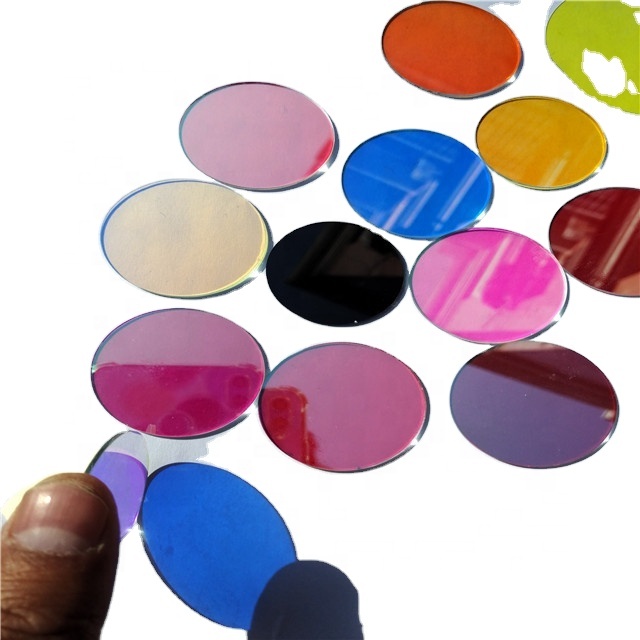
Heat Resistant Borosilicate 3.3 Dichroic Glass Filter
A heat-resistant dichroic filter for stage, film and architectural lighting. The borosilicate base supports color separation and projection effects where soda-lime glass may struggle under heat. Specify wavelength targets, coating side and trim size for Guadalajara AV integrators.
- Dichroic coating
- Heat resistant
- Custom shape
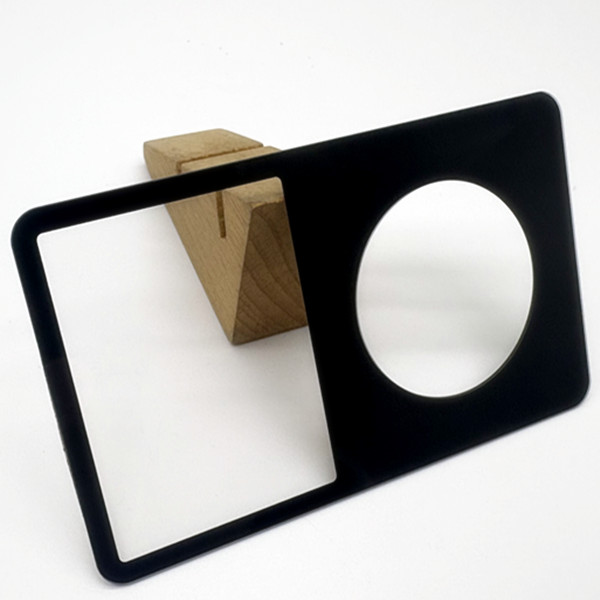
Factory Custom Smart Silkscreen Gorilla Glass Panel Tempered Glass Printing Glass
A printed Gorilla® glass panel for smart controls, appliance interfaces and HMI enclosures. Combining custom cutting, silk-screen borders, icon windows and strengthening under one supplier reduces hand-offs and helps maintain print alignment across production lots.
- Strengthened
- Silk print
- HMI panels
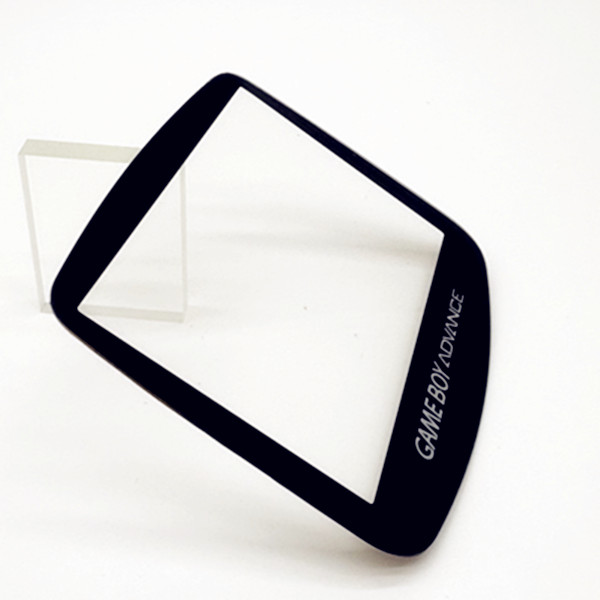
Custom Premium Gorilla Tempered Silk Screen Printed Glass Touch Screen Printed Glass Panels Cover Glass for OLED Screen
An OLED cover-glass option with premium print alignment and touch-panel compatibility. Suitable for dashboard displays, medical monitors and premium consumer interfaces where black borders, logos and optical clarity must survive daily handling.
- Gorilla®
- Tempered
- OLED/touch
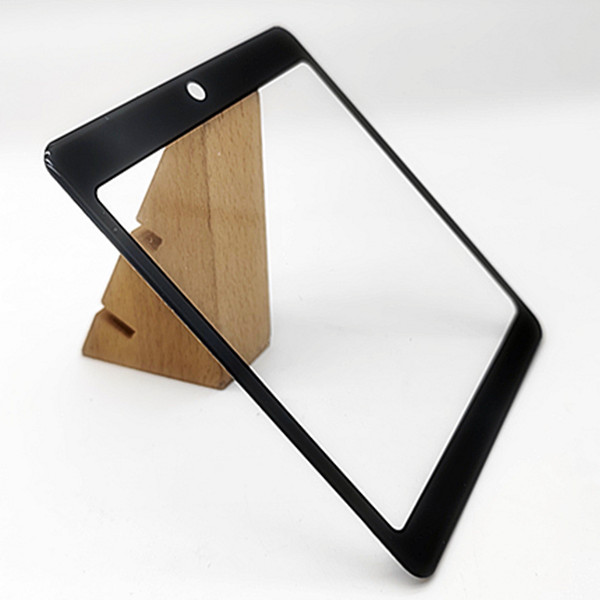
Ultra Clear Gorilla Glass Panel with Silk Screen Printing for Electronic Device
An ultra-clear printed panel for electronic device windows, control panels and display covers. High-clarity glass with decorative or functional silk printing helps protect displays while keeping sensor windows, icons and backlight areas clean.
- Ultra-clear
- Silk print
- Device cover
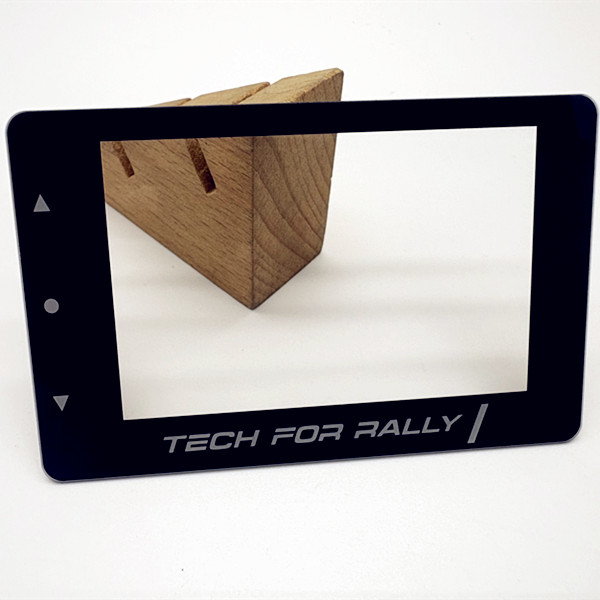
Customize Tempered Glass Silk Printed Ar Coating Gorila Glass LCD Screen protection Display
A tempered, silk-printed, AR-coated cover glass for LCD protection. AR treatment lowers surface reflections under bright factory and showroom lighting, a practical issue for Guadalajara EMS teams building control panels, kiosks and medical monitors.
- AR coating
- Silk print
- LCD protection

Customized Tempered Anti-Reflective Glass AR Coated Tempered Glass
A customized AR-coated tempered glass for instruments, kiosks, automotive HMI and outdoor displays. Define the coating side, reflection target, print keep-out zones and edge treatment on the drawing before sampling to avoid expensive changes later.
- AR coated
- Tempered
- Custom size
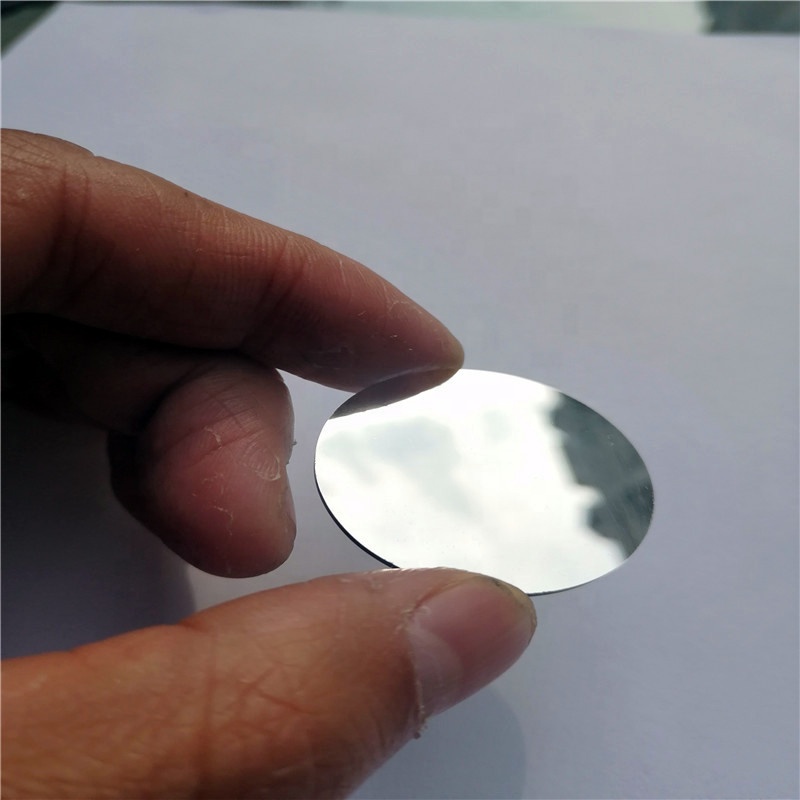
Gobo Glass/dichroic Mirror Lighting Filters Glass Lens
A gobo and dichroic mirror glass family for stage lighting, architectural lighting and film. Heat-resistant bases and dichroic coatings support color effects and beam shaping in high-use entertainment venues, rental houses and AV projects.
- Gobo
- Dichroic mirror
- Lighting lens
What “Best” Should Mean for a Guadalajara Glass Buyer
For a procurement team in Guadalajara, a “best glass wafer bonding factory” is not the supplier with the loudest catalog. It is the supplier that can prove drawing review, material traceability, repeatable flatness, controlled edge quality, coating and printing compatibility, and export packing that survives a multi-leg route to Jalisco. Those details decide whether a sample reaches the line in usable condition — and whether the second order matches the first.
Fevry Glass Co., Ltd. is a specialty glass manufacturer based in Xinyu, Jiangxi, China. We are not claiming a retail warehouse inside Guadalajara. Our value is factory-direct engineering and production for projects that need custom sizes, low-expansion substrates, AR coatings, silk printing, strengthening and inspection before shipment. For Guadalajara buyers, the practical workflow is to define the substrate, validate a sample, then scale with export packaging matched to fragile thin glass.
Experience with thin-glass handling
Laser, CNC, ultrasonic, grinding and inspection workflows are built around fragile glass, not general sheet metal. Edge chips, flatness and packing are treated as process variables.
Expertise across materials
Borosilicate 3.3, Corning® Eagle XG, Gorilla®, ultra-clear soda-lime, dichroic filters and AR-coated cover glass each demand different process discipline.
Commercial reliability you can check
10+ years as an Alibaba.com member, ≤4-hour average response time, 100% inquiry response and a 5.0/5 buyer rating reduce communication risk for long-distance sourcing.
Where These Glass Products Perform in Guadalajara and Jalisco
Guadalajara is more than a destination city. The metro area — including Zapopan, Tlaquepaque, Tlajomulco de Zúñiga and El Salto — supports automotive electronics, medical devices, contract manufacturing, lighting and design-driven technology teams. Glass specifications should follow those use cases.
Automotive HMI and sensor windows
Instrument clusters, center-stack covers, ADAS sensor windows and ambient-light glass need AR coating, print alignment, scratch resistance and stable edges. Guadalajara automotive suppliers should validate fit and optical performance before a production ramp.
Medical devices and diagnostics
Analyzer windows, microfluidic slides, biochip substrates and display covers benefit from alkali-free Eagle XG, borosilicate 3.3 or AR-coated glass. Guadalajara’s medical corridor should specify cleaning, packaging and dimensional records early.
EMS and consumer electronics
Smart-home controls, appliance panels, touch interfaces and device windows need print, coating, strengthening and packing as one coordinated stack. Guadalajara contract manufacturers often prefer a single supplier accountable for the finished cover glass.
Stage, film and architectural lighting
Gobo blanks, dichroic color lenses and heat-resistant filters serve Guadalajara’s event production, rental houses, studios and architectural-lighting integrators. High-use fixtures need repeatable coating appearance and reliable heat resistance.
Photonics and optical communication
PLC substrate glass, V-groove glass and optical filters require flat, stable material and clean edges. For Guadalajara photonics teams, request samples with the same surface and edge specification that will be used in bonding or alignment.
Research and microfluidics
Universities, biotech startups and R&D centers use borosilicate and Eagle XG for lab-on-chip, microfluidic and microscopy projects. Start with a drawing, bonding method and annual quantity; sample approval matters more than a generic catalog number.
Procurement Trends Reshaping Glass Demand in Jalisco
Local demand is changing from “buy a sheet” to “qualify a manufacturing partner.” These trends matter for buyers comparing Chinese factories, Mexican distributors and regional processors.
Nearshoring and dual sourcing
Mexico’s electronics and automotive supply chains continue to attract North American programs. Guadalajara buyers increasingly keep one qualification path in Asia and one regional backup, while requiring consistent drawings and lot identification.
AR and AG display glass
Anti-reflective and anti-glare requirements are moving from premium products into industrial HMIs, medical displays and automotive dashboards. Buyers now ask for coating-side drawings, reflection targets and print keep-out zones.
Bonding-driven substrate selection
Wafer bonding projects in sensors, microfluidics and photonics require material decisions before price discussions. Sodium-containing borosilicate, alkali-free Eagle XG and coated cover glass are not interchangeable in every process.
High-mix, low-volume production
Guadalajara design teams often need several sizes, print layouts or coating variations before a single product reaches volume. Factory flexibility matters, but so does a realistic MOQ and a sample plan that prevents repeated tooling changes.
Traceability and export packaging
Thin glass can pass dimensional inspection and still fail after transit. Buyers are asking for interleaved packing, edge protection, desiccant, clear box labels and shipment photos before the carton leaves the factory.
Lighting-led optical differentiation
Event production, architectural lighting and film work in Jalisco reward suppliers who can combine heat-resistant bases with dichroic coatings and gobo finishing. Generic glass blanks are rarely enough for high-use fixtures.
Glass Wafer Bonding: What Guadalajara Engineers Should Specify First
Glass wafer bonding is a process decision before it is a purchasing decision. Anodic bonding, fusion bonding and adhesive bonding each place different demands on glass chemistry, flatness, surface roughness and thermal expansion.
Anodic bonding
Usually pairs with sodium-containing borosilicate 3.3. Suitable for MEMS, pressure sensors and microfluidics where the process uses elevated temperature and an electric field. Confirm CTE match, flatness, surface finish and cleaning method.
Fusion bonding
A high-temperature route for very flat, very clean surfaces. It is often considered for Eagle XG or borosilicate in optical, bio and microfluidic devices. Particle control and surface quality are critical, so state flatness and edge-chip limits clearly.
Adhesive bonding
A lower-temperature route for stacks with coatings, prints or temperature-sensitive layers. Ask for outgassing data and cure compatibility, then define AR or print keep-out zones so the adhesive does not interfere with optical performance.
What to put in a bonding-glass RFQ
- Glass material, thickness and whether anodic, fusion or adhesive bonding is planned.
- CTE or thermal budget, plus any process temperature or voltage limits.
- Flatness, TTV, surface finish and maximum acceptable edge-chip size.
- Outline tolerances, holes, notches, slots and edge profile.
- Print colors with Pantone references and AR coating side.
- Cleaning expectation, packing method and annual quantity.
Application-fit guide for Guadalajara projects
Indicative fit only. Confirm the final substrate and process with a drawing review, prototype and bonding test.
Why Fevry Glass Reduces Risk for Guadalajara Buyers
Fevry Glass Co., Ltd. combines raw-material sourcing, precision processing, optical coating, printing, strengthening and export packing — a practical structure for buyers who need one accountable partner rather than several disjointed vendors.
Traceable raw-material sourcing
Glass is sourced from major producers such as Corning®, AGC and established Chinese optical-glass makers including Chengdu Guangming and Xinhuguang. Starting from consistent material reduces surprises during cutting, coating and bonding trials.
In-house shaping and edge control
Laser, CNC, ultrasonic, grinding and inspection equipment imported from the USA, Germany and Japan supports custom outlines, holes, notches and edge finishes. This matters for thin glass that cannot be reworked after strengthening.
AR coating, printing and strengthening
Anti-reflective coating, dichroic coating, silk-screen printing, back painting and thermal or chemical strengthening can be reviewed as one process sequence. The right order prevents coating damage, print misalignment and yield loss.
Inspection before export packing
Dimensional and visual checks cover size, thickness, flatness, edge condition, print appearance and coating defects. Pre-shipment photos and production videos help Guadalajara buyers verify quality before freight forwarders collect the cartons.
Verified buyer records
The company has a 5.0/5 buyer rating, 10+ years as an Alibaba.com member and export experience across Western Europe, the United States, Japan, South Korea, Taiwan, Hong Kong, Southeast Asia and China. Guadalajara is served through export coordination.
Industry breadth, one partner
Hands-on experience with optical, biological, semiconductor, communications, lighting and electronics customers helps shorten material discussions. The company motto — “Your success, our glory” — supports a service model built on repeat orders.
A Four-Step Qualification Path for Guadalajara Projects
Clear milestones reduce the risk of a beautiful sample that cannot be produced repeatably. The process is designed for procurement teams comparing a China factory with local or regional alternatives.
Share drawing and application
Send the 2D drawing, material, thickness, coating or print details, bonding method and annual quantity. State the Guadalajara end use so the engineering team can judge the process route.
DFM and material review
The factory confirms manufacturability and recommends substrate, strengthening, coating side and printing sequence. This is where an unsuitable glass choice is cheapest to correct.
Sample validation
Approve fit, edge quality, optical appearance, print color and bonding compatibility. For AR or dichroic parts, review the sample under the same lighting conditions used in Guadalajara.
Production and export packing
Mass production runs with in-line visual checks, then export packing with interleaving, cushioning and labels. Confirm freight routing to GDL or Manzanillo with the forwarder before shipment.
Common Questions from Local Buyers
These are the questions engineers, sourcing managers and importers in Guadalajara ask most often when evaluating a China glass wafer bonding factory and wholesaler.
Are you a factory in Guadalajara or a China-based manufacturer?
Fevry Glass is based in Xinyu, Jiangxi, China. We support Guadalajara customers remotely with drawing review, sampling, production, inspection and export packing. We do not claim a local warehouse unless a separate arrangement is agreed in writing.
How do Guadalajara buyers ship fragile glass?
Air freight to Guadalajara International Airport (GDL) is common for samples and urgent production; sea freight via Manzanillo is typical for volume. Specify interleaving, EPE, vacuum bags, desiccant and corner protection. The importer or forwarder should confirm customs and duty.
What is a practical MOQ for custom glass?
Most custom cover glass and AR glass items start around 300–500 pieces; custom-cut Eagle XG parts may start from 1,000 pieces; selected gobo and dichroic blanks can start from about 10 pieces. MOQ depends on material, coating, print and yield.
What information is needed for a fast quote?
Send a 2D drawing in DWG, DXF or PDF with dimensions and tolerances, thickness, material, edge finish, hole positions, strengthening method, print colors, AR coating side, application and annual volume. Incomplete drawings create avoidable sample loops.
Can you perform the wafer bonding process itself?
Our role is to manufacture, cut, edge, clean and pack the bonding-ready glass substrate. The bonding process is normally carried out by the customer or contract manufacturer. We can discuss material compatibility, flatness, CTE and coating sequence; bonded assemblies must be clarified separately.
Can AR coating, silk printing and strengthening be combined?
Often yes, but the sequence must be reviewed. Print colors, coating side, logo windows, strengthening method and flatness all affect yield. A drawing review and sample approval are recommended before mass production, especially for automotive or medical programs.
How is optical and dimensional quality controlled?
Quality control can include incoming material verification, process checks and final dimensional or visual inspection. For wafer projects, state flatness, TTV and surface requirements in the RFQ, because measurement methods differ between suppliers.
How fast do you reply, and where do you export?
The company reports a ≤4-hour average response time and 100% inquiry response rate, with 10+ years as an Alibaba.com member and a 5.0/5 buyer rating. Export experience covers Western Europe, the United States, Japan, South Korea, Taiwan, Hong Kong and Southeast Asia.
Ready to Validate a Glass Wafer or Cover-Glass Project for Guadalajara?
Send a 2D drawing, material, thickness, coating or print details and annual quantity. The engineering and export team will review manufacturability and recommend the most practical substrate and process route for your application.
Inquire NowEmail: info@fevryglass.com