China Best Alkali Free Glass Exporter & Wholesaler in the Calgary Market
An application-led sourcing guide for Calgary OEMs, laboratories, lighting studios, aerospace suppliers and advanced manufacturers comparing alkali-free boro-aluminosilicate, AR-coated, borosilicate 3.3, gobo and custom cover glass from a verified China exporter.
Eight Export-Ready Products for Calgary Buyers
Each item below is suitable for drawing-based quotation, sample validation and wholesale supply to Western Canada. Product URLs are preserved so Calgary engineers can review specifications before requesting a catalog.

0.3mm ~ 2mm Dichroic Glass Mirror for Gobos
Heat-aware dichroic mirror blanks for stage, film and architectural lighting. Thin borosilicate-based options help Calgary studios manage color shift and thermal load in compact fixtures.
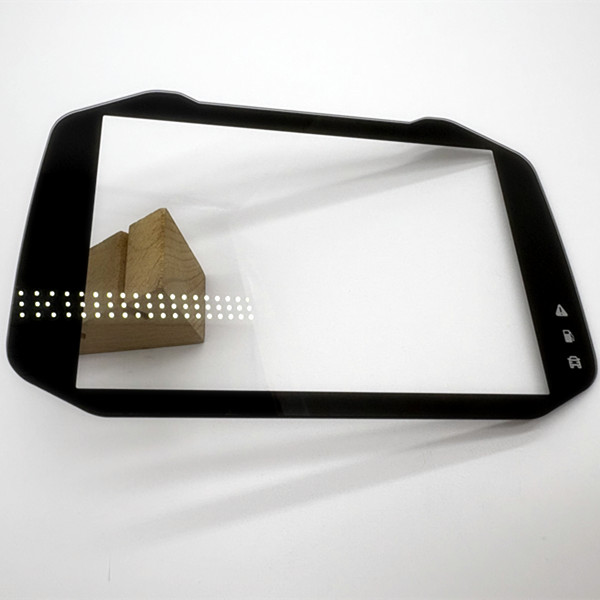
Custom Shape High Transmittance Ultra Clear Tempered Glass Panel With Anti-reflective Coating on Two Sides
Low-iron tempered glass with double-sided AR coating for HMI displays, instrument windows and high-transmission sensor covers. Custom outlines and printed borders can be quoted from a DXF or DWG.

Customized Tempered Anti-Reflective Glass AR Coated Tempered Glass
A flexible AR cover glass platform for Calgary display integrators that need reduced glare, crisp readability and durable tempered edges for indoor or protected outdoor equipment.
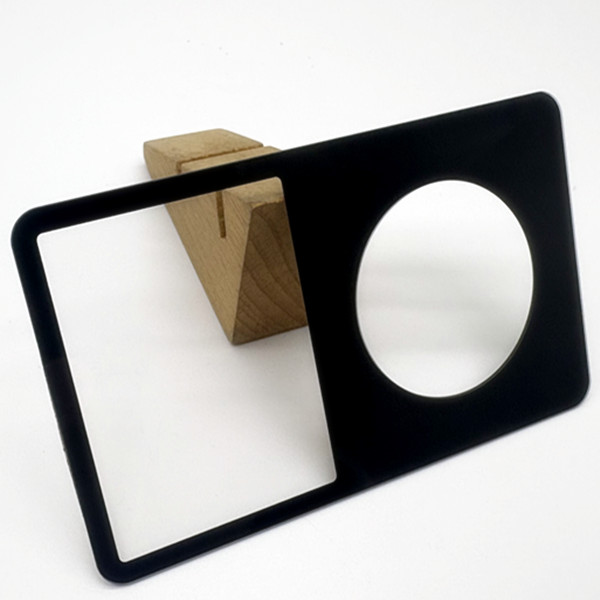
Factory Custom Smart Silkscreen Gorilla Glass Panel Tempered Glass Printing Glass
Printed Gorilla glass panels for smart-home controls, analysers and industrial interfaces. Pantone-matched ink windows, icon masks and IR-transparent areas can be reviewed before production.
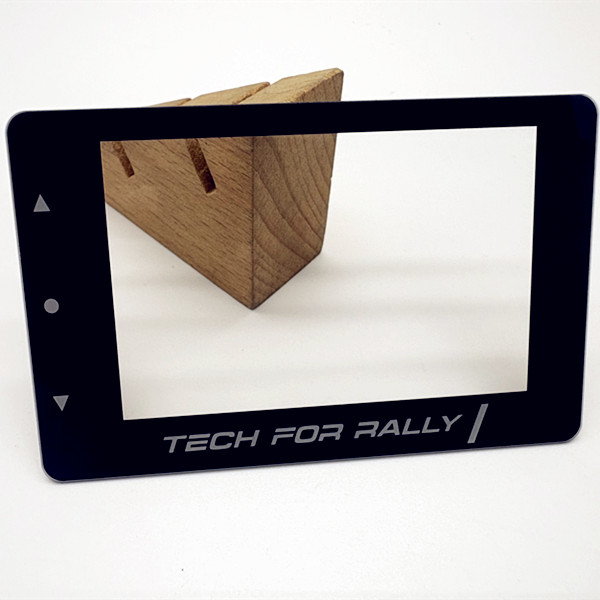
Customize Tempered Glass Silk Printed Ar Coating Gorila Glass LCD Screen protection Display
Combines decorated cover glass with AR coating for LCD protection. The result is lower reflection, improved contrast and a sealed, finished look for Calgary-branded equipment.
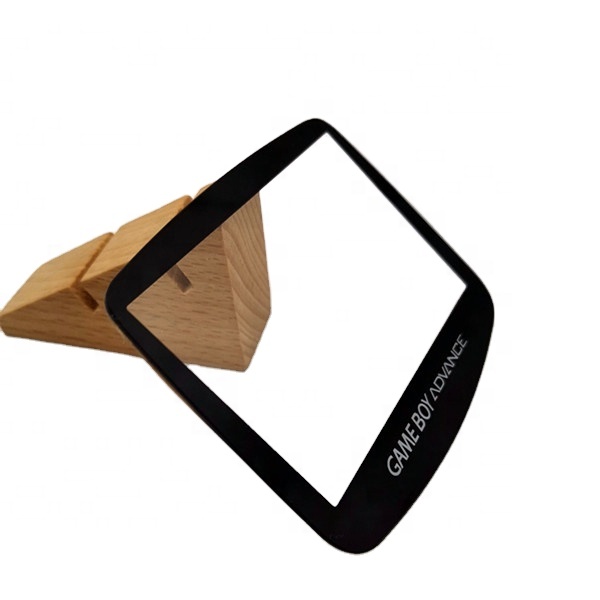
0.5mm 0.7mm 1mm 2mm 3mm Thickness China Suppliers Good Price Oem Wholesale Premium Tempered Printing Custom Gorilla Glass Screen
A wholesale-oriented program for repeat cover glass sizes from 0.5 to 3 mm. Suitable for Calgary distributors and OEMs that need stable tolerances, printing and consolidated shipments.
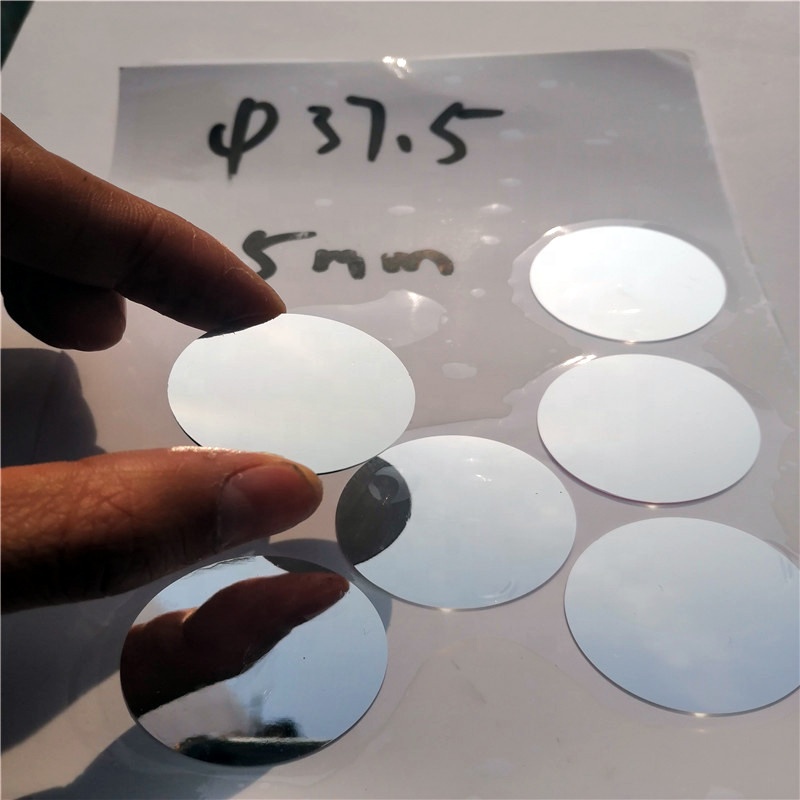
OEM Custom Heat Resistant Gobo Glass Lens
Heat-resistant gobo lenses for projection, stage and film lighting. Borosilicate options are available for high-power fixtures where thermal shock and coating stability are important.
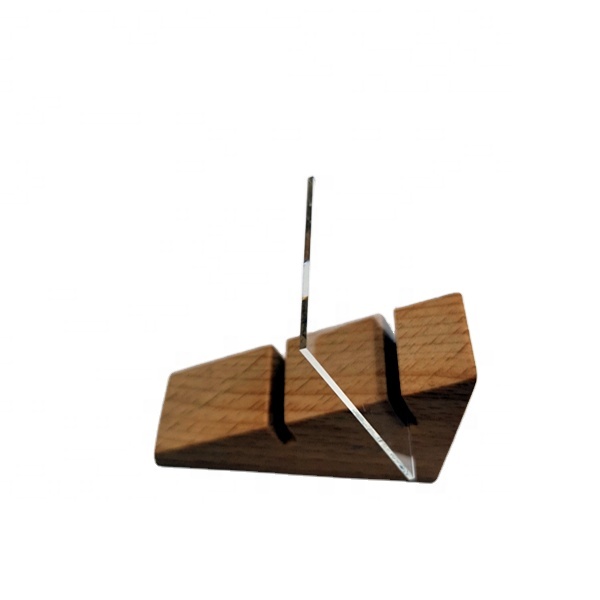
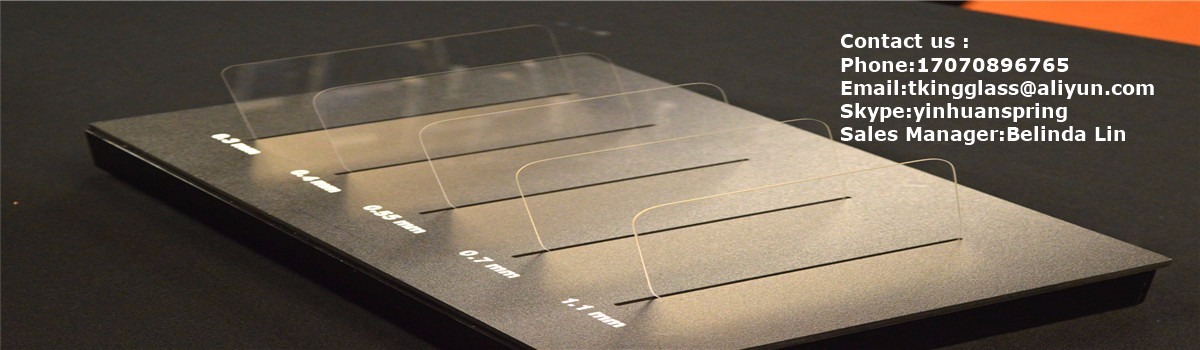
Custom 0.2mm 0.3mm 0.4mm 0.5mm 0.7 mm 1mm Thickness BOROFLOAT 33 Borosilicate Glass Sheet
BOROFLOAT 33 borosilicate sheet cut to size for heat-resistant windows, optical filters and lab fixtures. Thin gauges support Calgary instrument designers working in tight envelopes.
Why Alkali-Free Glass Is a Critical Sourcing Decision in Calgary
For Calgary procurement teams, the phrase “alkali-free glass” is not a cosmetic material claim. In analytical instruments, biochips, optical filters, display covers and semiconductor-adjacent devices, alkali ions can migrate under heat, humidity or electric fields. That migration may affect insulation, bonding, fluorescence, coating durability and dimensional stability. A glass that is merely “low-alkali” may still perform well in some applications, but an alkali-free boro-aluminosilicate such as Corning Eagle XG is a different specification class.
Calgary’s industrial base is unusually cross-disciplinary for Western Canada: energy instrumentation, environmental monitoring, life sciences, aerospace, film and TV production, and a growing advanced-manufacturing cluster. These buyers do not source glass in exactly the same way. A lighting studio may prioritize thermal shock and color consistency, while a lab-on-chip developer may prioritize flatness, low ion migration and lot traceability. The correct sourcing strategy starts with the application, not the price per square metre.
What “alkali-free” really means
In glass science, alkali-free usually means the composition contains no intentional sodium oxide, potassium oxide or lithium oxide. Alkali-free boro-aluminosilicate glass is selected when high electrical resistivity, low dielectric loss, low ion contamination and excellent dimensional stability matter. It is not automatically the same as borosilicate 3.3. Borosilicate 3.3 is excellent for thermal shock because its coefficient of thermal expansion is about 3.3 × 10⁻⁶/K, but it should not be described as alkali-free without confirming the actual glass composition. This distinction is one of the first questions our engineers clarify with Calgary buyers.
For wholesale buyers, the practical consequence is simple: do not compare quotations by glass thickness alone. Compare substrate identity, coating side, edge finish, strengthening method, print color system, flatness expectation and packing method. A lower piece price can disappear quickly if a Calgary line rejects parts because the substrate was misclassified or the AR coating was applied to the wrong surface.
Material snapshot for Calgary buyers
- Alkali-free boro-aluminosilicate: biochips, wafers, PLC substrates, precision filters.
- Borosilicate 3.3: heat-resistant windows, gobo blanks, lab and instrument glass.
- Ultra-clear soda-lime + AR: cost-effective HMI covers and display windows.
- Chemically strengthened thin glass: scratch-resistant covers from 0.15–2 mm.
- Dichroic coated glass: color separation and thermal management in lighting.
Where Alkali-Free and Specialty Glass Performs in Calgary
Calgary buyers rarely order “glass” in the abstract. They specify a function: optical transmission, thermal stability, electrical insulation, scratch resistance, color control or dimensional flatness. These are the six application clusters we see most often in Western Canada.
Energy & Environmental Instrumentation
Pressure, flow, gas and optical analysers used across Alberta demand stable windows, filters and sensor covers. Low-CTE alkali-free substrates help maintain optical alignment when instruments cycle between outdoor cold and heated enclosures.
Life Sciences & Bioinstrumentation
Calgary research and diagnostics teams use glass for biochips, microscope slides, analyser filters and fluidic devices. Alkali-free surfaces reduce uncontrolled ion effects and support reproducible fluorescence and bonding.
Film, TV & Live Lighting
Calgary’s production sector uses gobo blanks, dichroic color mirrors and heat-resistant lenses. Thin borosilicate and dichroic glass help lighting designers protect coating performance in compact, high-output fixtures.
Aerospace, Sensors & Advanced Manufacturing
HMI panels, sensor windows, optical alignment plates and protective covers may face vibration, thermal cycling and harsh cleaning. Custom thickness, edge quality and coating choices should be specified early.
Smart Displays & Appliances
From smart-home controls to industrial touch panels, AR-coated and silk-printed Gorilla glass improves readability, scratch resistance and brand presentation. Calgary OEMs often request Pantone color matching and low-MOQ samples.
Optical Communications & Photonics
PLC substrates, V-groove glass and precision wafers require flatness and dimensional stability. Alkali-free glass is attractive where low ion migration and fine patterning are part of the process window.
What Is Changing in Western Canada Glass Procurement
Calgary buyers are moving away from generic “best price per sheet” purchasing. They want documented material selection, faster sample cycles and export packing that survives a long logistics chain.
Drawing-Based Specification
More Calgary OEMs now issue DXF, DWG or PDF drawings with edge, hole, print and coating requirements instead of buying catalogue sizes. This improves first-pass fit and reduces local rework.
Traceability & Material Clarity
Engineering teams increasingly ask whether a substrate is truly alkali-free, which side carries the AR coating and how thickness and flatness are inspected. Clear documentation is now part of the quotation.
Small-Batch Validation First
Prototype samples are used to validate optical performance, print color, edge quality and assembly fit before a Calgary inventory commitment. After approval, volumes can scale into wholesale releases.
Calgary as a Western Canada Gateway
Shipments often enter through Vancouver or Prince Rupert and move by rail or truck to Calgary. Samples may travel by express air. Export packing, labeling and consolidation matter as much as the glass itself.
Shipping technical glass to Calgary without turning a good part into a damaged part
Thin glass is strong in compression but vulnerable at edges. For Calgary deliveries, we plan interleaved protection, edge cushioning, moisture barriers and cartons that can survive multi-handling. For high-value samples, express air freight is common; for production volumes, sea freight plus rail or truck is usually more economical.
Commercial terms can be discussed as FOB, CIF or DAP, with the buyer’s customs broker confirming classification and duty. Cold weather itself is not the main risk; condensation, rough handling and inadequate edge protection are. A documented packing method is therefore part of the technical review, not an afterthought.
Calgary-ready supply readiness
Alkali-Free vs. Borosilicate vs. Strengthened Cover Glass
Use this comparison for early Calgary project screening. Final selection should be confirmed against the glass manufacturer’s datasheet, your drawing and the assembly process.
| Material | Best Calgary Fit | Why Engineers Choose It | Watch-Out |
|---|---|---|---|
| Alkali-free boro-aluminosilicate (e.g., Corning Eagle XG) | Biochips, wafers, PLC substrates, precision optical filters | Low ion migration, excellent flatness, dimensional stability, low CTE around 3.2 × 10⁻⁶/K | Higher material cost; confirm thickness availability and fabrication route before design freeze |
| Borosilicate 3.3 | Gobo blanks, heat-resistant windows, laboratory and instrument glass | CTE about 3.3 × 10⁻⁶/K, strong thermal-shock resistance, good chemical durability | Do not assume it is alkali-free; verify composition for ion-sensitive applications |
| Ultra-clear soda-lime with AR coating | HMI displays, instrument windows, cost-sensitive AR covers | High visible transmission, good coating performance, broad supply base | Contains alkali; edge quality and coating side must be controlled |
| Chemically strengthened thin glass / Gorilla glass | Touch covers, scratch-resistant displays, thin protective panels | Ion-exchange strengthening improves surface strength in 0.15–2 mm gauges | Strengthened glass is not necessarily alkali-free; all cutting must be completed before strengthening |
| Dichroic coated glass | Stage lighting, gobo color effects, optical filters | Selective color reflection and transmission; can manage heat in lighting systems | Coating durability depends on substrate, cleaning method and fixture thermal design |
| Silk-printed and back-painted cover glass | Smart-home controls, appliances, industrial interfaces | Integrated graphics, icon windows, IR-transparent areas and brand appearance | Pantone match, ink adhesion and print registration must be approved on a sample |
Typical values are for preliminary material screening. Alkali-free status, coating performance and flatness tolerances should be confirmed against the final datasheet and your drawing.

A China Exporter Built for Drawing-Based Calgary Projects
Fevry Glass Co., Ltd. is based in Xinyu, Jiangxi, China. We are not a catalogue-only trader: we help engineers select the right substrate, then process raw glass into a finished, export-ready part. Our team works with optical, biological, semiconductor, communications, lighting and electronics customers, including buyers who need alkali-free glass and custom cover glass for North American assemblies.
Raw glass is sourced from Corning, AGC and established Chinese optical-glass makers such as Chengdu Guangming and Xinhuguang. Processing equipment includes laser, ultrasonic, CNC carving, grinding and inspection systems from the USA, Germany and Japan. This combination supports stable material selection and repeatable finishing for Calgary projects that move from prototype to wholesale production.
- Alkali-free Eagle XG, borosilicate and transparent ceramic glass
- Semiconductor wafers and biochip glass
- PLC substrates and optical V-groove glass
- Film, TV and stage lighting color lenses
- AR, dichroic and optical coating glass
- 0.15–2 mm ultra-thin protector glass
Six Reasons Calgary Buyers Shortlist Fevry Glass
Wholesale buyers need more than a low unit price. They need material clarity, sample control, predictable communication and packaging that protects thin glass across a long route to Alberta.
Material-First Engineering
We separate alkali-free, low-alkali, borosilicate, soda-lime and strengthened glass before quoting, reducing the risk of a Calgary design using the wrong substrate class.
One-Stop Processing
Cutting, CNC shaping, edge grinding, thermal or chemical strengthening, AR and dichroic coating, silk printing and inspection can be coordinated in one production flow.
Verified Export Record
10+ years as an Alibaba.com member, 5.0/5 buyer rating, 100% inquiry response rate and service to Western Europe, the USA, Japan, South Korea, Taiwan, Hong Kong and Southeast Asia.
Fast Quote Response
Average response time is four hours or less. Send a drawing, application, annual volume and target delivery window, and our team can recommend a material and processing route quickly.
Thin-Glass Export Packing
Interleaved protection, edge cushioning, moisture control and export cartons are planned around the part size, coating and shipping method to Calgary and Western Canada.
Sample-to-Wholesale Path
Most custom cover glass and AR glass items start from 300–500 pieces, Eagle XG cut parts from 1,000 pieces, and selected gobo blanks from 10 pieces. Samples can validate fit before volume.
A Four-Step Path from Calgary Drawing to Delivery
Designed for procurement teams that need clear communication, sample approval and predictable export packing.
Share Drawing & Application
Send your 2D drawing, thickness, material, coating side, print colors, edge finish, annual volume and target delivery window.
Engineering Review
We confirm manufacturability and recommend alkali-free, borosilicate, AR-coated or strengthened glass based on the application.
Sample Validation
Samples validate fit, optical performance, print color, edge quality and coating placement before mass production.
Production & Calgary-Ready Packing
In-line dimensional and visual checks are completed before export packing for air or sea freight to Western Canada.
Common Local Purchasing Questions
These are the questions Calgary engineers and sourcing managers ask most often when evaluating a China exporter for alkali-free and specialty glass.
Can you ship alkali-free glass to Calgary and Western Canada?
Yes. We regularly support export shipments to Western Europe, the USA, Japan, South Korea, Taiwan, Hong Kong and Southeast Asia, and can coordinate with your freight forwarder for Calgary delivery. Samples usually move by express air; production volumes can be quoted for sea freight plus rail or truck. We can discuss FOB, CIF or DAP terms and prepare export packing for thin glass.
What is the difference between alkali-free and low-alkali glass?
Alkali-free typically means the glass composition has no intentional sodium, potassium or lithium oxide, while low-alkali may still contain a controlled amount. For biochips, electrical insulation, high-resistivity substrates and precision optical devices, ask for the exact substrate identity and datasheet. Borosilicate 3.3 is excellent for thermal shock but should not be called alkali-free without verification.
What is the minimum order quantity for a Calgary prototype?
Most custom cover glass and AR glass items start from 300–500 pieces, custom-cut Eagle XG parts from 1,000 pieces, and selected gobo glass blanks from 10 pieces. Samples can be arranged before mass production so your Calgary team can validate fit, coating and print appearance. If you need a distributor stocking program, tell us the forecast and repeat sizes.
Which glass should I choose for gobo or stage lighting?
For high-power stage and film lighting, start with heat-resistant borosilicate gobo blanks or dichroic glass mirrors, depending on whether you need projection patterns or color separation. The key variables are fixture temperature, coating type, thickness, cleaning method and required color consistency. Thin 0.3–2 mm options can help compact optics while maintaining thermal tolerance.
How do you protect thin glass during winter shipping?
Glass itself is not damaged by cold, but condensation and rough handling can create problems. We plan edge cushioning, interleaved protection, moisture barriers and strong export cartons. For coated or printed parts, we also consider surface protection and packing orientation. Please share your receiving conditions so we can recommend the right packing level for Calgary delivery.
What should a Calgary buyer include in the RFQ?
Send a 2D drawing in DWG, DXF or PDF with outline dimensions and tolerances, thickness, glass material, edge finish, hole and notch positions, strengthening method, print colors with Pantone references, AR coating side or sides, application, annual quantity and target delivery date. Complete information lets our engineers respond with a firm recommendation in one round.
Request a Calgary-Ready Alkali-Free Glass Catalog
Send your drawing, application, annual volume and target delivery window. Our team will respond with a material recommendation, processing route and export packing plan for the Calgary market.
Get Catalog