Anti Glare Glass Manufacturers & Wholesalers in Los Angeles
Factory-direct anti-reflective, anti-glare, tempered, borosilicate and Gorilla® glass cut to drawing for Los Angeles OEMs, display integrators, lighting studios and wholesale buyers.
8 Anti Glare & Precision Glass Products for Los Angeles Buyers
These product families are commonly specified by display, lighting, automotive, biotech and smart-device teams. Each can be quoted to a 2D drawing with AR/AG finishing, strengthening, edgework and printing matched to the installation environment.
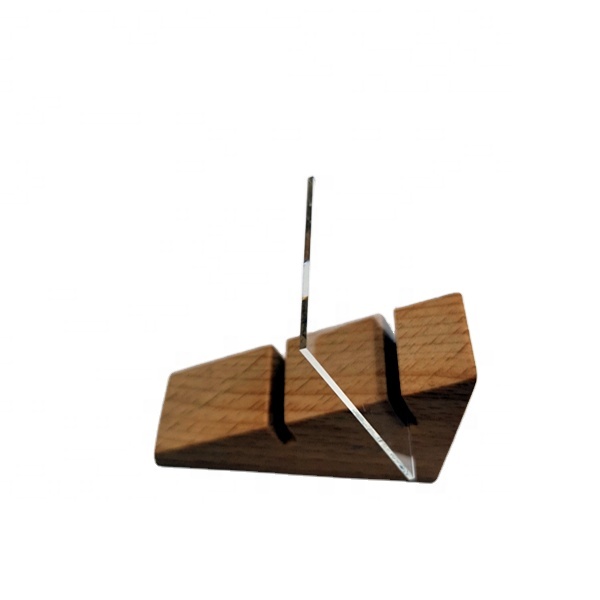
Custom 0.2mm 0.3mm 0.4mm 0.5mm 0.7mm 1mm Thickness BOROFLOAT 33 Borosilicate Glass Sheet
Heat-resistant thin glass for lighting covers, optical windows and shaped cover parts where thermal shock and clarity both matter.
View Product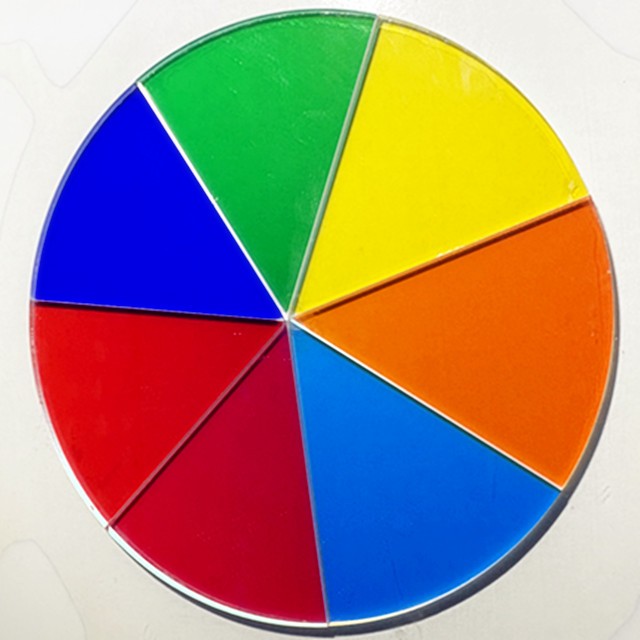
Factory Customization Dichroic Glass Gobo Glass
Coated gobo blanks for stage, film, event and architectural lighting. Custom shapes and dichroic color effects can be produced to project intent.
View Product
Custom 0.2mm 0.3mm 0.4mm 0.5mm 0.7mm 1mm Alkali Free Borosilicate AF32 Glass
Alkali-free glass for biochips, sensor windows and optical assemblies that demand low contamination risk and stable flatness.
View Product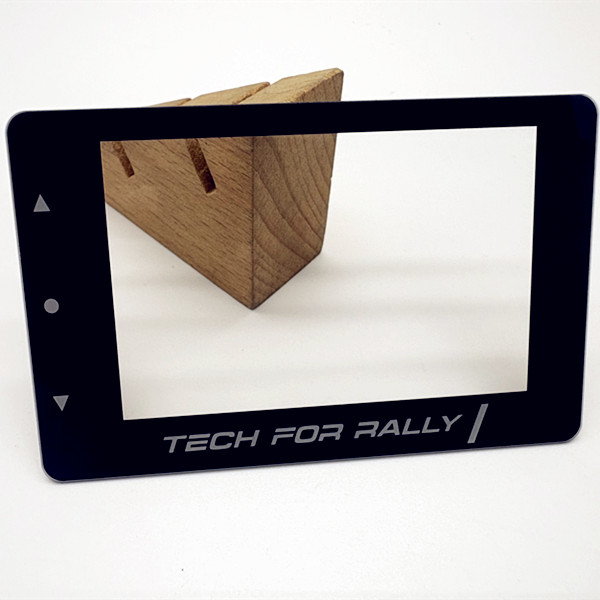
Customize Tempered Glass Silk Printed AR Coating Gorilla Glass LCD Screen Protection Display
Tempered Gorilla® glass with printed borders and AR coating for LCD protection, HMI panels and bright indoor or outdoor displays.
View Product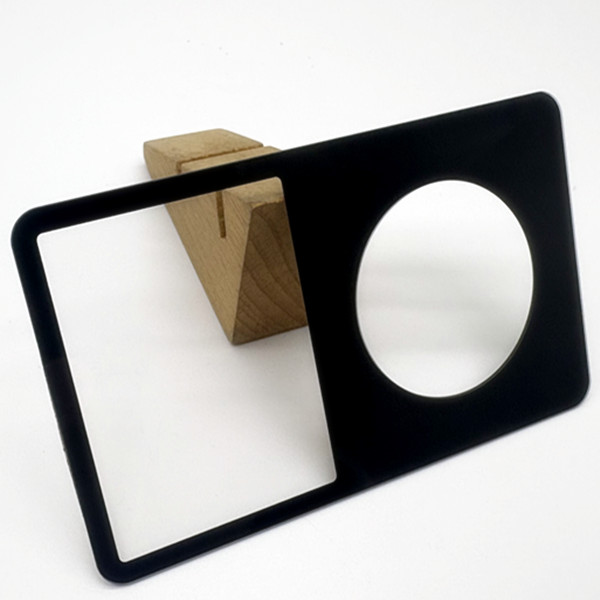
Factory Custom Smart Silkscreen Gorilla Glass Panel Tempered Glass Printing Glass
Printed Gorilla® cover glass for smart controls, appliances and display windows where graphic accuracy and surface durability are critical.
View Product
Custom Cut 0.5mm 0.7mm 1mm 1.5mm 2mm Clear Toughened Glass Tempered Corning Gorilla Glass
Clear tempered Gorilla® glass cut to outline for rugged display covers, touch panels and protective windows.
View Product
Custom Chemically ultra Thin Clear Transparent Tempered Glass Sheet
Ultra-thin ion-exchange strengthened glass for lightweight sensor covers, display stacks and high-clarity protective parts.
View Product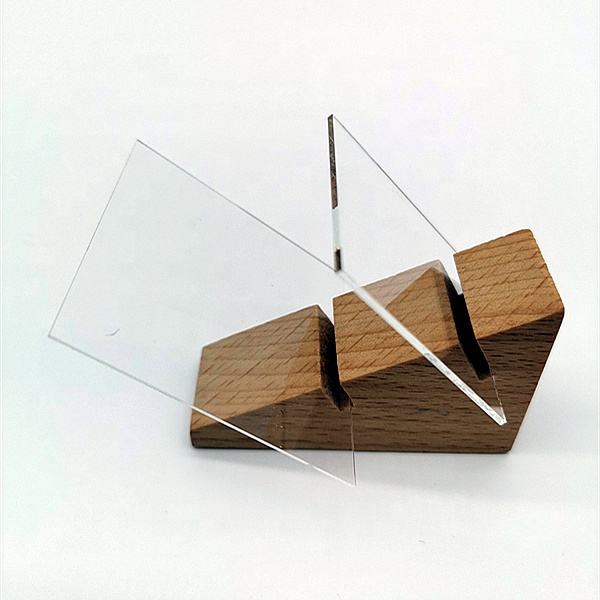
Custom Cut 0.5mm 0.7mm 1mm 1.5mm 2mm 2.5mm 3mm Corning Gorilla Temper Glass
Wholesale-capable Gorilla® tempered glass sheet for cover-glass programs requiring custom shape, print and coating steps.
View ProductAnti-Glare Glass in Los Angeles: A Readability Specification, Not a Commodity Sheet
In Los Angeles, a display is often judged in direct sun before it is judged in a showroom. From an EV design studio in Torrance to a digital kiosk near LAX, and from a Burbank production stage to a medical analyzer in a Westside laboratory, uncontrolled reflections reduce contrast, increase eye fatigue and make an otherwise premium product feel unfinished. That is why anti-glare glass in LA should be specified as an optical system: substrate, coating, print, strengthening and edge quality must work together.
For wholesale buyers, the risk is assuming that “anti-glare” means the same thing across suppliers. One sheet may use an etched matte surface that scatters light but reduces image clarity; another may use a multi-layer anti-reflective coating that suppresses surface reflection while preserving transmission. A third may combine both. If the RFQ does not define gloss, haze, reflectance, transmission, color shift, hardness and coating side, an approved sample can look excellent under office lighting and fail in a sunlit lobby or an automotive interior.
Fevry Glass approaches the category from a factory-direct perspective. We process glass to a drawing, starting from traceable Corning®, AGC and established Chinese optical glass sources, then apply the cutting, strengthening, coating and printing steps required by the application. For Los Angeles buyers, this changes the conversation: instead of choosing from a local wholesaler’s limited sheet inventory, program teams can specify the exact performance target and validate it against a production sample.
Anti-Glare vs Anti-Reflective: Specify the Right Optical Behavior
Anti-glare and anti-reflective are related but not interchangeable. The selection should be driven by viewing distance, ambient light, image resolution, touch frequency and cleaning method.
AR Coating
An interference coating reduces surface reflection and can raise transmission to approximately 98% with double-sided AR, depending on the design. It is the higher-clarity route for bright displays that must preserve fine detail.
AG Etching or Matte Finish
An anti-glare surface diffuses specular reflection. It can improve comfort and hide fingerprints, but excessive haze softens text and reduces perceived contrast in high-resolution panels.
Hybrid AG/AR
Some applications combine a subtle matte surface with AR coating or use low-haze AG on one side and AR on the other. This balances reflection control, touch feel and image clarity.
Haze, Gloss and Reflectance
Ask for measured values rather than a visual description. Haze, gloss units, reflectance and color shift should be confirmed for the exact glass, coating side and print sequence.
Transmission and Color
For automotive, medical and signage programs, color neutrality matters as much as brightness. A coating that looks dark or warm under one light can disrupt brand colors and UI palettes.
Durability and Cleaning
Public kiosks and touch panels need coatings that survive routine cleaning. Specify hardness, adhesion and cleaning-agent compatibility, and confirm whether the coating is on the viewer side or both sides.
Substrate Selection for Los Angeles Programs
The substrate decision comes before the coating decision. Thickness, thermal expansion, flatness and strengthening method determine whether a part can survive the final installation environment.
| Material | Typical Thickness | CTE (×10⁻⁶/K) | Optical / Finishing Fit | Typical Los Angeles Use |
|---|---|---|---|---|
| Ultra-clear soda-lime | 0.5–4 mm | ≈ 9.0 | AR or AG; thermal tempering; cost-effective printing | Digital signage, appliance covers, printed windows, kiosks |
| Gorilla® / alkali-aluminosilicate | 0.4–2 mm | ≈ 7.5–8.5 | Chemical strengthening; AR; scratch-resistant touches | Automotive HMI, touch panels, handheld displays |
| Borosilicate 3.3 | 0.3–3.3 mm | 3.3 | Heat resistance; dichroic or AR coating; clean edges | Gobo blanks, lighting covers, heat-resistant windows |
| Corning® Eagle XG | 0.5–1.1 mm | ≈ 3.2 | Alkali-free; flat fusion surface; bio-compatible processing | Biochips, analyzer filters, PLC and optical substrates |
| Chemically strengthened thin glass | 0.15–2 mm | Base-glass dependent | Ion exchange; high clarity; lightweight AR covers | Sensor covers, ultra-thin display stacks, protective windows |
Values are typical reference figures for preliminary material selection. Final specifications should be confirmed against the manufacturer datasheet, your drawing and the actual coating or strengthening process.
Localized Application Scenarios Across Los Angeles
Los Angeles is not one market. It is a group of technical clusters with different glare problems, different durability requirements and different approval cycles.
Automotive & EV Design Studios
Studios in and around LA prototype dashboards, center stacks, HUD covers and trim panels. AR-coated, printed and chemically strengthened glass reduces reflections under studio lighting and California sun while preserving color and touch feel.
Film, TV & Stage Lighting
Burbank, North Hollywood and downtown venues use gobo and dichroic glass to shape light. Borosilicate blanks resist heat, while custom dichroic coatings create color separation for production and architectural lighting.
Outdoor Digital Signage & Kiosks
Wayfinding, transit, EV charging and quick-service menus need readability at high lux. Specify AR on the viewer side, durable print and edges that survive cleaning and public use.
Medical Imaging & Biotech
Life-science companies use Eagle XG and borosilicate for analyzer windows, filters and biochip substrates. Low reflection and flatness matter more than decorative gloss.
Aerospace & Industrial Instruments
Instrument clusters, control panels and inspection windows need stable optics and rugged edges. Tempered or chemically strengthened glass with controlled haze can improve contrast without washing out data.
Architectural AV & Smart Controls
High-end residential and commercial AV projects often use black-printed glass with anti-reflective windows for touch controls, keypads and room displays. Batch-to-batch consistency protects the brand experience.
Local Market Trends Shaping Los Angeles Anti-Glare Glass Demand
Procurement strategy in Los Angeles is being shaped by sunlight, design velocity, entertainment production and port-based import planning.
Sun-Loaded Display Design
Southern California daylight intensity pushes OEMs toward AR-coated or hybrid cover glass. The goal is not simply “less shine”; it is contrast, color neutrality and touch clarity under demanding field conditions.
EV and HMI Refresh Cycles
Automotive and mobility studios in LA iterate quickly. Suppliers must support fast sampling, drawing revisions and print or coating changes without losing dimensional control.
Production and Lighting Customisation
Film, TV, live events and architectural lighting continue to demand small-batch gobo and dichroic glass. Heat resistance and coating repeatability matter more than large-volume price alone.
Port-Aware Wholesale Planning
LA wholesale buyers often import through the Ports of Los Angeles and Long Beach. Successful programs plan ocean transit, packing protection, customs documentation and buffer stock before a product launch, not after.



Why Los Angeles Buyers Shortlist Fevry Glass
Fevry Glass Co., Ltd. is a specialty glass supplier based in Xinyu, Jiangxi, China. Our team works with optical, biological, semiconductor, communications, lighting and electronics customers, and exports to Western Europe, the United States, Japan, South Korea, Taiwan, Hong Kong and Southeast Asia. For Los Angeles buyers, we operate as a factory-direct manufacturing and wholesale partner: the engineering team that reviews your drawing is connected to the team that cuts, strengthens, coats, prints, inspects and packs the order.
We source raw glass from Corning, AGC and other multinational producers, and work with established Chinese optical glass makers such as Chengdu Guangming and Xinhuguang. Processing equipment is imported from the USA, Germany and Japan and includes laser, ultrasonic, CNC carving, grinding and inspection equipment. This matters for anti-glare work because coating performance is only as reliable as the surface preparation beneath it: edge chips, inconsistent thickness or poor cleaning can create visible defects after coating.
Fevry’s operating principles are “Quality is superior, service is supreme, reputation is first” and “Your success, our glory.” In practice, that means documented drawing review, sample approval, in-process inspection and export packing designed for thin, fragile, optically coated glass. For a Los Angeles program manager, the value is fewer hand-offs between a cutter, coater, printer and packer — and one accountable technical contact.
Traceable Glass Sources
Corning®, AGC, Chengdu Guangming and Xinhuguang material routes.
0.15–4 mm Processing
Thin cover glass through thicker tempered panels and optical substrates.
Thermal & Chemical Strengthening
Process selection based on thickness, edge geometry and impact requirement.
AR, Dichroic & Optical Coatings
Single- or double-sided AR and lighting-oriented optical coating steps.
Silk Print & Back Painting
Pantone-matched borders, logos, icon windows and light-blocking areas.
Inspection & Export Packing
Dimensional, visual and coating checks before cushioned export packing.
From Los Angeles Drawing to Export-Ready Glass
A controlled workflow reduces the risk of an excellent sample becoming an inconsistent production lot.
Drawing & Application Review
We review dimensions, tolerances, viewing direction, print sequence and installation exposure before quoting.
Material & Optical Stack
Substrate, thickness, strengthening and AR/AG strategy are aligned to the end-use risk profile.
Cutting, CNC & Edge Finishing
Laser, CNC, ultrasonic and grinding steps create the outline, holes, notches and edge quality required for coating.
Strengthening & Coating
Thermal tempering or ion exchange is completed before final coating and printing checks.
Printing & Visual Control
Silk-screen printing and back painting are checked for color density, registration and window clarity.
Inspection & Export Packing
Final dimensional, optical and cosmetic inspection is followed by interleaved, cushioned packing for ocean or air freight.
A Practical Vetting Checklist for Anti Glare Glass Manufacturers & Wholesalers in Los Angeles
Use the same checklist whether you are comparing a local Los Angeles distributor or a factory-direct supplier. The questions reveal more than a product catalog.
Ask for Measured Optics
Request reflectance, transmission, haze and color data for the exact coating, not a generic anti-glare label.
Confirm Coating Side & Print
Clarify which face receives AR, how the print step interacts with the coating and whether protective film is required.
Verify Strengthening Sequence
Cutting, drilling and edge grinding must be completed before strengthening. Re-cutting after tempering is not acceptable.
Review Ocean-Freight Packing
Thin coated glass needs edge cushioning, interleaving and moisture protection. Ask for the actual export packing method.
Clarify Tooling & Tolerances
Define who owns drawings, tooling, print screens and inspection criteria, especially when a program moves from prototype to mass production.
Test Communication Early
Ask a technical question before the PO. Response quality and engineering depth usually reveal how the production order will be handled.
Verification Data Los Angeles Procurement Teams Can Check
Supplier claims should be checkable. These records help Los Angeles buyers evaluate trading history, response performance and review history before committing to a custom glass program.
Common Procurement Questions from Los Angeles Buyers
What is the difference between anti-glare glass and anti-reflective glass?
Anti-glare usually describes a matte or etched surface that diffuses reflection. Anti-reflective describes a coating stack that reduces surface reflection and can increase transmission. For high-resolution displays, AR generally preserves image sharpness better; for some outdoor or architectural surfaces, a controlled AG or hybrid finish may be more appropriate.
Can Fevry Glass supply custom anti-glare glass to Los Angeles?
Yes. Fevry supplies factory-direct custom glass to Los Angeles OEMs, display integrators, lighting studios and wholesale buyers. Production can be shipped by ocean freight through the Ports of Los Angeles and Long Beach or by air for urgent samples and launch schedules.
What is the minimum order for Los Angeles wholesale buyers?
Most custom cover glass and AR glass items start from 300–500 pieces. Custom-cut Eagle XG parts can start from 1,000 pieces, while selected gobo glass blanks may start from 10 pieces. Samples can be arranged before mass production to validate fit, print and optical performance.
What files should I send for an accurate quote?
Send a 2D drawing in DWG, DXF or PDF format with outline dimensions and tolerances, thickness, glass material, edge finish, hole and notch positions, strengthening method, print colors or Pantone references, AR coating side or sides, application and estimated annual quantity.
Which glass is best for bright outdoor displays in Los Angeles?
For many outdoor display programs, an AR-coated chemically strengthened or tempered glass provides the best balance of readability, scratch resistance and durability. The final choice depends on size, impact risk, cleaning method, viewing distance and whether a matte surface is needed to hide fingerprints or diffuse harsh reflections.
Can you combine silk printing, AR coating and strengthening?
Yes. Many display cover glass parts combine cutting, edge grinding, strengthening, AR coating and silk-screen printing. The exact sequence matters: print colors, coating adhesion and strengthening method must be reviewed together before production.
How is coated glass protected during export shipping?
Thin coated glass requires edge cushioning, interleaving, moisture protection and rigid export cartons. For AR-coated and printed surfaces, protective film and clean-room-style handling can be specified. Packing should be agreed during sampling, not after the first mass-production lot is finished.
Do you provide samples and inspection reports?
Yes. Samples can be produced to validate dimensions, print color, edge quality and optical appearance. Inspection criteria for dimensions, visual defects and coating appearance can be agreed before mass production, and inspection records can be provided with the shipment.
Send Your Los Angeles Anti-Glare Glass Drawing for a Factory-Direct Quote
Share your 2D drawing, target application, annual volume and optical requirements. Our engineering team will review the substrate, strengthening method, AR/AG coating, print sequence and export packing before quoting.