Top Trusted Ultra Thin Tempered Glass Suppliers & Wholesalers
A procurement-grade guide to chemically strengthened cover glass, AR-coated panels, borosilicate 3.3 substrates and custom optical glass, engineered to drawing by Fevry Glass Co., Ltd.
Get CatalogEight Ultra-Thin Tempered Glass Products for Qualified Wholesale Sourcing
Compare by substrate, coating, thickness, print and application. Every product URL below is preserved from the original catalog; use the specifications to shortlist parts before requesting a drawing review.
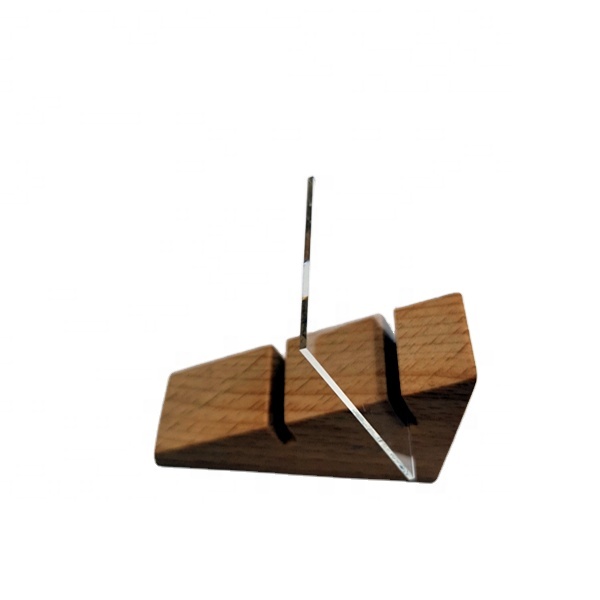
Custom 0.2mm 0.3mm 0.4mm 0.5mm 0.7 mm 1mm Thickness BOROFLOAT 33 Borosilicate Glass Sheet
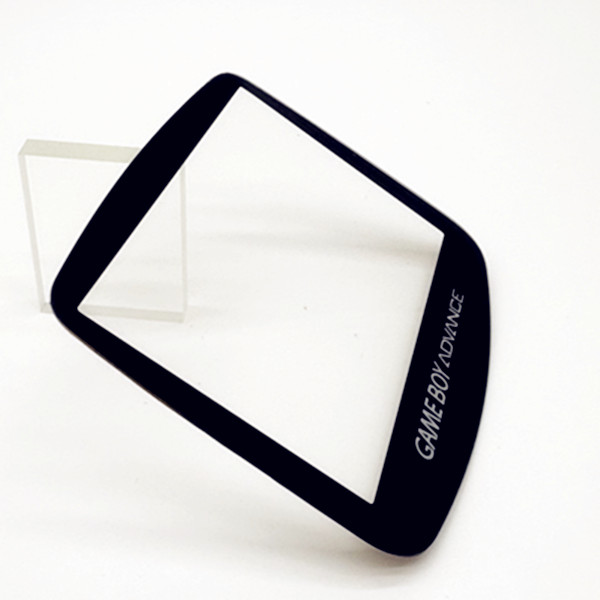
Custom Premium Gorilla Tempered Silk Screen Printed Glass Touch Screen Printed Glass Panels Cover Glass for OLED Screen
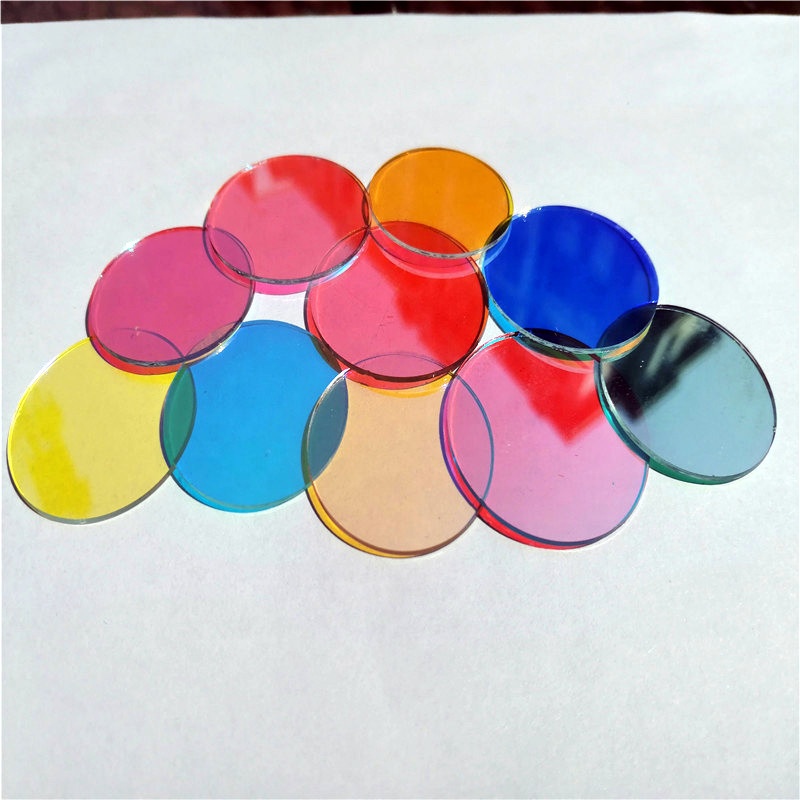
Customize logo Color Glass Gobo Glass
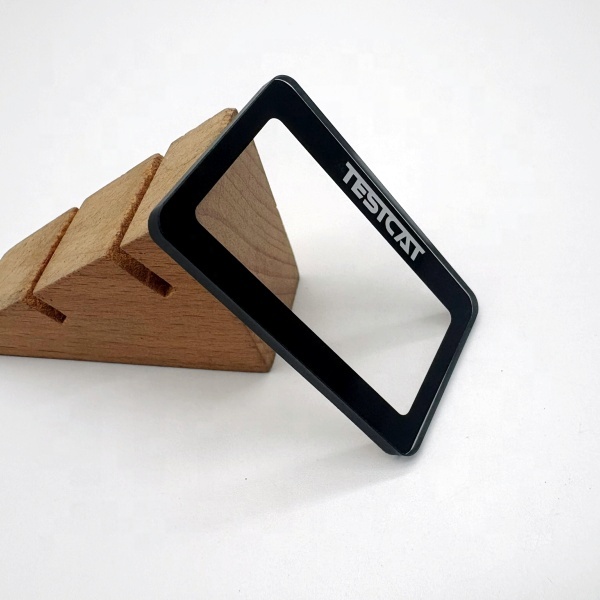
Custom Gorilla Glass Panel Tempered Glass Display Window Silk Screen Printing for LCD Display
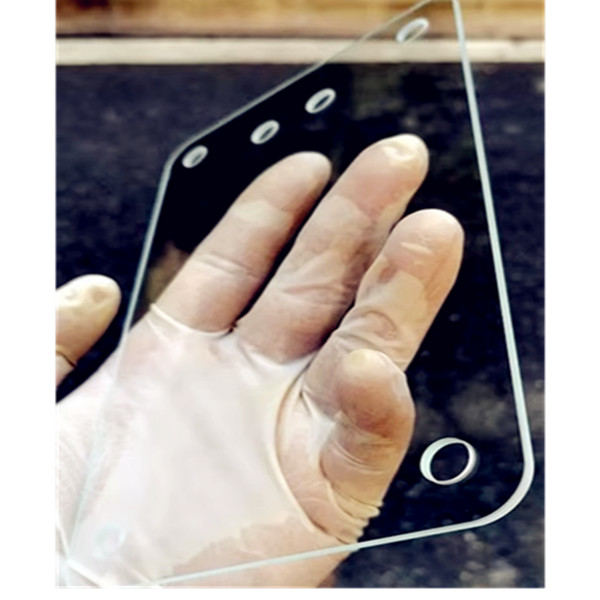
Custom Cut 0.5mm 0.7mm 1mm 1.5mm 2mm Clear Toughened Glass Tempered Corning Gorilla Glass

Back Painted Tempered Glass Led Glass Panel Cover Glass
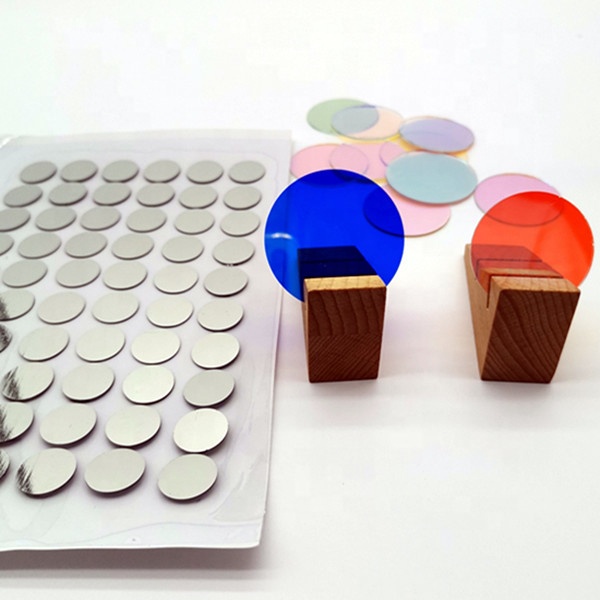
0.2mm 0.3mm 0.4mm 0.5mm 0.7mm 1.0mm 2mm Heat Resistant Gobo Glass Blanks

Factory Customization Dichroic Glass Gobo Glass
Why Ultra-Thin Tempered Glass Is a Specification-Critical Purchase
Ultra-thin tempered glass is no longer a commodity accessory. In display stacks, automotive HMI panels, smart-home control plates, analytical instruments, LED lighting engines and optical communication modules, a 0.2–2.0 mm glass sheet often performs several functions at once: it defines the user interface, protects the device, carries printed graphics, controls reflection and contributes to the mechanical architecture. That is why the search for top trusted ultra-thin tempered glass suppliers and wholesalers should begin with specification capability, not price per square meter.
One of the most common misunderstandings in procurement is the word “tempered.” Thermally tempered glass is usually produced at around 3 mm and above, using a temperature gradient to create compressive stress. For ultra-thin cover glass, the industry generally uses chemical strengthening, or ion exchange, to raise surface strength while preserving flatness and optical clarity. The finished part must be cut, drilled, notched and edge-finished before strengthening. A supplier who proposes re-cutting after strengthening is signaling a process gap that can lead to chipping, breakage or delayed field failure.
Strength alone is not a complete quality definition. A qualified wholesale glass part also has to meet flatness, thickness tolerance, edge quality, hole position, print registration, coating adhesion and optical transmission requirements. Double-sided AR coatings may need to approach the high-transmission range; printed cover glass may require Pantone-matched borders and precise icon windows; gobo glass may need thermal shock resistance and stable color under high-power lighting. These attributes are interdependent. A change in edge grinding can affect strength; a change in ink can affect curing and adhesion; a change in glass lot can affect coating appearance. The supplier’s real job is to control those interactions, not merely to cut a rectangle.
Trust, therefore, should be verified through evidence. The strongest suppliers can explain where the raw glass comes from, how the part will be strengthened, which processing steps happen before and after coating, how samples will be validated, and how export packing protects thin glass. They can provide drawing review comments, inspection criteria and shipment records. For repeat wholesale programs, the ability to reproduce the same result across lots is more valuable than a single impressive sample. Buyers should treat supplier selection as an engineering decision supported by documentation.
Supplier Evaluation Checklist
Before you approve a wholesale order, ask for answers to these questions in writing.
- Which raw glass brand and grade will be used, and can lot traceability be documented?
- Is the part thermally tempered or chemically strengthened, and why is that process suitable?
- Are cutting, drilling, notching and edge grinding completed before strengthening?
- Which side of the glass receives AR coating, and how is coating adhesion inspected?
- How will print color, registration and ink durability be validated against the drawing?
- What dimensional and visual inspection criteria will be used before export packing?
- Can pre-production samples and production videos be provided for approval?
Where Ultra-Thin Tempered Glass Creates the Most Value
Different applications demand different balances of strength, optical performance, thermal resistance, print quality and dimensional stability. The correct substrate is the one that solves the entire stack, not only the glass blank.
Display and Touch Cover Glass
Chemically strengthened 0.5–1.1 mm glass provides scratch resistance and optical clarity for LCD, OLED and touch interfaces. AR coating, anti-glare treatment, printed borders and icon windows can be combined on one part, but each added process narrows the process window and should be reviewed together.
Automotive HMI and Dashboard Trim
Dashboard trim panels need flatness, print alignment, scratch resistance and reliable bonding. A supplier that understands automotive cosmetic requirements will control edge quality, ink curing and surface protection, and will validate the part against the drawing before mass production rather than after shipment.
Smart Home and Appliance Panels
Appliance control panels and smart-home interfaces often combine glass with printed graphics, capacitive touch and LED illumination. The procurement team should specify print opacity, light windows, color tolerance and back-painting compatibility at the same time as thickness and strength.
Stage Lighting and LED Optics
Gobo blanks, dichroic color glass and LED cover panels are exposed to heat and high light flux. Borosilicate 3.3 and selected optical coatings help resist thermal shock, while custom logos and color patterns require stable inks and coating processes that do not degrade under operating conditions.
Biotech and Analytical Instruments
Biochips, analyzer filters and microscopy components require low expansion, flatness and dimensional stability. Corning® Eagle XG is often selected for alkali-free composition and fusion-formed surface quality, which supports micro-patterning, bonding and precise optical alignment.
Semiconductor and Optical Communication
Glass wafers, PLC substrates and V-groove components are not generic flat glass. They require precision cutting, controlled edge quality, cleanliness and repeatable thickness. Buyers should confirm the base glass grade, inspection method and packing standard before releasing a production order.
Choose the Substrate Before Negotiating the Unit Price
Ultra-thin glass sourcing becomes simpler when the material route is fixed first. The matrix below is a preliminary selection aid; final specifications should be confirmed against the manufacturer datasheet and your drawing.
| Material | Typical Thickness | CTE (×10⁻⁶/K) | Best-Fit Application |
|---|---|---|---|
| Ultra-clear soda-lime glass | 0.5–4 mm | ≈9.0 | Cover glass, AR panels, printed windows, appliance panels |
| Alkali-aluminosilicate glass, such as Gorilla® | 0.4–2 mm | ≈7.5–8.5 | Scratch-resistant touch covers, display protection, premium HMI glass |
| Borosilicate 3.3 | 0.3–3.3 mm | 3.3 | Heat-resistant windows, gobo blanks, lighting covers, laboratory glass |
| Corning® Eagle XG | 0.5–1.1 mm | ≈3.2 | Biochips, glass wafers, PLC substrates, micro-optics, analytical filters |
| Chemically strengthened thin glass | 0.15–2 mm | Base-glass dependent | Ultra-thin protectors, sensor covers, optical windows in compact devices |
Note: CTE values are typical industry figures for preliminary material selection. Actual values, tolerances and coating compatibility must be confirmed for the selected grade and production lot.
What Wholesale Buyers Will Expect Through 2030
The next phase of ultra-thin glass sourcing will favor suppliers who can document material origin, reduce engineering risk and support smaller, faster product cycles without sacrificing repeatability.
Dual-Source Qualification and Traceability
Procurement teams are moving away from single-source approvals. They want documented raw glass origin, qualified alternate materials and lot-level traceability so that a supply interruption or glass lot change does not force a new product validation cycle.
Total Landed Cost and Yield Accountability
The lowest quoted piece price can hide higher breakage, lower print yield or longer assembly downtime. Buyers will increasingly evaluate landed cost, process yield, incoming inspection burden and packaging protection, not just the unit price on the quotation sheet.
Faster Sample Loops and Low-Volume Validation
New display, lighting and medical products are launched more frequently, so sourcing teams need sample rounds that test fit, print, coating and strength before tooling or mass production. Suppliers that respond quickly with engineering feedback will gain preferred-partner status.
Digital Records and Sustainability Documentation
Export buyers increasingly request process documentation for quality audits and customer compliance. Suppliers that can organize inspection records, material certificates and packing specifications will reduce purchasing friction across international projects.
How Ultra-Thin Tempered Glass Is Evolving Beyond 2025
The next generation of thin glass parts will be judged as integrated engineered components: stronger, more functional, better documented and easier to assemble into the final device.
Strength Without Added Thickness
Chemical strengthening will continue to improve the balance between impact resistance and thinness. As devices become slimmer, the value of a supplier shifts from simply supplying thin sheet to controlling ion-exchange conditions, edge quality and flatness after strengthening.
Multifunctional Surfaces
AR coating, anti-glare etching, anti-fingerprint treatment and printed graphics are increasingly combined on a single glass part. The challenge is compatibility: each layer must survive the next process and remain stable through assembly, cleaning and end-use exposure.
Glass as a Precision Mechanical Part
Holes, notches, stepped edges, tight tolerances and shaped outlines are becoming standard requirements. Buyers should confirm that the supplier can machine the final geometry before strengthening, because post-strengthening cutting is not a reliable production route for thin glass.
Low-CTE Substrates for Specialized Devices
Borosilicate 3.3 and low-expansion boro-aluminosilicate glass will remain important for biochips, optical filters, lighting and semiconductor carriers. Demand is shifting toward tighter flatness, cleaner surfaces and documented material consistency.
Fevry Glass: A Wholesale Partner Built Around Custom Engineering
Fevry Glass Co., Ltd. is a specialty glass supplier based in Xinyu, Jiangxi, China, serving optical, biological, semiconductor, communications, lighting and electronics customers with parts processed to drawing.

Precision glass processing workshop

Imported cutting and grinding equipment

Optical inspection and export packing
Traceable Raw Material Supply
Fevry sources raw glass from Corning, AGC and other multinational producers and works closely with established Chinese optical-glass makers such as Chengdu Guangming and Xinhuguang. This helps projects start from consistent, traceable material rather than anonymous sheet stock.
In-House Precision Processing
Technicians process glass on laser, ultrasonic, CNC carving, grinding and inspection equipment imported from the USA, Germany and Japan. The workflow supports custom outlines, holes, notches, edge finishing and shaped windows before strengthening.
Thermal and Chemical Strengthening
Fevry provides thermal tempering for thicker panels and chemical strengthening for ultra-thin cover glass from 0.15 mm to about 2 mm. The company can advise on the appropriate route so that strength, flatness and optical quality remain balanced.
AR, Dichroic and Optical Coatings
Anti-reflective coating on one or both sides, dichroic coatings and optical filter layers can be specified for lighting, imaging and display applications. Coating side, target wavelength and transmission requirements should be defined on the drawing.
Printing, Painting and Finishing
Silk-screen printing and back painting can add Pantone-matched borders, logos, icon windows and light-blocking areas to the finished glass. For appliance, automotive and smart-home panels, print and coating compatibility should be validated during sampling.
Inspection, Packing and Export Service
Dimensional and optical checks are performed before packing, and export packing is designed for fragile thin glass. Fevry serves customers in China and exports to Western Europe, the United States, Japan, South Korea, Taiwan, Hong Kong and Southeast Asia, with buyer ratings and supplier assessment data available for review.
A Five-Step Procurement Workflow That Reduces Risk
Clear inputs lead to faster quotations and fewer iterations. The process below is designed for engineering and sourcing teams that need predictable communication.
Share the Drawing
Send a 2D drawing in DWG, DXF or PDF with dimensions, tolerances and application details.
Engineering Review
Confirm material, thickness, strengthening route, edge finish, print and coating requirements.
Sample Approval
Validate fit, color, optical performance and surface quality before committing to volume.
Mass Production
Process the order with in-line dimensional and visual checks against the approved sample.
Export Packing
Protect thin glass with interleaved, cushioned packing prepared for international shipping.
Frequently Asked Questions About Ultra-Thin Tempered Glass Sourcing
These are the questions engineers and sourcing managers ask most often when comparing ultra-thin glass suppliers and wholesalers.
Fast Evaluation Checklist
- 2D drawing with outline dimensions and tolerances
- Glass material and preferred thickness
- Edge finish, holes, notches and slots
- Thermal or chemical strengthening requirement
- AR coating side and target transmission
- Print colors, Pantone references and windows
- Application, annual volume and destination market
What is the difference between ultra-thin tempered glass and chemically strengthened glass?+
In everyday sourcing language, “tempered glass” is often used broadly. Technically, thermal tempering is generally used for glass around 3 mm and thicker, while ultra-thin cover glass from about 0.15 mm to 2 mm is usually chemically strengthened through ion exchange. Chemical strengthening improves surface strength while maintaining flatness and optical clarity. In both routes, cutting, drilling, notching and edge grinding must be completed before strengthening, because the strengthened glass cannot be reliably re-cut afterward.
Which thickness should I choose for an ultra-thin glass cover?+
The right thickness depends on impact requirements, the housing design, bonding method, weight limits and optical targets. Many display and appliance covers use 0.5 mm, 0.7 mm, 1.0 mm or 1.1 mm glass, while ultra-thin protectors and sensor covers may use 0.2–0.4 mm material. A supplier should review the full stack rather than recommend a thickness in isolation. If the part must survive drop testing or high-pressure cleaning, the edge finish and strengthening process matter as much as the nominal thickness.
When should I specify borosilicate 3.3 or Corning® Eagle XG?+
Borosilicate 3.3 has a thermal expansion coefficient of about 3.3 × 10⁻⁶/K, roughly one-third that of soda-lime glass, so it resists thermal shock far better. It is often preferred for lighting covers, heat-resistant windows, gobo blanks, laboratory glass and instrument windows. Corning® Eagle XG is an alkali-free boro-aluminosilicate glass with low thermal expansion and excellent flatness, making it suitable for biochips, glass wafers, PLC substrates, analytical filters and precision optical alignment. The final choice should be confirmed against the manufacturer datasheet and application requirements.
What information is required for an accurate quotation?+
Send a 2D drawing in DWG, DXF or PDF with outline dimensions and tolerances, thickness, glass material, edge finish, hole and notch positions, strengthening method, print colors with Pantone references, AR coating side or sides, application and expected annual quantity. If you have an existing sample, mention its critical features. Complete input allows the engineering team to recommend the correct substrate and process in one round rather than exchanging multiple clarifications. You can send details to info@fevryglass.com.
What are the typical MOQs and sample arrangements?+
Most custom cover glass and AR glass items start from around 300–500 pieces. Custom-cut Corning® Eagle XG parts may start from 1,000 pieces, while selected gobo glass blanks can start from as few as 10 pieces. Samples can be arranged to validate fit, optical performance, print color and edge quality before mass production. Because MOQ depends on size, material, coating and print complexity, the fastest path is to share the drawing and annual volume for a project-specific quotation.
How can I verify a supplier before placing a volume order?+
Check the supplier’s company profile, onsite assessment records, transaction level and buyer reviews. Ask for a sample produced with the same material and process route as mass production, and request inspection criteria before approval. Confirm how the supplier handles raw glass traceability, edge quality, coating adhesion, print color and export packing. For Fevry Glass, the public company profile includes supplier assessment, transaction and trade history information; the platform rating is 5.0/5, with an average response time of 4 hours or less and a 100% inquiry response rate.
Have a Drawing or Target Price? Turn It Into a Manufacturable Glass Part.
Send your dimensions, material, thickness, coating, print and annual volume to the Fevry Glass engineering team. Most inquiries receive a response within 4 hours, and qualified projects can be reviewed for substrate selection, sample validation and export packing.