Eight Optical Glass Plate Platforms, Engineered to Your Drawing
Every plate below is produced to order: cut, edged, strengthened, coated or printed against a 2D drawing. Thickness runs from 0.15 mm to 4 mm, and each platform can be sampled before mass production.

Custom Cut 0.5–2 mm Clear Tempered Corning Gorilla Glass
Precision-cut, chemically strengthened alkali-aluminosilicate plates for touch covers, appliance panels and instrument windows.
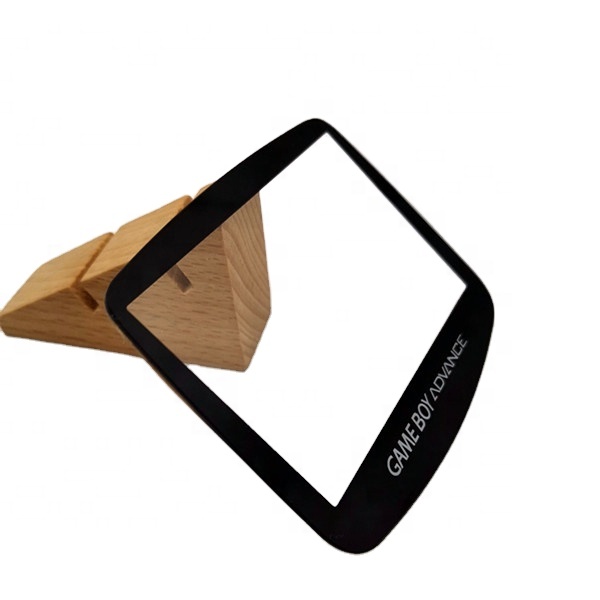
0.5–3 mm Wholesale Printed Tempered Gorilla Glass Screen
OEM-grade screen plates with colour-matched printing, stable edge quality and full batch traceability at volume.
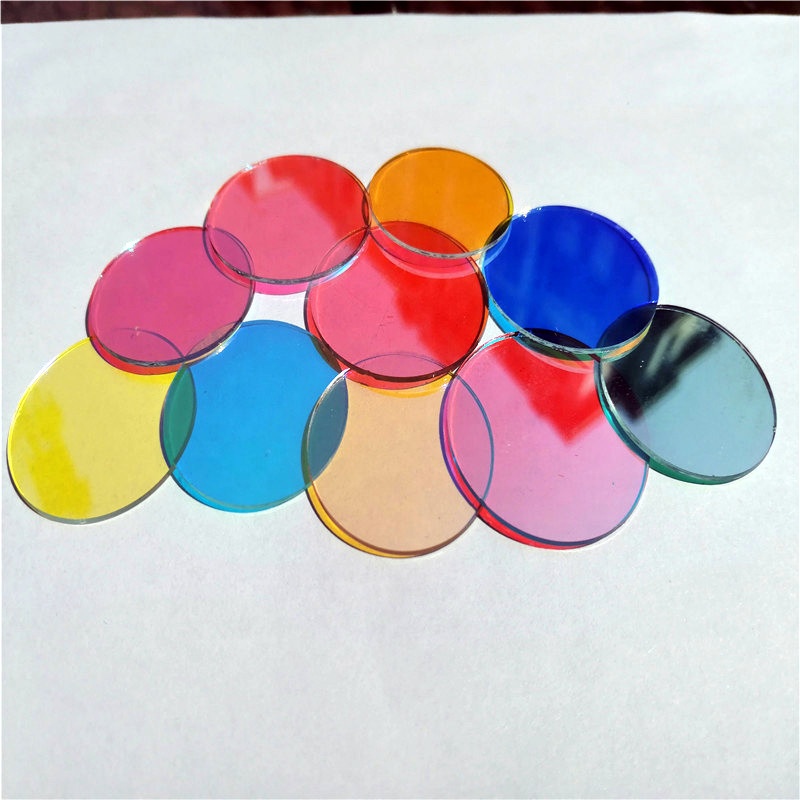
Custom Logo Colour Glass Gobo Glass
Heat-resistant gobo blanks with etched or printed artwork for stage, studio, architectural and effect lighting.
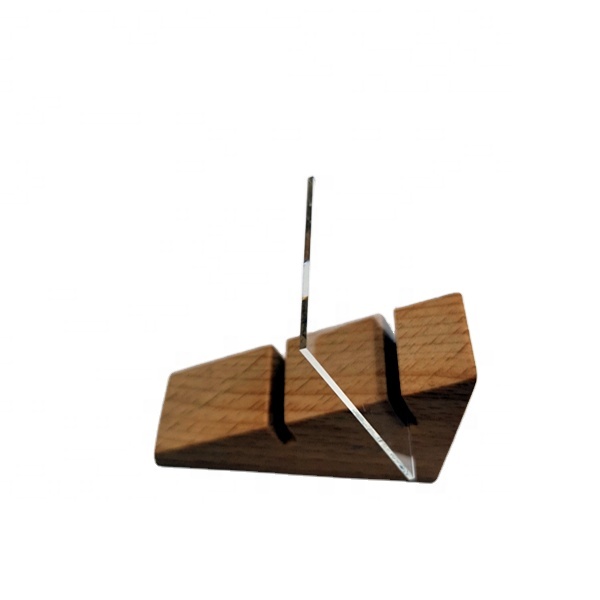
BOROFLOAT® 33 Borosilicate Glass Sheet, 0.2–1 mm
Low-expansion borosilicate 3.3 plates that survive rapid thermal cycling in lighting, sensors and laboratory hardware.
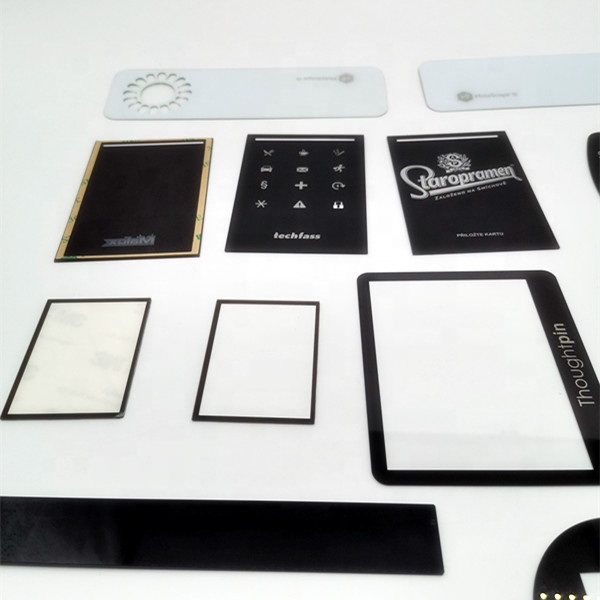
Custom Display Screen Silk Screen Printing Tempered Gorilla Glass
Dead-front printed covers with sharp icon windows and IR-transparent ink areas for displays and control panels.
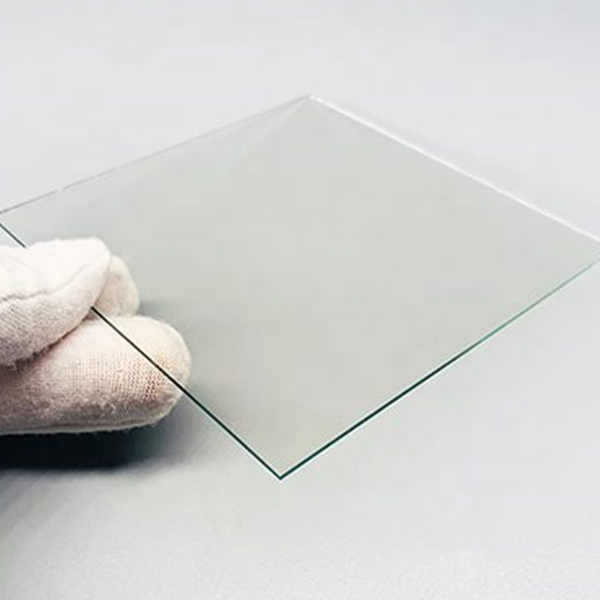
ITO Conducting Glass & ITO Coated Glass
Transparent conductive plates for touch sensors, transparent heaters, EMI shielding and electro-optical research.
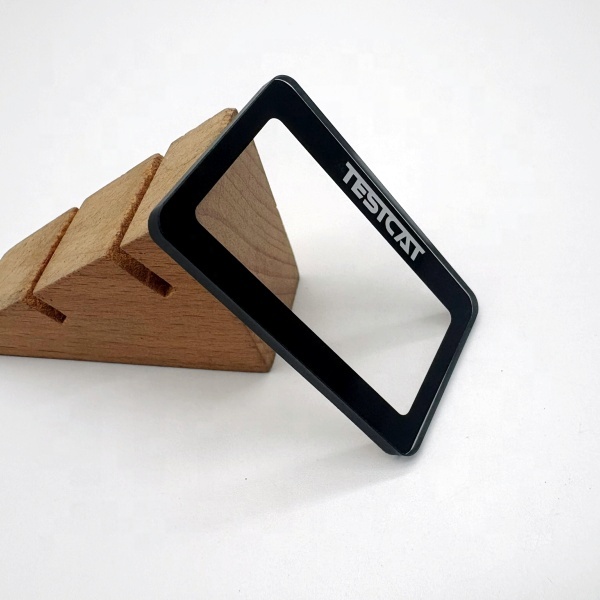
Tempered Gorilla Glass Display Window for LCD Panels
Printed window plates that conceal adhesive lines and bezel edges while protecting the LCD stack below.
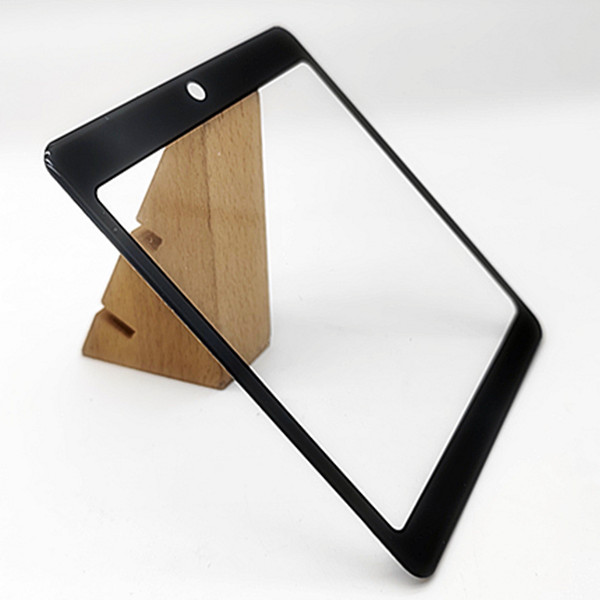
Ultra Clear Gorilla Glass Panel with Silk Screen Printing
High-transmission, low-iron plates with precision printing for electronic device windows and sensor covers.
What Separates a Trustworthy Optical Glass Plate Factory from a Reseller
An optical glass plate is a small share of a bill of materials and a large share of field failures. Buyers who judge a factory on process capability, material traceability and measurement discipline rarely regret it; buyers who judge on price per square metre often do.
Named substrate, traceable melt
Every quotation starts from a named glass: Corning® Eagle XG, BOROFLOAT® 33 borosilicate 3.3, Gorilla®-class alkali-aluminosilicate, ITO-coated or ultra-clear low-iron soda-lime. Melt origin, coefficient of thermal expansion and transmission data travel with the batch — so a sample approved in March behaves the same way in October.
One process chain, one accountable partner
Cutting, CNC shaping, edge grinding, thermal tempering or ion-exchange strengthening, AR and dichroic coating, and silk-screen printing sit under one roof. Fewer hand-offs mean fewer tolerance stack-ups, shorter lead times and a single point of accountability when a dimension drifts.
Measurement before packing
Dimensional, thickness, flatness and visual inspection are recorded before plates are interleaved and cushioned for export. Inspection reports travel with the shipment, which matters when your own incoming QC has to sign off a 500-piece lot.
Price per square metre tells you very little about the real cost of a glass plate. The variables that actually move total landed cost are breakage rate, first-pass yield on printed and coated parts, and how many engineering round trips a drawing needs before it becomes manufacturable. A supplier that flags an unachievable corner radius or an impossible coating stack in the first reply saves more money than a supplier that quotes 12% lower and discovers the problem at sample stage.
That is why experienced sourcing teams now ask for evidence rather than adjectives: a material certificate, a first-article inspection report, a photograph of the packed carton. Information gain — measurable, verifiable detail — is the only reliable basis for comparing optical glass plate manufacturers that all claim the same capabilities.
Optical Glass Plate Materials, Thicknesses and Typical Applications
Use this matrix for preliminary selection. Final specifications are always confirmed against the glass manufacturer's datasheet and your own drawing.
Material Selection Guide for Custom Optical Glass Plates
| Glass type | Thickness | CTE (×10⁻⁶/K) | Key behaviour | Typical use |
|---|---|---|---|---|
| Ultra-clear low-iron soda-lime | 0.5 – 4 mm | ≈ 9.0 | High transmission, economical, easy to print | Display windows, AR panels, printed covers |
| Gorilla®-class alkali-aluminosilicate | 0.4 – 2 mm | ≈ 7.5 – 8.5 | Ion-exchange strengthened, scratch resistant | Touch covers, appliance and instrument panels |
| Borosilicate 3.3 / BOROFLOAT® 33 | 0.2 – 3.3 mm | 3.3 | Thermal shock and chemical resistance | Gobo blanks, heat-resistant windows, lab glass |
| Corning® Eagle XG | 0.5 – 1.1 mm | ≈ 3.2 | Alkali-free, fusion-formed flatness | Biochips, glass wafers, PLC substrates |
| ITO-coated glass | 0.4 – 3 mm | Base dependent | Transparent conductive layer | Touch sensors, heaters, EMI shielding |
| Chemically strengthened thin glass | 0.15 – 2 mm | Base dependent | High strength at minimum weight | Sensor covers, ultra-thin protectors |
CTE values are typical industry figures for preliminary engineering only. Corning®, Gorilla® and Eagle XG® are trademarks of Corning Incorporated; BOROFLOAT® is a trademark of SCHOTT AG. Trademarks are used for material identification only.



Inside Fevry Glass: Material Sourcing, Equipment and Export Discipline
Fevry Glass Co., Ltd. is a specialty glass manufacturer based in Xinyu, Jiangxi, China. The company sources raw sheet from Corning, AGC and established Chinese optical glass producers such as Chengdu Guangming and Xinhuguang, then processes it on laser, ultrasonic, CNC carving, grinding and inspection equipment imported from the USA, Germany and Japan.
That combination matters because it separates material quality from process quality. A perfect substrate ruined by a chipped edge or an uneven print is still a rejected lot. By keeping cutting, strengthening, coating, printing and metrology in one facility, Fevry controls both halves of the equation — and can hold ±0.05 mm on machined outlines while keeping optical surfaces clean.
- Corning® Eagle XG, borosilicate 3.3 and transparent ceramic glass
- Semiconductor glass wafers and biochip substrates
- PLC substrates and optical V-groove glass
- Film, TV and stage lighting colour lenses and gobos
- LED filament glass and optical coating substrates
- 0.15 mm and 0.2 mm ultra-thin protector glass
Two internal statements frame how orders are handled: “Quality is superior, service is supreme, reputation is first” and “Your success, our glory”. In practice that shows up as a sub-4-hour average response, a 100% inquiry response rate, a 5.0/5 buyer rating and more than ten years of continuous trading on Alibaba.com — records any buyer can verify before committing to a first purchase order.
A Five-Step Path from Drawing to Delivered Optical Glass Plates
Predictable communication for procurement teams who cannot afford surprises between sample approval and mass production.
Share the drawing
Send DWG, DXF or PDF with outline dimensions, tolerances, thickness, glass type, edge finish, hole positions, strengthening method, print colours and AR sides.
Engineering review
We confirm manufacturability, recommend a substrate and flag any feature that will not survive strengthening, coating or printing.
Sample approval
Physical samples validate fit, colour matching, transmission and print registration before production tooling is committed.
Mass production
Processing runs with in-line dimensional and visual checks; first-article inspection reports are available on request.
Export packing
Plates are interleaved, cushioned and cartoned for fragile air and sea freight, with packing photos recorded before dispatch.
Where Our Optical Glass Plates Perform
Supplied to OEMs, design houses and research teams across Western Europe, the United States, Japan, South Korea, Taiwan, Hong Kong and Southeast Asia.
Displays & Electronics
LCD protection glass, smart-home control panels, dead-front printed covers and appliance windows with AR options.
Stage & LED Lighting
Gobo blanks, dichroic colour lenses, LED filament substrates and heat-resistant cover plates for high-power fixtures.
Biotech & Life Science
Biochip substrates, biological analyzer filters and microscopy-grade plates cut from Eagle XG and borosilicate 3.3.
Semiconductor & Optical Communication
Glass wafers, carrier substrates, PLC substrate glass and fiber-alignment V-groove plates with low TTV.
Automotive & Appliances
Dashboard trim panels, decorative glass overlays and chemically strengthened covers that pass impact and abrasion testing.
Measuring Instruments
Flat, dimensionally stable window and worktable glass for metrology, inspection systems and laboratory equipment.
Optical Glass Plate Product Development Trends
Six engineering directions are reshaping what buyers write into drawings — and what factories must be able to quote.
Thinner and stronger
Specifications are migrating from 1.1 mm to 0.5 mm and even 0.15 mm. Ion-exchange strengthening is replacing thermal tempering on thin formats because it raises surface strength while preserving flatness and optical clarity.
Double-sided AR becomes default
Anti-reflective stacks on both faces push light transmission toward 98% and eliminate the double-image effect on instrument windows. Buyers increasingly specify AR plus anti-glare or anti-fingerprint top layers in one coating run.
Printed glass turns functional
Dead-front black borders, IR-transparent sensor windows and multi-colour logos are printed on the second surface. Printing is no longer decoration — it is part of the optical and mechanical design.
Thermal management for high-power lighting
Borosilicate 3.3 and heat-resistant gobo blanks are specified for LED, laser and stage fixtures where rapid heating and cooling would crack ordinary soda-lime plates.
Conductive and active layers
ITO, transparent heater and EMI-shielding layers are increasingly deposited on the same plate that carries the print — one part that protects, conducts and communicates.
Larger formats, tighter tolerances
Laser cutting and CNC grinding now hold ±0.05 mm on outlines while handling larger panels, which reduces bezel width and allows full-glass front panels on appliances and vehicles.
Optical Glass Plate Procurement Trends Buyers Are Acting On
Purchasing teams are changing how they qualify suppliers — and the changes favour factories that can document their process.
Drawing-based RFQ replaces catalogue buying
Generic catalogue parts are being replaced by drawing-based requests that specify tolerance, edge finish, coating side and print colour. Suppliers who can read a drawing and reply with manufacturing feedback win the order before price is even discussed.
Process consolidation with one supplier
Buyers increasingly prefer one partner for cutting, strengthening, coating and printing instead of coordinating four vendors. Consolidation shortens lead time, reduces freight damage and removes the finger-pointing that follows a failed lot.
Sample-first, then scale
Sample validation before tooling is now standard practice. Flexible MOQ bands — from a few hundred pieces on custom covers to 1,000 pieces on Eagle XG parts — let engineers de-risk a design before committing to annual volume.
Total landed cost over unit price
Breakage in transit, rework on print registration and delay penalties now count in the comparison. A plate that costs 10% more but arrives intact with an inspection report is usually the cheaper option.
Documentation and compliance
RoHS and REACH declarations, material certificates and first-article inspection reports are requested at quotation stage rather than after the PO. Suppliers without documentation are filtered out early.
Verified trading records and dual sourcing
Buyers check transaction history, ratings and onsite assessment records before the first order, then keep a qualified second source for thin and coated parts where single-supplier risk is highest.
Behind these shifts is a simple calculation. A custom optical glass plate typically represents a small fraction of the finished device cost, yet it sits directly in the user's line of sight and often forms the front face of the product. Failure is disproportionately expensive. Procurement teams therefore optimise for repeatability rather than the lowest quotation, and they prefer suppliers who can show a measured report instead of a promise.
Optical Glass Plate Purchasing: Frequently Asked Questions
Straight technical answers to the questions engineers and sourcing managers ask most often.
What is an optical glass plate, and which thicknesses can you supply?
An optical glass plate is a flat, precision-finished glass substrate used to protect, transmit, filter or conduct light in a display, instrument, lighting or sensor assembly. We process plates from 0.15 mm to 4 mm in ultra-clear soda-lime, Gorilla®-class alkali-aluminosilicate, borosilicate 3.3, BOROFLOAT® 33, Corning® Eagle XG and ITO-coated glass, cut to outline, drilled, edged, strengthened, coated and printed according to your drawing.
Should I choose chemically strengthened or thermally tempered glass?
Thermal tempering suits glass around 3 mm and thicker. For thin cover glass from 0.15 mm to roughly 2 mm, chemical strengthening (ion exchange) raises surface strength while keeping the sheet flat and optically clean. In both cases, cutting, drilling and edge grinding must be finished before strengthening — the glass cannot be re-cut afterwards without destroying the strengthened layer.
When is borosilicate 3.3 better than soda-lime glass?
Borosilicate 3.3 expands at about 3.3 × 10⁻⁶/K, roughly one third of soda-lime glass, so it tolerates rapid temperature change far better. Choose it for gobo blanks, lighting covers, heat-resistant windows, laboratory glass and instrument parts where thermal shock or chemical exposure is expected.
Why is Corning® Eagle XG used for biochips, wafers and PLC substrates?
Eagle XG is an alkali-free boro-aluminosilicate glass with low thermal expansion and a fusion-formed surface. That combination delivers excellent flatness and dimensional stability, which suits micro-patterning, bonding and precise optical alignment in biological analyzers, semiconductor carriers and planar lightwave circuits.
What is your minimum order quantity?
Most custom cover glass and AR-coated plates start from 300–500 pieces, custom-cut Eagle XG parts from around 1,000 pieces, and selected gobo or dichroic glass blanks from as few as 10 pieces. Samples can be arranged to validate fit and optical performance before mass production is committed.
What information do you need to evaluate and quote a project?
Send a 2D drawing (DWG, DXF or PDF) showing outline dimensions and tolerances, thickness, glass material, edge finish, hole and notch positions, strengthening method, print colours with Pantone references, AR coating side(s), the end application and your expected annual quantity. Complete information lets our engineers return a firm recommendation in one round instead of three.
How is quality controlled, and how are plates packed for export?
Dimensional, thickness, flatness and visual checks are performed after processing, and first-article inspection reports can be supplied with the shipment. Finished plates are interleaved with protective film or paper, cushioned in foam and packed in export cartons designed for fragile thin glass, with packing photographs recorded before dispatch.
Which markets do you ship to, and can you support a first order from a new buyer?
Besides customers in China, we regularly ship to Western Europe, the United States, Japan, South Korea, Taiwan, Hong Kong and Southeast Asia. First orders are usually handled as a paid sample round followed by a small production lot, which lets both sides confirm tolerances, print colour and packing before scaling to annual volume.
Have a Drawing? Let’s Engineer Your Optical Glass Plate.
Send your specifications — dimensions, thickness, glass type, coating side and print colours — and our engineers typically reply within four hours with a manufacturability review and a firm quotation.
info@fevryglass.com