8 Engineered Glass Product Families for Custom Disc Programs
A glass disc is usually not a standalone catalogue item. It is a substrate, coating and finishing programme cut to your drawing. The eight product families below are proven starting points for round, wafer, filter or cover-glass formats. Product URLs and images are preserved from the original range.
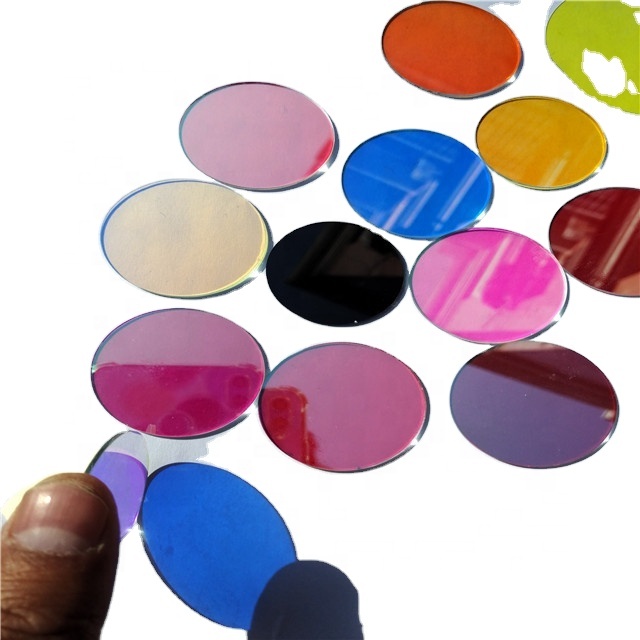
Heat Resistant Borosilicate 3.3 Dichroic Glass Filter
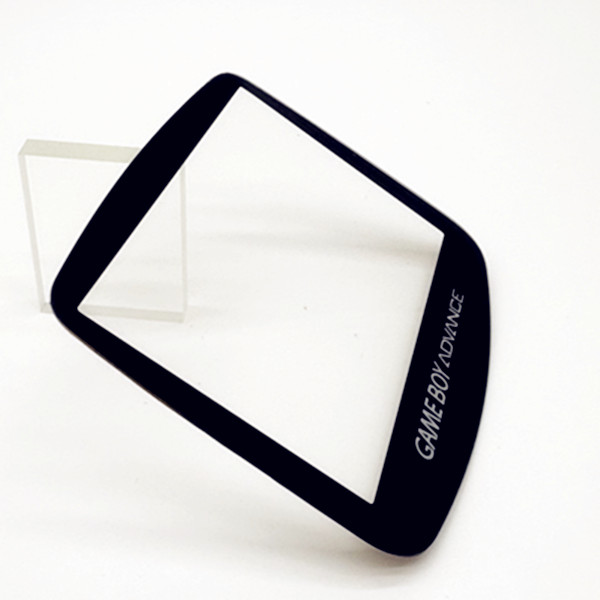
Custom Premium Gorilla Tempered Silk Screen Printed Glass Touch Screen Printed Glass Panels Cover Glass for OLED Screen
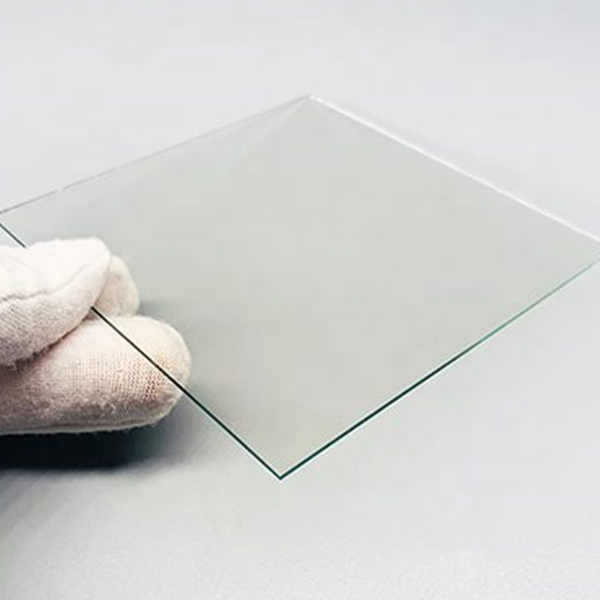
Ito Conducting Glass, Ito Coated Glass, Ito Glass
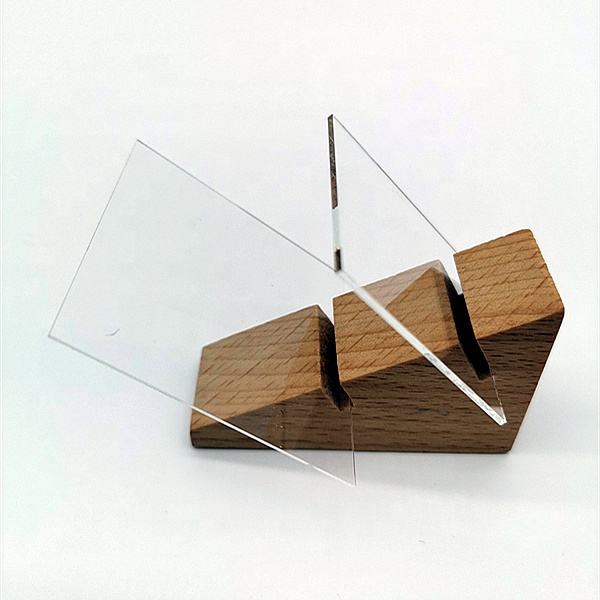
Custom Cut 0.5mm 0.7mm 1mm 1.5mm 2mm 2.5mm 3mm Corning Gorilla Temper Glass
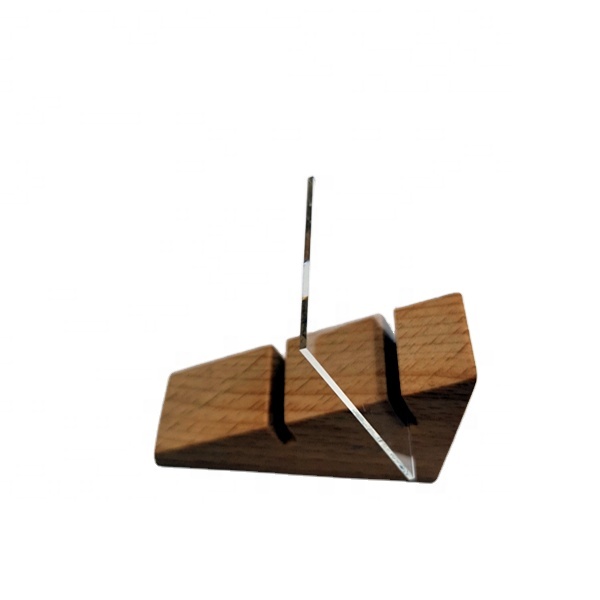
Custom 0.2mm 0.3mm 0.4mm 0.5mm 0.7 mm 1mm Thickness BOROFLOAT 33 Borosilicate Glass Sheet
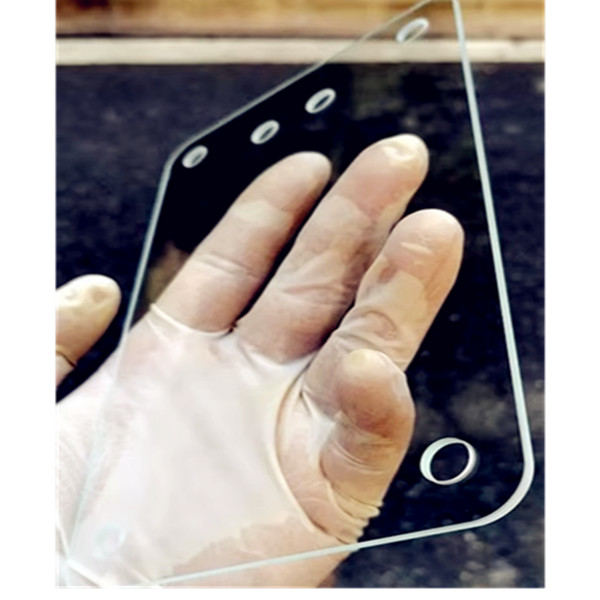
Custom Cut 0.5mm 0.7mm 1mm 1.5mm 2mm Clear Toughened Glass Tempered Corning Gorilla Glass
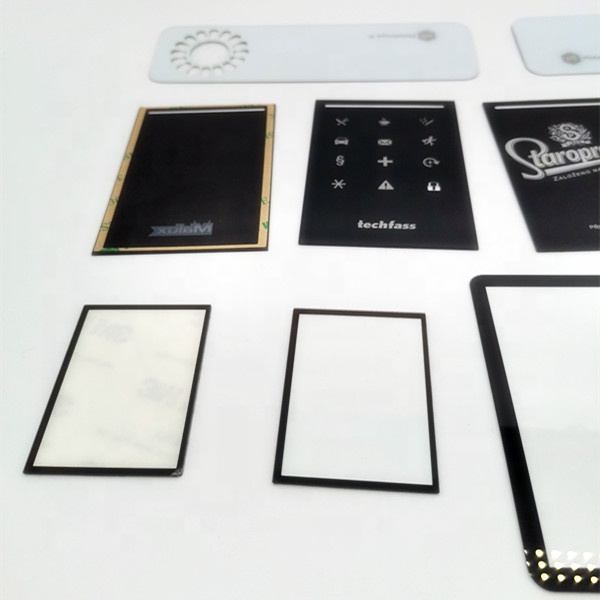
Custom Corning Gorilla Tempered Glass Silk Screen Printing for Touch Screen

Back Painted Tempered Glass Led Glass Panel Cover Glass
Note: round, disc and wafer dimensions are defined by drawing and feasibility review. Product pages above preserve the original product URLs and show the substrate or finished-panel reference for each family.
Top 10 Glass Disc Manufacturers & Factories: What Buyers Actually Need to Rank
Queries for top 10 glass disc manufacturers and factories usually come from three buying situations: a new optical or LED product needs a custom round glass part; a display cover needs strengthening and printing; or a sensor or bio device needs a wafer-like substrate with traceable optical properties. The intent is commercial investigation, not casual browsing. The searcher wants evidence: material source, thickness range, tolerances, coating capability, inspection method, MOQ and export record.
A universal top 10 list can be misleading. A factory that is excellent for 0.7 mm borosilicate lighting discs may not be the best choice for 0.2 mm chemically strengthened cover discs or ITO-coated conductive discs. The better decision is to score candidates against ten capability gates. That is the framework used here. It also reflects Google’s E-E-A-T expectations: show real production experience, name the processes and materials, provide verifiable service records, and avoid unsupported claims.
For procurement teams, the practical outcome is a shortlist that can survive engineering review, sample validation and mass-production inspection. The strongest "top" supplier is the one that can document how it controls material, edge quality, coating, printing, flatness and packing for your exact application.
Years as Alibaba.com member
Average response time
Inquiry response rate
Buyer rating
Export regions served
The 10-Point Glass Disc Factory Scorecard
Use this scorecard to compare glass disc manufacturers and factories with the same evidence standard. It is designed for custom optical, lighting, display, sensor and biochip programmes where a catalogue price is not enough.
Material Traceability
Can the factory identify the raw glass source, lot, thickness and coating batch? Traceability matters for optical consistency and repeat orders.
Disc Geometry Capability
Check diameter range, thickness range, hole and notch capability, flatness, and whether the process is stable from sample to mass production.
Cutting & Machining
Laser, CNC, ultrasonic and grinding equipment determine edge quality and the risk of micro-cracks on thin glass discs.
Strengthening Strategy
Thermal tempering suits thicker glass; chemical strengthening is often better for ultra-thin discs. Confirm the sequence of cutting before strengthening.
Coating Control
AR, ITO, dichroic and filter coatings must be specified by side, wavelength, sheet resistance and durability requirement.
Printing Precision
Silk-screen borders, logos, icon windows, back painting and IR-transparent ink areas need colour and registration control.
Metrology & Inspection
Ask how dimensions, thickness, flatness, coating appearance and visual defects are measured before packing.
Packing & Breakage Control
Thin glass discs need interleaving, edge protection and cushioning. Poor packing can erase the benefit of good process control.
Export Communication
Clear drawings, change notices, inspection records and export documentation reduce delays for international OEM buyers.
Engineering Fit
The best factory challenges a weak drawing early, recommends the right substrate, and offers a realistic MOQ and schedule.
Illustrative weighting for a custom glass disc sourcing decision
These weights are a practical buyer model, not a market-size statistic. Adjust the percentages to match your application risk.
Material Selection for Glass Discs: The Decision That Changes Everything
Most sourcing problems begin before the RFQ. If the substrate is wrong, no amount of polishing or inspection will fix thermal shock, transmission loss or coating adhesion. Use the table below as a first-pass filter, then confirm every value against the manufacturer datasheet and your application test plan.
| Material | Typical thickness | Key property | Best disc / round-glass uses | Procurement watch-out |
|---|---|---|---|---|
| Borosilicate 3.3 | 0.3–3.3 mm | CTE ≈ 3.3 × 10⁻⁶/K; strong thermal-shock resistance | Heat-resistant lighting windows, filter discs, gobo blanks, instrument glass | Confirm maximum service temperature in the actual assembly, not only on the datasheet. |
| BOROFLOAT 33 | 0.2–1 mm and above | Low expansion, high transmission, good chemical resistance | Thin optical windows, heat-resistant cover discs, laboratory viewing parts | Thin sheets need careful edge quality and packing to avoid handling cracks. |
| Ultra-clear soda-lime tempered | 0.5–4 mm | Economical, thermo-tempered, good visible clarity | Display cover discs, LED cover glass, printed appliance windows | Check flatness, colour neutrality and print registration after tempering. |
| Gorilla-type alkali-aluminosilicate | 0.4–2 mm | High scratch resistance after chemical strengthening | Touch cover discs, OLED cover glass, wearable and HMI windows | Strengthening and printing sequence must be agreed before sampling. |
| Corning Eagle XG | 0.5–1.1 mm typical | Alkali-free, low thermal expansion, excellent flatness | Biochip substrates, analyzer filters, PLC and precision optical alignment | Higher MOQ and careful handling; verify flatness and surface quality by application. |
| ITO-coated glass | Project-dependent | Transparent conductive layer with optical clarity | Touch sensors, electrodes, heating or shielding discs | Specify sheet resistance, coating side, busbar design and environmental durability. |
| Dichroic / filter glass | 0.2–2 mm typical | Wavelength-selective coating for colour or optical separation | Stage lighting discs, colour filters, optical instrument components | Angle of incidence changes colour performance; define the optical set-up. |
Heat-resistant filter discs
Start with borosilicate 3.3 and a dichroic coating when the disc faces high-brightness lighting or thermal cycling.
View filter familyDisplay and touch covers
Use strengthened Gorilla-type glass with silk-screen borders when scratch resistance and crisp printing both matter.
View cover glassConductive sensor discs
ITO-coated glass is the route to explore when the disc must conduct, heat, shield or sense without blocking light.
View ITO glassThin borosilicate windows
For thin optical or heat-resistant discs, BOROFLOAT 33 provides a useful balance of clarity, expansion and chemical stability.
View BOROFLOAT family2025–2030 Procurement Trends for Glass Disc Buyers
The buying conversation is shifting from “price per piece” to “qualified total cost”. These six trends are already reshaping RFQs for custom glass discs, wafers and optical filters.
Total landed cost replaces unit price
Buyers now calculate breakage, inspection failure, coating rework and line downtime into the decision. A stable factory often beats a lower quotation that creates hidden quality cost.
Dual-qualified supply
OEMs are qualifying a second source earlier, especially for coated, printed or ultra-thin discs. This reduces risk without waiting for a supply interruption.
Thin glass and chemical strengthening
Wearables, sensors and compact HMI designs continue to push thickness below 1 mm. Chemical strengthening is becoming a standard route for these cover discs.
Coating integration
AR, ITO, dichroic and anti-glare requirements are being combined in one RFQ. Buyers want one accountable coating process, not multiple hand-offs.
Digital quality packages
Drawings, inspection reports, sample photos and packing records are now expected before mass production. Documentation is part of the product.
Smaller, more frequent lots
Inventory discipline is encouraging smaller production lots and repeat releases. Factories with flexible tooling and stable SOPs have an advantage.
Product Development Trends Shaping the Next Generation of Glass Discs
Glass discs are moving from simple windows to functional optical components. Design teams increasingly expect the disc to combine strength, coating, conductivity and printed features in one part.
Thinner, stronger discs
0.15–0.7 mm chemically strengthened glass is increasingly requested for compact displays, sensors and protective windows.
Multifunction coatings
AR plus anti-glare, anti-fingerprint or conductive layers are being evaluated together, with side-specific coating requirements.
Conductive glass for sensors
ITO-coated glass discs support touch, heating, shielding and sensing functions where optical clarity must remain high.
Heat-resistant optics
High-brightness lighting and projection designs favour borosilicate 3.3 and dichroic coatings with verified thermal performance.
Printed glass with hidden windows
Silk-screen printing can create dead-front aesthetics while leaving IR or sensor windows transparent. Registration and ink durability are critical.
Wafer-scale and panel-level processing
Biochips, optical communication and micro-optics benefit from flat, low-expansion substrates processed in wafer or panel formats before singulation.
How to Audit a Glass Disc Factory Before You Commit
For international buyers, the most useful audit is evidence-led rather than a generic factory visit. Ask for records that can be compared against your drawing and application risk.
Public business records
Review supplier assessment, credit profile, transaction level, trade history and buyer ratings. Public records reduce reliance on sales claims.
DFM review before quote
A capable factory will confirm material, thickness, edge finish, coating side, print colour and tolerance before releasing a final quotation.
Measured samples
Approve samples with dimensional and optical measurements, not only photographs. Include edge quality, flatness and coating appearance.
Coating verification
For AR, ITO or dichroic discs, confirm transmission or reflection target, sheet resistance if relevant, coating side and adhesion test method.
Packing validation
Thin glass discs can arrive with invisible micro-cracks. Agree interleaving, cushioning, edge protection and carton drop requirements.
Response reliability
Check how quickly engineering questions are answered. A supplier that clarifies drawings early usually has fewer production surprises later.
Why Fevry Glass Belongs on a Qualified Glass Disc Supplier Shortlist
Fevry Glass Co., Ltd., based in Xinyu, Jiangxi, China, is a specialty glass supplier for custom tempered, AR-coated, silk-screen printed, borosilicate 3.3, Corning Eagle XG, glass wafer, optical filter and ultra-thin glass projects. The company sources raw glass from Corning, AGC and established Chinese optical-glass producers such as Chengdu Guangming and Xinhuguang, then processes it on laser, ultrasonic, CNC carving, grinding and inspection equipment imported from the USA, Germany and Japan. This combination matters for glass discs because material consistency and edge/coating control are two of the largest sources of field failure.
Fevry’s service record includes 10+ years as an Alibaba.com member, an average response time of ≤4 hours, a 100% inquiry response rate, a 5.0/5 buyer rating and service to 7+ export regions. Buyers can review supplier assessment, credit profile, transaction level, trade capacity and trade history records before committing to production.
The company’s guiding principle — “Quality is superior, service is supreme, reputation is first” — and its motto “Your success, our glory” are supported by practical capabilities: Eagle XG, borosilicate and transparent ceramic glass; semiconductor wafers and biochip glass; PLC substrates and optical V-groove glass; film, TV and stage lighting colour lenses; LED filament and optical coating glass; and 0.15/0.2 mm ultra-thin protector glass.
Material portfolio
Borosilicate 3.3, BOROFLOAT 33, Eagle XG, Gorilla-type glass, ITO-coated glass, optical filter and ultra-thin glass options.
Precision machining
Laser, CNC and ultrasonic processing for custom outlines, holes, notches, slots, flat edges, pencil edges and chamfered edges.
Strengthening know-how
Thermal tempering for thicker panels and chemical strengthening for ultra-thin glass from 0.15 mm to about 2 mm.
Optical coatings
AR coating on one or both sides, dichroic and filter coatings, plus ITO conductive glass for sensor and display applications.
Printing and painting
Pantone-matched borders, logos, icon windows, IR-transparent ink areas and back painting for LED and display cover glass.
Inspection discipline
Dimensional, thickness and flatness checks plus visual defect inspection before interleaved, cushioned export packing.
Glass Disc Sourcing FAQ
Straight answers to the questions engineers, product managers and procurement teams ask most often when evaluating custom glass disc manufacturers and factories.
Are the eight products above supplied as glass discs?
The eight product families are substrate and processing platforms. Final geometry — round disc, wafer, square, rectangular or shaped window — is defined by your drawing and feasibility review. Some product references show sheets or panels because the same material and process can be used to produce custom disc formats. Always confirm diameter, thickness, edge finish and coating side in the RFQ.
What is the best glass material for a high-temperature disc?
Borosilicate 3.3 is usually the first choice when thermal shock resistance is important because its coefficient of thermal expansion is about 3.3 × 10⁻⁶/K, roughly one third that of soda-lime glass. For more severe optical or thermal requirements, a fused-silica or specialist glass may be more appropriate. Confirm the maximum service temperature and temperature gradient in the actual assembly.
How do I specify a custom glass disc for quotation?
Send a 2D drawing (DWG, DXF or PDF) with diameter or outline dimensions, thickness, tolerances, edge finish, hole and notch positions, glass material, strengthening method, coating side or wavelength target, print colours with Pantone references, end application and expected annual quantity. Complete information shortens the engineering review and reduces sample rounds.
Should I choose chemically strengthened or thermally tempered glass?
Thermal tempering is generally best for glass around 3 mm and thicker. For ultra-thin cover glass from 0.15 mm to about 2 mm, chemical strengthening by ion exchange can increase surface strength while keeping the sheet flat and optically clean. In both cases, cutting, drilling and edge grinding must be completed before strengthening because the glass cannot be re-cut afterwards.
What minimum order quantity should I expect?
Most custom cover glass and AR glass items start from 300 to 500 pieces, some custom-cut Eagle XG parts from 1,000 pieces, and selected gobo glass blanks from as few as 10 pieces. Samples can usually be arranged to validate fit and optical performance before mass production. Final MOQ depends on material, coating, printing and tooling.
Can AR coating, ITO coating and printing be combined on one disc?
Sometimes, but not automatically. Coating compatibility, masking, conductivity, optical transmission and print durability must be reviewed together. A factory should confirm the process sequence and provide a sample that reflects the combined stack, not separate samples of each feature.
How can I verify a glass disc factory before ordering?
Check public supplier records, request an engineering review of your drawing, approve measured samples, confirm coating or ITO test methods, review packing validation, and ask for inspection records. Fevry’s public records include supplier assessment, credit profile, transaction level, trade capacity, trade history and buyer ratings, which can be reviewed before production.
How are thin glass discs protected during export shipping?
Thin glass should be interleaved, cushioned and edge-protected, then packed in export cartons designed for fragile materials. The exact packing method depends on diameter, thickness, coating and surface requirements. Ask for the proposed packing drawing before the first mass-production shipment.
Which markets does Fevry Glass export to?
Fevry Glass serves customers in China and exports to Western Europe, the United States, Japan, South Korea, Taiwan, Hong Kong and Southeast Asia. Export packing is designed for fragile thin glass, and communication can be handled in English for international OEM buyers.
How quickly can I receive an initial response to an inquiry?
According to its service record, Fevry Glass has an average response time of ≤4 hours and a 100% inquiry response rate. A final quotation depends on engineering review of the drawing, material availability, coating or printing requirements and quantity. Sending a complete drawing first is the fastest route.
Send a Drawing, Not Just a Price Request
For a glass disc, filter, wafer or printed cover glass project, the fastest route to a reliable quotation is a complete drawing and application brief. Include material, thickness, diameter, coating side, print colours, annual volume and any thermal or optical test requirements.