Custom OEM Tempered Borosilicate Glass Wholesaler & Wholesalers
Drawing-led production of 0.15–4 mm tempered, AR-coated, silk-printed, borosilicate 3.3, AF32 and alkali-free Eagle XG glass for display, lighting, biotech, semiconductor and instrument OEMs.
Eight OEM Tempered and Borosilicate Glass Products for Wholesale Review
Use this shortlist as a starting point for quotation. Each product can be evaluated as a sample, then scaled through drawing-based production, inspection and export packing.
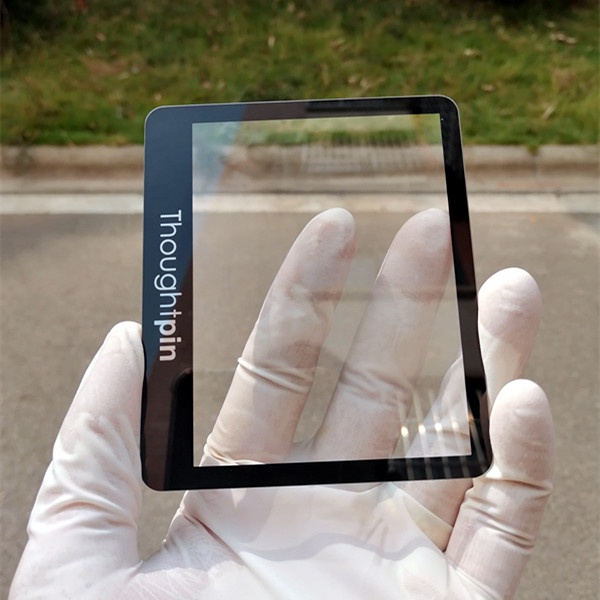
1.5mm 2mm Tempered Glass Thickness Touch Switch Glass Plate
Impact-resistant cover glass for appliance touch panels, control switches and HMI interfaces where thickness consistency and clean edges matter.
View product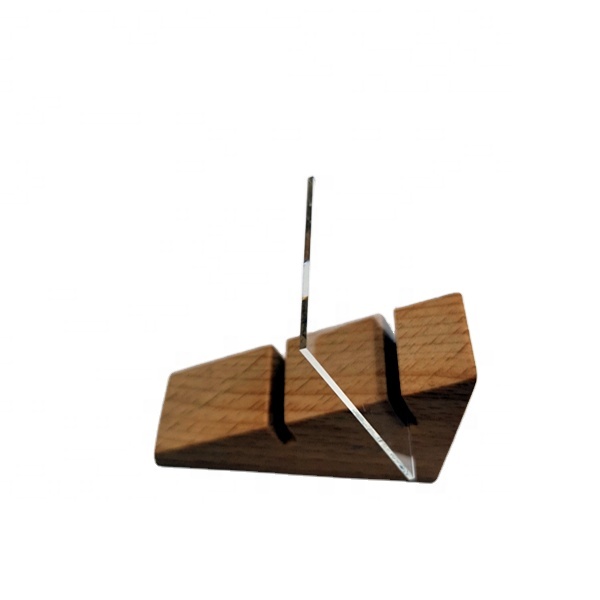
Custom 0.2mm 0.3mm 0.4mm 0.5mm 0.7 mm 1mm Thickness BOROFLOAT 33 Borosilicate Glass Sheet
Ultra-thin BOROFLOAT 33 for optical windows, sensor covers and heat-tolerant electronic components that require low thermal expansion.
View product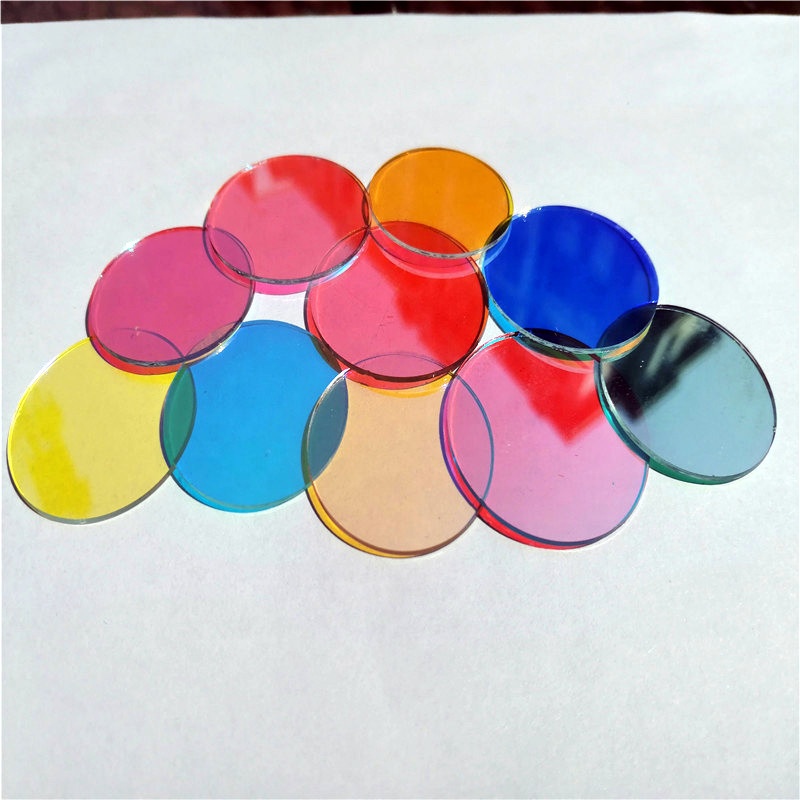
Customize logo Color Glass Gobo Glass
Custom-printed colored gobo glass for architectural, stage and entertainment lighting, produced to artwork and wavelength requirements.
View product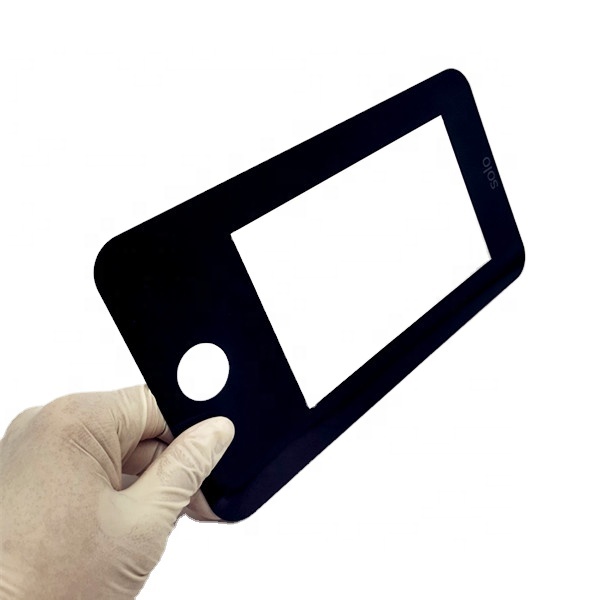
Manufacturer OEM Wholesale Custom Unbreakable Low-Iron Tempered Glass
High-clarity tempered glass for display covers, appliance panels and architectural electronics requiring OEM wholesale consistency.
View product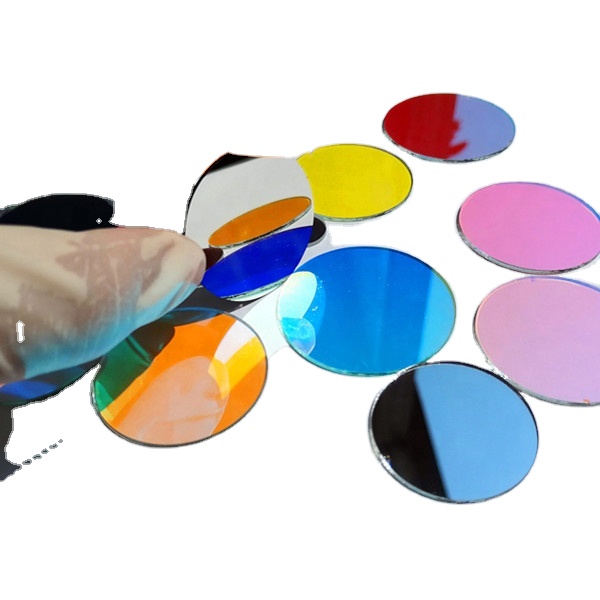
0.3mm ~ 2mm Dichroic Glass Mirror for Gobos
Dichroic mirror glass for gobo color splitting, stage effects and optical filters, available across thin-gauge lighting formats.
View product
0.5mm 0.7mm 1mm 2mm 3mm OEM Wholesale Tempered Printing Custom Gorilla Glass Screen
Chemically strengthened Gorilla-type glass for printed display windows, touch covers and scratch-resistant HMI fascia.
View product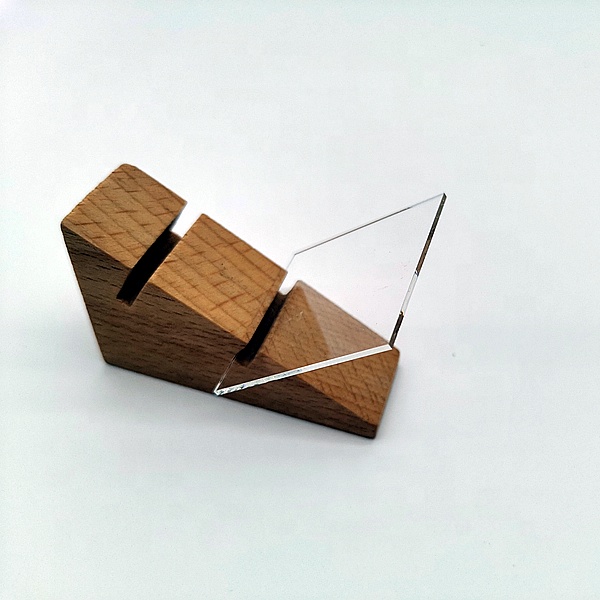
Custom 0.2mm 0.3mm 0.4mm 0.5mm 0.7mm 1mm Alkali Free Borosilicate AF32 Glass
Alkali-free borosilicate AF32 for thin-film electronics, biochips, sensors and high-insulation substrates.
View product
Factory Customization Dichroic Glass Gobo Glass
Factory-customized dichroic gobo glass combining color coating, cutting and printing for lighting OEM programs.
View product


A Wholesale Glass Partner Built on Material Traceability and Process Control
Fevry Glass Co., Ltd. is a specialty glass supplier based in Xinyu, Jiangxi, China. The company serves engineers and procurement teams that buy to a drawing rather than a generic catalog page. Its work begins with the application: a touch panel may need chemically strengthened 0.7 mm glass; a stage-lighting gobo may need heat-resistant borosilicate; a biological analyzer filter may need alkali-free Eagle XG. Matching substrate, thickness, edge finish, strengthening route, coating and print in one controlled process is the core of the offer.
Material traceability is central. Fevry sources raw glass from Corning, AGC and established Chinese optical-glass makers such as Chengdu Guangming and Xinhuguang. Product families include Corning Eagle XG, borosilicate 3.3, transparent ceramic glass, AF32 alkali-free glass, glass wafers, optical filters, dichroic mirrors and 0.15–0.2 mm ultra-thin glass. This breadth matters for OEM procurement: one supplier can compare thermal expansion, optical transmission, chemical resistance and flatness before recommending a material.
Processing equipment imported from the USA, Germany and Japan supports laser cutting, CNC carving, ultrasonic machining, grinding, polishing, coating, silk-screen printing and dimensional inspection. Thermal tempering is used for suitable thicker glass; ion-exchange chemical strengthening is used for thin cover glass where flatness and optical quality must be preserved. Cutting, drilling and edge grinding are completed before strengthening, because strengthened glass cannot be reworked without losing surface compression.
The commercial record is equally practical. Fevry has been an Alibaba.com member for more than ten years, maintains an average response time of four hours or less, answers 100% of inquiries, and carries a 5.0/5 buyer rating. Products are exported to Western Europe, the United States, Japan, South Korea, Taiwan, Hong Kong and Southeast Asia. The principles “Quality is superior, service is supreme, reputation is first” and “Your success, our glory” are backed by supplier assessment, credit profile, review, transaction level, trade capacity and trade history pages buyers can review before committing.
Four Advantages That Reduce Risk in Custom Glass Sourcing
Wholesale glass is not a commodity when it carries a coating, print, strengthening step or tight edge requirement. These advantages are designed for repeat OEM programs.
Traceable Material Choices
Fevry works from Corning, AGC, Chengdu Guangming and Xinhuguang material sources, so buyers can compare soda-lime, borosilicate 3.3, AF32, Eagle XG and transparent ceramic glass before committing to tooling.
One Process, Fewer Hand-offs
Laser cutting, CNC, ultrasonic machining, grinding, tempering, chemical strengthening, AR or dichroic coating, printing and inspection are coordinated under one supplier. That reduces tolerance drift between vendors and shortens the approval cycle.
Engineering Feedback Before Tooling
Send a DWG, DXF or PDF drawing with tolerances, edge finish, print colors and coating side. The team confirms manufacturability, proposes material and thickness, and replies in roughly four hours on typical working days.
Export-Ready Fragile Glass Logistics
Thin glass is packed with interleaves and cushioning for Western Europe, the USA, Japan, South Korea, Taiwan, Hong Kong and Southeast Asia. Packaging and documentation are planned for repeat wholesale orders, not one-off shipments.
OEM Procurement Trends Reshaping Tempered and Borosilicate Glass Wholesaling
Procurement teams are no longer buying glass only by thickness and price. They are buying a qualified material route, a documented process, a stable optical or thermal result and a supply plan that can survive a product ramp.
Drawing-Led RFQs Replace Catalog Buying
Buyers increasingly attach a 2D drawing, an application photo, a target annual volume and an inspection plan. They expect feedback on edge quality, hole stress, coating side and print tolerance before quotation. For a custom OEM tempered borosilicate glass wholesaler, this means selling engineering review as much as selling sheets. Suppliers that answer only with a price per square meter are being filtered out.
Risk-Adjusted Supplier Scorecards
Quality is still first, but procurement now scores response time, material traceability, change notification, packaging breakage rate and evidence of past transactions. Public supplier assessment, credit profile, reviews, transaction level, trade capacity and trade history reduce due diligence work. A verifiable record matters more than a short-term discount when a production line depends on one glass component.
Lower Launch MOQs, Controlled Scale-Up
Custom cover glass and AR glass commonly start from 300–500 pieces; custom-cut Eagle XG parts often start at 1,000 pieces; selected gobo blanks can start from 10 pieces. Buyers use samples to validate fit, color and optical performance, then scale. This staged approach lowers inventory risk for new displays, appliances and lighting fixtures without locking the project into an unqualified process.
Total Landed Cost and Supply Continuity
Thin glass can arrive intact and still fail at assembly because of edge chips, coating scratches or print misalignment. Procurement is therefore comparing total landed cost: packaging, breakage, inspection effort, remakes and line downtime. A wholesale partner with controlled edge finishing, clean packing and consistent material lots is usually cheaper over a product lifetime than the lowest quoted sheet price.
Technical Directions Buyers Should Plan Into the Next Drawing
Product roadmaps point to thinner glass, higher thermal stability, more functional coatings and tighter integration between glass, printing and coating. These developments affect the specifications buyers should prepare now.
Ultra-Thin Strengthened Cover Glass
Displays and sensors continue to move toward 0.15–1 mm glass. Chemical strengthening by ion exchange raises surface strength while preserving flatness and clarity better than thermal tempering at very thin gauges. Buyers should specify the base glass, strengthening method, flatness requirement and edge condition, because these choices determine whether a thin part can survive handling and drop testing.
Borosilicate and Alkali-Free Substrates
Heat-resistant windows, gobo blanks and lighting covers are moving to borosilicate 3.3 because its coefficient of thermal expansion is about 3.3 × 10⁻⁶/K, roughly one-third that of soda-lime glass. At the same time, alkali-free Eagle XG and AF32 substrates are being specified for biochips, PLC parts and thin-film electronics where mobile ions or dimensional instability are unacceptable.
Integrated Optical Coating and Printing
AR coatings, dichroic mirrors, back painting and silk-screen printing are increasingly quoted as one finished part rather than separate operations. Double-sided AR can raise transmission toward 98% in suitable designs, while printed borders hide adhesive or conductors. The key procurement question is not simply “can you coat?” but “can you keep coating, printing and edge quality aligned through production?”
Application-Specific Glass, Not Generic Panels
Gobo and dichroic glass, biochip substrates, LED cover glass and automotive dashboard trims each have different failure modes. Development teams are specifying materials by application: thermal shock resistance for stage lighting, alkali-free composition for bio-analysis, scratch resistance for touch surfaces and optical neutrality for displays. This increases the value of a supplier that can compare substrates and process routes.
Compare Tempered, Borosilicate, Alkali-Free and Strengthened Glass
Use this matrix to prepare a first material discussion, then confirm final values against the supplier datasheet and your drawing. Preliminary data prevents the most common mismatch: choosing a low-cost substrate for a thermal, optical or chemical duty it cannot support.
What to confirm before requesting a wholesale quotation
Information gain starts with a complete RFQ. Ask every supplier to confirm the same variables so quotes are comparable.
- Base glass grade and thickness range
- Thermal expansion, transmission and chemical resistance
- Strengthening method and whether post-processing is allowed
- AR or dichroic coating side, target wavelength and scratch requirement
- Edge finish, hole and notch tolerances, flatness and print color
- Sample plan, annual volume, packaging and inspection standard
| Material | Typical Thickness | CTE | Best Fit |
|---|---|---|---|
| Ultra-clear soda-lime | 0.5–4 mm | ≈9.0 × 10⁻⁶/K | Cover glass, AR panels, printed windows |
| Gorilla-type alkali-aluminosilicate | 0.4–2 mm | ≈7.5–8.5 × 10⁻⁶/K | Scratch-resistant touch and display covers |
| Borosilicate 3.3 | 0.3–3.3 mm | 3.3 × 10⁻⁶/K | Heat-resistant windows, gobo, lab glass |
| Corning Eagle XG | 0.5–1.1 mm | ≈3.2 × 10⁻⁶/K | Biochips, wafers, PLC and micro-optics |
| AF32 alkali-free | 0.2–1.1 mm | Low expansion | Thin-film electronics, sensors, bio-substrates |
| Chemically strengthened thin glass | 0.15–2 mm | Base-glass dependent | Ultra-thin protectors, sensor covers |
Values are typical industry figures for preliminary selection. Final specifications must be confirmed against the manufacturer datasheet, your drawing and the agreed inspection plan.
From Drawing to Export Packing: A Five-Step Procurement Path
A clear path keeps engineering, purchasing and quality teams aligned and reduces avoidable re-quotes.
Share the Drawing
Provide DWG, DXF or PDF, dimensions, tolerances, material, thickness, edge finish, holes, print colors and coating side.
Review Manufacturability
Engineers confirm glass grade, strengthening method, coating side and risks such as hole-to-edge distance.
Approve a Sample
Validate fit, color, transmission, edge quality and packing before mass production and tooling commitments.
Produce and Inspect
Run cutting, strengthening, coating, printing and dimensional or visual checks in a controlled sequence.
Pack and Ship
Use interleaved cushioned export packing for thin glass and repeat wholesale orders across global markets.
Frequently Asked Questions from Wholesale Glass Buyers
These are the questions engineers and sourcing managers ask most often when evaluating a custom OEM tempered borosilicate glass wholesaler.
Should I choose chemically strengthened or thermally tempered glass?
Thermal tempering is best for glass around 3 mm and thicker. For ultra-thin cover glass from 0.15 mm to about 2 mm, chemical strengthening by ion exchange increases surface strength while keeping the sheet flat and optically clean. In both cases, all cutting, drilling and edge grinding must be completed before strengthening, because strengthened glass cannot be re-cut without losing the surface compression that provides strength.
When is borosilicate 3.3 better than soda-lime glass?
Borosilicate 3.3 expands only about 3.3 × 10⁻⁶/K, roughly one third of soda-lime glass, so it tolerates rapid temperature changes far better. Choose it for lighting covers, heat-resistant windows, gobo blanks and laboratory or instrument glass where thermal shock or chemical exposure is expected. If the part is a large, low-temperature display cover, soda-lime or strengthened aluminosilicate may offer a better cost balance.
Why is Corning Eagle XG used for biochips, wafers and PLC substrates?
Eagle XG is an alkali-free boro-aluminosilicate glass with low thermal expansion and a fusion-formed surface. That combination delivers excellent flatness and dimensional stability, which suits micro-patterning, bonding and precise optical alignment. For procurement, the key is to confirm thickness, flatness, cut tolerance and cleaning requirements before quoting.
What is the minimum order quantity for custom glass?
Most custom cover glass and AR glass items start from 300–500 pieces, custom-cut Eagle XG parts often start from 1,000 pieces, and selected dichroic gobo glass blanks from 10 pieces. Samples can be arranged to validate fit and optical performance before mass production. Final MOQ depends on size, glass grade, coating, printing and yield factors.
What information is needed to evaluate a custom glass project?
Send a 2D drawing with outline dimensions and tolerances, thickness, glass material, edge finish, hole and notch positions, strengthening method, print colors, Pantone references, AR coating side or sides, the end application and expected annual quantity. Complete information lets engineers return a firm material and process recommendation in one round instead of multiple clarifications.
Which markets does Fevry Glass export to?
Besides domestic customers in China, Fevry regularly ships to Western Europe, the United States, Japan, South Korea, Taiwan, Hong Kong and Southeast Asia. Export packing is designed for fragile thin glass, and documentation can be prepared for repeat wholesale programs, distributor orders and OEM production schedules.
Have a Drawing? Engineer Your Glass Supply Before You Commit.
Send your drawing, target annual volume, material preference, thickness, edge requirement, print colors and coating side. Fevry Glass will confirm manufacturability, recommend the substrate and outline sampling, inspection and export packing.