8 Precision Glass Product Families for OEM & Wholesale Buyers
Start with the application, not the SKU. A fused quartz RFQ is often compared against borosilicate, AR-coated, chemically strengthened or printed cover glass because thermal shock, optical transmission, scratch resistance and unit cost pull in different directions.
The eight product families below are live examples of Fevry Glass custom processing capability. Use them as a shortlist for display covers, touch panels, lighting optics, heat-resistant windows and instrument glass. Product URLs are retained from the original catalogue so engineers and sourcing teams can review specifications, images and inquiry paths without losing context.
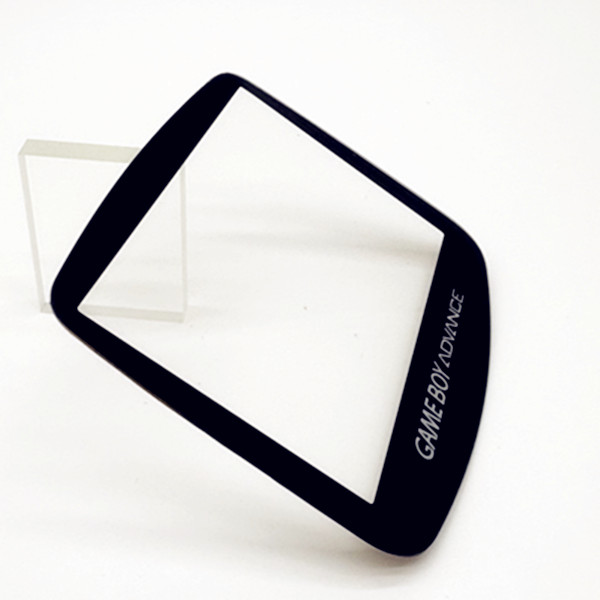 OEM
Custom Premium Gorilla Tempered Silk Screen Printed Glass Touch Screen Printed Glass Panels Cover Glass for OLED Screen
Printed borders, icon windows and scratch-resistant surfaces for OLED display integration.
View product details → Wholesale
Back Painted Tempered Glass Led Glass Panel Cover Glass
Back-painted tempered panels for LED fixtures, control interfaces and decorative lighting.
View product details →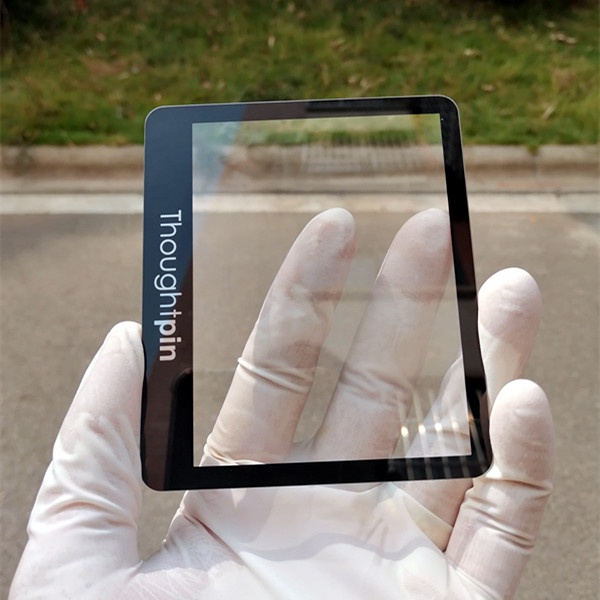 1.5 / 2 mm
1.5mm 2mm Tempered Glass Thickness Touch Switch Glass Plate
Glass switch plates for smart home, appliance and industrial control panels.
View product details →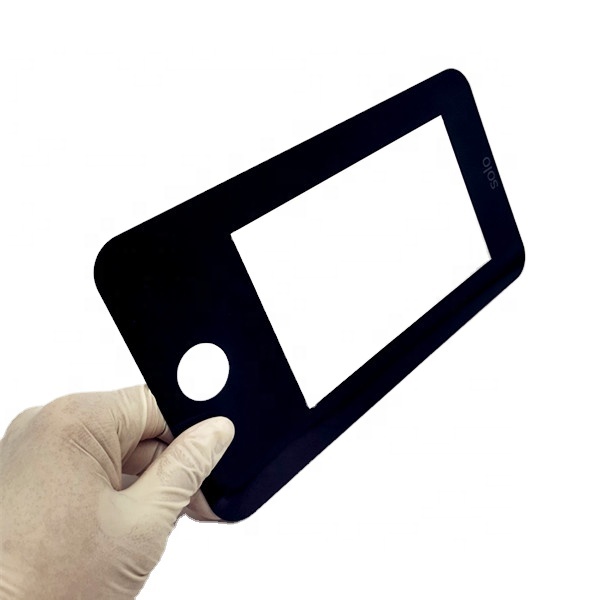 Low iron
Manufacturer Oem Wholesale Custom Unbreakable Tempered Glass, High Quality Tempered Glass, Low Iron Tempered Glass
Low-iron tempered glass with high clarity for appliance, display and building-interface covers.
View product details → 0.5–3 mm
0.5mm 0.7mm 1mm 2mm 3mm Thickness China Suppliers Good Price Oem Wholesale Premium Tempered Printing Custom Gorilla Glass Screen
Thin, chemically strengthened display covers for consumer and industrial HMI.
View product details →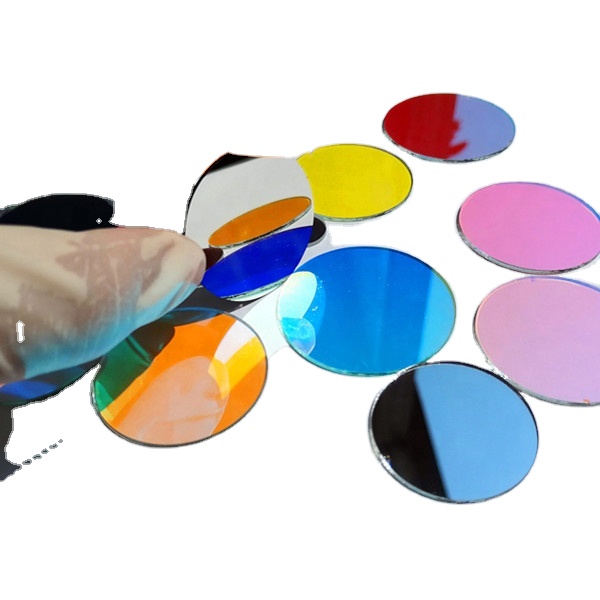 Lighting
0.3mm ~ 2mm Dichroic Glass Mirror for Gobos
Coated dichroic glass for stage lighting, gobo patterns and colour separation.
View product details →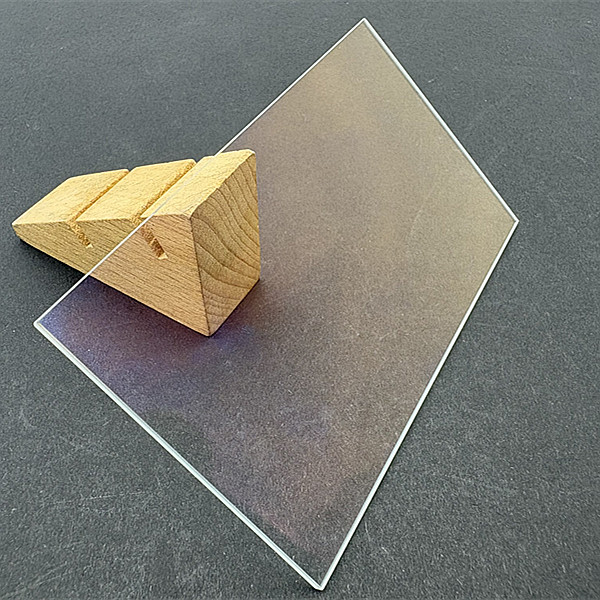 AR Coated
Customized Tempered Anti-Reflective Glass AR Coated Tempered Glass
Low-reflection cover glass for displays, instruments and optical windows.
View product details →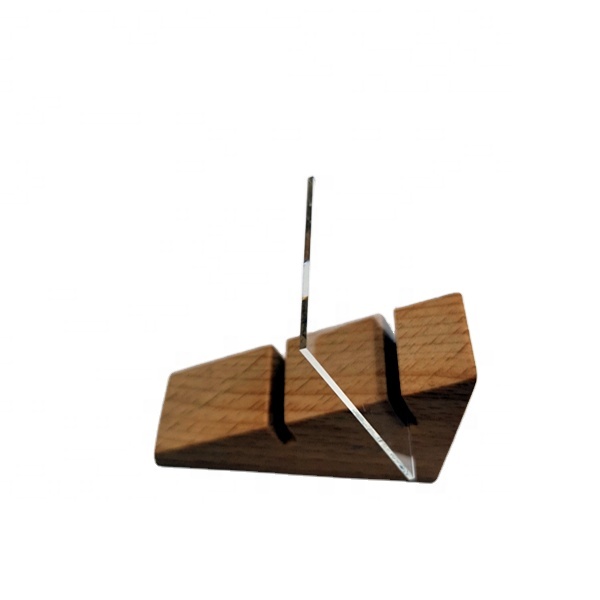 Borosilicate
Custom 0.2mm 0.3mm 0.4mm 0.5mm 0.7mm 1mm Thickness BOROFLOAT 33 Borosilicate Glass Sheet
Low-expansion borosilicate sheet for heat-resistant windows and instrument covers.
View product details →Why Custom OEM Fused Quartz Glass Is a Specification-Driven Purchase
“Quartz glass” is not one material grade. For optical, semiconductor, analytical, lighting and high-temperature projects, the real specification includes purity, OH content, bubble and inclusion class, flatness, edge finish, coating stack, cleaning and lot traceability.
Fused quartz is an amorphous silica material produced by melting high-purity quartz; fused silica can also be manufactured through synthetic routes. Buyers often use the terms interchangeably, but a capable manufacturer or wholesaler should clarify the grade, supplier origin and verification data before quoting. For high-purity fused quartz, a typical selection target may be SiO₂ above 99.9%, but the certificate of analysis matters more than a generic headline number. For optical windows, UV transmission, OH content and bubble class can change both performance and price. For semiconductor or biochip substrates, flatness, dimensional stability and surface quality are usually more important than raw transmission.
Fused quartz is selected when low thermal expansion, broad optical transmission, chemical inertness and high-temperature stability matter. Borosilicate 3.3 is often the more economical heat-resistant solution; soda-lime glass is common for lower-cost display covers. The chart below is an early-stage screening illustration, not a final material certificate.
Information gain for sourcing teams: the lowest piece price is rarely the lowest total cost. A supplier that can document material lot, coating run, edge quality and dimensional inspection reduces incoming inspection, line stoppage and rework risk. For wholesale programs, those controls matter more than a catalogue PDF.
Material fit comparison
Illustrative relative ranking for early specification discussion.
Typical CTE references: fused quartz around 0.5–0.55 × 10⁻⁶/K; borosilicate 3.3 around 3.3 × 10⁻⁶/K; soda-lime around 9 × 10⁻⁶/K. Confirm final values with the material datasheet.
Match the Substrate to the Failure Mode, Not Just the Drawing
Experienced buyers ask what the part must survive: heat cycles, UV exposure, touch wear, chemical cleaning, outdoor glare, laser energy or repeated assembly. That answer determines whether fused quartz, borosilicate, tempered soda-lime or chemically strengthened glass is the better commercial choice.
High-purity fused quartz windows
Recommended for UV optics, high-temperature viewports and analytical instruments where low expansion and broad transmission are essential. Specify grade, OH content, transmission curve and surface quality.
Borosilicate 3.3 heat covers
A practical alternative for lighting covers, appliance windows and heat-resistant panels when thermal shock resistance is required but fused quartz is not mandatory.
AR-coated display glass
For instrument clusters, medical displays and HMI panels where reflections reduce readability. Confirm coating side, reflectance target and environmental durability.
Printed tempered cover glass
A cost-effective choice for consumer appliances and smart-home panels. Printed borders, logos and IR windows should be reviewed against ink adhesion and touch sensitivity.
Gobo and dichroic lighting glass
For stage, film and architectural lighting. Heat resistance, coating side and colour consistency should be agreed with sample approval before mass production.
Eagle XG and borosilicate wafers
For biochips, PLC substrates and precision optical alignment. Flatness, alkali-free composition and dimensional stability usually drive the selection.
How OEM Buyers Will Source Fused Quartz & Technical Glass Next
Procurement is moving away from “price per piece only” toward verified capability, supply resilience and total cost of ownership. For custom glass programs, the RFQ itself is becoming a risk-control document.
1. Drawing-led RFQs
Buyers increasingly send DWG, DXF or PDF drawings with tolerances, edge finish, coating side, print colour and annual volume. This shortens engineering review and reduces quotation rounds.
2. Dual sourcing and buffer inventory
Global OEMs are qualifying alternate materials and maintaining strategic stock for long lead-time optical or semiconductor glass. Suppliers must be able to support repeatability across lots.
3. Total cost of ownership
Incoming inspection, breakage, rework and line downtime can outweigh a lower unit price. Procurement teams are scoring suppliers on yield, documentation and packaging protection.
4. Material traceability
Lot certificates, coating run records, dimensional reports and photos are becoming standard attachments for engineering approvals — especially for fused quartz, Eagle XG and optical coatings.
5. Low-volume validation to mass supply
Projects often begin with 10 to 100 samples, then scale to 300–1,000+ pieces. Suppliers that separate sample learning from production control reduce ramp-up risk.
6. ESG and clean manufacturing
Energy use, cleaning chemistry and packaging waste are entering supplier scorecards. Precision glass suppliers are expected to reduce breakage and improve packing efficiency, not only cut price.
Where Fused Quartz and Custom Glass Technology Is Moving
Demand is growing in applications where glass is not a passive cover but an active optical, thermal or chemical interface. That shifts value from commodity sheets to engineered parts with documented performance.
Thinner, larger and flatter parts
Display, sensor and semiconductor customers are pushing for thinner glass with tighter flatness and edge quality. Handling and inspection become part of the manufacturing process, not an afterthought.
Integrated optical coatings
AR, dichroic and filter coatings are increasingly specified with the substrate. Single-source coating and glass processing helps control adhesion, orientation and final optical performance.
Semiconductor and photonics demand
Low-expansion, alkali-free and high-flatness substrates continue to support packaging, PLC, biochip and optical communication development.
UV, laser and analytical optics
High-purity fused quartz remains important for UV transmission, laser windows, analytical cuvettes and high-temperature viewports where contamination or solarisation risk must be managed.
Medical and life-science glass
Diagnostics, microscopy and lab-on-chip devices require consistent surfaces, low fluorescence and reliable bonding. Material certificates and change control become part of the purchase specification.
Automation and metrology
Laser cutting, CNC grinding, automatic optical inspection and structured packing are reducing variation. Buyers benefit through faster sample loops and fewer defects at incoming inspection.



Why Fevry Glass Is a Practical OEM Partner for Fused Quartz & Specialty Glass
Fevry Glass Co., Ltd. is a specialty glass company based in Xinyu, Jiangxi, China. Our team works with optical, biological, semiconductor, communications, lighting and electronics customers, helping engineers select a substrate and convert it into a finished, export-ready part. For fused quartz and fused silica inquiries, the same discipline applies: define the material grade, confirm the fabrication route, validate the sample and control the production lot.
We source raw glass from Corning, AGC and other multinational producers and work closely with established Chinese optical-glass makers such as Chengdu Guangming and Xinhuguang. Processing is supported by laser, ultrasonic, CNC carving, grinding and inspection equipment imported from the USA, Germany and Japan. This combination gives buyers access to traceable raw material, custom finishing and export packing in one supply chain.
- Eagle XG, borosilicate and transparent ceramic glass
- Semiconductor wafers and biochip glass
- PLC substrates and optical V-groove glass
- Film, TV and stage lighting colour lenses
- LED filament and optical coating glass
- 0.15 mm and 0.2 mm ultra-thin protector glass
Our guiding principle is “Quality is superior, service is supreme, reputation is first”, and our motto is “Your success, our glory.” Public company records show 10+ years as an Alibaba.com member, an average response time of ≤4 hours, a 100% inquiry response rate, a 5.0/5 buyer rating and exports to Western Europe, the United States, Japan, South Korea, Taiwan, Hong Kong and Southeast Asia.
Material sourcing depth
Access to multinational and Chinese optical glass sources for grade comparison and cost balance.
In-house fabrication
Laser, CNC, ultrasonic machining, grinding, strengthening, coating and printing under one program.
Inspection before packing
Dimensional, thickness, flatness and visual checks support incoming inspection planning.
Fast inquiry response
Average ≤4-hour response and complete RFQ intake help engineering reviews move forward.
Export packing experience
Fragile thin-glass packing and documentation for Europe, the USA and Asia-Pacific markets.
Verifiable records
Supplier assessment, ratings, transaction level, trade capacity and trade history are publicly checkable.
A Clear 6-Step Path for Fused Quartz and Custom Glass Orders
Predictable communication matters as much as processing capability. The workflow below is designed for sourcing teams that need a defensible sample approval, production control and export-ready shipment.
Share the drawing
Send 2D dimensions, tolerances, material grade, thickness, edge finish, coating side, print colours and annual volume.
Engineering review
We confirm manufacturability and recommend fused quartz, borosilicate, AR glass or another substrate where appropriate.
Quote and DFM feedback
MOQ, tooling, sample timing and inspection points are defined before sampling to avoid late scope changes.
Sample approval
Physical samples validate fit, colour, coating appearance and edge quality against the application.
Production and inspection
In-line dimensional and visual checks support lot consistency; special documentation can be agreed at RFQ.
Export packing and documents
Interleaved, cushioned packing and shipping documents are prepared for international delivery.
Custom OEM Fused Quartz Glass: Common Purchasing Questions
These are the questions engineers and sourcing managers most often ask when comparing fused quartz, fused silica and companion technical glass options.
What is the difference between fused quartz, fused silica and borosilicate glass?
Fused quartz is generally made by melting high-purity natural quartz, while fused silica may be produced through synthetic routes. Both are amorphous silica with low thermal expansion and broad optical transmission, but grade, OH content, bubble class and transmission range vary by supplier. Borosilicate 3.3 is a different glass family with about 3.3 × 10⁻⁶/K thermal expansion; it is often more economical for heat-resistant covers but does not automatically replace fused quartz for UV or high-purity applications.
Can Fevry Glass process fused quartz to a custom drawing?
Custom fused quartz and fused silica parts can be evaluated for cutting, CNC shaping, drilling, edge grinding, polishing, annealing, coating and inspection. Because fused quartz behaves differently from soda-lime or borosilicate glass, the drawing should state material grade, thickness, dimensional tolerances, surface quality, edge finish and whether coating or marking is required. Our engineers will confirm the practical process route before quotation.
Should I specify thermal tempering or chemical strengthening?
Thermal tempering is mainly used for suitable soda-lime glass around 3 mm and thicker. For ultra-thin cover glass from about 0.15 mm to 2 mm, chemical strengthening by ion exchange can increase surface strength while keeping the sheet flat and optically clean. Fused quartz programs usually focus on annealing, fire polishing, edge quality and coating rather than conventional thermal tempering. All cutting, drilling and edge grinding should be completed before strengthening.
What is the minimum order quantity for custom glass?
Most custom cover glass and AR glass items start from about 300 to 500 pieces, some custom-cut Eagle XG parts from 1,000 pieces, and selected gobo glass blanks from as few as 10 pieces. Fused quartz or fused silica quantities depend on material grade, sheet availability, process complexity and yield. Samples can be arranged to validate fit and optical performance before mass production.
What quality documents can be provided?
Documentation can be discussed during RFQ and may include material lot information, dimensional inspection records, visual inspection criteria, coating or print sample approval records and packing specifications. For regulated or OEM-critical programs, define the required certificate type, sampling plan and change-control expectations in the purchase order so the supplier and buyer work from the same acceptance criteria.
Which markets does Fevry Glass export to?
Besides customers in China, Fevry Glass regularly serves Western Europe, the United States, Japan, South Korea, Taiwan, Hong Kong and Southeast Asia. Export packing is designed for fragile thin glass, and shipment documentation can be prepared for the destination and shipping method agreed at order confirmation.
Have a Fused Quartz Drawing? Let’s Engineer the Right Glass.
Send your material grade, drawing, tolerances, coating requirement and annual quantity. Our team can compare fused quartz against borosilicate, AR-coated, tempered or printed alternatives and respond with a practical production route.