Eight Custom Glass Products for Borosilicate, Display and Optical Programs
Start with the application, then select substrate, thickness, strengthening, coating and print. These products reflect the most common OEM requests for custom glass plates, cover glass and technical glass components.
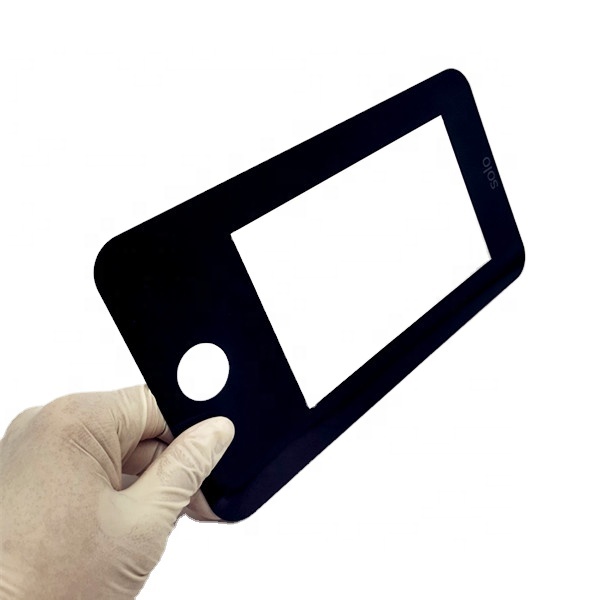
Manufacturer OEM Wholesale Custom Unbreakable Tempered Glass, High Quality Tempered Glass, Low Iron Tempered Glass
Low-iron tempered glass for display windows, control panels and protective cover plates that require high clarity and reliable edge strength.
View product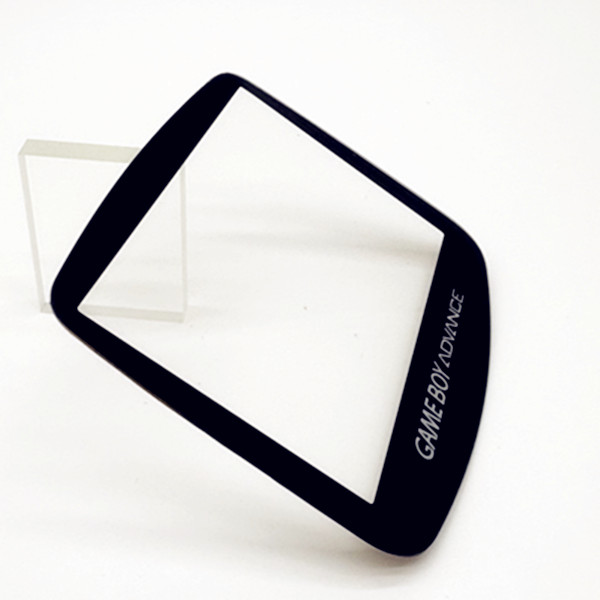
Custom Premium Gorilla Tempered Silk Screen Printed Glass Touch Screen Printed Glass Panels Cover Glass for OLED Screen
Scratch-resistant printed cover glass for OLED displays, touch interfaces and premium electronic housings with Pantone-matched graphics.
View product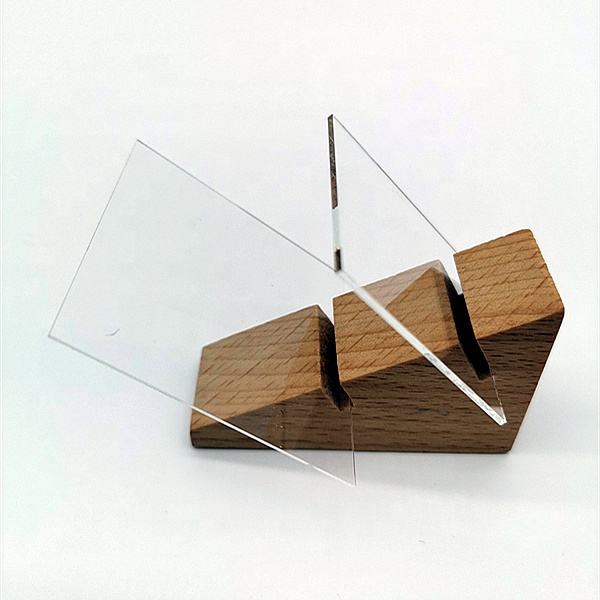
Custom Cut 0.5mm 0.7mm 1mm 1.5mm 2mm 2.5mm 3mm Corning Gorilla Temper Glass
Precision-cut Gorilla glass sheets in multiple thicknesses for scratch-resistant displays, sensor covers and portable electronic devices.
View product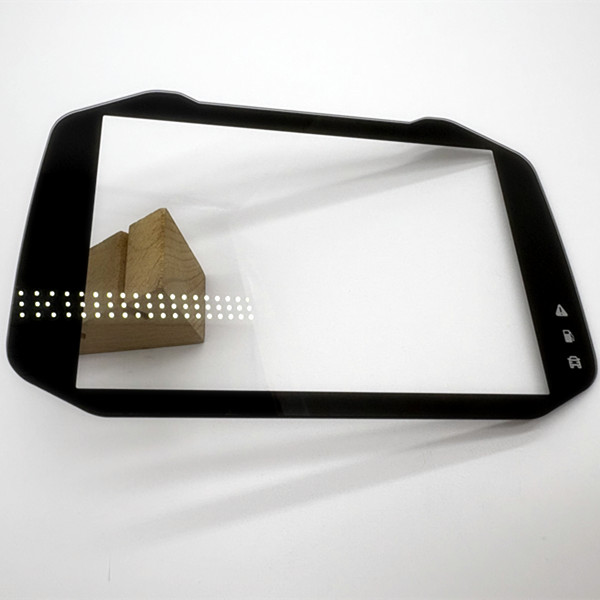
Custom Shape High Transmittance Ultra Clear Tempered Glass Panel With Anti-reflective Coating on Two Sides
Ultra-clear AR glass for high-transmission windows, optical instruments and display environments with challenging glare requirements.
View product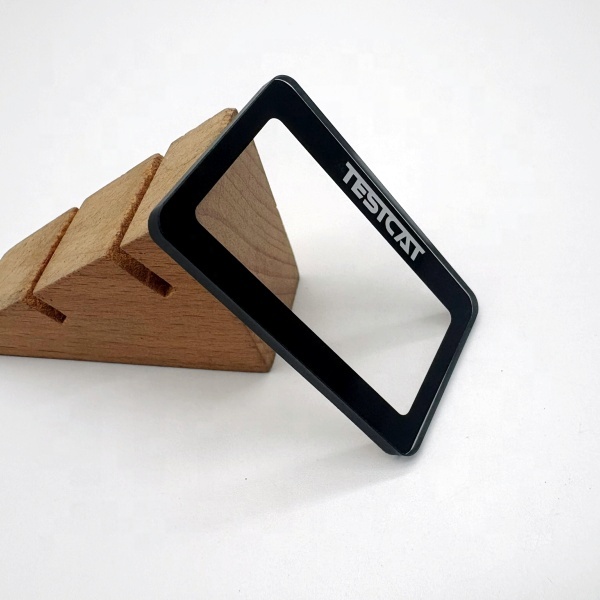
Custom Gorilla Glass Panel Tempered Glass Display Window Silk Screen Printing for LCD Display
Printed Gorilla glass display windows with clean icon areas and durable ink borders for industrial, medical and consumer LCD modules.
View product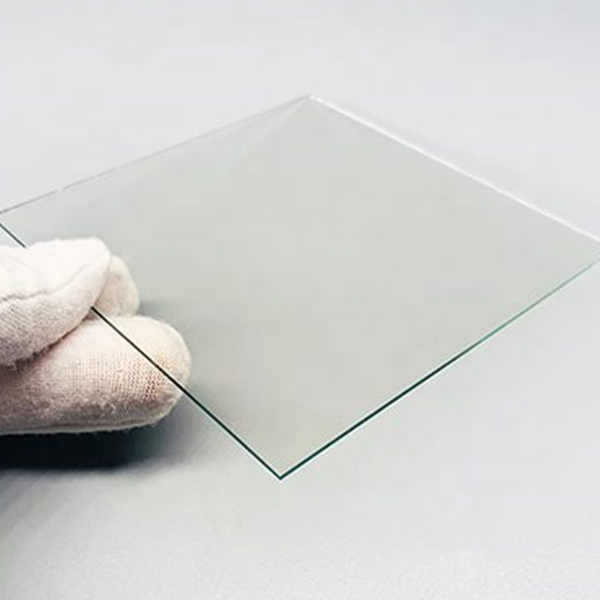
Ito Conducting Glass, Ito Coated Glass, Ito Glass
ITO-coated glass for transparent electrodes, sensors, electro-optical devices and custom conductive glass plate projects.
View product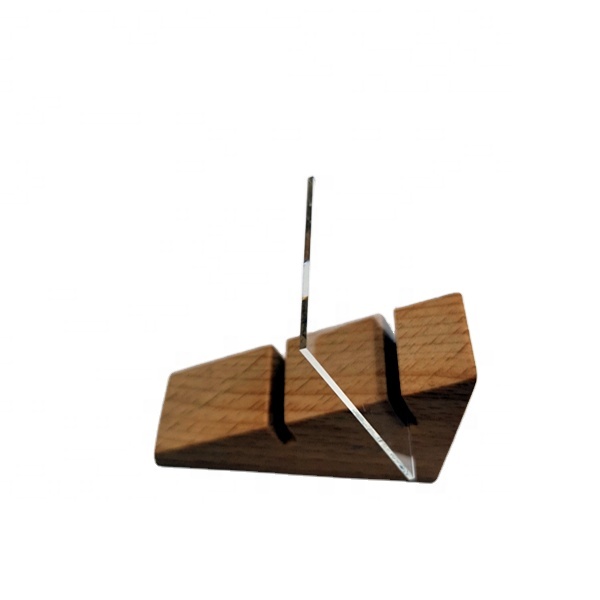
Custom 0.2mm 0.3mm 0.4mm 0.5mm 0.7 mm 1mm Thickness BOROFLOAT 33 Borosilicate Glass Sheet
Thin borosilicate 3.3 glass sheets for heat-resistant windows, protective covers, optical filters and high-temperature lighting components.
View product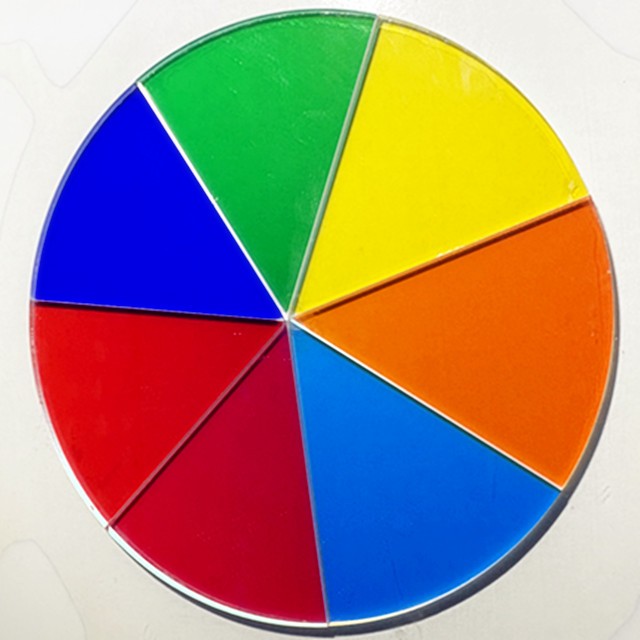
Factory Customization Dichroic Glass Gobo Glass
Custom dichroic and gobo glass for stage lighting, color effects and optical filtering where heat resistance and coating precision matter.
View productWhy Borosilicate Glass Plate Is a Strategic OEM Material, Not a Commodity
Buyers searching for custom OEM borosilicate glass plate manufacturers and suppliers are usually not looking for a generic sheet. They need a material decision that protects optical performance, thermal reliability, product safety and total program cost.
Thermal Shock Integrity
Borosilicate 3.3 has a coefficient of thermal expansion of about 3.3 × 10⁻⁶/K, roughly one-third that of soda-lime glass. That lower expansion helps the glass tolerate rapid temperature change in lighting, heating appliances, projectors and industrial inspection windows.
Optical Clarity & Coating Compatibility
For display windows, sensors and optical filters, the substrate must be flat, clean and compatible with AR, ITO or dichroic coatings. Surface quality influences transmission, haze, coating adhesion and the final visual appearance of the product.
Chemical Durability in Real Use
Borosilicate glass is valued for resistance to water, acids and many process chemicals. This is why it appears in laboratory glass, analytical instruments and medical device windows, where cleaning agents and repeated sterilization can challenge ordinary glass.
Borosilicate Glass Plate Specifications OEM Buyers Should Lock First
The fastest way to reduce quoting risk is to define application, substrate, thickness, tolerances, edge finish, strengthening, coating and print requirements before requesting samples.
| Material route | Typical thickness | Key property | Best-fit OEM use |
|---|---|---|---|
| Borosilicate 3.3 | 0.2–3.3 mm | Low CTE, high thermal shock resistance | Lighting covers, gobo blanks, heat-resistant windows, instrument glass |
| Soda-lime / low-iron glass | 0.5–4 mm | Good clarity and cost efficiency | Display cover glass, printed windows, AR panels |
| Gorilla-type aluminosilicate | 0.4–2 mm | High scratch resistance after strengthening | Touch panels, OLED covers, portable electronics |
| Corning Eagle XG | 0.5–1.1 mm | Alkali-free, flat fusion-formed surface | Biochips, wafers, PLC substrates, micro-optics |
| Chemically strengthened thin glass | 0.15–2 mm | High surface strength with optical clarity | Ultra-thin protectors, sensor covers, precision windows |
Typical values are for preliminary selection. Final acceptance criteria should be confirmed against the glass manufacturer datasheet, your drawing and your application validation plan. BOROFLOAT, Gorilla and Eagle XG are trademarks of their respective owners and are referenced for material identification only.
Material comparison snapshot
Information gain for buyers: specify the environment first. A glass that is ideal for a heat-resistant lighting cover is not automatically the best choice for a touch display cover, and vice versa.
Recommended Custom Borosilicate Glass Plate Configurations by Application
Use these starting configurations to align engineering, procurement and quality teams before requesting a drawing-based quotation.
0.5–1.1 mm cover glass with AR or printed borders
Choose low-iron or Gorilla-type glass, chemical strengthening, edge grinding and optional double-sided AR coating. Specify print color, window tolerance, anti-glare requirements and touch-panel bonding compatibility.
0.2–3.3 mm borosilicate 3.3 heat-resistant plates
Use borosilicate glass for stage lighting, projector windows, high-power LED covers and gobo blanks. Confirm thermal load, coating type, pattern resolution and whether the glass will be exposed to cleaning chemicals.
Corning Eagle XG or borosilicate substrates for precision work
Specify flatness, thickness tolerance, surface quality, cleaning and packaging for biochips, analyzer filters, PLC substrates and micro-optical assemblies. Document cleanliness level and handling requirements.
1.1–3.3 mm borosilicate or tempered glass windows
For inspection windows and control panels, prioritize thermal stability, edge quality, coating durability and mounting tolerances. Include 2D drawings with hole positions, chamfer details and any sealing requirements.

Traceable Materials, In-House Processing and Export Discipline
Fevry Glass Co., Ltd. is based in Xinyu, Jiangxi, China. The company supplies specialty glass materials to optical, biological, semiconductor, communications, lighting and electronics customers, with a working model built around material selection, precision processing and drawing-based production.
For a custom OEM borosilicate glass plate program, the supplier question is not simply “Who can cut glass?” It is “Who can keep material traceability, process control and export packing consistent from prototype to repeat order?” Fevry Glass supports that requirement by working with raw glass sourced from Corning, AGC and established Chinese optical-glass makers such as Chengdu Guangming and Xinhuguang, then processing material on equipment imported from the USA, Germany and Japan.
- Laser, CNC, ultrasonic and grinding processes
- Borosilicate, Eagle XG and Gorilla-type substrates
- AR, ITO, dichroic coating and silk-screen printing
- Thermal tempering and chemical strengthening
- Dimensional, optical and visual inspection
- Export packing for fragile thin glass
What a Qualified OEM Borosilicate Glass Plate Supplier Should Prove
Procurement teams increasingly evaluate suppliers on documents, process control and communication speed, not price alone. These are the practical advantages that matter during supplier qualification.
Drawing-Led Engineering Review
Send DWG, DXF or PDF drawings with thickness, tolerances, edge finish, holes, print colors and coating sides. Our team checks manufacturability before quoting to reduce redesign loops.
Verified Supplier Records
Fevry Glass maintains an Alibaba.com supplier presence with assessment, credit profile, transaction level, trade capacity and buyer ratings available for review before a purchase decision.
Fast Response & Clear Communication
Average response time is within 4 hours and the inquiry response rate is 100%. Fast technical clarification is especially important when custom glass programs involve multiple revisions.
Inspection Before Packing
Dimensional checks, visual defect checks, thickness verification and optical appearance review are performed before export packing, with findings traceable to the production lot.
Material Sourcing Network
Access to Corning, AGC, Chengdu Guangming, Xinhuguang and other established glass sources helps match the correct substrate to thermal, optical and chemical requirements.
Global Export Experience
Customers are served in China and exported to Western Europe, the United States, Japan, South Korea, Taiwan, Hong Kong and Southeast Asia, with packaging developed for fragile thin glass.
Borosilicate Glass Plate Procurement Trends for 2025–2030
Semantic search and supplier discovery are changing how OEM buyers shortlist manufacturers. The winning suppliers will be those that make technical evidence easy to verify.
Total Landed Cost Replaces Unit Price
Buyers are comparing yield loss, breakage, sampling time, inspection burden and tariff exposure rather than only the per-piece quotation. A stable borosilicate glass plate supplier reduces hidden cost in the total program.
Drawings, Data and Qualification Files
Procurement teams now ask for dimensional reports, material certificates, coating specifications and packing standards during supplier selection. Clear documentation shortens audits and reduces repeated sampling.
Dual-Source and Risk Buffer Planning
OEMs are qualifying secondary suppliers and keeping buffer stock for critical glass components. Flexible MOQ, repeatable inspection and export packing quality are becoming as important as initial sample performance.
Where Custom Borosilicate Glass Plates Are Heading Next
Glass is increasingly designed as an active part of the product stack — optical, electrical, thermal and mechanical functions are being integrated into one tailored component.
Thinner and Larger Formats
OEM products continue to demand thinner glass with larger visible areas. This drives chemical strengthening, edge quality control and careful packaging to protect low thickness parts through shipping and assembly.
Integrated Functional Coatings
AR, ITO, dichroic and hard-coat layers are being specified together with the glass drawing. Suppliers must control coating side, thickness, adhesion, optical transmission and environmental durability.
Hybrid Strengthening & Edge Engineering
Thermal tempering and ion-exchange are selected by thickness and use case. Edge grinding, chamfering and polishing are being treated as strength features, not cosmetic details, because edge defects can concentrate stress.
Inspection, Cleanroom and Sustainability
Automated visual inspection, cleaner packing and lower-defect surfaces are becoming differentiators. Buyers also ask about material yield, recycled content and more efficient coating and tempering processes.
Industries Served by Custom OEM Borosilicate Glass Plate Manufacturers
From heat-resistant lighting components to biochip substrates and display cover glass, the correct specification depends on the operating environment.
Displays & Electronics
LCD protection glass, smart-home panels, automotive trim glass and printed display windows.
Stage & LED Lighting
Gobo blanks, dichroic color lenses, LED filament glass and heat-resistant lighting covers.
Biotech & Life Science
Biochip substrates, analyzer filters and microscopy-grade glass with stable optical properties.
Semiconductor
Glass wafers, carrier substrates, packaging glass and precision spacer components.
Optical Communication
PLC substrate glass, V-groove glass and optical alignment components for communication modules.
Measuring Instruments
Flat, stable worktable glass and viewing windows for metrology, inspection and analytical devices.
From Drawing to Delivery: A Clear 4-Step Process for Custom Glass Plates
A structured process protects both the buyer and the project timeline. Each step produces information that feeds the next.
Share the Drawing & Use Case
Provide 2D drawings, thickness, material, tolerances, edge finish, print colors, coating side, application, annual volume and target delivery schedule.
Engineering Review
We confirm manufacturability, recommend borosilicate 3.3, soda-lime, Gorilla-type or Eagle XG, and identify risks in dimensions, coating or packing.
Sample Validation
Samples allow your team to validate fit, optical appearance, print accuracy and strength before mass production. Revision points are recorded for the production file.
Production, Inspection & Export Packing
Production runs with in-line dimensional and visual checks, then export packing designed to protect glass through international shipping and incoming inspection.
FAQ: Custom OEM Borosilicate Glass Plate Manufacturers & Suppliers
Answers to the technical and commercial questions that repeatedly appear during supplier discovery and quote review.
What is the difference between borosilicate glass plate and tempered glass?
Borosilicate refers to the glass composition, usually borosilicate 3.3 with low thermal expansion. Tempered glass refers to a strengthening process. A borosilicate plate can be thermally tempered or chemically strengthened, but the correct route depends on thickness and application. For heat-resistant windows and lighting covers, borosilicate 3.3 is often selected first; for thin display covers, chemically strengthened glass may be more suitable.
Can you supply custom sizes, holes, notches and edge finishes?
Yes. Custom outlines, holes, notches, slots, chamfers and polished edges can be produced from a 2D drawing. Critical details include hole-to-edge distance, minimum radius, edge quality required for sealing or strength, and whether the part will be strengthened after machining. All cutting and edge work should be completed before strengthening.
What information is needed for a fast quotation?
Send a DWG, DXF or PDF drawing with outline dimensions and tolerances; glass material and thickness; edge finish; hole and notch positions; strengthening method; print colors and Pantone references; AR coating side or ITO resistance requirements; end application; annual volume; and delivery destination. Complete data reduces quotation cycles and prevents unnecessary sample revisions.
What is the minimum order quantity for custom borosilicate glass plates?
MOQ depends on material and process. Many custom cover glass and AR glass items start from 300–500 pieces, some Eagle XG cut parts from 1,000 pieces, and selected gobo glass blanks from as few as 10 pieces. Samples can be arranged to validate fit, appearance and optical performance before mass production.
How do you control optical and dimensional quality?
Inspection can include dimensions, thickness, flatness, edge condition, print position, coating appearance and visual defects. Acceptance criteria should be agreed before production. For optical applications, specify transmission, haze, reflectance or surface-quality requirements so the inspection plan matches the actual product function.
Which markets does Fevry Glass export to?
Fevry Glass serves customers in China and exports to Western Europe, the United States, Japan, South Korea, Taiwan, Hong Kong and Southeast Asia. Packaging is designed for fragile thin glass, and documentation can be prepared to support incoming inspection and supplier qualification.
Request a Borosilicate Glass Plate Catalog and Drawing-Based Quote
Share your drawing, glass material, thickness, coating, print and annual volume. Our engineering and export team will review manufacturability and respond with a practical recommendation. Email: info@fevryglass.com