China Wholesale Tempered Glass Exporter & Wholesaler
A 2025 white paper for OEM buyers sourcing precision tempered, AR-coated, silk-printed, borosilicate 3.3 and Corning Eagle XG glass from China — 0.15–4 mm, cut to drawing, export-ready.
8 Wholesale Tempered Glass Products Built Around Buyer Drawings
Each item below can be quoted against your 2D drawing, annual volume, coating side, print colors, edge finish and destination packaging requirements. Product links are preserved from the original catalog.
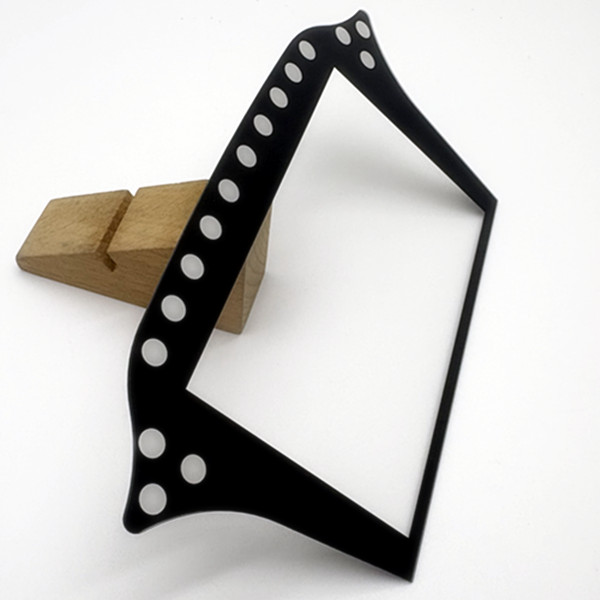
Custom Shaped Tempered Glass Processing, High Transparency Window Panels with Screen Printing
High-clarity shaped windows with printed borders, icons or viewing areas for electronic control panels and smart devices.
View product
Custom Black Border Tempered Glass Panels Silk Screen Print Tempered Glass
Black-frame cover glass for display modules, touch interfaces and appliance panels requiring clean edges and color consistency.
View product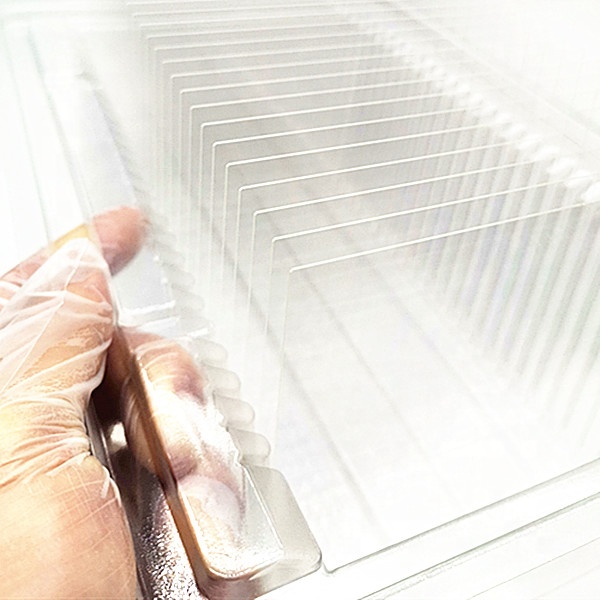
Custom Chemically ultra Thin Clear Transparent Tempered Glass Sheet
Ion-exchanged ultra-thin glass for sensor covers, wearables and compact optical windows where flatness and clarity matter.
View product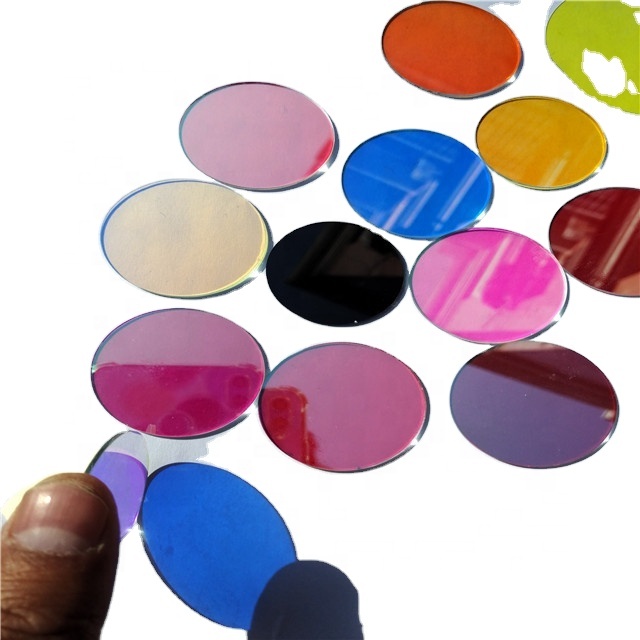
Heat Resistant Borosilicate 3.3 Dichroic Glass Filter
Low-expansion borosilicate 3.3 with dichroic coating for lighting, imaging and optical systems exposed to thermal load.
View product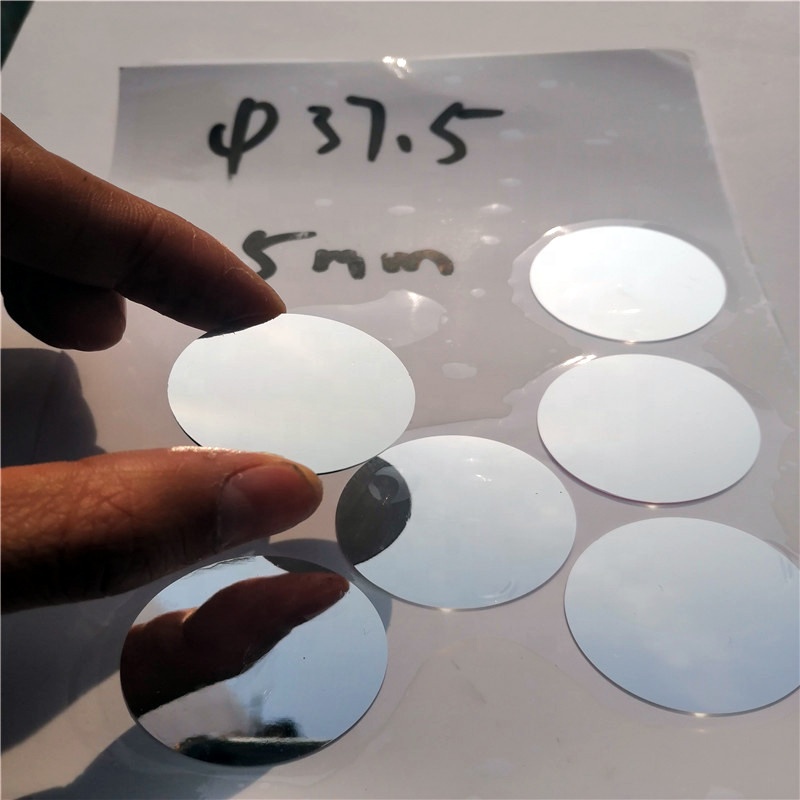
OEM Custom Heat Resistant Gobo Glass Lens
Heat-resistant gobo blanks and lenses for stage lighting, projection and high-power LED fixtures requiring stable optical patterns.
View product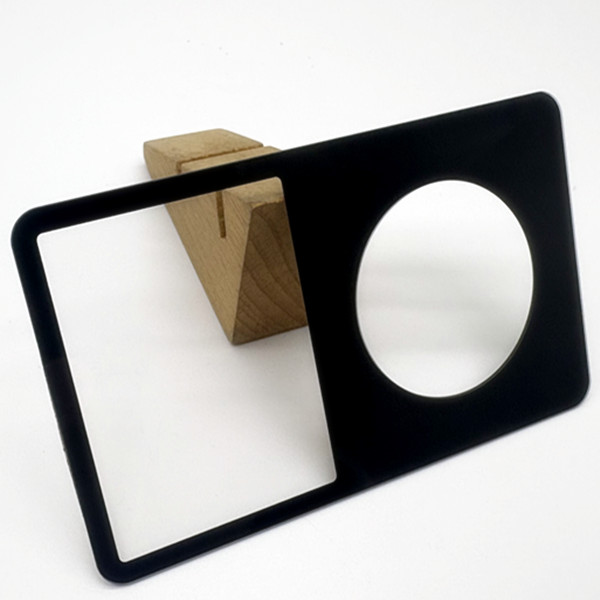
Factory Custom Smart Silkscreen Gorilla Glass Panel Tempered Glass Printing Glass
Strengthened Gorilla® glass with silk-screen printing for smart-home controls, display windows and durable front covers.
View product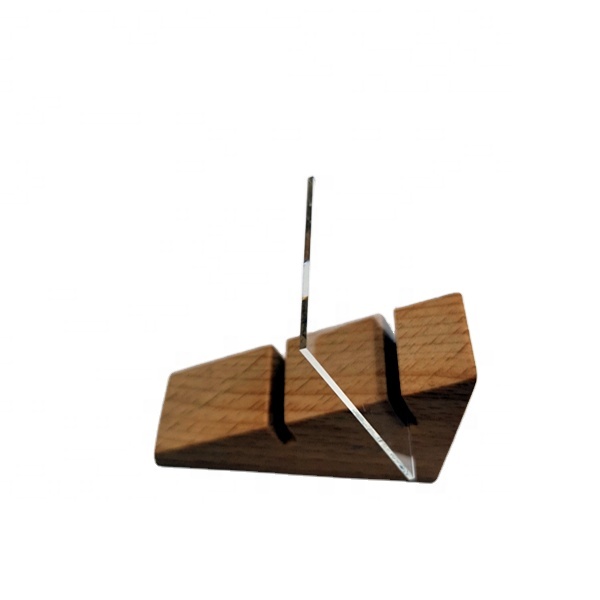
Custom 0.2mm 0.3mm 0.4mm 0.5mm 0.7 mm 1mm Thickness BOROFLOAT 33 Borosilicate Glass Sheet
Thin borosilicate 3.3 sheet for heat-resistant windows, laboratory covers and optical components requiring low thermal expansion.
View product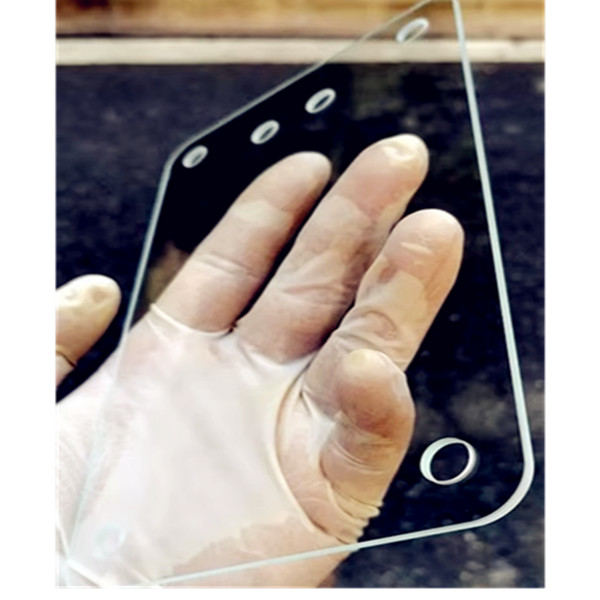
Custom Cut 0.5mm 0.7mm 1mm 1.5mm 2mm Clear Toughened Glass Tempered Corning Gorilla Glass
Scratch-resistant Corning® Gorilla® glass cut to drawing for displays, touch panels and precision electronic windows.
View productSupplier Performance Signals Buyers Can Check Before Awarding a Contract
For export procurement, trust should be evidence-based. These are the headline service metrics disclosed in the original supplier information and should be re-verified before mass production.
Years as Alibaba.com member
Average response time
Inquiry response rate
Buyer rating
Export regions served
China Wholesale Tempered Glass Is a Process Purchase, Not a Commodity Purchase
China’s specialty glass supply chain is not a single commodity market. A wholesale tempered glass exporter may be a cutting workshop, a coating line, a strengthening subcontractor, a silk-screen printer, or a trading company coordinating all four. For OEM buyers, the important distinction is not whether the supplier is based in China; it is whether the supplier controls enough of the process to protect optical yield, dimensional repeatability and delivery reliability. That is why the search for a China wholesale tempered glass exporter should begin with the application, drawing and qualification path — not with a generic price list.
This white paper adds procurement-grade information gain by connecting material science to landed cost, supplier audit, packaging and mass-production risk. It examines eight representative product families, the procurement trends reshaping OEM sourcing, the technical direction of tempered glass, and a practical FAQ for buyers evaluating custom glass programs.
Three constraints should frame every RFQ. First, glass cannot be re-cut, drilled or edge-ground after strengthening. Second, an anti-reflective coating must be specified by side, target transmission and durability requirement. Third, the substrate decision — soda-lime, Gorilla®, borosilicate 3.3, Eagle XG or ultra-thin chemically strengthened glass — determines thermal shock resistance, flatness, scratch performance and total cost far more than a few cents of unit price.
Match the Substrate and Process to the Application Before Comparing Prices
In wholesale tempered glass, the lowest unit price can be the most expensive decision if the glass is over-specified, under-specified or incompatible with downstream assembly. Use the following selection logic as a starting point for engineering review.
Displays & Electronics
Specify ultra-clear soda-lime, Gorilla® or chemically strengthened thin glass with AR coating and silk-printed borders. Use thermal tempering for thicker panels and ion exchange for 0.15–2 mm covers.
- Dashboard trim panels
- Smart-home control covers
- LCD protection windows
Lighting & Heat-Resistant Optics
Borosilicate 3.3, gobo glass and dichroic filters are preferred where thermal shock, high-power LED heat or optical color control is critical. Avoid soda-lime in repeated hot-cold cycling.
- Stage and studio lighting
- LED fixture covers
- Dichroic color filters
Biotech & Semiconductor
Corning® Eagle XG and glass wafers are used for biochips, analyzer filters, PLC substrates and micro-fabrication because low CTE, alkali-free composition and flatness support bonding and patterning.
- Biological analyzer filters
- Glass wafers and carriers
- PLC and V-groove substrates
Industrial & Automotive Covers
Custom-shaped high-transparency panels with screen printing, AR coating and tempered edges are common in automotive trim, instruments, chargers and outdoor control interfaces.
- 0.5–4 mm thickness
- Pantone-matched print
- AR one side or both sides
| Material | Typical Thickness | CTE (×10⁻⁶/K) | Best-Fit Application |
|---|---|---|---|
| Ultra-clear soda-lime | 0.5–4 mm | ≈9.0 | Cover glass, AR panels, printed windows, appliance displays |
| Gorilla® alkali-aluminosilicate | 0.4–2 mm | ≈7.5–8.5 | Scratch-resistant touch covers and durable display fronts |
| Borosilicate 3.3 | 0.3–3.3 mm | 3.3 | Heat-resistant windows, gobo blanks, laboratory and lighting glass |
| Corning® Eagle XG | 0.5–1.1 mm | ≈3.2 | Biochips, wafers, PLC substrates and precision optical alignment |
| Chemically strengthened thin glass | 0.15–2 mm | Base-glass dependent | Ultra-thin protectors, sensor covers, compact optical windows |
How China Wholesale Tempered Glass Buying Is Changing Through 2030
Buyer intent is shifting from “find a supplier with a low price” to “qualify a process partner with traceability, engineering feedback and predictable export packaging.” These six trends are already visible in serious OEM sourcing programs.
Annual Frame Agreements Replace One-Off POs
OEMs increasingly share 12-month forecasts, safety stock targets and annual volume bands so suppliers can reserve cutting, coating and strengthening capacity instead of quoting each order from scratch.
Material Traceability Becomes a Qualification Gate
Buyers now request raw-glass origin, batch identification, coating side confirmation and inspection records. Corning®, AGC and established optical-glass sources are named in RFQs to reduce substitution risk.
Landed Cost and Yield Beat Unit Price
Procurement teams are modeling breakage rate, assembly yield, coating rework and freight protection. A slightly higher piece price with lower field failure and better packaging can reduce total cost of ownership.
Digital Supplier Verification Matures
Supplier assessment, credit profile, transaction level, trade capacity and buyer reviews are being checked before samples are approved. Remote video inspection is becoming normal for edge quality and print sharpness.
Customization Moves to the Front End
RFQs now specify AR side, print color, IR window, edge profile, tolerances, packaging orientation and annual volume. Suppliers that offer DFM feedback before quotation reduce engineering loops and sample revisions.
Compliance-Ready Coatings and Packaging
Inks, adhesives and coating materials are being reviewed against customer chemical-compliance lists. Export packaging is also specified for fragile thin glass, with interleaving, cushioning and carton drop protection.
Where Technical Glass Performance Is Heading Next
The market is moving toward thinner, stronger, more functional glass surfaces. The most successful wholesale programs will specify measurable performance rather than generic “tempered glass” wording.
Ultra-Thin Chemically Strengthened Glass
0.15–2 mm ion-exchanged glass is expanding into wearables, sensor covers and compact electronics where thermal tempering is not suitable and optical clarity must remain high.
Higher-Performance AR Coatings
Double-sided anti-reflective coatings are moving toward higher transmission, lower haze and improved durability. Buyers should specify target wavelength range, reflectance, haze and abrasion requirements.
Precision Silk-Screen Printing
Printed cover glass is becoming more complex: narrow borders, high-opacity black, Pantone-matched colors, icon windows, IR-transparent ink areas and back-painted light-blocking layers.
Borosilicate 3.3 for Thermal Loads
Demand is growing for borosilicate 3.3 windows, gobo blanks and dichroic glass in high-power lighting and instruments where thermal shock resistance and chemical stability are more important than base price.
Low-CTE Eagle XG and Glass Wafers
Biochips, analyzer filters, semiconductor carriers and PLC substrates continue to move toward low-CTE, alkali-free, fusion-formed glass with excellent flatness and dimensional stability.
Functional Glass Surfaces
Anti-glare, anti-fingerprint, anti-scratch and transparent ceramic glass concepts are appearing in premium electronics and automotive interfaces. These features should be validated through application-specific testing.
Why Fevry Glass Is a Practical China Wholesale Tempered Glass Partner
Fevry Glass Co., Ltd. is a specialty glass company based in Xinyu, Jiangxi, China. Drawing on hands-on work with optical, biological, semiconductor, communications, lighting and electronics customers, the company helps engineers select the right substrate and turn it into a finished, export-ready part.
Raw glass is sourced from Corning, AGC and other multinational producers, together with established Chinese optical-glass makers such as Chengdu Guangming and Xinhuguang. This matters for buyers who need traceable material, batch consistency and fewer substitution surprises across repeat orders.
Processing is supported by laser, ultrasonic, CNC carving, grinding and inspection equipment imported from the USA, Germany and Japan. The company principle — “Quality is superior, service is supreme, reputation is first” — is only credible when it is translated into drawing review, first-article approval, in-line inspection and export packing discipline.
- Eagle XG, borosilicate 3.3 and specialty glass
- Semiconductor wafers and biochip glass
- PLC substrates and optical V-groove glass
- Stage, film and LED lighting glass
- AR coating and silk-screen printed covers
- 0.15 / 0.2 mm ultra-thin protector glass


From Raw Sheet to Finished Optical Part: What a Reliable Supplier Should Control
A single source for cutting, strengthening, coating and printing reduces hand-offs, tightens tolerances and gives procurement one accountable partner for corrective action.
Laser, CNC & Ultrasonic Machining
Custom outlines, holes, notches and slots; flat, pencil and chamfered edges with dimensional inspection before strengthening.
Thermal & Chemical Strengthening
Thermal tempering for suitable thicker glass; ion exchange for 0.15–2 mm cover glass. All cutting and drilling must be completed before strengthening.
AR, Dichroic & Optical Coatings
Anti-reflective coating on one or both sides, dichroic filters and optical layers for lighting, imaging and display applications.
Silk-Screen Printing & Back Painting
Pantone-matched borders, logos, icon windows, IR-transparent ink areas and light-blocking back paint on strengthened glass.
Dimensional & Optical Inspection
Measurement of size, thickness, flatness and visual defects against agreed AQL and drawing requirements before packing.
Export Packing for Fragile Thin Glass
Interleaved, cushioned cartons and orientation control for international shipping. Packaging should be specified with the destination and handling profile in mind.
Share Your Drawing
Send DWG, DXF or PDF dimensions, tolerances, material, thickness and target annual volume.
Engineering Review
The supplier confirms manufacturability and recommends substrate, strengthening, coating and print route.
Sample Approval
Samples validate fit, print color, edge quality and optical performance before mass production.
Mass Production
Processing with in-line dimensional checks, visual inspection and agreed AQL sampling.
Export Packing
Interleaved and cushioned packing designed for international fragile-glass logistics.
Common Procurement Questions for Tempered Glass Wholesale Buyers
These are the practical questions engineers and sourcing managers ask most often when qualifying a China tempered glass exporter or wholesaler.
Should I choose chemically strengthened or thermally tempered glass?
Thermal tempering is generally best for glass around 3 mm and thicker. For ultra-thin cover glass from 0.15 mm to about 2 mm, chemical strengthening through ion exchange increases surface strength while keeping the sheet flat and optically clean. In both cases, cutting, drilling and edge grinding must be finished before strengthening. Tempered glass cannot be re-cut afterwards without losing the strengthening effect.
When is borosilicate 3.3 better than soda-lime glass?
Borosilicate 3.3 has a thermal expansion coefficient of about 3.3 × 10⁻⁶/K, roughly one third of soda-lime glass, so it resists thermal shock far better. It is the preferred choice for lighting covers, heat-resistant windows, gobo blanks, laboratory glass and instrument windows where rapid temperature change or chemical exposure is expected.
Why is Corning® Eagle XG used for biochips, wafers and PLC substrates?
Eagle XG is an alkali-free boro-aluminosilicate glass with low thermal expansion and a fusion-formed surface that offers excellent flatness and dimensional stability. This suits micro-patterning, bonding and precise optical alignment in biochips, analyzer filters, glass wafers and planar lightwave circuit substrates.
What is the minimum order quantity for custom tempered glass?
Most custom cover glass and AR glass items start from 300 to 500 pieces. Some custom-cut Eagle XG parts start from 1,000 pieces, and selected gobo glass blanks can start from 10 pieces. Samples can usually be arranged to validate fit, print color and optical performance before mass production. Final MOQ depends on size, material, coating and print complexity.
What information should I include in a custom glass RFQ?
Send a 2D drawing with outline dimensions and tolerances, thickness, glass material, edge finish, hole and notch positions, strengthening method, print colors with Pantone references, AR coating side or sides, end application, expected annual quantity and destination. Complete information lets engineers return a firm recommendation and reduces sample revisions.
Which markets are served, and how is fragile glass packed?
In addition to domestic customers in China, export service covers Western Europe, the United States, Japan, South Korea, Taiwan, Hong Kong and Southeast Asia. Export packing should use interleaving, cushioning and reinforced cartons or crates according to part size and shipping method. For high-value thin glass, buyers should request a packaging drawing or sample packing check before the first mass-production shipment.
Have a Drawing? Engineer Your Glass Supply Before You Order.
Share your 2D drawing, material, thickness, AR coating side, print colors, annual volume and destination. Our engineers typically reply within 4 hours with a manufacturability review and quotation path.