8 Engineered Glass Products to Review Before You Send an RFQ
Fused silica window sourcing is a specification-driven process. The eight products below are part of Fevry Glass’s custom glass window portfolio, shown with original product links, and demonstrate the drawing-based processing standards used for precision window programs.
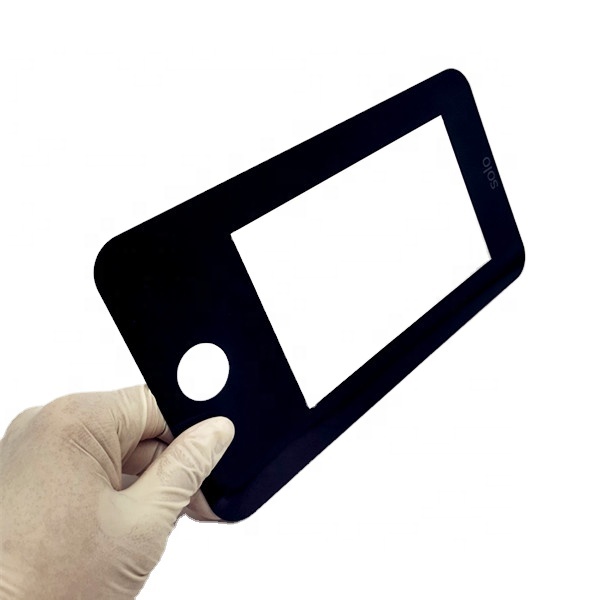
OEM Low-Iron Tempered Glass for Unbreakable Window Covers
High-clarity tempered glass for appliance, display and equipment windows requiring strength and clean optical appearance.
View product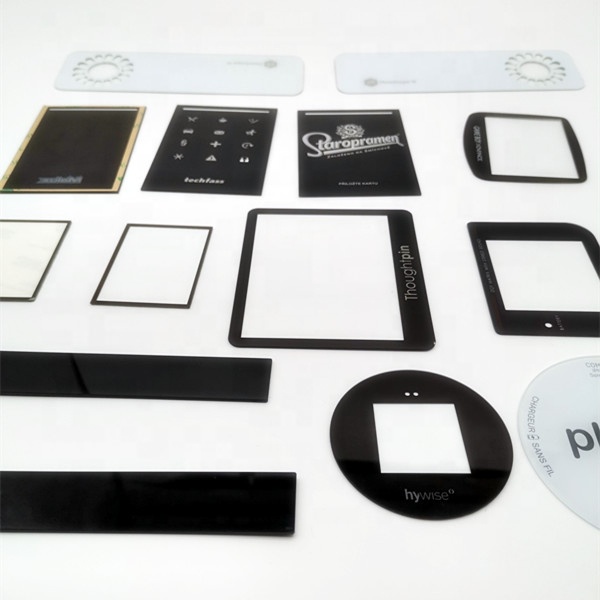
Back-Painted Tempered LED Glass Panel Cover
Color-matched back painting with tempered strength for lighting panels, control interfaces and decorative electronics.
View product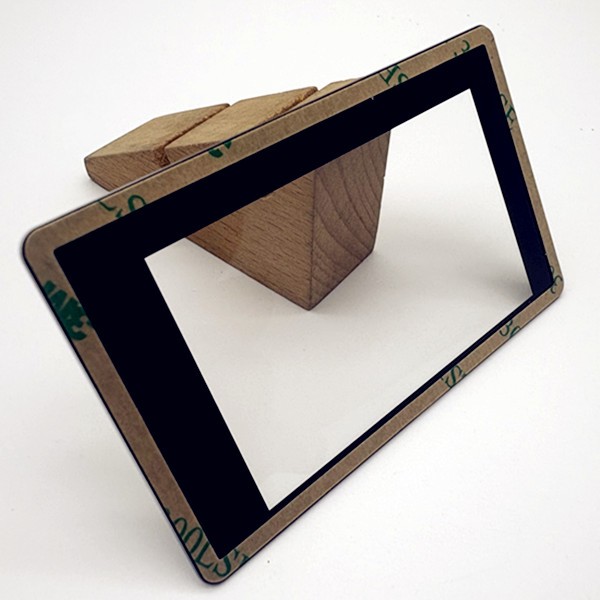
Custom Tempered Dashboard Trim & Flat Screen Protector
Flat tempered cover panels with print and edge finishing for automotive dashboards and electronic displays.
View product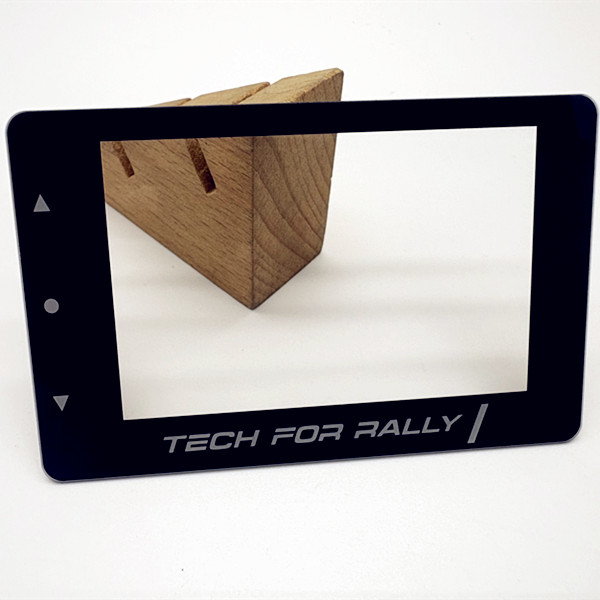
Silk-Printed AR Gorilla Glass LCD Display Window
Anti-reflective coated and printed strengthened glass for glare reduction, cover windows and touch interfaces.
View product
Heat-Resistant Gobo Glass Blanks for Projectors
Thin heat-resistant blanks for projection, stage lighting and optical aperture applications.
View product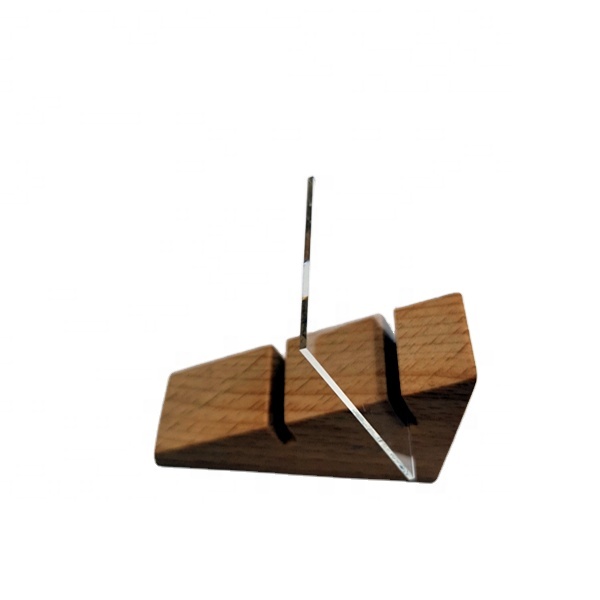
BOROFLOAT 33 Borosilicate Glass Sheet, 0.2–1 mm
Low-expansion borosilicate sheet for heat-resistant windows, lighting covers, instruments and viewports.
View product
Custom Shaped High-Transparency Window Panel
CNC-shaped, screen-printed and tempered transparent panels for equipment windows and front covers.
View product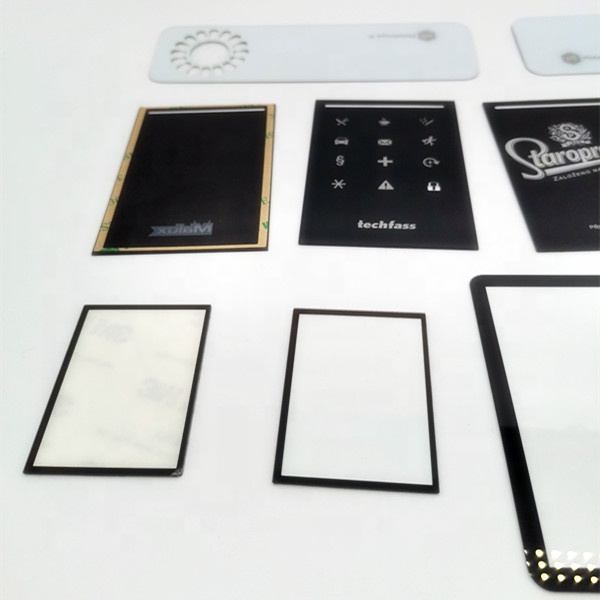
Corning Gorilla Glass Touch-Screen Silk Printing
Scratch-resistant cover glass with precision printing for touch displays, HMI panels and electronic devices.
View productWhat Does a Qualified China Wholesale Fused Silica Window Factory Actually Deliver?
Fused silica windows are no longer a niche laboratory purchase. They are now specified in semiconductor metrology, laser processing heads, aerospace sensors, medical analyzers, high-temperature viewports, UV curing systems and photonics assemblies. For OEM buyers, the real challenge is not simply finding China wholesale fused silica window factories; it is identifying an exporter that can prove raw-material traceability, control bubbles and inclusions, hold flatness and parallelism, protect edge quality and repeat coating performance across production lots.
A qualified supplier should translate your optical drawing into a controlled manufacturing plan. That plan usually starts with the operating wavelength, temperature range, pressure differential, laser fluence, coating requirement, cleaning method and annual volume. The factory then selects a suitable fused silica grade, defines the polish and edge specification, confirms measurement methods and agrees inspection criteria before producing samples.
Specifications That Should Be Fixed Before Production
- Outline dimensions, thickness and tolerance stack
- Flatness, parallelism and surface quality
- OH content, bubble and inclusion class
- Edge chips, bevel and chamfer requirements
- Transmission range and coating sides
- Cleaning, packaging and lot traceability
The strongest suppliers do not treat “fused silica window” as a commodity phrase. They ask engineering questions, recommend the right grade, document deviations and provide inspection evidence. That is how buyers reduce incoming inspection risk and avoid costly rework after an export shipment arrives.
Fused Silica Window Performance Profile
Typical values vary by grade, polish, coating and application. Final acceptance criteria must be agreed on the drawing and purchase order.
Why Fused Silica Windows Are Specified in Demanding Optical Systems
Fused silica is an amorphous, high-purity silicon dioxide material. It offers a combination of broad optical transmission, low thermal expansion, high chemical durability and excellent thermal shock resistance — properties that soda-lime or standard borosilicate glass cannot match in every respect.
Optical Transmission
Depending on grade, fused silica transmits from the deep UV through visible to near-IR. Buyers must define wavelength range, OH content and whether UV or IR grade is required.
Thermal Stability
Low thermal expansion helps maintain optical alignment during temperature cycling. This matters in laser systems, sensors and analytical instruments.
Thermal Shock Resistance
Fused silica can withstand rapid temperature changes better than many common window glasses, especially when edges are properly finished and the design avoids stress concentrators.
Chemical Durability
Fused silica is chemically inert in many environments. For medical, analytical and semiconductor use, cleaning residues and surface contamination still need controlled handling.
Wholesale Purchasing Trends for Fused Silica Windows
Procurement is shifting from price-only sourcing to total technical risk management. Buyers want a China exporter that can support engineering review, repeatable quality and export-ready documentation.
Traceability Becomes Mandatory
More OEM programs now request material grade, lot identification, key process records and inspection data. For fused silica windows, bubble class, OH content and edge condition are increasingly documented rather than assumed.
Dual Sourcing with Process Control
Buyers are balancing China cost efficiency with regional second sources. The winning approach is to keep drawings, inspection methods and acceptance criteria identical across suppliers so that qualification does not restart from zero.
Smaller Initial Batches
Product teams often need 10 to 500 pieces for validation before mass production. Suppliers that support sampling, drawing review and staged MOQs can reduce inventory risk for new optical modules.
Higher Coating Specifications
AR, high-reflection and filter coatings are becoming part of the window specification. Buyers should confirm coating adhesion, durability, wavelength performance and whether coating is applied on one or both sides.
Digital RFQ and Inspection Packages
2D drawings, STEP files, wavelength curves and inspection reports move faster than email-based guesswork. A supplier that responds with clear questions and a structured quotation saves weeks of engineering time.
Total Landed Cost Focus
Breakage, rework and customs delays can erase unit-price savings. Export-grade interleaved packaging, moisture protection, shock cushioning and accurate HS documentation are now part of the sourcing decision.
Where Fused Silica Window Technology Is Moving Next
Product development is driven by tighter optical systems, higher power densities and more integrated mechanical designs. Windows are becoming engineered components rather than simple flat plates.
Larger and Thinner Windows
Equipment designers want larger apertures without sacrificing flatness. Polishing, handling and packaging become critical as window size increases and thickness decreases.
Coated Optical Functions
AR coatings, dichroic layers and wavelength-selective coatings are being specified directly on the window. Buyers need coating performance tied to the actual angle of incidence and environmental exposure.
Laser Damage Threshold
Laser users are asking for better surface quality, fewer subsurface defects and cleaner edges. The window specification should include laser wavelength, pulse duration and fluence.
Integrated Assemblies
Customers increasingly request edge grinding, printing, coating, adhesive-ready surfaces and protective films. This reduces assembly steps and improves cleanliness at the equipment builder.



Fevry Glass: A China Fused Silica Window Exporter Built on Precision Processing
Fevry Glass Co., Ltd. is a specialty glass company based in Xinyu, Jiangxi, China. Our experience spans optical, biological, semiconductor, communications, lighting and electronics applications. For fused silica window projects, we apply the same drawing-based engineering discipline used across our custom glass business: material selection, process review, sample validation, production inspection and export packaging.
We source raw glass from established producers and work with recognized optical-glass partners, while processing on laser, ultrasonic, CNC carving, grinding, polishing and inspection equipment. This helps buyers consolidate cutting, shaping, coating, printing and inspection rather than managing multiple hand-offs.
Material & Grade Review
UV, IR and optical grades matched to wavelength and temperature.
CNC, Laser & Ultrasonic
Custom outlines, holes, notches, edges and surface finishing.
Inspection & Packing
Dimensional, visual and optical checks with export-safe packing.
Verified Export Record
Supplier assessment, trade capacity and reviews available to check.
Fused Silica vs. Borosilicate vs. Technical Cover Glass
The right material depends on wavelength, temperature, strength, weight and cost. This comparison is for preliminary selection only; final specifications must be confirmed against the material datasheet and your application test plan.
Fused Silica
Best for UV laser optics, high-temperature viewports, semiconductor and analytical windows. Requires careful grade selection and edge finishing.
Optical range: very broad
Borosilicate 3.3
Cost-effective for lighting covers, heat-resistant windows, gobo blanks and instrument glass where extreme UV performance is not required.
Thermal shock: excellent
Ultra-Clear Soda-Lime
Good for display covers, printed windows and AR-coated panels where strength and clarity matter more than low expansion.
Cost efficiency: high
Corning Eagle XG
Suited to biochips, wafers, PLC substrates and micro-optics requiring dimensional stability and clean bonding surfaces.
Dimensional stability: high
For fused silica windows, always specify grade, OH content, bubble/inclusion class, transmission range, surface quality, flatness, parallelism, edge condition and coating requirements.
Where China Wholesale Fused Silica Windows Are Used
Fused silica windows support applications where optical clarity, thermal stability and chemical durability must work together under demanding operating conditions.
Semiconductor & Photonics
Metrology windows, wafer handling, photonic packaging and inspection ports.
Laser & Optical Systems
Protective windows, beam delivery covers and AR-coated optics for high-power lasers.
Analytical & Medical
Flow cells, analyzer cells, UV detection windows and diagnostic instrument windows.
Aerospace & High-Temperature
Viewports, sensor covers and thermal protection windows exposed to temperature cycling.
Lighting & UV Curing
UV-transparent covers, projector windows and high-temperature lighting components.
Displays & Electronics
Cover windows, printed front panels, touch interfaces and electronics protection glass.
How a Reliable Fused Silica Window Exporter Protects Your Order
Quality is not a final inspection step. It is designed into material selection, drawing review, process control and packaging. For fragile optical windows, export protection is part of the product specification.
Incoming Material Control
Material grade, thickness, lot identification and visual condition should be checked before cutting. Records help isolate issues if a later defect appears.
Drawing & Process Review
Critical dimensions, edge chips, flatness, parallelism and coating zones are reviewed for manufacturability before production begins.
Dimensional & Optical Inspection
Inspectors check size, thickness, edge condition, surface defects and agreed optical requirements against the approved sample or drawing.
Export-Grade Packaging
Interleaved protection, cushioned corners, moisture barrier and shock-resistant cartons reduce breakage risk during international transit.
Frequently Asked Questions About China Fused Silica Window Sourcing
These are the questions procurement teams and engineers ask most often when qualifying a wholesale fused silica window supplier.
What is the difference between fused silica and fused quartz windows?
Both are amorphous SiO₂ materials, but they differ in raw material and manufacturing route. Fused quartz is typically produced from natural quartz crystal, while fused silica is often made from synthetic silica. The practical differences appear in OH content, UV cutoff, IR absorption bands, bubble and inclusion levels, fluorescence and cost. For specification purposes, do not use the terms interchangeably. State the required grade, wavelength range, OH content and acceptance criteria.
What information should I send for a fused silica window quotation?
Send a 2D drawing in DWG, DXF or PDF with outline dimensions, thickness, tolerances, flatness, parallelism, surface quality, edge finish, hole or notch positions, coating requirement, operating wavelength, temperature range, cleaning method, application and estimated annual quantity. If you have an existing supplier specification or inspection report, include it so the quotation can be aligned to the same acceptance criteria.
What is the typical MOQ for China wholesale fused silica windows?
MOQ depends on size, material grade, coating and process complexity. Standard custom glass and coated window items often start from 300 to 500 pieces, while selected specialty or small-size blanks may be lower for sample validation. Large fused silica windows, custom coatings and tight flatness requirements can require a higher minimum because of yield and handling risk. Share your annual volume and prototype demand so the supplier can propose a practical staged MOQ.
Can you supply AR-coated, high-transmission or laser-grade windows?
Coating and grade options should be reviewed against the application. AR coatings can reduce surface reflection, but the design must account for wavelength, angle of incidence, polarization and environmental durability. Laser applications require discussion of pulse duration, fluence, surface quality and coating damage threshold. A responsible supplier will confirm what can be guaranteed and document the agreed test method rather than quoting a generic “high transmission” claim.
How are bubbles, inclusions, stress and edge chips controlled?
Control starts with material grade and lot selection. The drawing should define allowable bubble and inclusion class, surface quality, edge chip limits, bevel or chamfer requirements and cleaning condition. Production should include incoming material checks, process controls and final visual inspection under appropriate lighting. For stress-sensitive or high-pressure applications, additional inspection or third-party verification can be discussed before production.
What shipping and export documentation can be provided?
Export packing should be designed for fragile optical glass, with interleaving, edge protection, moisture control and shock-resistant outer cartons. Commercial invoice, packing list and shipping documents are prepared according to the destination and trade terms. For high-value or critical windows, buyers can request additional photos, inspection records or pre-shipment verification. The exact documentation package should be agreed in the purchase order.
Request a Fused Silica Window Quote from a Verified China Exporter
Send your drawing, material grade, wavelength, temperature range, coating requirement and annual quantity. Our team will review manufacturability, recommend a practical specification and respond with a quotation path for samples and mass production.
Typical response time: within 4 hours. Please include a 2D drawing for the fastest engineering review.