China Best Glass Wafer Manufacturers & Factory
Fevry Glass supplies glass wafers, borosilicate 3.3, Corning® Eagle XG, AR-coated tempered cover glass, silk-screen printed panels, ITO glass and dichroic gobo glass for global OEMs. Drawings in, production-ready parts out.
8 Engineered Glass Products Recommended for Global Buyers
Chinese glass wafer manufacturers are no longer judged on piece price alone. Buyers compare CTE, flatness, coating durability, print accuracy, lot traceability and engineering responsiveness. The eight products below represent Fevry’s custom glass manufacturing program: each is cut, strengthened, coated or printed to drawing, and each original product URL is preserved so procurement teams can verify specifications quickly.
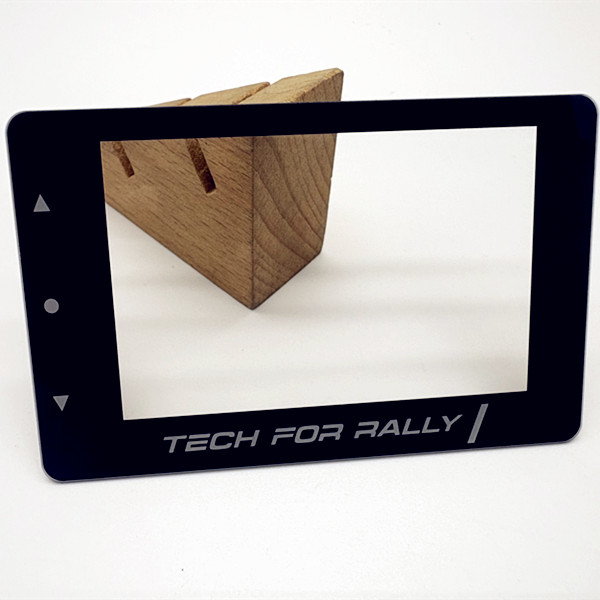
Custom Silk Printed AR Coated Gorilla Glass LCD Screen Protection Display
Chemically strengthened cover glass with anti-reflective coating and printed borders for high-clarity display windows.
View product
Custom 0.2mm 0.3mm 0.4mm 0.5mm 0.7mm 1mm Alkali Free Borosilicate AF32 Glass
Low-CTE, alkali-free borosilicate sheet for displays, sensors and wafer-level processes requiring flatness.
View product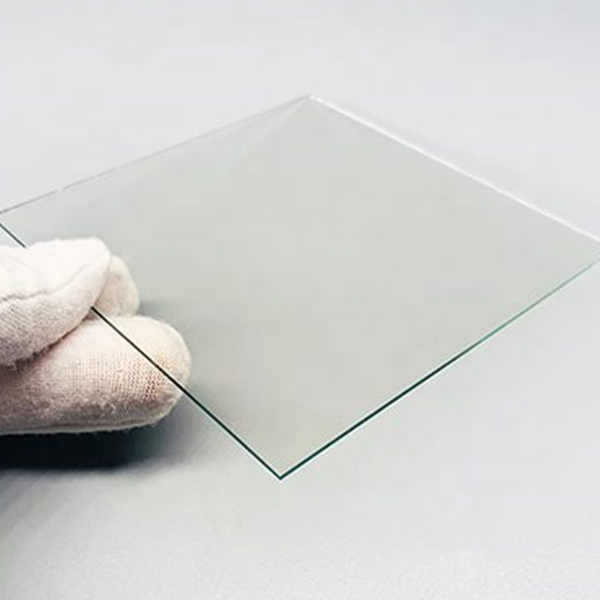
ITO Conducting Glass, ITO Coated Glass, ITO Glass
Transparent conductive ITO-coated glass for touch sensors, displays and optoelectronic devices.
View product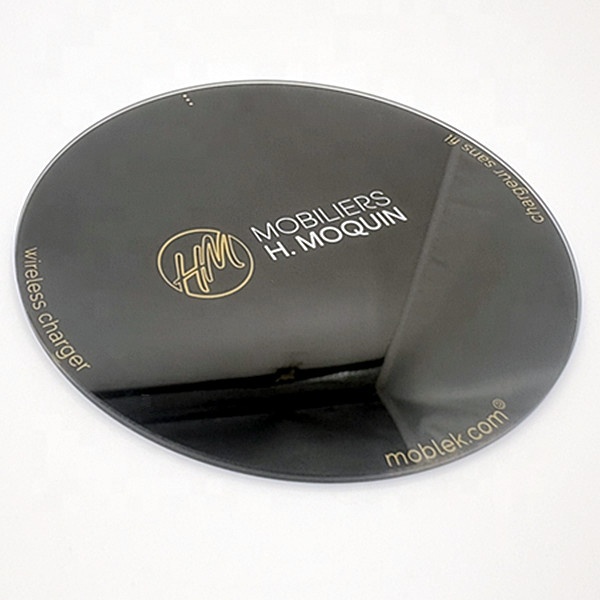
Custom Black Border Tempered Glass Panels Silk Screen Print Tempered Glass
Tempered panels with precision black-border printing for control panels, appliances and industrial displays.
View product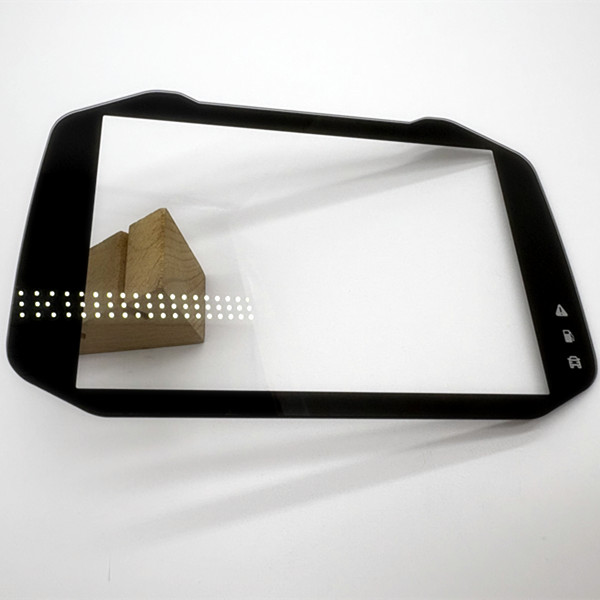
Custom Shape High Transmittance Ultra Clear Tempered Glass Panel With Anti-reflective Coating on Two Sides
Double-sided AR coating delivers up to approximately 98% transmission with low reflection for instrument and display covers.
View product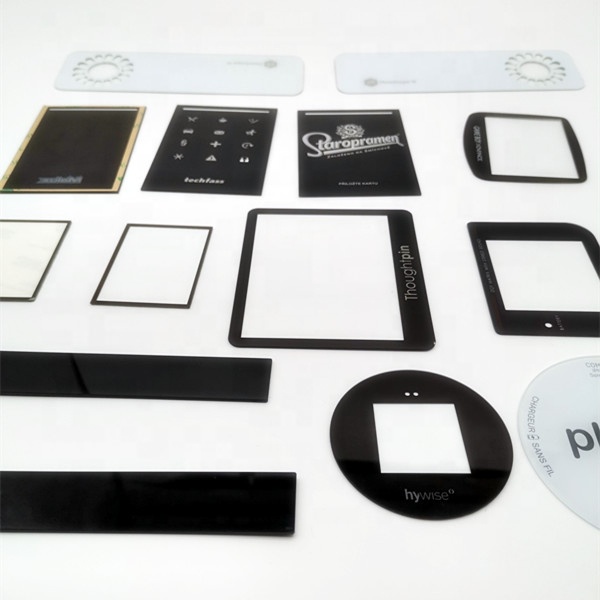
Back Painted Tempered Glass Led Glass Panel Cover Glass
Back-painted tempered glass for LED fixtures, smart-home controls and decorative lighting covers.
View product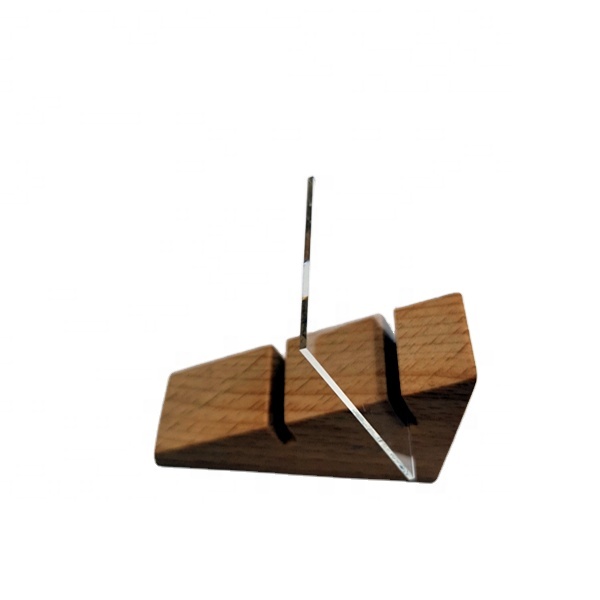
Custom 0.2mm 0.3mm 0.4mm 0.5mm 0.7 mm 1mm Thickness BOROFLOAT 33 Borosilicate Glass Sheet
Heat-resistant BOROFLOAT 33 sheet for lighting, laboratory, optical and thermal-shock applications.
View product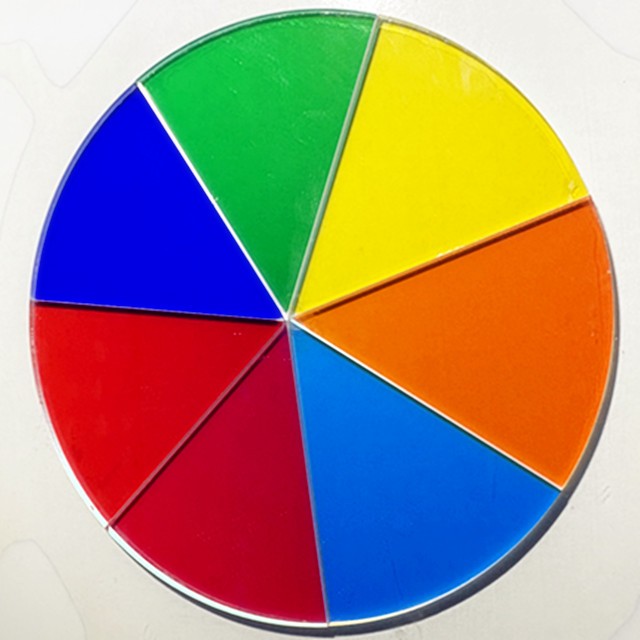
Factory Customization Dichroic Glass Gobo Glass
Dichroic and gobo glass blanks for stage lighting, architectural lighting and color-filter optics.
View productWhat Procurement Teams Can Verify Before They Commit
For a China glass wafer factory, credibility comes from measurable response behavior, visible transaction history and repeatable quality. These counters summarize the supplier profile data referenced in the original Fevry Glass content and help buyers distinguish a responsive engineering partner from a catalogue-only trader.
Why Global Buyers Shortlist Fevry Glass as a China Glass Wafer Factory
Fevry Glass Co., Ltd. is a specialty glass manufacturer based in Xinyu, Jiangxi, China. The company works with optical, biological, semiconductor, communications, lighting and electronics customers, supplying glass in raw sheet form and as finished parts cut to customer drawings. That combination matters for wafer-related programs: the factory understands both material selection and downstream handling, from low-CTE substrates to chemically strengthened ultra-thin cover glass.
Raw material sourcing is controlled rather than anonymous. Fevry draws on glass from Corning, AGC and established Chinese optical-glass makers such as Chengdu Guangming and Xinhuguang. Processing is carried out on laser, ultrasonic, CNC carving, grinding and inspection equipment imported from the USA, Germany and Japan. For buyers, the practical benefit is a shorter qualification loop: material source, machining method, strengthening route, coating side and final inspection can be discussed in one technical conversation.
The company’s working principle is “Quality is superior, service is supreme, reputation is first”, and its motto is “Your success, our glory”. These are not empty slogans on a landing page; they map to real procurement requirements such as documented material batches, stable edge quality, protected packing and fast engineering feedback. Fevry has been an Alibaba.com member for more than 10 years, maintains an average response time of ≤4 hours, reports a 100% inquiry response rate, holds a 5.0/5 buyer rating and serves 7+ export regions.
- Eagle XG, borosilicate and transparent ceramic glass
- Semiconductor wafers and biochip glass
- PLC substrates and optical V-groove glass
- Film, TV and stage lighting color lenses
- LED filament and optical coating glass
- 0.15 mm and 0.2 mm ultra-thin protector glass

Traceable raw glass
Material routes include Corning®, AGC, Chengdu Guangming and Xinhuguang, supporting repeatable optical and thermal performance.
In-house processing depth
Laser, CNC, ultrasonic machining, grinding, strengthening, coating and printing are coordinated under one quality system.
Inspection before packing
Dimensional, thickness, flatness and visual defect checks are performed before fragile thin glass is packed for export.
Export-ready support
Drawing review, sample validation, protected packing and responsive communication for buyers in Europe, the USA and Asia.
Precision Glass Products for Semiconductor, Optical and Display Programs
A useful information gain for procurement teams is that not every “glass wafer” RFQ belongs in the same supply chain. Material grade, thickness, CTE, surface flatness, coating side and post-processing method determine whether a part should be sourced as a wafer, a cover glass, a printed panel or a coated optical component.
Glass wafers and low-CTE substrates
Round and square glass wafers for semiconductor packaging, MEMS, bonding carriers, biochips and optical communication. Corning® Eagle XG and borosilicate 3.3 are specified when dimensional stability matters.
Coated functional glass
AR coatings on one or two sides, ITO conductive layers, dichroic mirrors and optical filter coatings. Buyers should specify coating side, target transmission, adhesion requirements and cleaning method.
Printed and strengthened cover glass
Gorilla® glass, ultra-clear soda-lime and borosilicate panels with silk-screen borders, icon windows, back painting and thermal or chemical strengthening for durable display integration.
| Material | Thickness Range | CTE (×10⁻⁶/K) | Best For | Procurement Note |
|---|---|---|---|---|
| Ultra-clear soda-lime | 0.5 – 4 mm | ≈ 9.0 | Cover glass, AR panels, printed windows | Specify low-iron glass when color neutrality and transmission are critical. |
| Gorilla® alkali-aluminosilicate | 0.4 – 2 mm | ≈ 7.5 – 8.5 | Scratch-resistant touch and display covers | Chemical strengthening is performed after cutting, drilling and edge grinding. |
| Borosilicate 3.3 | 0.3 – 3.3 mm | 3.3 | Heat-resistant windows, gobo, laboratory glass | Excellent thermal-shock resistance for lighting and instrument windows. |
| Corning® Eagle XG | 0.5 – 1.1 mm | ≈ 3.2 | Biochips, wafers, PLC and micro-optics | Alkali-free, fusion-formed surface with strong flatness and dimensional stability. |
| Chemically strengthened thin glass | 0.15 – 2 mm | Base-glass dependent | Ultra-thin protectors, sensor covers | Ion exchange keeps thin sheets flat; edge quality and handling are critical. |
Values are typical industry figures for preliminary selection. Final specifications should be confirmed against the manufacturer datasheet, your 2D drawing and the agreed inspection plan.
2025–2030 Glass Wafer Procurement Trends Buyers Should Plan For
The next buying cycle will reward engineering clarity, supply resilience and documented quality. Price comparisons will still matter, but they will be evaluated against yield, breakage risk and engineering response time.
Dual-source qualification becomes standard
OEMs are qualifying one China glass wafer factory alongside a regional or alternate supplier. Fevry supports this by documenting raw-glass source, process route and inspection criteria so buyers can compare apples to apples.
Specification-led RFQs replace catalogue browsing
A DWG, DXF or PDF drawing with tolerances, thickness, edge finish, coating side and annual volume eliminates repeated sampling. The more complete the RFQ, the faster the engineering review and the more reliable the quotation.
Traceability and change control move upstream
Biochip, optical communication and semiconductor buyers increasingly ask for material batch records, process notes and change notifications. Traceable substrate sourcing reduces risk when a product moves from prototype to volume production.
Total landed cost beats quoted piece price
Breakage, rework, delayed samples and unclear communication often cost more than the glass itself. A supplier with stable edge quality, protective packing and fast technical feedback can lower total landed cost even when the unit price is not the lowest.
Technical Glass Trends Reshaping Wafers, Substrates and Cover Panels
Product roadmaps for displays, biotech, lighting and optical communication are pushing glass toward thinner formats, tighter flatness, lower thermal expansion and more integrated functions.
Ultra-thin chemically strengthened glass
Cover glass from 0.15 mm to 2 mm is moving toward chemical strengthening because ion exchange improves surface strength while keeping the sheet flat and optically clean. Cutting, drilling and edge grinding must be completed before strengthening.
Low-expansion substrates for advanced devices
Corning® Eagle XG and borosilicate 3.3 are increasingly requested for biochips, PLC substrates, MEMS carriers and micro-optics where thermal expansion and dimensional stability affect alignment and bonding.
AR coating becomes a system requirement
Double-sided AR coatings can raise transmission to approximately 98% while reducing glare. Buyers now specify coating side, transmission target, durability and cleaning compatibility as part of the drawing rather than as an afterthought.
Printing, painting and conductivity converge
Silk-screen borders, back-painted LED covers, ITO conductive layers and dichroic coatings reduce the number of separate parts in an assembly. This integration rewards suppliers that can combine glass processing with coating and printing control.
Where Fevry Glass Wafers and Precision Glass Perform
Supplied to OEMs and research teams across Western Europe, the United States, Japan, South Korea, Taiwan, Hong Kong and Southeast Asia.
Displays & electronics
LCD protection glass, smart-home panels, automotive dashboard trims and printed cover windows.
Stage & LED lighting
Gobo blanks, dichroic color lenses, LED filament glass and heat-resistant cover glass.
Biotech & life science
Biochip substrates, analyzer filters and microscopy-grade glass with controlled flatness.
Semiconductor
Glass wafers, carrier substrates and packaging glass for micro-fabrication and bonding.
Optical communication
PLC substrate glass and fiber-alignment V-groove glass for stable optical alignment.
Measuring instruments
Flat, stable worktable glass for metrology, inspection devices and analytical equipment.
A Clear 5-Step Path from Drawing to Delivery
Designed for procurement teams that need predictable communication, documented decisions and no surprises between sample approval and mass production.
Share your drawing
Send outline dimensions, tolerances, material, thickness, edge finish, coating and print details by email.
Engineering review
Confirm manufacturability and recommend substrate, thickness, strengthening method and process route.
Sample approval
Validate fit, color matching, coating appearance and optical performance before volume production.
Mass production
Process with in-line dimensional and visual quality checks, then document the agreed inspection result.
Export packing
Interleaved, cushioned packing for fragile thin glass, with shipping documentation prepared for global delivery.
Glass Wafer & Custom Glass Procurement FAQ
Straight answers to the technical and commercial questions engineers and sourcing managers ask most often.
Should I choose chemically strengthened or thermally tempered glass?
Thermal tempering is best for glass around 3 mm and thicker. For ultra-thin cover glass from 0.15 mm to about 2 mm, chemical strengthening by ion exchange raises surface strength while keeping the sheet flat and optically clean. In both cases, cutting, drilling and edge grinding must be completed before strengthening because the glass cannot be re-cut afterwards.
When is borosilicate 3.3 better than soda-lime glass?
Borosilicate 3.3 expands only about 3.3 × 10⁻⁶/K, roughly one third of soda-lime glass, so it tolerates rapid temperature changes far better. Choose it for lighting covers, heat-resistant windows, gobo blanks and laboratory or instrument glass where thermal shock or chemical exposure is expected.
Why is Corning® Eagle XG used for biochips, wafers and PLC substrates?
Eagle XG is an alkali-free boro-aluminosilicate glass with low thermal expansion and a fusion-formed surface. That combination delivers excellent flatness and dimensional stability, which suits micro-patterning, bonding and precise optical alignment.
What is the minimum order quantity?
Most custom cover glass and AR glass items start from 300 to 500 pieces, custom-cut Eagle XG parts from 1,000 pieces, and selected gobo glass blanks from 10 pieces. Samples can be arranged to validate fit and optical performance before mass production.
What information do you need to evaluate a custom glass project?
Send a 2D drawing in DWG, DXF or PDF format with outline dimensions and tolerances, thickness, glass material, edge finish, hole and notch positions, strengthening method, print colors with Pantone references, AR coating side or sides, end application and expected annual quantity. Complete information lets engineers respond with a firm recommendation in one round.
Which markets does Fevry Glass export to?
Besides domestic customers in China, Fevry Glass regularly ships to Western Europe, the United States, Japan, South Korea, Taiwan, Hong Kong and Southeast Asia, with export packing designed for fragile thin glass.
Send Your Drawing. We Will Engineer the Glass Behind It.
Email your specifications, target annual volume and application details to info@fevryglass.com. Our engineers typically reply within 4 hours with material guidance, process recommendations and the next practical step for sampling.