CE Certified Optical Glass Sheet Exporter & Wholesalers
Precision borosilicate, tempered, AR-coated, ITO and Corning® Eagle XG glass — cut, printed, strengthened, coated and documented for global OEM procurement teams.
Eight precision optical glass products for export buyers
Buyers often arrive with a shortlist already in mind: a supplier who can cut optical glass sheet to drawing, keep transmission and flatness repeatable, support CE-related documentation, and ship fragile thin glass without hidden breakage costs. The eight products below are the fastest routes into the Fevry Glass capability set. Each begins with a substrate choice — soda-lime, borosilicate 3.3, Corning® Eagle XG, Gorilla® or ITO-coated glass — then moves through CNC or laser shaping, edge finishing, strengthening, coating and printing as required.
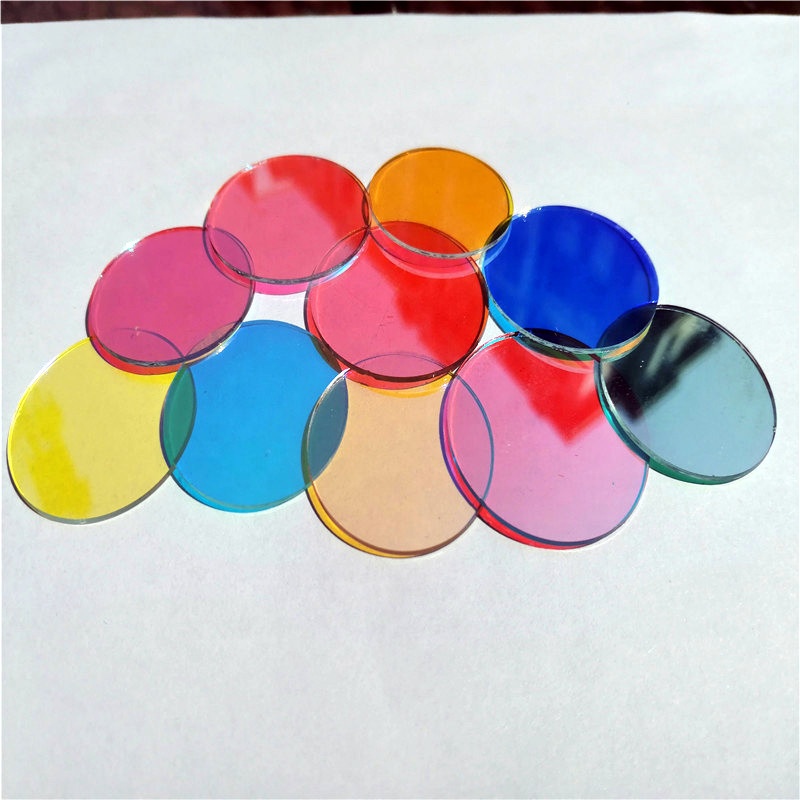
Customize logo Color Glass Gobo Glass
Heat-resistant color gobo glass for stage, studio and architectural lighting. Custom logo artwork, dichroic or color filtering and edge finishing are reviewed against fixture thermal load and projection distance.
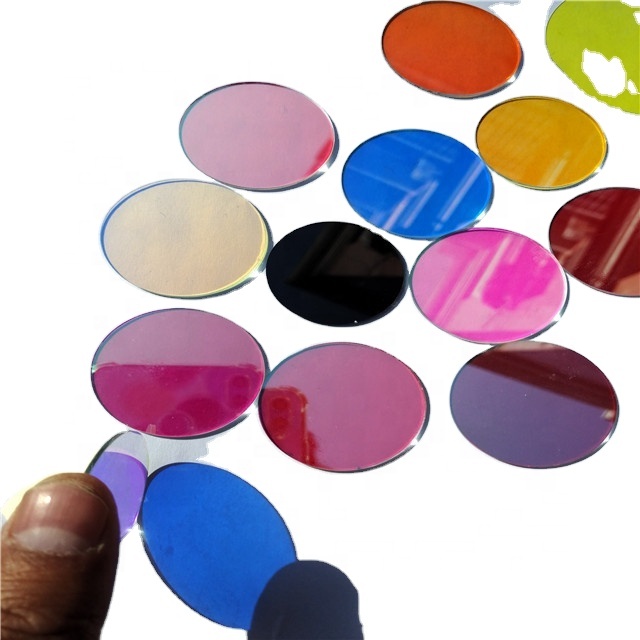
Heat Resistant Borosilicate 3.3 Dichroic Glass Filter
Low-CTE borosilicate 3.3 substrate with dichroic coating for color separation, heat control and optical filtering in demanding lighting and projection systems.
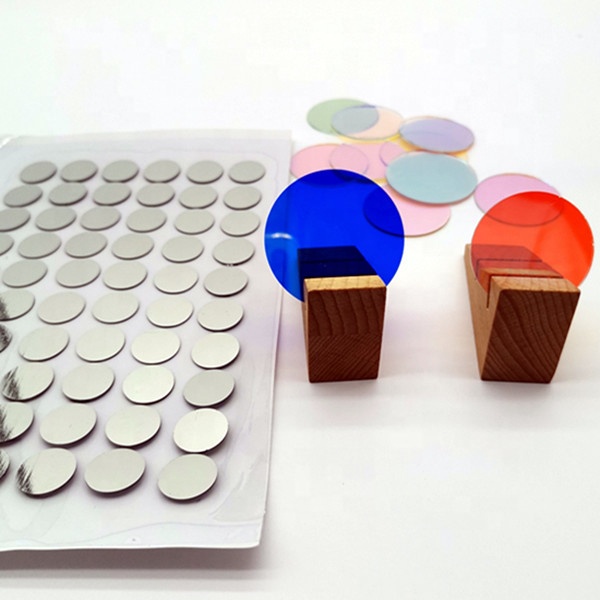
0.2mm 0.3mm 0.4mm 0.5mm 0.7mm 1.0mm 2mm Heat Resistant Gobo Glass Blanks
Thin gobo blanks in multiple thicknesses for high-power lighting, laser-cut or ground to drawing. Useful where weight, aperture size and thermal shock resistance all matter.
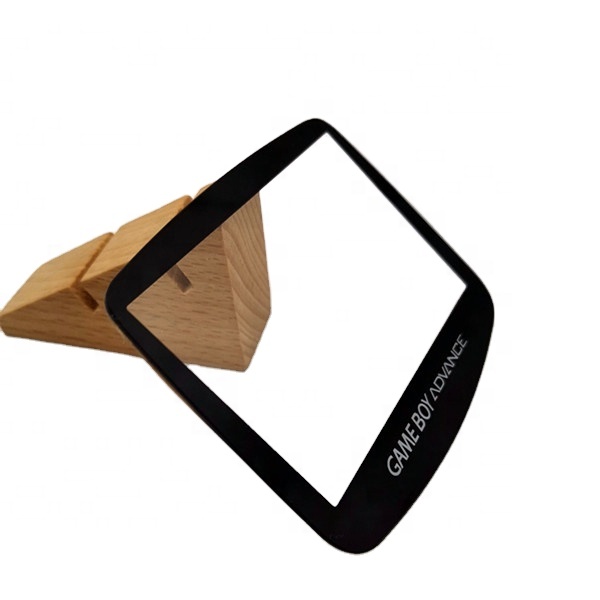
0.5mm 0.7mm 1mm 2mm 3mm Thickness China Suppliers Good Price Oem Wholesale Premium Tempered Printing Custom Gorilla Glass Screen
A strengthened display cover glass for HMI, appliance, automotive and industrial screens. Options include silk-screen print, AR coating, edge treatment and custom outline.
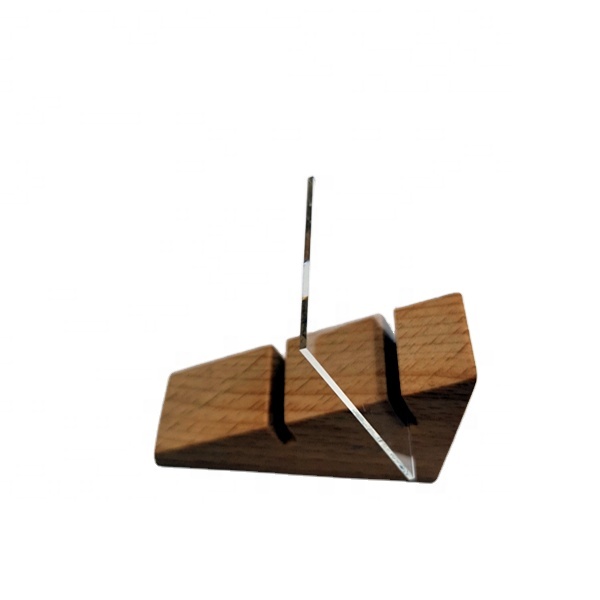
Custom 0.2mm 0.3mm 0.4mm 0.5mm 0.7 mm 1mm Thickness BOROFLOAT 33 Borosilicate Glass Sheet
Borosilicate 3.3 sheet supplied cut to size and thickness, with options for edge grinding, tempering or coating. A practical fit for heat-resistant windows, instrument covers and lighting lenses.
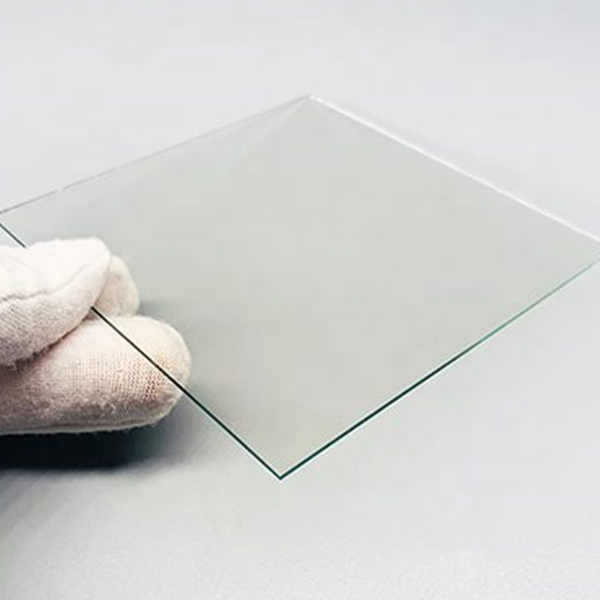
Ito Conducting Glass, Ito Coated Glass, Ito Glass
Transparent conductive glass for touch panels, sensors, heating films and display electrodes. Buyers can specify sheet resistance, coating side, transmission and patterned or unpatterned formats for qualification.
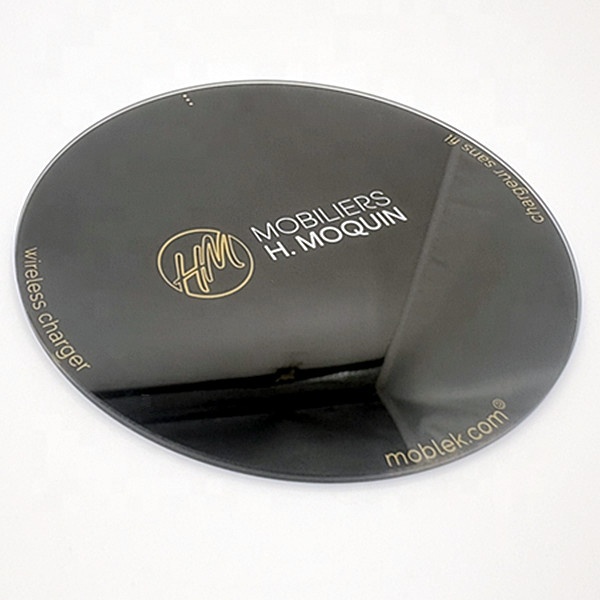
Custom Black Border Tempered Glass Panels Silk Screen Print Tempered Glass
Decorated tempered glass with a printed black border, icon window or brand mark. The print can be aligned to visible apertures, adhesive zones and sensor windows, then protected by the chosen surface treatment.
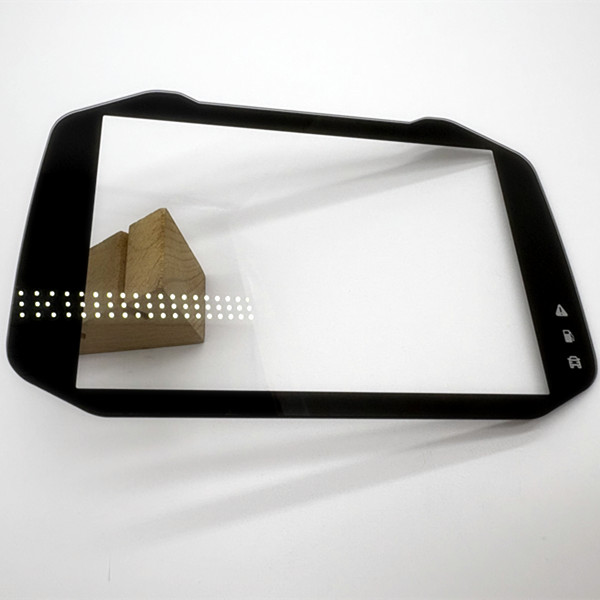
Custom Shape High Transmittance Ultra Clear Tempered Glass Panel With Anti-reflective Coating on Two Sides
Ultra-clear glass shaped to drawing and coated with anti-reflective layers on both faces to reduce glare and raise transmission. Suitable for optical windows, displays and precision instruments.
Supplier performance that procurement teams can check
Fevry Glass has operated as an Alibaba.com member for more than 10 years. The figures below are the operational metrics buyers use most often when deciding whether to release a drawing for quotation. Supplier assessment, transaction level, trade capacity and trade history are also publicly visible for verification.
Years as an Alibaba.com member
Average response time
Inquiry response rate
Buyer rating; 7+ export regions served
A specialty glass partner built around drawing-based manufacturing
Fevry Glass Co., Ltd. is based in Xinyu, Jiangxi, China. Our work sits between raw glass manufacturers and the engineering teams that need a finished, inspection-ready part. We are not a generic stockist: we help optical, biological, semiconductor, communications, lighting and electronics customers select a substrate and then manage the cutting, grinding, strengthening, coating, printing and packing steps that turn it into an export-ready component.
Raw material choice is central to repeatability. We source glass from Corning®, AGC and other multinational producers, and we work with established Chinese optical-glass makers such as Chengdu Guangming and Xinhuguang. That means an RFQ can start with the correct material grade rather than a vague “clear glass” description. In the workshop, laser, ultrasonic, CNC carving, grinding and inspection equipment imported from the USA, Germany and Japan supports tight outlines, clean edges and consistent batch-to-batch output.
Our guiding principle — “Quality is superior, service is supreme, reputation is first” — is supported by a practical motto: “Your success, our glory.” For buyers, that translates into early manufacturability feedback, sample approval before mass production, documented inspection and packing designed for fragile thin glass.
Application-led engineering
Review of drawings, tolerances, thermal load and optical targets before quoting.
Material breadth
Eagle XG, borosilicate 3.3, Gorilla®, ultra-clear, ITO and dichroic glass options.
In-house finishing
Cutting, drilling, edge grinding, tempering, coating and silk-screen printing.
Dimensional and optical inspection
Size, thickness, flatness and visual defect checks before packing.
Export-safe packing
Interleaved, cushioned packaging for thin and fragile optical glass.
Responsive export team
English technical support and fast follow-up on drawings and sample approvals.



A four-stage route from RFQ to export
Designed for procurement teams that need predictable communication and fewer approval loops.
Share the drawing and use case
Send DWG, DXF or PDF files with dimensions, tolerances, thickness, material, edge finish, holes, print colors, coating sides and annual volume.
Engineering review
We confirm manufacturability, recommend substrate and process, flag risk areas and align the specification before pricing.
Sample approval
Samples validate fit, edge quality, print alignment and optical appearance before mass production is released.
Production, inspection and export packing
In-line dimensional and visual checks, then interleaved and cushioned packing for international shipping.
Procurement trends reshaping optical glass sheet sourcing
The purchasing conversation has changed. Buyers are no longer comparing only unit price per sheet; they are comparing risk, documentation and the cost of a failed build.
Compliance evidence is part of the BOM
Procurement teams now ask for material certificates, dimensional reports, coating records and change-notification routes alongside the quotation. A supplier without a documentation routine creates hidden qualification cost.
Thinner glass, stronger surfaces
Handheld devices, sensors and compact lighting continue to push toward 0.15–1.1 mm glass. Chemical strengthening and edge quality become more important than simple sheet availability.
Coating performance is specified optically
AR, dichroic and ITO layers are increasingly described by transmission, reflection, sheet resistance or color shift targets rather than by “coated” or “uncoated” labels alone.
Dual sourcing without re-qualification chaos
OEMs want an approved primary and alternate route. Keeping drawing revisions, material grades and inspection criteria aligned across suppliers reduces emergency re-sampling.
Sustainability is measured at yield level
Glass itself is highly recyclable, but breakage, rework and over-packing erase much of the benefit. Process yield and packaging optimization are becoming part of supplier evaluation.
Supplier transparency moves online
Buyer ratings, response time, trade history, production video and inspection evidence are now reviewed before a sample order is placed. Visible performance reduces sourcing risk.
Product development directions for the next buying cycle
Optical glass sheet is no longer a single-material commodity. A finished part may combine tempering, AR coating, selective printing, ITO conductive layers, low-CTE substrate selection and a complex outline. That integration is where information gain matters: a supplier must be able to explain how each process affects the next.
Low-CTE substrates such as borosilicate 3.3 and Corning® Eagle XG are moving from laboratory use into production programs for biochips, analyzer filters, PLC substrates and precision windows. Their value is not only heat resistance; it is dimensional stability during coating, bonding and thermal cycling.
Coating and printing integration is another clear direction. Buyers increasingly ask for anti-reflective surfaces, black borders, icon windows, conductive tracks and custom shapes on the same part. Early design review avoids the common failure mode of specifying a coating after the print and edge finish have already been fixed.
For 2025–2030 programs, expect more requests for traceable batch data, tighter flatness on thin sheets, larger aspect ratios and application-specific optical validation. The product road map therefore starts with material science and ends with inspection evidence, not with a catalogue photo.
Material selection matrix
| Material | Typical thickness | CTE / property | Best-fit application |
|---|---|---|---|
| Borosilicate 3.3 | 0.3–3.3 mm | ≈3.3 × 10⁻⁶/K | Heat-resistant windows, gobo blanks, lighting covers, lab glass |
| Corning® Eagle XG | 0.5–1.1 mm | Alkali-free, low CTE | Biochips, analyzer filters, wafers, PLC substrates |
| Ultra-clear soda-lime | 0.5–4 mm | ≈9.0 × 10⁻⁶/K | Display cover glass, AR panels, printed windows |
| Gorilla® / chemically strengthened | 0.4–2 mm | High surface strength | Touch covers, HMI panels, scratch-resistant screens |
| ITO-coated glass | Base-glass dependent | Transparent conductive layer | Touch sensors, heating films, display electrodes |
| Dichroic borosilicate | 0.3–3.3 mm | Optical coating + low CTE | Color filters, lighting optics, projection components |
Typical values are for preliminary selection only. Final material, thickness and coating specifications must be confirmed against the manufacturer datasheet and your drawing.
CE certified optical glass sheet exporter: how to verify a claim
CE marking is often misunderstood in component procurement. A bare glass sheet is usually a component, not a finished machine. The CE mark is placed on the finished product when the applicable directive or regulation requires it, and the manufacturer’s declaration of conformity must match the product, the directive and the bill of materials. A responsible supplier will not imply that an unassembled optical glass sheet independently carries CE marking. What a strong supplier can do is provide evidence that supports your compliance file.
For a CE-related optical glass enquiry, send the end application, drawing, annual quantity and the documentation list your customer or notified body expects. Fevry Glass will confirm what can be supported rather than recycle a generic certificate. This approach protects the buyer during audits and keeps the technical file aligned with the actual delivered part.
Common procurement questions before sampling
Direct answers for engineers, sourcing managers and quality teams evaluating an optical glass sheet exporter.
What does “CE certified” mean when buying an optical glass sheet?
For a component such as glass, the practical meaning is usually that the supplier can support the finished product’s CE compliance file. Ask for the exact legal entity, manufacturing site, material declarations, inspection records and drawing revision. The CE mark applies to the finished product under the relevant EU directive; an unassembled sheet should not be presented as independently CE marked without a proper legal basis.
Which substrate should I choose: borosilicate 3.3, Eagle XG or soda-lime?
Borosilicate 3.3 is often preferred for heat-resistant windows, gobo blanks and lighting glass because its low expansion reduces thermal-shock risk. Corning® Eagle XG is chosen for biochips, wafers and PLC substrates where alkali-free composition and dimensional stability matter. Ultra-clear soda-lime glass is widely used for display covers, AR panels and printed windows where cost and optical clarity are balanced.
What is the minimum order quantity for custom optical glass?
Most custom cover glass and AR glass items start from 300–500 pieces. Custom-cut Eagle XG parts may start from 1,000 pieces, while selected gobo glass blanks can start from 10 pieces. Samples can be arranged before mass production to validate fit, edge quality, print alignment and optical appearance.
Can you produce from a drawing and match an existing sample?
Yes. Send a 2D drawing (DWG, DXF or PDF) with outline dimensions, tolerances, thickness, material, edge finish, hole and notch positions, strengthening method, print colors, AR coating side and annual quantity. A physical sample is also useful for edge profile, print appearance and surface-finish comparison before the first production batch.
How do you control AR coating, transmission and appearance?
AR performance should be specified by application, not by a generic label. Buyers should state substrate, thickness, coating side or sides, target transmission or reflection range, wavelength band, haze limit and color-shift tolerance where relevant. Sample approval before mass production is the most reliable way to align optical appearance with the final display or lighting assembly.
How are thin glass sheets packed, and which markets do you export to?
Thin and fragile glass is interleaved, cushioned and packed for international transport, with labels and batch identification agreed during the order. In addition to domestic China customers, Fevry Glass regularly serves buyers in Western Europe, the United States, Japan, South Korea, Taiwan, Hong Kong and Southeast Asia. Share your target market and shipping method so packing and documentation can be matched to the route.
Start with your drawing, not a generic catalogue number
Send a 2D drawing, material or performance target, print colors, coating side, end application and annual volume. If CE-related documentation is required, include the list your customer or notified body has requested. Our export team will reply with the next engineering and commercial steps.