8 Precision Glass Products for Denver Wafer Bonding and Equipment Builders
Start with the substrate and finish with the interface: AF32 borosilicate, Gorilla®-type chemically strengthened glass, tempered LED panels, touch-switch plates and silk-printed cover glass can be specified to your drawing, tested and packed for export to Denver, Colorado.
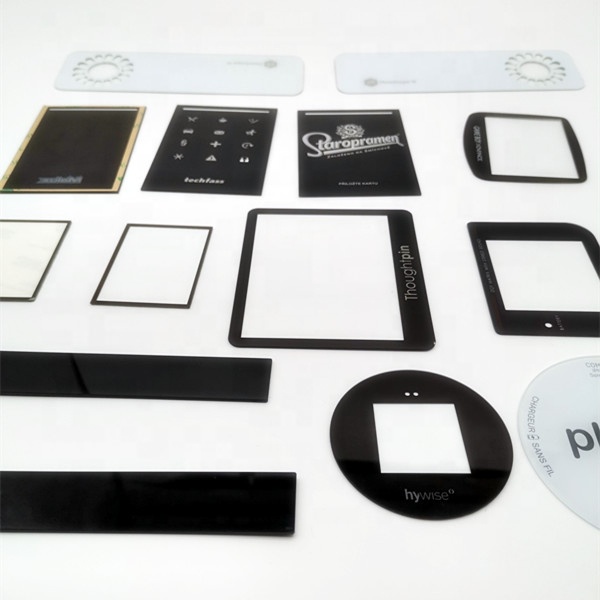
Back Painted Tempered Glass Led Glass Panel Cover Glass
Opaque back-painted tempered glass for clean LED windows, equipment bezels and display covers where light control and surface durability matter.

Custom 0.2mm 0.3mm 0.4mm 0.5mm 0.7mm 1mm Alkali Free Borosilicate AF32 Glass
Low-alkali, low-CTE borosilicate glass for wafer-level packaging, optical windows and insulating layers where dimensional stability is critical.
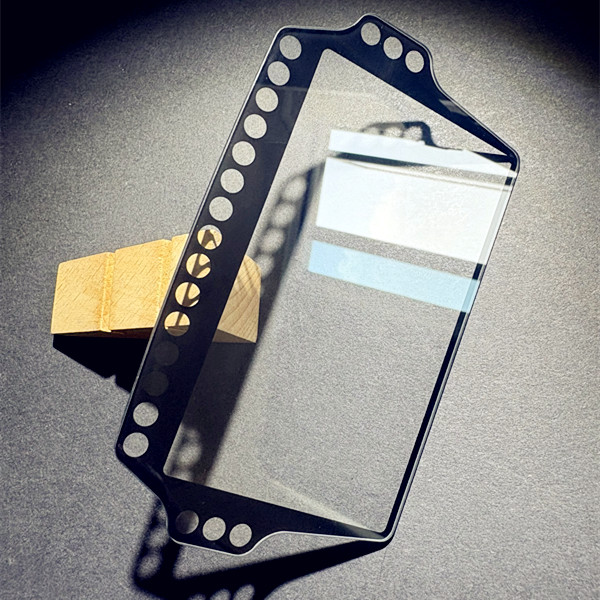
Factory Custom Tempered Silk Printed Gorilla Glass Screen Protector Printing Glass
Chemically strengthened glass with crisp borders, logos and windows for protective display lenses and human-machine interfaces.
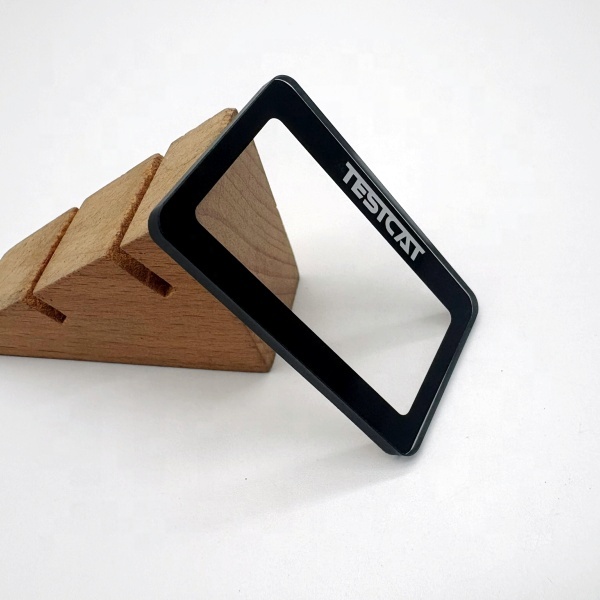
Custom Gorilla Glass Panel Tempered Glass Display Window Silk Screen Printing for LCD Display
Optically clean cover panels for LCD displays, instrumentation and control rooms, supplied with custom outlines and printed masking areas.
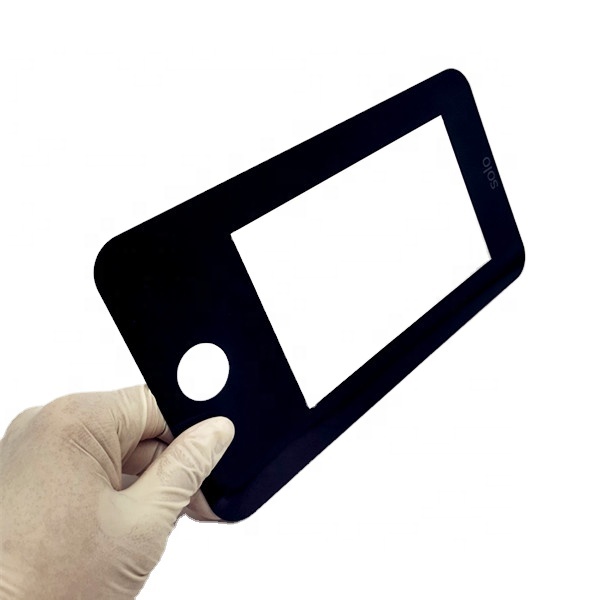
Manufacturer Oem Wholesale Custom Unbreakable Tempered Glass,high Quality Tempered Glass,low Iron Tempered Glass Manufacturer
Low-iron tempered glass for high-clarity windows, protective panels and equipment enclosures requiring strength without green edge tint.

1.5mm 2mm Tempered Glass Thickness Touch Switch Glass Plate
Touch-switch plates with consistent thickness, edge finishing and print options for appliances, lab instruments and smart controls.
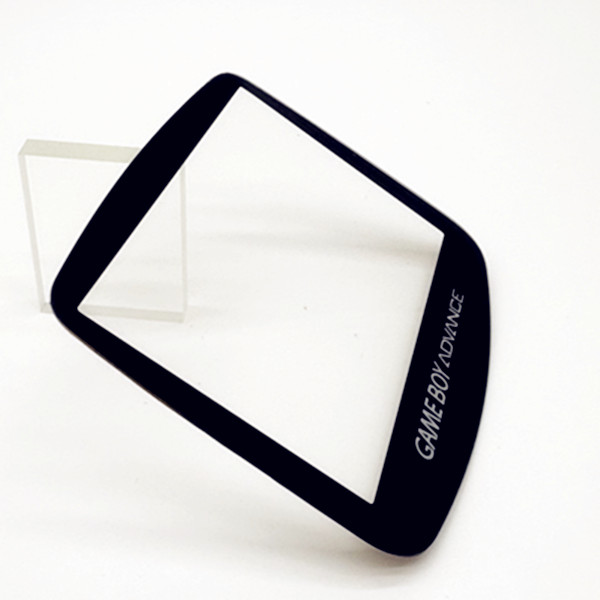
Custom Premium Gorilla Tempered Silk Screen Printed Glass Touch Screen Printed Glass Panels Cover Glass for OLED Screen
Premium printed cover glass for OLED interfaces, combining scratch resistance, precise ink registration and clean optical apertures.
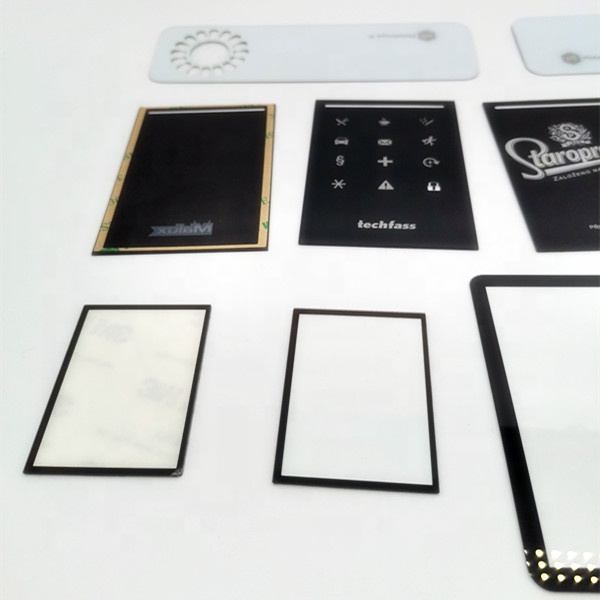
Custom Corning Gorilla Tempered Glass Silk Screen Printing for Touch Screen
Printed touch-screen glass for rugged interfaces, kiosks and industrial controls, with drawing-based cutting and edge treatment.
Why Denver Wafer Bonding Teams Need More Than a Glass Sheet
Wafer bonding projects rarely fail because one number is missing from a datasheet. They fail when the substrate, edge quality, cleanliness, thermal expansion, coating and packing do not behave as one system. For a Denver R&D group moving from a prototype to a pilot line, the glass must not only bond; it must repeat across wafers, lots and supplier shipments.
Fevry Glass Co., Ltd. manufactures and exports custom technical glass from Xinyu, Jiangxi, China, for optical, biological, semiconductor, communications, lighting and electronics customers. For wafer bonding, anodic bonding, glass-frit sealing, adhesive bonding and wafer-level optical packaging, we help engineering teams match borosilicate 3.3, AF32, Corning® Eagle XG, Gorilla®-type glass, low-iron tempered glass and ultra-thin chemically strengthened glass to the actual process window.
Denver-area buyers often compare local fast-turn prototype support with a qualified export partner for repeat production. A useful sourcing strategy is to keep drawing review, sample validation and small-lot engineering builds close to the design team, while selecting a glass manufacturer that can hold tolerances, document material sources and pack fragile thin glass for the Denver freight route. That is the practical gap Fevry Glass is built to close.
| Substrate | Typical Thickness | CTE (×10⁻⁶/K) | Bonding / Application Fit | Engineering Note |
|---|---|---|---|---|
| Borosilicate 3.3 | 0.3–3.3 mm | ≈3.3 | Anodic bonding, lighting windows, lab glass, heat-resistant covers | Excellent thermal-shock resistance; final ionic behavior depends on glass composition and bonding recipe. |
| AF32 alkali-free borosilicate | 0.2–1 mm | ≈3.2 | Wafer-level packaging, optical windows, insulating substrates | Low alkali content supports stable electrical and optical performance in precision devices. |
| Corning® Eagle XG | 0.5–1.1 mm | ≈3.2 | Biochips, wafers, PLC substrates, micro-optics | Fusion-formed flatness and dimensional stability support micro-patterning and bonding. |
| Gorilla®-type strengthened glass | 0.4–2 mm | ≈7.5–8.5 | Touch screens, display covers, protective windows | Ion-exchange strengthening improves scratch resistance; cutting and printing must precede strengthening. |
| Low-iron / ultra-clear soda-lime | 0.5–4 mm | ≈9.0 | AR panels, printed windows, LED covers | High clarity and cost efficiency; choose carefully when CTE mismatch or high thermal shock is present. |
| Ultra-thin chemically strengthened glass | 0.15–2 mm | Base-glass dependent | Sensor covers, thin protectors, compact optical modules | Ion exchange increases surface strength while keeping the sheet flat and optically clean. |
Data are typical selection values. Final CTE, transmission, surface quality, tolerance and bonding compatibility must be confirmed against the glass manufacturer datasheet, your drawing and your bonding process validation.
Drawing Checklist for a Faster Wafer Bonding Quote
- 2D drawing in DWG, DXF or PDF with outline and tolerances
- Glass material, thickness and edge finish
- Hole, notch, slot and optical-window positions
- Print colors with Pantone references if printed
- AR coating side(s), dichroic coating or other optical layers
- Strengthening method: thermal or chemical ion exchange
- Application, bonding method and expected annual volume
- Cleanroom, packing and export documentation requirements
Where Wafer Bonding and Precision Glass Support Denver Manufacturing
From Denver and Aurora to Boulder, Golden, Lakewood, Centennial and Fort Collins, engineering teams are building devices that depend on stable glass interfaces, clean surfaces and reliable supplier documentation.
MEMS, Sensors & Aerospace Instrumentation
Borosilicate and AF32 substrates for sensor caps, insulating layers, optical windows and rugged instrument glass used in Colorado aerospace and advanced manufacturing programs.
Photonics, Quantum & Optical Communications
Eagle XG and low-CTE borosilicate glass for PLC substrates, optical alignment, micro-optics and wafer-level photonic packaging where flatness and dimensional stability matter.
Biochips, Microfluidics & Life Science
Alkali-free Eagle XG, borosilicate sheets and ultra-clear glass for biochip substrates, analyzer windows, microfluidic covers and laboratory instrument components.
Displays, Touch Interfaces & Equipment Windows
Printed Gorilla®-type glass, tempered touch plates and back-painted LED covers for lab equipment, control panels, kiosks and smart-building interfaces.
Three Procurement Trends Shaping Denver Wafer Bonding Supply
Denver sourcing teams are balancing speed, technical depth and supply-chain resilience. These trends are visible across the Front Range innovation corridor and should shape how you evaluate a glass manufacturer.
Dual Sourcing for Supply Resilience
US teams increasingly keep one domestic or regional partner for rapid prototyping and a qualified export manufacturer for repeat production. They ask for material traceability, repeatable CTE, lot consistency and packaging suitable for international freight.
Prototype-to-Production Continuity
Colorado R&D groups often need a small sample batch first, then 300–500 pieces or more after design freeze. A supplier that can support drawing review, samples, print-color matching and scale-up reduces re-qualification risk.
Cleanliness and Edge Quality Drive Yield
Bonding yield is sensitive to particles, chips, micro-cracks and edge damage. Denver engineers are asking for inspected edges, clean packing, video evidence and clear specifications before glass enters a bonding tool.
Fevry Glass Advantages for Denver Buyers
Our role is to make the glass portion of your project less fragmented: material sourcing, cutting, strengthening, coating, printing, inspection and export packing under one accountable engineering team.
Traceable Raw Glass Sources
We source raw glass from Corning, AGC and other multinational producers and work closely with established Chinese optical-glass makers such as Chengdu Guangming and Xinhuguang, supporting consistent material selection.
In-House Precision Machining
Laser, ultrasonic and CNC carving, cutting, drilling and edge grinding are supported by equipment imported from the USA, Germany and Japan for custom outlines, holes, notches and slots.
Strengthening and Optical Coating
Thermal tempering, chemical ion-exchange strengthening, AR coating on one or both sides, dichroic coating and optical filter processing can be quoted around the same drawing.
Silk Printing and Back Painting
Pantone-matched borders, logos, icon windows, black or white back painting and IR-transparent ink areas can be applied to display covers, touch plates and LED panels.
Inspection and Export Packing
Size, thickness, flatness and visual checks are completed before interleaved, cushioned packing designed for fragile thin glass shipped to Denver and other US destinations.
Verified Export Record
Our supplier profile shows 10+ years as an Alibaba.com member, ≤4 h average response time, 100% inquiry response, a 5.0/5 buyer rating and service to 7+ export regions, including the United States.
Our guiding principle remains “Quality is superior, service is supreme, reputation is first”, and our motto is “Your success, our glory.” Denver engineering teams can review our company profile, supplier assessment, ratings, trade capacity and trade history before releasing production.
From Denver Drawing to Export-Ready Glass
A clear process reduces engineering loops, protects bonding yield and keeps procurement teams informed from sample approval to delivery planning.
Share the Drawing
Send dimensions, tolerances, material, thickness, coating side, print colors, application and annual volume.
Engineering Review
We confirm manufacturability and recommend substrate, edge finish, strengthening method and coating route.
Sample Approval
Sample glass validates fit, optical performance, print registration, edge quality and packing expectations.
Production and Inspection
Production is checked for dimensions, appearance and agreed specifications before final packing.
Export Packing
Fragile glass is interleaved and cushioned for international freight to Denver, with export documentation support.
Questions Denver Buyers Ask Before Requesting a Wafer Bonding Glass Quote
These are the practical questions we hear from US engineering and sourcing teams evaluating a custom glass manufacturer for wafer bonding, optical packaging and display-interface projects.
Can Fevry Glass supply glass wafers and substrates for anodic bonding or glass-frit bonding?
We supply borosilicate 3.3, AF32, Eagle XG and other technical glass substrates processed to drawing. Material choice depends on your bonding method, device physics, CTE target and process temperature. Sodium-containing borosilicate is often evaluated for anodic bonding, while alkali-free Eagle XG is selected where mobile ions must be minimized. Final approval should always follow your own bonding trial.
What is the minimum order quantity for custom glass parts?
Most custom cover glass and AR glass items start from 300–500 pieces. Custom-cut Eagle XG parts may start from 1,000 pieces, while selected dichroic gobo glass can start from 10 pieces. Samples can be arranged to validate fit and optical performance before mass production.
What information should a Denver team send for a fast quotation?
Send a 2D drawing in DWG, DXF or PDF with outline dimensions and tolerances, thickness, glass material, edge finish, hole and notch positions, strengthening method, Pantone print references, AR coating side or optical coating details, application and annual quantity. Complete information lets our engineers return a firm recommendation with fewer review rounds.
How is fragile thin glass packed for shipment to Denver?
Glass is interleaved, cushioned and packed to reduce edge impact and surface abrasion during international freight. For thin wafers, optical parts and printed cover glass, packing requirements are confirmed during quotation. We can coordinate air or sea shipment and provide the commercial documents normally required by US importers.
Can you combine AR coating, silk printing and tempered or chemically strengthened glass?
Yes. Projects often combine cutting, edge grinding, silk-screen printing, AR coating and thermal tempering or chemical strengthening. The exact process sequence matters: printing, cutting and edge finishing generally must be completed before final strengthening, and coating requirements should be defined by application, transmission target and environmental exposure.
Which markets do you already export to, and is Denver covered?
Besides customers in China, Fevry Glass exports to Western Europe, the United States, Japan, South Korea, Taiwan, Hong Kong and Southeast Asia. Denver and the wider Colorado Front Range can be supported through our existing US export experience, with freight and packing quoted according to glass size, thickness, quantity and delivery schedule.
Request a Wafer Bonding Glass Catalog for Your Denver Project
Send your drawing, substrate preference, thickness, coating or printing requirements and annual demand. Our engineering and export team can recommend a practical glass route, confirm sample options and prepare an export-ready quotation.
Corning®, Gorilla® and Eagle XG® are trademarks of Corning Incorporated, used for material identification only. Specifications are confirmed against the manufacturer datasheet and the approved customer drawing before production.