Top Trusted Vacuum Coating Manufacturers & Exporter serving El Paso
A technical sourcing guide for OEMs, integrators and procurement teams seeking AR-coated, dichroic, printed and strengthened glass components for the El Paso–Juárez Borderplex.
What El Paso Buyers Usually Mean by “Vacuum Coating Manufacturer”
El Paso is not a generic search market. It is a border manufacturing market where engineers, contract manufacturers and procurement teams often need more than a coating service. They need a supplier who can interpret a drawing, select the right glass substrate, control the strengthening sequence, apply vacuum-deposited thin films, print graphics, inspect the finished part and pack fragile glass for cross-border freight.
That is why the phrase vacuum coating manufacturers and exporter serving El Paso should be evaluated as a total process question, not a price-per-square-meter question. A low coating quote can become expensive if the substrate is wrong, the edge finish is inconsistent, the print registration drifts or the packaging fails after a long logistics chain.
Fevry Glass Co., Ltd. is a China-based specialty glass supplier working with global OEM buyers. For El Paso projects, our role is to provide factory-direct custom glass, vacuum-coated optical glass and technical support from drawing review through export packing. Our work is built around the principle that quality, service and reputation must be engineered together.
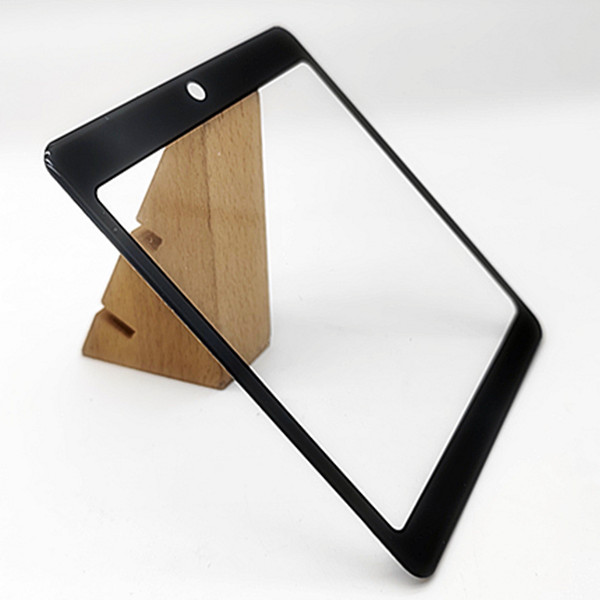
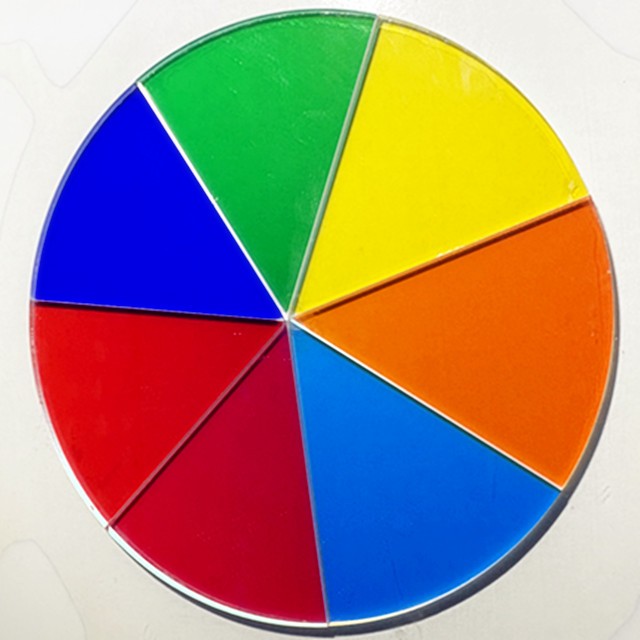
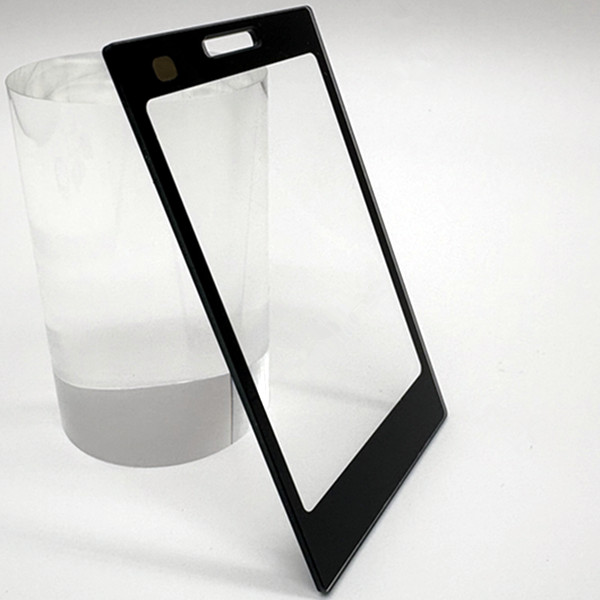
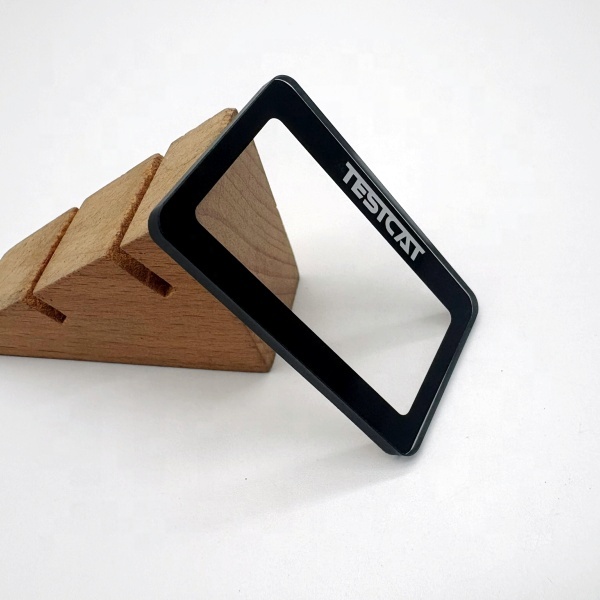
8 Custom Glass Products for Vacuum-Coated and Precision Applications
These platforms cover the most common requests from electronics, lighting, medical, optical and industrial buyers. Each product can be reviewed against your drawing, coating requirement, print color, thickness, tolerance and annual volume.




Vacuum Coating and Glass Finishing: Where Quality Is Actually Won
Vacuum coating is often described as a single service, but the purchasing decision is an interface decision. The coating must match the substrate, the environmental exposure, the optical target, the print design, the strengthening method and the handling protocol. When one of those interfaces is left undefined, the buyer may see transmission drift, color shift, delamination risk, edge chips or assembly rejects after the parts arrive.
In practical terms, AR-coated glass, dichroic glass, optical filter glass and gobo glass all depend on thin-film vacuum deposition. The difference is the performance target. AR coating is usually specified to reduce surface reflection and increase transmission. Dichroic coating is specified for selective reflection and color separation. Optical filter coating is specified for a wavelength band. Gobo glass is specified for heat resistance, pattern quality and stable color under high-lumen lighting. Each target changes the substrate choice and the inspection plan.
For El Paso buyers, the most useful first step is not to ask for a generic “vacuum coating” quote. It is to define the substrate, coating stack, coated side, treatment sequence and acceptance criteria. That information allows a manufacturer to separate what is possible from what is merely inexpensive. It also reduces the risk of a sample that looks correct on a desk but fails in a real assembly, outdoor environment or long cross-border shipment.
Substrate–coating fit
AR, dichroic and filter coatings behave differently on soda-lime, borosilicate, Gorilla and Eagle XG glass. The substrate’s refractive index, flatness, CTE and surface quality affect both the optical result and the process window.
Print and coating registration
When a panel has a printed border, icon window or logo, the coating and print layers must be specified together. Print color, ink thickness and AR-coated side can change the visual result, especially under strong daylight.
Sequence and handling
Cutting, drilling, edge grinding, strengthening, coating, printing and final inspection must be sequenced correctly. Once glass is strengthened, it cannot be re-cut without losing the intended stress profile.
| Material | Typical thickness | CTE (×10⁻⁶/K) | Best-fit application |
|---|---|---|---|
| Ultra-clear soda-lime | 0.5–4 mm | ≈9.0 | Cover glass, AR panels, printed windows and general display protection |
| Gorilla (alkali-aluminosilicate) | 0.4–2 mm | ≈7.5–8.5 | Scratch-resistant touch covers, LCD windows and handheld electronics |
| Borosilicate 3.3 | 0.3–3.3 mm | 3.3 | Heat-resistant windows, gobo blanks, laboratory and instrument glass |
| Corning Eagle XG | 0.5–1.1 mm | ≈3.2 | Biochips, analyzer filters, wafers, PLC and micro-optics |
| Chemically strengthened thin glass | 0.15–2 mm | Base-glass dependent | Ultra-thin protectors, sensor covers and compact display stacks |


Why El Paso Procurement Teams Shortlist Fevry Glass
Fevry Glass Co., Ltd. is based in Xinyu, Jiangxi, China. We work with optical, biological, semiconductor, communications, lighting and electronics customers, and we help engineers choose the right substrate before committing to a finished part. Our raw-glass sourcing includes Corning, AGC and established Chinese optical-glass makers such as Chengdu Guangming and Xinhuguang, so projects can start from traceable, consistent material.
Our processing covers laser, ultrasonic, CNC carving, grinding, strengthening, coating, printing and inspection. We also understand the commercial side of export projects: drawing review, sample approval, production checkpoints, interleaved packing and documentation for fragile glass shipments. Our guiding principle is “Quality is superior, service is supreme, reputation is first”, and our motto is “Your success, our glory”.
Where Vacuum-Coated and Custom Glass Performs in the Borderplex
The El Paso–Juárez manufacturing corridor brings together electronics, medical devices, aerospace suppliers, automotive production, lighting companies and cross-border logistics. Each environment places different demands on glass, coating and printing.
Displays and electronics
AR-coated cover glass, black printed touch panels, LCD windows and smart-home control glass for electronics assembly and HMI products.
Medical and diagnostics
Eagle XG substrates, analyzer filter glass and high-clarity windows for diagnostic instruments, laboratory equipment and medical device components.
Optics and photonics
AR windows, dichroic mirrors, optical filters and glass wafers for imaging, sensing, laser systems and optical communication modules.
Automotive and EV supply chains
Tempered dashboard trim panels, display cover glass, printed borders and durable windows for vehicle electronics and charging interfaces.
Aerospace and defense support
Durable optical windows, filter glass and precision-cut substrates for suppliers that require stable dimensions and documented material selection.
Stage, architectural and LED lighting
Dichroic gobo glass, heat-resistant borosilicate blanks, color filters and LED cover glass for entertainment, architectural and commercial lighting.
What Is Changing for Glass Buyers in El Paso and the Borderplex
Procurement expectations are shifting as manufacturing becomes more regional, more technical and more sensitive to lead-time risk. The suppliers that win repeat business are not always the lowest-cost bidders; they are the ones that make specifications clearer and delivery more predictable.
Nearshoring raises documentation standards
US and Mexico production teams increasingly expect drawing-based quotes, traceable material choices, sample approval records and consistent inspection criteria.
Sunlight and heat drive AR demand
El Paso’s high-brightness environment makes reflection control important for outdoor displays, kiosks, instruments and architectural interfaces.
Thinner devices need stronger glass
Demand is growing for 0.15–2 mm chemically strengthened glass that stays flat and optically clean while surviving handling and assembly.
Optical applications need tighter tolerances
Medical, photonics and lighting teams are asking for more precise thickness, flatness, edge quality, coating side control and color consistency.
A Practical 5-Step RFQ Path for Vacuum-Coated Glass
A complete RFQ shortens the evaluation cycle and protects both sides from costly assumptions. The goal is to move from a general request to an approved specification that can be manufactured, inspected and shipped repeatably.
Define performance
State the optical target, wavelength range, transmission, reflection color, environmental exposure and coated side.
Freeze the drawing
Provide outline, thickness, tolerances, holes, notches, edge finish, print artwork and Pantone references.
Confirm sequence
Agree whether strengthening, coating, printing and inspection occur before or after each process step.
Approve a sample
Validate fit, appearance, print registration, optical performance and packing method before mass production.
Plan export delivery
Confirm MOQ, lead time, Incoterms, packing protection and documentation for cross-border freight.
Information gain for buyers: a supplier scorecard should compare engineering feedback quality, process control, material traceability, sample discipline, packaging method and response speed — not only unit price.
Common Purchasing Questions from El Paso Glass Buyers
These are the practical questions that arise when an engineering team compares vacuum coating manufacturers and exporters for a Borderplex program.
What does “vacuum coating” mean for a custom glass part?
In this context, vacuum coating refers to thin-film deposition used to modify the optical or surface performance of glass. Common examples include anti-reflective coatings for displays and windows, dichroic coatings for color separation, optical filter coatings and reflective gobo coatings. The coating is not chosen in isolation. Substrate, coating side, print layers, strengthening sequence and handling all affect the final result. A clear vacuum coating RFQ should therefore define performance and process sequence, not only the coating name.
Which product should an El Paso buyer choose for bright outdoor displays?
For high-brightness environments, an AR-coated cover glass is usually the starting point. The specification should include target transmission, reflection color, coating side and environmental durability. If the display has a printed border, the design should be reviewed together with the AR coating because print contrast and color appearance can change under strong sunlight. For handheld or rough-use products, a strengthened substrate such as Gorilla glass may be preferred; for larger or thicker panels, tempered ultra-clear glass may be more suitable.
Can you match Pantone print colors and AR coating on the same panel?
Yes, printed and coated glass projects can be developed together, but the sequence matters. The print color, ink opacity, coated side and glass substrate all influence the final appearance. Buyers should provide Pantone references, artwork, window dimensions and the intended viewing environment. A sample is strongly recommended because a printed black border, for example, may look different on clear glass, ultra-clear glass or glass with an AR coating.
How do I choose between chemically strengthened and thermally tempered glass?
Thermal tempering is generally used for thicker glass, often around 3 mm and above, where impact resistance and fragment behavior are important. Chemical strengthening is often used for thin cover glass from 0.15 mm to about 2 mm, because it raises surface strength while maintaining flatness and optical clarity. In both cases, cutting, drilling and edge grinding must be completed before strengthening. After strengthening, the glass should not be re-cut, so the drawing and process plan must be correct at the start.
What are typical MOQs and sample steps?
Many custom cover glass and AR glass items start from 300–500 pieces. Some custom-cut Eagle XG parts may start from 1,000 pieces, while selected gobo glass blanks can start from 10 pieces. MOQ depends on material, size, coating, printing, strengthening and packing. Samples can be arranged to validate fit, appearance and optical performance before mass production. For first-time El Paso buyers, it is often useful to separate sample validation from production planning so the approval step is not rushed.
What information should I send for a fast quote?
Send a 2D drawing in DWG, DXF or PDF with outline dimensions and tolerances, thickness, glass material, edge finish, hole and notch positions, strengthening method, print colors with Pantone references, AR coating side or sides, end application and expected annual quantity. If the part is optically critical, include the wavelength range and acceptance target. If the part is printed, include artwork and window dimensions. Complete information lets engineering respond with a practical recommendation in fewer rounds.
How do you pack and ship fragile glass to El Paso or Santa Teresa?
Thin, printed and coated glass requires interleaved protection, edge protection, cushioned separators and outer cartons suitable for international freight. The packing method should match the part size, surface finish, print side and quantity per pack. For El Paso and Santa Teresa logistics, buyers should confirm Incoterms, destination, receiving requirements and whether the shipment will cross the border by truck, air or parcel service. A robust packing plan is part of the product specification, not an afterthought.
Which markets does Fevry Glass export to, and can you support Borderplex programs?
Fevry Glass serves customers in China and exports to Western Europe, the United States, Japan, South Korea, Taiwan, Hong Kong and Southeast Asia. For El Paso and the wider Borderplex, we support US and Mexico manufacturing programs through factory-direct custom glass, drawing-based engineering, export packing and documentation. We do not present ourselves as a local El Paso coating shop; our strength is custom glass manufacturing and vacuum-coated optical finishing with export-ready communication for North American buyers.
Ready to Compare Vacuum-Coated Glass Specifications for Your El Paso Project?
Send your drawing, coating target, print artwork, material preference and annual volume. Our team can review manufacturability, recommend a substrate and outline the sample-to-production path. For buyers in El Paso, Santa Teresa and Ciudad Juárez, clear specifications are the fastest route to a reliable quote.
Get Catalog