8 Glass Products for Munich Bonding, Display and Optical Projects
Munich buyers rarely purchase glass by thickness alone. They compare substrates by bonding route, CTE, flatness, coating, print registration, edge quality and export reliability. The eight products below cover the fast-moving lines requested by display, automotive, lighting, sensor and wafer-adjacent buyers. For a wafer-specific enquiry, send the drawing and bonding method so the material can be reviewed against your process window.
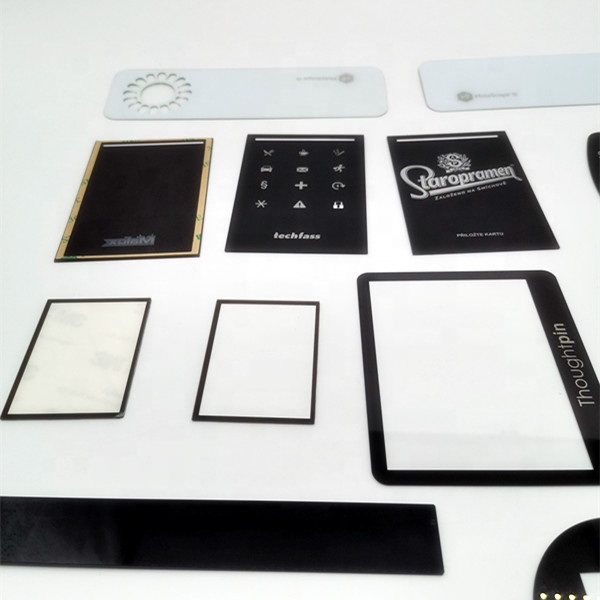
Custom Display Screen Silk Screen Printing Tempered Gorilla Glass
A tempered Gorilla glass cover with silk-screened graphics, windows and borders for HMI, instrument and industrial display stacks. For optical bonding, confirm ink chemistry, coating side, flatness and edge quality before release.
View product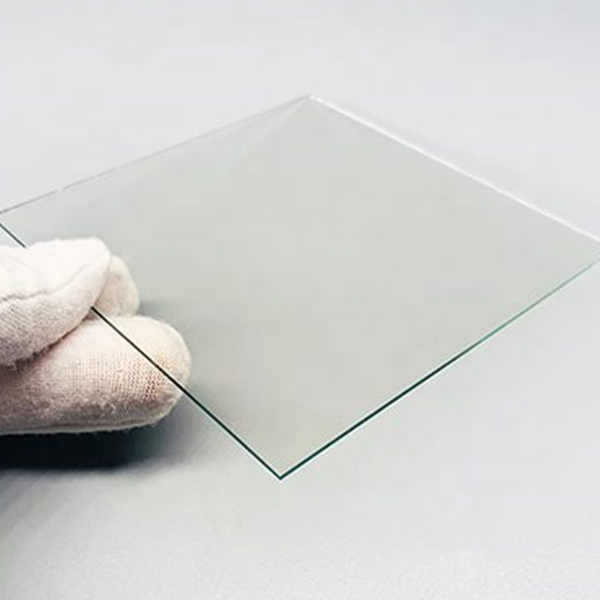
Ito Conducting Glass, Ito Coated Glass, Ito Glass
ITO-coated glass for touch sensors, transparent electrodes and display-related stacks. Sheet resistance, coating thickness, annealing and cut-edge quality should be fixed in the RFQ; bonding engineers should confirm adhesive or fusion compatibility.
View product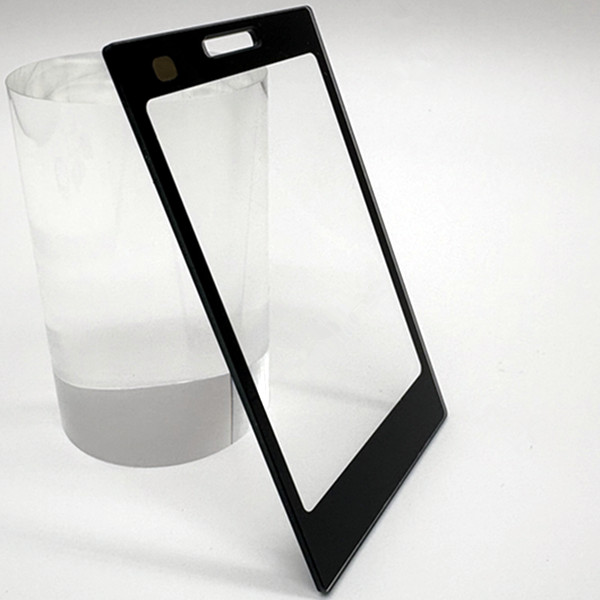
Factory Customized Black Glass Panel Silk Screen for Display Touch Electronic Glass
Black printed display glass with a touch window and customized outline. Munich automotive and smart-building teams use this format for control panels, dashboard trims and embedded displays where clean borders and reliable strengthening matter.
View product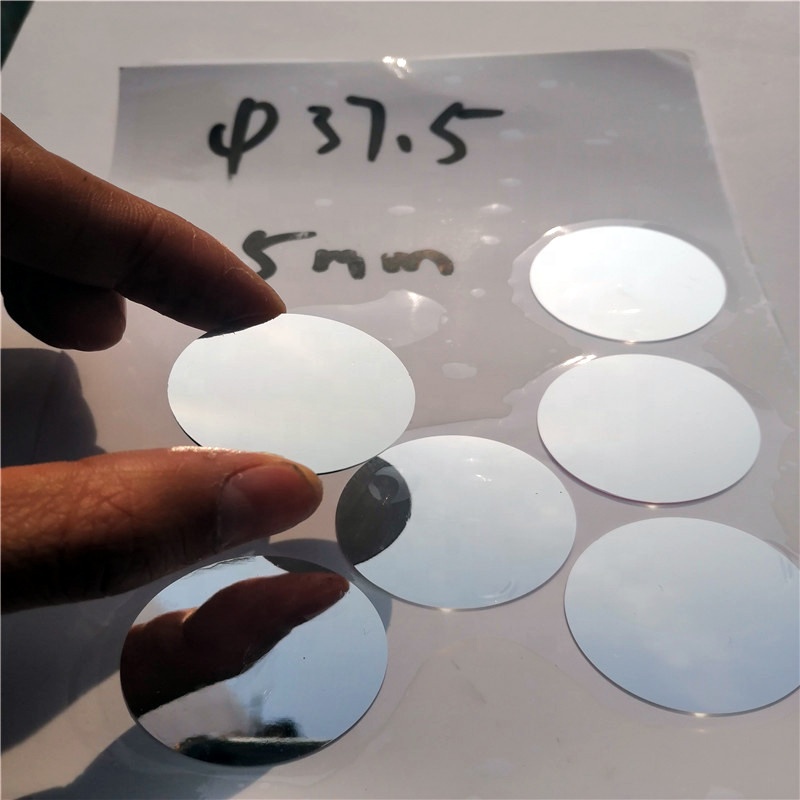
OEM Custom Heat Resistant Gobo Glass Lens
Heat-resistant gobo lens glass for stage, studio and architectural lighting. It is not a wafer-bonding part, but it demonstrates the same thermal, coating and precision-cutting disciplines required by optical supply chains in Bavaria.
View product
0.5mm 0.7mm 1mm 2mm 3mm Thickness China Suppliers Good Price Oem Wholesale Premium Tempered Printing Custom Gorilla Glass Screen
Thin Gorilla and tempered glass from 0.5 mm upward for protective display covers and premium front panels. Specification focus: thickness, edge quality, print color, impact target and whether the part will be optically bonded.
View product
Custom 0.3mm 0.5mm 0.7mm Heat Resistant Gobo Glass Blanks for Projector
Heat-resistant gobo blanks for projectors and lighting systems, supplied in 0.3, 0.5 and 0.7 mm formats. Buyers should define transmission, thermal load, coating and flatness so the blank remains stable in high-output fixtures.
View product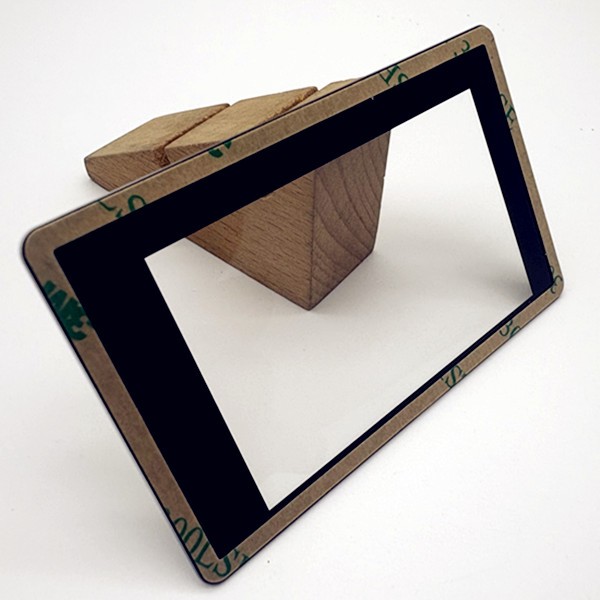
Custom Tempered Glass Dashboard Trim Panel Flat Electronic Glass Screen Protector
A flat tempered dashboard trim and screen protector for automotive electronics. The part is usually bonded with OCA/OCR or a frame adhesive, so surface flatness, print registration and distortion after strengthening are key review points.
View product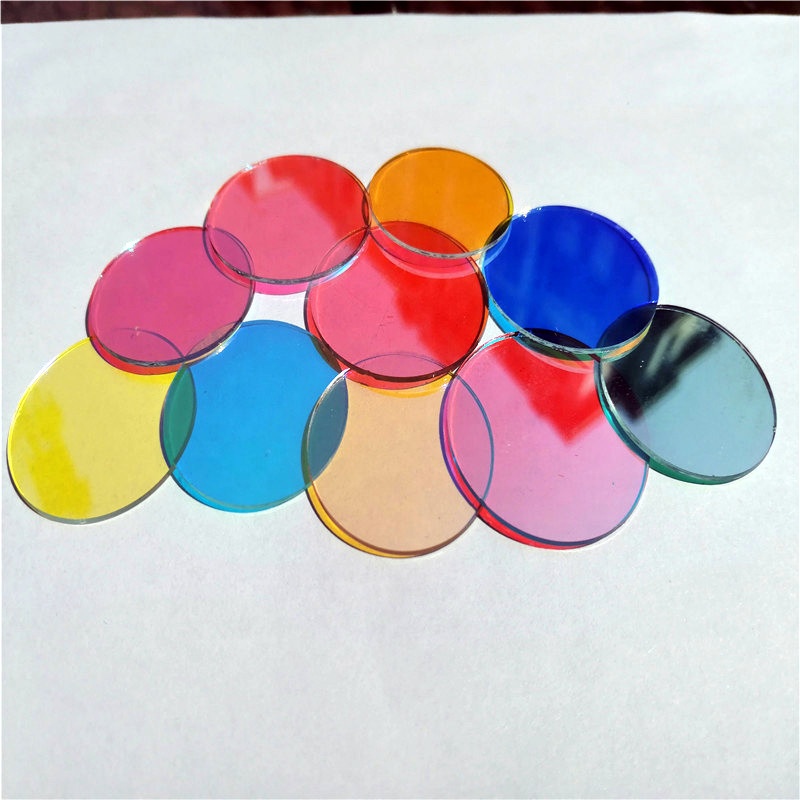
Customize logo Color Glass Gobo Glass
Customized color glass gobo with logo printing for branded lighting and projected effects. Munich event, retail and architectural lighting teams value repeatable color, edge finish and heat resistance.
View productNeed a wafer rather than a cover glass? Send the drawing for Corning Eagle XG, borosilicate 3.3, ultra-thin strengthened glass, AR/ITO coating or wafer cleaning and packing review.
Get a QuoteWhy Glass Wafer Bonding Is a Supply-Chain Decision, Not a Catalogue Item
Munich’s strength is the overlap of semiconductor engineering, automotive electronics, industrial sensing, photonics, quantum research, medtech and premium lighting. That combination creates demand for substrates that can survive a process, not simply a photo.
For a Munich design team, a glass wafer is often an interface between a device and a bonding route. Anodic bonding, fusion bonding and adhesive bonding place different demands on CTE, flatness, surface roughness, ionic content, edge quality and particle cleanliness. A lower price per sheet can become expensive if the lot fails first-article inspection or drifts during thermal cycling.
Fevry Glass Co., Ltd. is a specialty glass export manufacturer based in Xinyu, Jiangxi, China. We do not claim a Munich warehouse or local stock. Our model is to review drawings with engineering and sourcing teams, source traceable raw glass from producers such as Corning, AGC, Chengdu Guangming and Xinhuguang, process it on laser, ultrasonic, CNC, grinding and inspection equipment imported from the USA, Germany and Japan, and then prepare export packing for the destination.
The right comparison for Munich procurement is therefore qualified total cost: sample cycle, technical response, material traceability, specification control, coating and print repeatability, documentation, packing and freight. A trusted exporter should make those points visible before price is finalised.
Local engineering, global material choice
Munich teams often need a material that fits an existing bonding recipe. Borosilicate 3.3, Eagle XG, soda-lime, Gorilla and chemically strengthened thin glass each solve a different problem.
Export documentation matters earlier
EU customs, HS classification, commercial invoice, packing list, origin and material declarations should be discussed before the first shipment, especially for coated or printed glass.
Clean packing is part of the specification
Wafers and thin glass can be damaged by edge contact, pressure, moisture or particle transfer. Interleaving, wafer carriers, desiccant and reinforced cartons should be agreed with the sample.
Where Munich and Bavaria Teams Use Bonding-Grade Glass
These are practical application clusters, not generic industry lists. Each one changes the way glass should be specified, packed and qualified.
Semiconductor & MEMS
Glass carrier wafers, cap wafers, interposers and bond alignment windows for R&D and small-series production. Low-CTE Eagle XG and borosilicate 3.3 reduce thermal mismatch with silicon when specified correctly.
Photonics & Quantum
Optical flats, AR-coated windows, PLC substrates and low-fluorescence glass for photonic packages and laboratory systems. Surface quality and flatness often matter more than headline transmission.
Automotive HMI
Dashboard trim, display cover glass and printed touch panels for Munich’s automotive ecosystem. Consider OCA/OCR bonding, print windows, anti-glare and impact requirements together rather than separately.
Medtech & Life Science
Biochip substrates, analyzer filter glass and flat inspection windows. Alkali-free Eagle XG is often selected for bio-assay and micro-patterning where ionic contamination is a concern.
Industrial Sensing
Wafer-level sensor lids, measurement windows and ITO glass for touch or electrode functions. Clean edges and controlled flatness support automated assembly and adhesive bonding.
Lighting & Projection
Heat-resistant gobo, dichroic and projector blanks for stage, studio and architectural lighting. Thermal shock, coating stability and repeatable color drive material selection.
Four Localized Trends Reshaping Glass Wafer Sourcing
Buyer expectations in Munich are moving toward earlier technical review, stronger documentation and more flexible customization — often before a purchase order exists.
EU Chips Act and second-source discipline
Munich buyers increasingly ask for material certificates, lot traceability, CTE and TTV data, not just a product photo. A second source is evaluated on documentation and process control as much as price.
High-mix, low-volume customization
Prototype wafers, custom outlines and small lots are growing alongside mass production. Fast drawing review and an efficient sample loop reduce engineering delay for Munich R&D teams.
Bonding-first design
Teams now specify CTE, roughness, bow, edge profile and coating earlier. Anodic bonding needs mobile ions; fusion bonding needs ultra-clean roughness; adhesive bonding needs surface-energy control.
Local support without local inventory
DAP Munich, DDP by arrangement, EU customs documents, clean packing and English technical response are becoming the baseline for direct export. Local stock is useful, but it is not the only model.
Matching Glass Wafers to Anodic, Fusion and Adhesive Bonding
Glass wafer bonding is a process family, not one specification. The substrate should be selected after the bonding method, mating material and thermal budget are understood.
Anodic bonding
In anodic bonding, a glass wafer containing mobile alkali ions is pressed against silicon or a compatible metal at elevated temperature and voltage. The ions migrate, forming a chemical bond at the interface. This route is widely used for sensor caps and microfluidic devices, but it is sensitive to glass composition, surface flatness and thermal expansion match.
Fusion bonding
Fusion bonding joins two ultra-clean, smooth surfaces and strengthens the interface with thermal treatment. It is highly sensitive to roughness, particles, bow and surface chemistry. Alkali-free Eagle XG is often considered for fusion or adhesive routes because it combines low thermal expansion with good flatness and dimensional stability.
Adhesive bonding
Adhesive bonding uses OCA, OCR, epoxy or other polymers to join dissimilar materials when temperature or CTE limits rule out direct bonding. For display and automotive HMI projects, the glass specification must consider print ink, coating, outgassing, flatness and bond-line uniformity together.
Material selection caveat
Borosilicate 3.3 is commonly evaluated for anodic bonding because its CTE is about 3.3 × 10⁻⁶/K and it resists thermal shock. Corning Eagle XG is an alkali-free boro-aluminosilicate glass valued for low expansion and flatness in biochips, wafers and PLC substrates; its alkali-free composition is better aligned with fusion or adhesive routes rather than classic anodic bonding. Soda-lime and Gorilla glass may be right for cover glass and displays, but they are not automatically wafer-bonding materials.
- Define thickness tolerance, TTV, bow, warp and flatness with the measurement method.
- Specify surface roughness Ra and cleaning level before bonding trials.
- Confirm CTE relative to the mating wafer, not only the glass datasheet value.
- Agree coating side, ink system, via quality, edge profile and packing method.
| Material | Typical thickness | CTE (×10⁻⁶/K) | Bonding note |
|---|---|---|---|
| Borosilicate 3.3 | 0.3–3.3 mm | 3.3 | Anodic bonding candidate; heat and chemical resistant. |
| Corning Eagle XG | 0.5–1.1 mm | ≈3.2 | Alkali-free; fusion/adhesive; biochips, PLC and wafers. |
| Ultra-clear soda-lime | 0.5–4 mm | ≈9.0 | Cover glass and displays; not ideal for low-CTE wafer bonding. |
| Gorilla / alkali-aluminosilicate | 0.4–2 mm | ≈7.5–8.5 | Strengthened cover glass; adhesive or OCA bonding. |
| Chemically strengthened thin glass | 0.15–2 mm | Base dependent | Ultra-thin covers; process window must be reviewed. |
Values are typical industry figures for preliminary selection. Final specifications must be confirmed against the manufacturer datasheet, drawing and bonding process.
Typical CTE comparison
Lower CTE is not automatically better. Match the glass to the mating material and bonding temperature so the assembly remains stable through cooling and thermal cycling.
Fevry Glass: Direct Export Support for Munich Procurement Teams
Fevry Glass Co., Ltd. combines specialty-glass sourcing, cut-to-drawing processing and export communication for optical, biotech, semiconductor, communications, lighting and electronics customers.

Our operating principle — “Quality is superior, service is supreme, reputation is first” — and our motto “Your success, our glory” shape the way projects are reviewed. Raw glass is sourced from Corning, AGC and established optical-glass producers such as Chengdu Guangming and Xinhuguang, so every enquiry starts from traceable material rather than an unknown sheet.
For Munich buyers, the advantage is not a claim of local inventory. It is a connected export workflow: drawing review, material recommendation, cutting and edge finishing, strengthening, coating, printing, inspection and export packing. Communication is handled in English, with the specification, drawing revision and quotation assumptions documented for procurement review.
- Eagle XG, borosilicate 3.3, transparent ceramic glass and ultra-thin strengthened glass.
- Semiconductor wafers, biochip glass, PLC substrates and optical V-groove glass.
- Thermal tempering, chemical strengthening, AR/dichroic coating and silk-screen printing.
- Dimensional, optical and visual inspection before export packing.
Traceable raw-glass sourcing
Material selection can reference Corning, AGC, Chengdu Guangming, Xinhuguang and other optical-glass sources, with the final datasheet confirmed per project.
Cut-to-drawing processing
Laser, ultrasonic, CNC carving, grinding and edge finishing support custom outlines, holes, notches, slots and wafer formats.
Strengthening and coating
Thermal tempering, chemical strengthening, AR coating, dichroic coating, ITO and silk-screen printing can be reviewed as one process route.
Inspection before packing
Size, thickness, flatness and visual defects are checked before packing. For critical wafers, the measurement method and sampling plan should be agreed at RFQ.
Responsive export communication
10+ years as an Alibaba.com member, ≤4h average response time, 100% inquiry response rate and a 5.0/5 buyer rating provide a visible first-screening record.
Export packing and logistics
Interleaved and cushioned packing for fragile thin glass, with reinforced cartons or crates. DAP Munich, FCA and other terms can be discussed per project.
Independent Records Munich Buyers Can Check
Supplier records do not replace your own audit, but they shorten the first screening step and make commercial due diligence more transparent.
Supplier Assessment
Third-party verification details and onsite assessment information available for review.
Ratings & Reviews
Buyer feedback and a 5.0/5 average rating shown in the company profile.
Trade Capacity
Export markets, logistics capability and trade-capacity records for procurement review.
Credit Profile
Business credit overview for buyers completing supplier risk and payment review.
Procurement, Specification and Logistics Questions
These are the questions engineering and sourcing teams ask when comparing a direct glass wafer bonding exporter with local distributors and other international suppliers.
Are you a glass wafer bonding exporter with a Munich warehouse?
Fevry Glass is a direct export manufacturer based in Xinyu, Jiangxi, China. We do not claim a Munich warehouse or local stock. Munich buyers are supported through drawing review, samples, export packing and shipment to Munich by air or sea, with DAP, FCA or other terms discussed per project.
Which substrate should we choose for anodic bonding?
Anodic bonding usually needs a glass containing mobile alkali ions, such as borosilicate 3.3 or a sealing glass matched to your process. Corning Eagle XG is alkali-free and is more often considered for fusion bonding, adhesive bonding, biochips, PLC and other low-CTE applications. Share your bonding temperature, voltage, mating material and CTE target before selecting glass.
What specifications do you need for a wafer RFQ?
Provide a 2D drawing in DWG, DXF or PDF, the diameter or outline, thickness and tolerance, TTV, bow, warp, Ra, flatness, edge profile, hole or via positions, material, coating, cleaning level, application, annual quantity and destination. If the part will be bonded, state the bonding method and any process temperature.
Can you supply prototypes before mass production?
Yes. Samples can be arranged to validate fit, print, coating and optical performance before production. For wafer projects, agree the measurement method and sampling plan up front so sample approval is meaningful and can be repeated during mass production.
What are typical MOQs and lead times?
Most custom cover glass and AR glass items start around 300–500 pieces; custom-cut Eagle XG parts may start from 1,000 pieces; selected gobo glass blanks can start from about 10 pieces. Lead time depends on drawing, material, coating and inspection plan, so it is confirmed in the quotation rather than promised as a generic date.
How are wafers packed for export to Munich?
Thin glass and wafers are interleaved and cushioned, then packed in reinforced cartons or crates according to size and fragility. Clean-room-compatible bags, wafer carriers, edge protection and desiccant can be discussed. Packing is agreed before shipment because it affects particle control, breakage risk and freight cost.
Which documents are provided for EU customs and compliance?
Commercial invoice, packing list, HS code proposal, origin information and material or coating declarations are prepared for each shipment. RoHS and REACH documentation can be reviewed per material and ink or coating system. The importer of record remains responsible for EU import clearance and VAT; DAP Munich can be quoted by arrangement.
How do you compare with a local Munich distributor?
A local distributor may offer faster access to stock, while a direct exporter can provide more flexibility on custom cutting, coating and printing. The practical comparison is qualified total cost: sample cycle, technical response, specification control, documentation, packing and freight. For critical wafers, require a first-article inspection plan and review the supplier records before release.
Send Your Drawing for a Munich-Ready Glass Wafer Quote
Share the 2D drawing, material, thickness, bonding method, coating or print requirement and annual quantity. Our export team will review manufacturability and respond with a clear next step for sampling, documentation and shipment.