Eight Heat-Resistant Glass Products for Baltimore OEMs & Distributors
These are the most practical starting points for buyers comparing China heat-resistant glass exporters and wholesale suppliers serving Baltimore. Each product is produced to drawing, with optional cutting, strengthening, coating, printing and export packing.
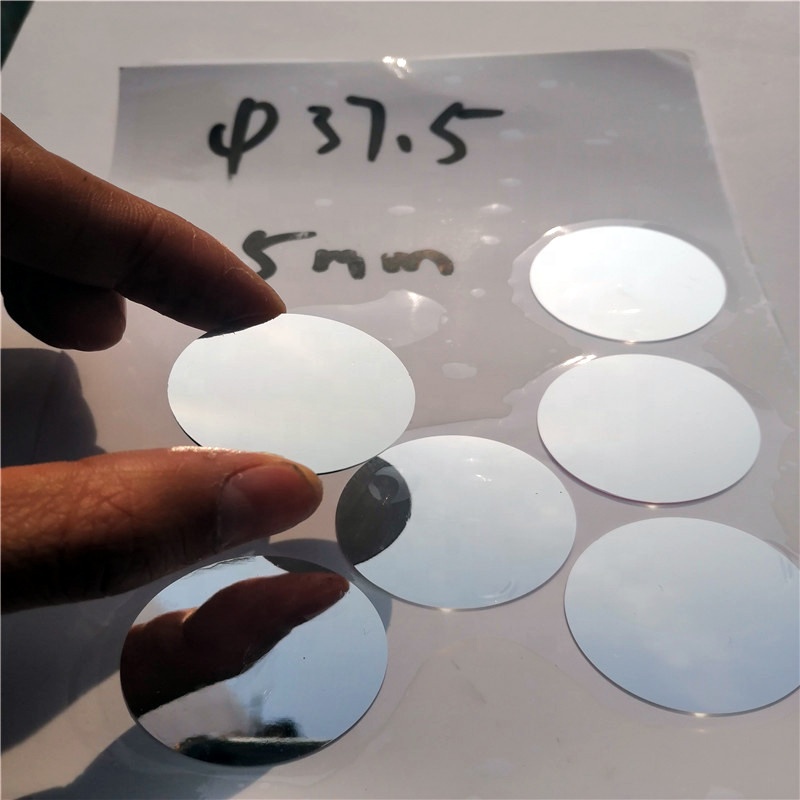
OEM Custom Heat Resistant Gobo Glass Lens
High-temperature projection gobo lens for moving heads, architectural spotlights and theatrical fixtures, produced to custom size, pattern and coating requirements.
View specification
Custom Black Border Tempered Glass Panels Silk Screen Print Tempered Glass
Tempered cover glass with an opaque black border and clear display window for control panels, appliances, kiosks and electronic enclosures.
View specification
0.5mm 0.7mm 1mm 2mm 3mm Thickness China Suppliers Good Price Oem Wholesale Premium Tempered Printing Custom Gorilla Glass Screen
Bulk thin Gorilla glass cover screens for distributors and OEMs, with thickness selection, strengthening, print and coating options.
View specification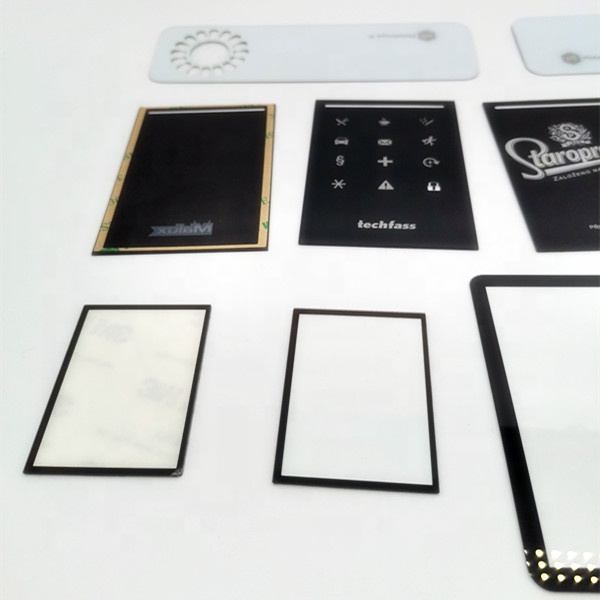
Custom Corning Gorilla Tempered Glass Silk Screen Printing for Touch Screen
Printed touch-screen cover glass with durable surface protection, graphic registration and dimensional inspection for display assemblies.
View specification
Factory Customization Dichroic Glass Gobo Glass
Dichroic-coated gobo glass for color mixing, beam shaping and stage effects, using heat-resistant substrates for demanding fixtures.
View specification
Custom 0.3mm 0.5mm 0.7mm Heat Resistant Gobo Glass Blanks for Projector
Uncoated and coated gobo blanks for projector and fixture builders, with thin-glass handling and custom outline options.
View specification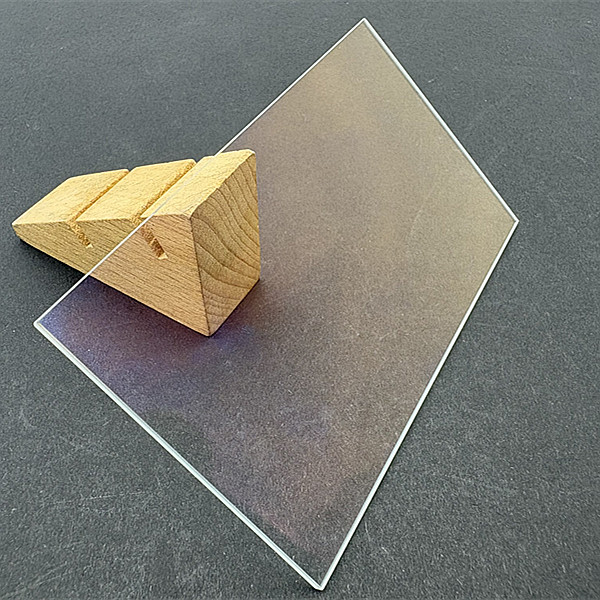
Customized Tempered Anti-Reflective Glass AR Coated Tempered Glass
AR-coated tempered glass for reduced glare and improved light transmission in instrument windows, display covers and optical assemblies.
View specification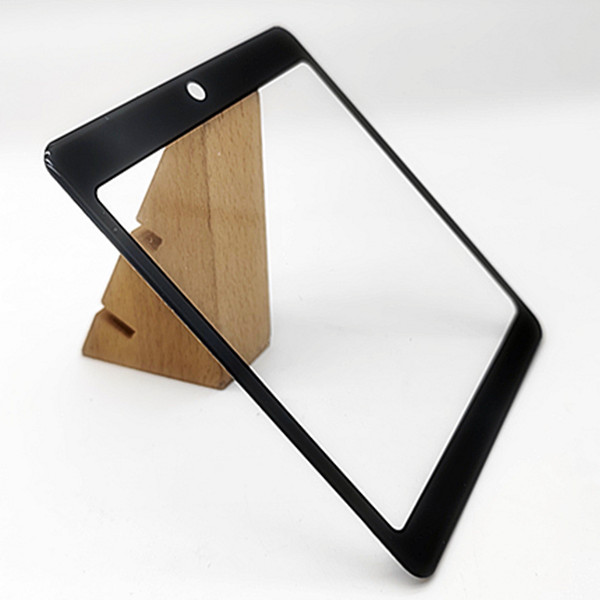
Ultra Clear Gorilla Glass Panel with Silk Screen Printing for Electronic Device
Ultra-clear printed Gorilla glass for consumer electronics, appliance displays, HMI panels and precision electronic device windows.
View specificationA Technical Glass Supplier for Baltimore’s Lighting, Lab, Display and Industrial Buyers
Baltimore is not a generic East Coast destination for technical glass. The city combines the Port of Baltimore, the BWI corridor, a dense medical and research cluster, live entertainment venues and a long-established base of specialty manufacturers. Each buyer asks a different question.
One material library, one drawing-review workflow
A lighting company needs a gobo blank that holds pattern geometry under high-output fixtures. An instrument maker needs low-expansion glass with stable flatness. A contract manufacturer needs printed cover glass that fits a bezel within tolerance. Fevry Glass works across all three conversations with one material library, one drawing-review workflow and one export-packing standard.
Fevry Glass Co., Ltd. is based in Xinyu, Jiangxi, China. We source raw glass from Corning, AGC and established Chinese optical-glass producers such as Chengdu Guangming and Xinhuguang, then process it on laser, ultrasonic, CNC carving, grinding and inspection equipment from the USA, Germany and Japan. For a Baltimore buyer, this matters because it connects a traceable raw substrate to the finished part, not just a stock sheet with an unknown history.
Small enough for samples, structured enough for repeat orders
Typical order patterns are 300–500 pieces for custom cover and AR glass, 1,000 pieces for some Corning Eagle XG cut parts, and selected gobo glass blanks from 10 pieces. Samples can be arranged before mass production so fit, print color and optical performance are validated.
Our quality policy is “Quality is superior, service is supreme, reputation is first”, and our working motto is “Your success, our glory.” For a Baltimore distributor, that translates into a practical expectation: answer the specification clearly, validate the sample, protect the fragile part in transit and keep the next replenishment consistent.
Years as Alibaba.com member
Long-running export account activity and buyer communication history.
Average response time
Quotation and engineering questions are handled with a fast first reply.
Inquiry response rate
A visible supplier metric for buyers who need a reliable first contact.
Buyer rating
Review records and transaction evidence are available for verification.
Export regions served
Western Europe, the USA, Japan, South Korea, Taiwan, Hong Kong and Southeast Asia.
Typical MOQ range
Varies by product; selected gobo blanks can start from 10 pieces.
MOQ and technical scope are confirmed against the drawing, material and process route. The figures above reflect the supplier profile and product-series information published by Fevry Glass.
Where Heat-Resistant Glass Matters in and Around Baltimore
The right glass is defined by the local application, not only by the material name. These are six practical use cases we review with Baltimore-area buyers.
Live venues, churches and touring productions
Baltimore’s theater, worship and event venues often use gobo patterns in moving-head fixtures. Heat-resistant gobo glass must maintain pattern geometry while resisting thermal load from high-output lamps. Fevry supplies 0.2–2 mm gobo blanks and coated dichroic lenses, with custom sizes and pattern support. The practical question is not only pattern resolution but also coating stability, edge quality and how the blank behaves in the fixture’s optical path.
Medical, biotech and university labs
Around Johns Hopkins, the University of Maryland BioPark and Baltimore’s instrument manufacturers, borosilicate 3.3 and alkali-free Eagle XG are used for analyzer windows, biochip substrates and optical filters. Low CTE and flatness support repeatable bonding and imaging. We cut, edge, coat and inspect to drawing, and can discuss thermal expansion, surface quality and cleaning compatibility before quoting.
Port, marine and heavy-industry lighting
At the Port of Baltimore and nearby industrial corridors, high-bay fixtures, inspection lamps and marine luminaires face moisture, vibration and thermal cycling. Borosilicate 3.3 windows and heat-resistant cover glass are often preferred over soda-lime glass where thermal shock is a concern. Fevry can provide custom outlines, holes and edge finishes, plus export packing suited to fragile thin glass.
Display, kiosk and control-panel OEMs
Baltimore-area OEMs building kiosks, medical carts, security consoles and industrial HMIs need cover glass that reduces glare without washing out the display. Tempered, AR-coated and silk-printed Gorilla glass or ultra-clear glass can be produced to drawing, with print colors matched to Pantone references. This is relevant for BWI corridor technology firms and contract manufacturers serving Maryland and the Mid-Atlantic.
Restaurant, retail and architectural detail
Custom heat-resistant glass also appears in fireplace surrounds, oven and appliance windows, display cases and decorative partitions. For these projects, the specification must distinguish between visual heat resistance and structural safety. Fevry reviews the application, temperature exposure, mounting method and edge condition before recommending a material; not every attractive glass is suitable for every heat source.
Distributors and wholesale stockists
Wholesale buyers in Baltimore and across Maryland need repeatable sizes, labeled packs and predictable tolerances. We support distributor programs with drawing-based production, sample approval, mixed-item export packing and material traceability from the raw-glass source through processing. This is especially useful when one shipment combines display covers, gobo blanks and borosilicate windows.
Baltimore & Mid-Atlantic Sourcing Trends That Affect Your Glass Specification
Technical glass buying in the Baltimore corridor is moving toward earlier engineering review, port-aware logistics and higher optical performance. These trends change how a wholesale quotation should be structured.
Engineering review is moving ahead of price comparison
Distributors and OEMs increasingly ask for a manufacturability review before a quotation. They want to know whether a 0.3 mm gobo blank will survive the fixture, whether a printed border can hold registration, and whether AR coating should be applied to one or both sides. A low unit price is not useful if the part fails at assembly or during the first thermal cycle.
Port-aware logistics and mixed-SKU replenishment
The Port of Baltimore and the I-95 corridor make the city a practical entry point for Mid-Atlantic distribution. Buyers are consolidating more SKUs into fewer shipments while still asking for labeled, protected packs. Fevry supports drawing-based production and export packing for fragile thin glass, so a distributor can combine display covers, gobo blanks and borosilicate windows in one order without treating every part as a separate project.
Higher brightness needs better thermal and optical design
LED and laser-based fixtures continue to push more light through smaller apertures. That raises the value of borosilicate 3.3, low-expansion substrates, dichroic coatings and AR-coated cover glass. The correct choice depends on the fixture’s thermal path, the mounting method and the optical stack. For Baltimore’s venues, labs and OEMs, the useful conversation is about the full assembly, not only the glass thickness.
Illustrative procurement weighting for technical glass in the Baltimore corridor
Relative emphasis for technical-glass RFQs. This is not a statistical market study; it is a practical planning visual for buyers comparing China exporters and wholesale supply options.
Use this map to structure a request for quotation: identify the application, the thermal path, the optical requirement and the annual volume before asking for a unit price.
Borosilicate 3.3, Eagle XG, Gorilla Glass and AR-Coated Substrates Compared
Use the substrate comparison as a starting point, then confirm the final specification against the manufacturer datasheet and your drawing.
| Material | Thickness range | CTE (×10⁻⁶/K) | Best for |
|---|---|---|---|
| Ultra-clear soda-lime | 0.5 – 4 mm | ≈ 9.0 | Cover glass, AR panels, printed windows |
| Gorilla® (alkali-aluminosilicate) | 0.4 – 2 mm | ≈ 7.5 – 8.5 | Scratch-resistant touch and display covers |
| Borosilicate 3.3 | 0.3 – 3.3 mm | 3.3 | Heat-resistant windows, gobo glass, lab glass |
| Corning® Eagle XG | 0.5 – 1.1 mm | ≈ 3.2 | Biochips, wafers, PLC and micro-optics |
| Chemically strengthened thin glass | 0.15 – 2 mm | Base-glass dependent | Ultra-thin protectors, sensor covers |
Read the application before the datasheet: thermal shock is not the same as continuous high temperature. Edge quality, mounting, coating absorption and lamp spectrum all change the real service limit. Fevry reviews these factors against the drawing and the end use before recommending a material.
Why Fevry Glass Is Built for Custom Export Programs, Not Catalogue Sales
A heat-resistant glass part is only as reliable as the material traceability, edge finish, coating control and packing behind it. These are the capabilities that matter after the sample is approved.
Traceable raw material
Corning, AGC, Chengdu Guangming and Xinhuguang sources provide a documented starting point for Eagle XG, borosilicate and optical glass projects.
Laser, CNC and ultrasonic machining
Custom outlines, holes, notches and slots, with flat, pencil and chamfered edge options finished before strengthening.
Thermal and chemical strengthening
Thermal tempering for thicker panels and ion-exchange strengthening for 0.15–2 mm thin glass; it cannot be re-cut after strengthening.
AR, dichroic and optical coatings
Anti-reflective coating on one or both sides, plus dichroic and filter coatings for lighting, imaging and instrument applications.
Silk-screen printing and back painting
Pantone-matched borders, logos, icon windows and IR-transparent ink areas on tempered, Gorilla and ultra-clear glass.
Inspection and export packing
Dimensional and visual checks, interleaved and cushioned packing, and export documentation support for fragile thin glass.
Supplier Assessment
Third-party verification details
Credit Profile
Business credit overview
Ratings & Reviews
5.0 / 5 average buyer rating
Transaction Level
Verified order performance
Trade Capacity
Export markets and logistics
Trade History
Past transaction records
Verification links point to the public company profile pages maintained by Fevry Glass. Buyers should review current records directly before placing a production order.
A Clear Five-Step Path from Drawing to Baltimore Delivery
The process is designed for procurement teams that need predictable communication, documented samples and an export-ready pack.
Share your drawing
Send dimensions, tolerances, material, coating, print and application details by email or through the contact button.
Engineering review
We confirm manufacturability and recommend substrate, thickness, strengthening and coating route.
Sample approval
Samples validate fit, color matching, edge quality and optical performance before mass production.
Mass production
Processing with in-line dimensional and visual quality checks, plus process control for print and coating.
Export packing
Interleaved, cushioned packing and export labeling for safe international shipping to Baltimore.
What Baltimore Buyers Ask Before Ordering Heat-Resistant Glass from China
These are the questions we hear most often from engineers, distributors and sourcing managers comparing China exporters and wholesale supply options.
Can Fevry Glass ship heat-resistant glass directly to Baltimore?
Yes. Fevry Glass exports from China and regularly serves buyers in the United States, Western Europe, Japan, South Korea, Taiwan, Hong Kong and Southeast Asia. For Baltimore, shipments can be arranged through the Port of Baltimore or another US East Coast gateway in coordination with your freight forwarder. Thin glass is packed with interleaving and cushioning, and shipping terms are confirmed in the quotation.
Which glass is best for a Baltimore theater, church or touring lighting fixture?
Start with borosilicate 3.3 gobo blanks or selected heat-resistant gobo glass, then confirm the thickness against the fixture’s thermal load. The 0.3 mm, 0.5 mm and 0.7 mm gobo blanks are practical options for projector and lighting applications, while the general gobo range extends from 0.2 mm to 2 mm. Pattern geometry, coating stability, edge quality and the fixture’s optical path all matter. Send the fixture type, lamp or LED source, aperture and expected quantity for a recommendation.
Should a Baltimore instrument or biotech OEM choose Eagle XG, borosilicate 3.3 or AR glass?
Corning Eagle XG is an alkali-free boro-aluminosilicate glass with low thermal expansion and a fusion-formed surface, which suits biochips, analyzer filters, PLC substrates and micro-optics. Borosilicate 3.3 is a strong choice for heat-resistant windows, gobo blanks and laboratory glass because its CTE is about 3.3 × 10⁻⁶/K, roughly one third of soda-lime glass. AR-coated tempered glass is selected when reflection control is the main problem. The right answer depends on bonding, cleaning, optical and thermal requirements, so a drawing review is the fastest route.
What information do you need for an accurate quotation?
Send a 2D drawing in DWG, DXF or PDF with outline dimensions and tolerances, thickness, glass material, edge finish, hole and notch positions, strengthening method, print colors with Pantone references, AR coating side or sides, the end application and expected annual quantity. For Baltimore buyers comparing several suppliers, the same drawing package also makes quotations easier to compare on a like-for-like basis.
What are the MOQ and sample options for a first Baltimore order?
Most custom cover glass and AR glass items start from 300 to 500 pieces. Some Corning Eagle XG cut parts start from 1,000 pieces, and selected gobo glass blanks can start from 10 pieces. Samples can be arranged to validate fit, print color and optical performance before mass production. Distributors planning a mixed-SKU replenishment should share the full part list so the production and packing plan can be reviewed together.
How is fragile thin glass protected during international shipping?
Fevry uses interleaved and cushioned export packing intended for fragile thin glass. Parts can be protected with film or interleaving, separated by size or SKU, and packed in labeled cartons. For a Baltimore shipment, the packing plan should match the transport mode and the buyer’s receiving process. If you need mixed-item consolidation with gobo blanks, display covers and borosilicate windows, include that requirement in the quotation request.
Have a Drawing for a Baltimore Project? Let’s Engineer Your Glass.
Send the 2D drawing, material, thickness, tolerances, edge finish, print colors, AR coating side or sides, application and annual volume. Our engineering team typically replies within four hours.