Top 10 Ultra Thin Tempered Glass Supplier & Suppliers for the Toronto Market
A 2025 procurement and material-selection guide for Toronto OEMs, distributors and design teams comparing ultra-thin tempered glass suppliers for displays, touch controls, lighting, medical devices and architectural electronics.
Send an Inquiry8 Custom Ultra-Thin Tempered Glass Products for Toronto Buyers
Each product below is processed to drawing and can be quoted with material, thickness, coating, print and edge-finish options. Product URLs are preserved for direct technical review.
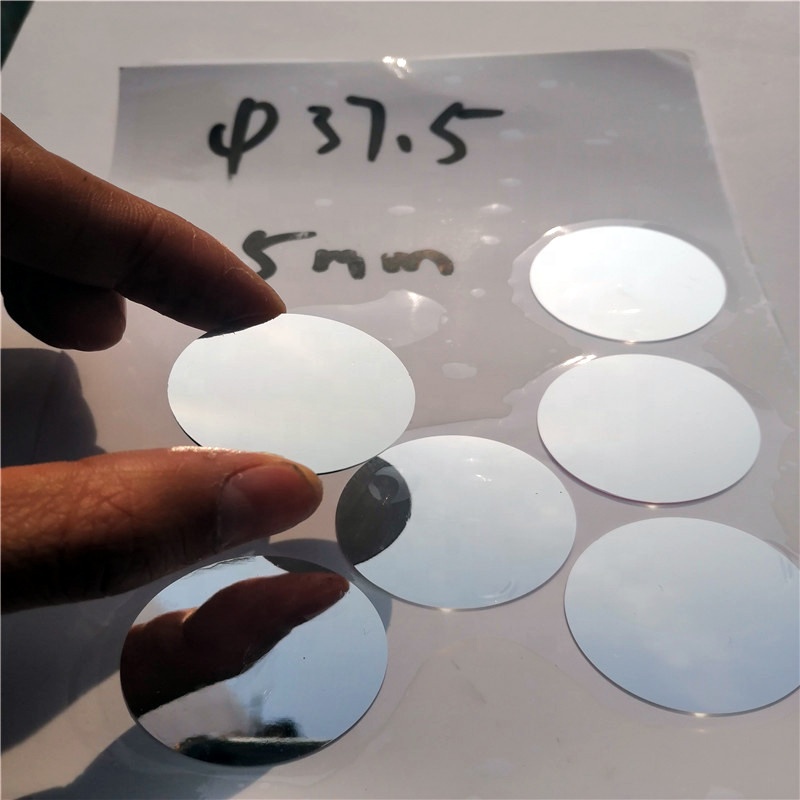
OEM Custom Heat Resistant Gobo Glass Lens
Heat-resistant gobo lens for high-power stage, studio and architectural lighting; custom size, edge and coating options.
View product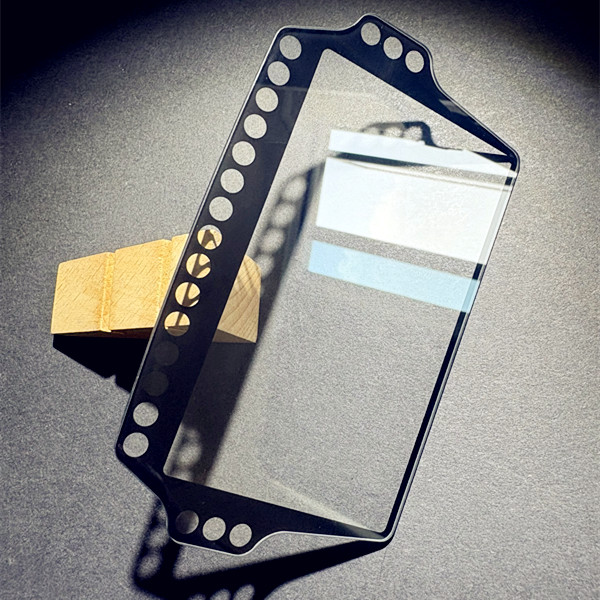
Factory Custom Tempered Silk Printed Gorilla Glass Screen Protector Printing Glass
Strengthened display cover with silk-printed borders, logos or windows for consumer electronics and control panels.
View product
Custom 0.3mm 0.5mm 0.7mm Heat Resistant Gobo Glass Blanks for Projector
Thin 0.3–0.7 mm heat-resistant blanks for projector, gobo and optical lighting assemblies.
View product
Custom Black Border Tempered Glass Panels Silk Screen Print Tempered Glass
Black-border printed cover glass for displays, touch panels and appliance interfaces with tight print alignment.
View product
Back Painted Tempered Glass Led Glass Panel Cover Glass
Back-painted tempered glass for LED panel covers, smart-home controls and decorative electronic windows.
View product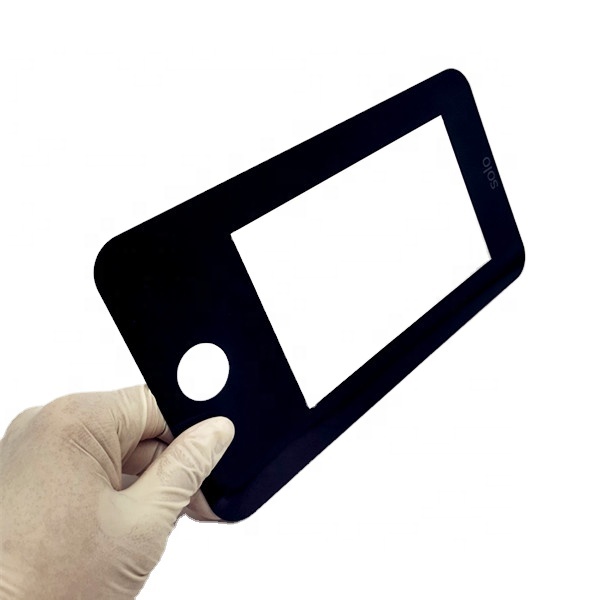
Manufacturer Oem Wholesale Custom Unbreakable Tempered Glass,high Quality Tempered Glass,low Iron Tempered Glass Manufacturer
Low-iron, high-clarity tempered glass for display covers, instrument windows and custom OEM programs.
View product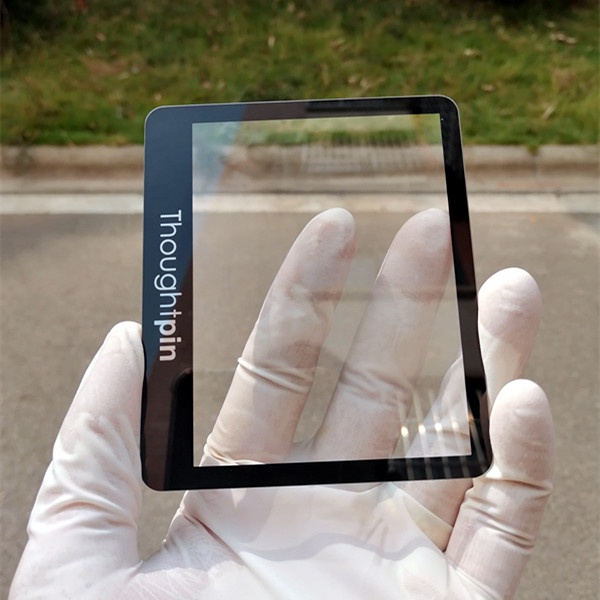
1.5mm 2mm Tempered Glass Thickness Touch Switch Glass Plate
1.5–2 mm cover plates for capacitive switches, wall controls and precision electronic interfaces.
View product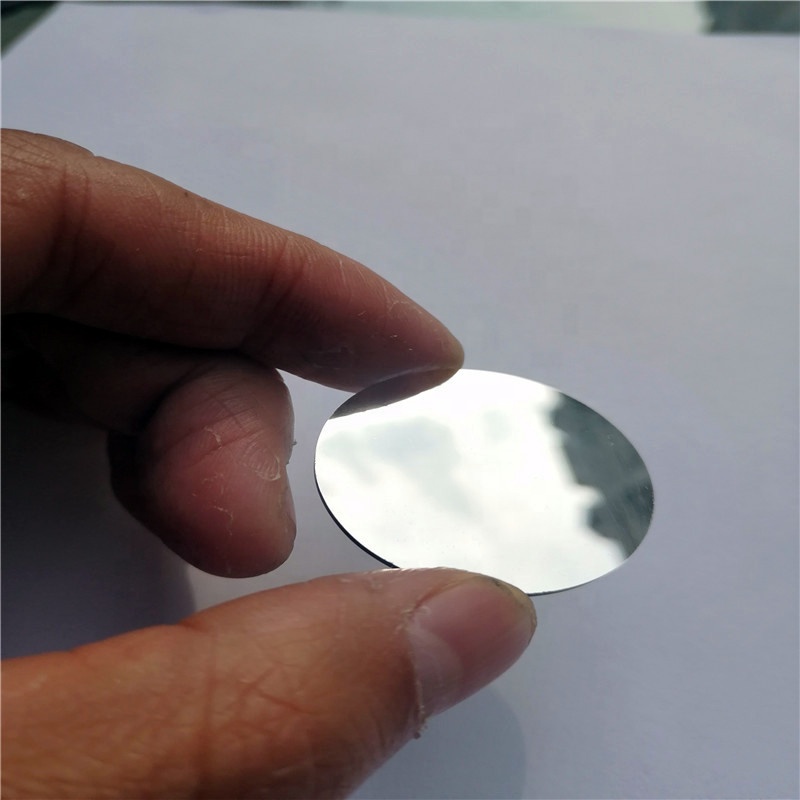
Gobo Glass/dichroic Mirror Lighting Filters Glass Lens
Dichroic mirror and lighting filter glass for color separation, heat control and optical effects.
View productA Toronto-Focused Supplier Shortlist Built on Evidence, Not Advertising
Toronto buyers rarely purchase ultra-thin tempered glass as a commodity. A 0.5 mm cover glass may sit over a capacitive touch interface in a Queen West retail kiosk, a medical analyzer in a Toronto research hospital, or an EV dashboard prototype in the Ontario automotive corridor. In each case, the supplier must prove dimensional capability, optical consistency, printing accuracy, strengthening method and export reliability before price becomes meaningful.
That is why this guide treats “Top 10” as a 10-point evaluation framework rather than an unverified popularity chart. The most useful shortlist is the one a Toronto engineering or procurement team can audit: material source, thickness control, coating side, print tolerance, packing method, communication speed and Canada-bound shipping experience. A supplier that cannot answer those questions in one technical response is not a low-risk partner, even if the quotation looks attractive.
Information gain: this guide combines Toronto-local application context, a weighted supplier scorecard, a material-selection table, a Canada freight planning matrix and practical inquiry requirements. It is written for buyers who need to compare ultra thin tempered glass supplier options without relying on marketplace badges alone.
What “Ultra-Thin Tempered Glass” Really Means for a Toronto Specification
In commercial use, “tempered” is often applied loosely. Thermally tempered glass is heated and quenched; chemically strengthened glass uses ion exchange. For ultra-thin glass, the engineering choice must match thickness, flatness and the end application.
Chemical Strengthening for Thin Glass
Ion exchange is commonly used for 0.15–2.0 mm cover glass because it raises surface strength while maintaining flatness and optical clarity for touch and sensor windows.
Thermal Tempering for Thicker Panels
Thermal tempering is generally used around 3 mm and above for architectural, appliance and heavy-duty electronic panels where impact resistance and rigidity are priorities.
AR Coating for Glare Control
Single- or double-sided anti-reflective coating can raise transmission toward approximately 98% in suitable designs, improving readability for retail displays, medical instruments and automotive screens.
Silk-Screen Printing and Back Painting
Pantone-matched borders, logos, icon windows and IR-transparent ink areas can be combined with strengthening and AR coating for a finished cover-glass part.
Borosilicate 3.3 for Thermal Shock
Borosilicate 3.3 has a coefficient of thermal expansion near 3.3 × 10⁻⁶/K, roughly one third of soda-lime glass, making it suitable for lighting covers, gobo blanks and heat-resistant windows.
Corning Eagle XG for Precision Substrates
Alkali-free boro-aluminosilicate glass with low thermal expansion and excellent flatness suits biochips, analyzer filters, glass wafers and PLC substrates.
Toronto Localized Application Scenarios
From the Greater Toronto Area’s electronics and life-science ecosystem to Ontario’s automotive supply chain, ultra-thin glass must be specified for the environment it will actually face.
Consumer Electronics & Smart-Home Displays
GTA hardware brands use chemically strengthened cover glass, black-border printing and AR coating for touch panels and home-control interfaces.
Automotive & EV Supply Chain
Ontario automotive and EV teams specify low-iron tempered panels, dashboard trim glass and display covers for prototypes and production programs.
Medical Devices & Life Sciences
Toronto research hospitals and device makers require Eagle XG filters, flat instrument windows and repeatable optical substrates.
Retail, POS & Signage
Toronto retail environments benefit from scratch-resistant printed covers that reduce glare and preserve brand colors in bright concourses.
Lighting, Stage & AV
Gobo glass, dichroic filters and heat-resistant lenses support Toronto’s production, film, broadcast and live-event sectors.
Architecture & Interior Electronics
Condominium lobbies, elevator controls and appliance interfaces use durable printed or back-painted glass with easy-clean surfaces.
Toronto Market Trends Shaping Ultra-Thin Glass Procurement
Toronto buyers are becoming more specification-driven. The shift favors suppliers that can document material, process and logistics instead of offering only a generic “tempered glass” label.
Substrate-Specific Sourcing
Design teams increasingly ask for low-iron soda-lime, Gorilla-type aluminosilicate, borosilicate 3.3 or Eagle XG by name, with the supplier expected to trace the raw sheet source.
Thinner Glass, Higher Expectations
Chemical strengthening is replacing unnecessary thickness in portable devices, wall controls and sensors, allowing lighter assemblies without sacrificing surface durability.
Optical Performance in Public Spaces
AR-coated glass is increasingly requested for retail displays, medical monitors and outdoor-readable interfaces where reflection and glare reduce usability.
Lower-Volume Customization
Toronto startups and pilot programs need realistic prototypes and MOQs. Suppliers that support samples before mass production shorten the path from design review to market test.
The Top 10 Supplier Evaluation Criteria for Toronto Buyers
Use this weighted framework to compare any ultra-thin tempered glass supplier. A low price cannot compensate for weak material traceability, poor print control or inadequate export packing.
Traceability
Can the supplier identify the raw glass source, batch and applicable datasheet?
Thickness Control
Does the factory handle 0.15–4 mm and measure actual thickness, not nominal thickness only?
Strengthening Method
Is chemical strengthening used for thin glass and thermal tempering for thicker panels?
Coating Capability
Can AR and dichroic coatings be applied in-house with defined sides and transmission targets?
Print Precision
Are Pantone matching, border alignment, icon windows and back painting controlled before strengthening?
Metrology
Are dimensions, flatness, edge quality and visual defects inspected and recorded before packing?
Sample & MOQ
Can samples validate fit, print color and optical performance before a full production order?
Winter Freight
Is fragile glass interleaved, cushioned and moisture-protected for Toronto’s cold-season handling?
Response Discipline
Does the supplier reply with drawings, assumptions and next steps instead of a generic price list?
Toronto Delivery
Can the supplier provide commercial invoice, packing list, HS code guidance and broker-ready documents?
Illustrative Toronto Buyer Priorities (weighting example)
Why Fevry Glass Is a Qualified Ultra-Thin Tempered Glass Supplier for Toronto
Fevry Glass Co., Ltd. is a specialty glass supplier based in Xinyu, Jiangxi, China, serving OEM buyers who need technical glass cut, strengthened, coated, printed and packed to drawing.
Our work begins with the substrate. We source raw glass from Corning, AGC and other multinational producers, and work closely with established Chinese optical-glass makers such as Chengdu Guangming and Xinhuguang. That gives Toronto buyers a traceable starting point for Eagle XG, borosilicate 3.3, Gorilla-type aluminosilicate, low-iron soda-lime and chemically strengthened thin glass. Our technicians process these materials on laser, ultrasonic, CNC carving, grinding and inspection equipment imported from the USA, Germany and Japan.
The result is a single-source path from raw sheet to finished part: custom outline cutting, holes and notches, edge grinding, thermal or chemical strengthening, AR or dichroic coating, silk-screen printing, back painting, dimensional inspection and export packing. For a Toronto team comparing suppliers, that reduces hand-offs, clarifies accountability and makes the quotation easier to compare line by line.
Cutting, Drilling & Edge Finish
Laser, CNC and ultrasonic machining for custom outlines, holes, notches, slots and flat, pencil or chamfered edges.
Thermal & Chemical Strengthening
Thermal tempering for thicker panels and ion exchange for 0.15–2 mm ultra-thin cover glass, with processing completed before strengthening.
AR, Dichroic & Optical Coatings
Anti-reflective coating on one or both sides, plus dichroic and filter coatings for lighting, imaging and instrument applications.
Silk Printing & Back Painting
Pantone-matched borders, logos, icon windows and IR-transparent areas, plus back-painted LED cover glass and appliance panels.
Dimensional & Optical Inspection
Checks for size, thickness, flatness, edge quality, print alignment and visual defects before final packing.
Export Packing & Documentation
Interleaved, cushioned packing for fragile thin glass, with commercial invoice, packing list and shipment coordination support.



“Quality is superior, service is supreme, reputation is first.”
Our motto — “Your success, our glory” — shapes how we quote, sample, inspect and ship custom glass for Toronto and global OEM buyers.
Material Selection Guide for Ultra-Thin and Specialty Glass
Use this table for preliminary comparison only. Final specifications should be confirmed against the manufacturer datasheet, your drawing and the actual application environment.
| Material | Typical Thickness | CTE (×10⁻⁶/K) | Best Toronto-Fit Uses |
|---|---|---|---|
| Ultra-clear soda-lime | 0.5–4 mm | ≈9.0 | Cover glass, AR display windows, printed appliance panels, back-painted LED covers |
| Gorilla-type aluminosilicate | 0.4–2 mm | ≈7.5–8.5 | Scratch-resistant touch covers, retail POS, automotive display glass, printed screen protectors |
| Borosilicate 3.3 | 0.3–3.3 mm | 3.3 | Heat-resistant windows, gobo blanks, lighting filters, laboratory and instrument glass |
| Corning Eagle XG | 0.5–1.1 mm | ≈3.2 | Biochips, analyzer filters, glass wafers, PLC substrates and precision optical alignment |
| Chemically strengthened thin glass | 0.15–2 mm | Base-glass dependent | Ultra-thin protectors, sensor covers, capacitive touch plates and lightweight electronic windows |
Values are typical industry figures for preliminary selection. Confirm final material, coating side, print color and tolerance against your drawing and datasheet.
Shipping Custom Glass to Toronto: Planning Matrix
Ultra-thin glass is light relative to volume but sensitive to edge impact, bending and moisture. The correct shipping mode depends on sample timing, order volume and whether your team needs door-to-door delivery or a broker-managed import.
| Mode | Typical Planning Window | Best For | Toronto Note |
|---|---|---|---|
| Air express | 3–7 business days | Approval samples, urgent prototypes | Use reinforced sample cases; confirm dimensional weight and breakage insurance. |
| Air freight | 7–12 business days | Small production runs, launch deadlines | Ideal when artwork approval and sample validation are already complete. |
| Sea LCL | 25–40 days | Repeat production orders | Often routed via Vancouver or Montreal then rail/truck to the GTA; pack for humidity and winter handling. |
| Sea FCL | 20–35 days | High-volume or multi-SKU programs | Use pallet-level labeling and a Canadian customs broker for smooth release. |
Planning windows are indicative only. Confirm routing, duties, brokerage and delivery terms with your freight forwarder before issuing a purchase order.
Toronto Buyer FAQ: Ultra-Thin Tempered Glass Sourcing
Direct answers to the technical and purchasing questions we receive most often from engineers, product managers and sourcing teams.
Should I choose chemically strengthened or thermally tempered glass?
Thermal tempering is best for glass around 3 mm and thicker, where rigidity and impact resistance matter. For ultra-thin cover glass from 0.15 mm to about 2 mm, chemical strengthening by ion exchange raises surface strength while keeping the sheet flat and optically clean. In both cases, cutting, drilling and edge grinding must be completed before strengthening because the glass cannot be re-cut afterward without losing the strengthened zone.
When is borosilicate 3.3 better than soda-lime glass?
Borosilicate 3.3 has a thermal expansion coefficient of about 3.3 × 10⁻⁶/K, roughly one third that of soda-lime glass. It tolerates rapid temperature changes better, making it the preferred choice for lighting covers, heat-resistant windows, gobo blanks, laboratory glass and instrument parts exposed to thermal shock or chemical attack.
Why is Corning Eagle XG used for biochips, wafers and PLC substrates?
Eagle XG is an alkali-free boro-aluminosilicate glass with low thermal expansion and a fusion-formed surface. That combination provides excellent flatness and dimensional stability for micro-patterning, bonding and precise optical alignment, which is why it is often used in biochips, analyzer filters, glass wafers and PLC substrates.
What is the minimum order quantity for custom ultra-thin glass?
Most custom cover glass and AR glass items start from 300 to 500 pieces, some custom-cut Eagle XG parts from 1,000 pieces, and selected gobo glass blanks from as few as 10 pieces. Samples can be arranged to validate fit, print color and optical performance before mass production.
What information do you need to evaluate a Toronto glass project?
Send a 2D drawing in DWG, DXF or PDF with outline dimensions and tolerances, thickness, glass material, edge finish, hole and notch positions, strengthening method, print colors with Pantone references, AR coating side or sides, the end application and expected annual quantity. Complete information lets our engineers respond with a firm recommendation in one round.
Which markets does Fevry Glass export to?
Fevry Glass serves customers in China and exports to Western Europe, the United States, Japan, South Korea, Taiwan, Hong Kong and Southeast Asia. Toronto buyers are served through export packing and shipment coordination suited to fragile thin glass and Canadian import requirements.
How do you ship custom glass to Toronto?
Samples usually move by air express. Production orders typically use air freight or sea LCL/FCL, often arriving through Vancouver or Montreal and moving by rail or truck into the Greater Toronto Area. For door-to-door supply, confirm DDP terms with your freight forwarder; for broker-managed imports, confirm FOB, CIF or EXW terms before ordering.
Can I approve samples before mass production?
Yes. Samples are the practical way to validate outline fit, edge quality, print alignment, AR appearance and color matching before releasing a production order. For printed or coated glass, review the sample under the same lighting and viewing angle your Toronto end users will experience.
Can AR coating, silk printing and strengthening be combined?
In many projects, yes. The exact sequence depends on the coating, ink and strengthening method, because some processes are applied before strengthening and some after. Share your drawing and performance priorities so the factory can confirm the correct process route rather than assuming all three steps can be combined without restriction.
How do you protect thin glass during Toronto winter shipping?
Thin glass is interleaved, cushioned and packed in reinforced export cartons or crates with moisture protection. Labels should identify orientation and fragility, and pallets should be stabilized for multi-modal handling. For winter delivery, avoid unnecessary transfer points and confirm with the forwarder that the shipment will not be exposed to repeated freeze-thaw cycles or wet loading docks.
Request a Toronto-Ready Ultra-Thin Tempered Glass Quote
Send your drawing, thickness, material, coating, print colors, application and annual quantity. Our engineers typically reply with technical feedback and a quotation path within one business day.
Send an Inquiry info@fevryglass.com · Custom tempered, AR-coated, printed, borosilicate and Eagle XG glass to drawing