8 Glass Products for San Jose OEM, Optics and Electronics Buyers
These eight products cover the most common Bay Area requests: ultra-thin chemically strengthened cover glass, double-sided AR panels, silk-screen printed Gorilla® glass, custom-shaped windows, projector gobo blanks and automotive dashboard trim glass.
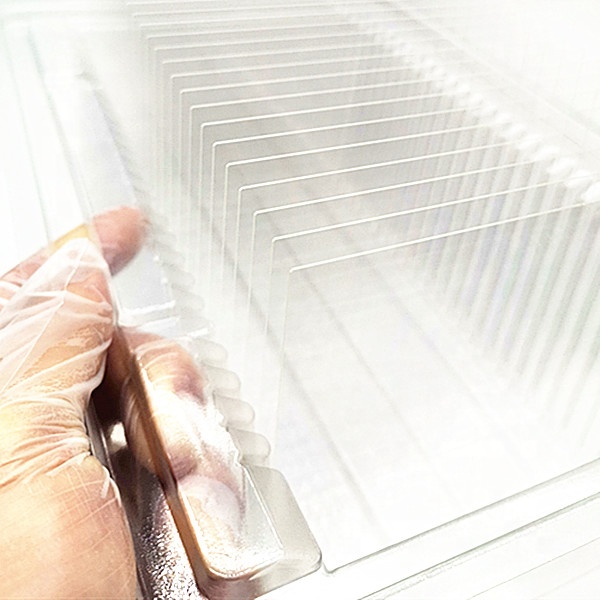
Custom Chemically Ultra-Thin Clear Transparent Tempered Glass Sheet
Best for San Jose wearables, optical sensor windows, compact HMI and thin display stacks where weight, clarity and drop resistance must co-exist.
View product details
Custom Shape High Transmittance Ultra Clear Tempered Glass Panel With Anti-reflective Coating on Two Sides
Suits outdoor kiosks, AR/VR optical stacks, instrumentation and display windows where reflections reduce contrast in bright California light.
View product details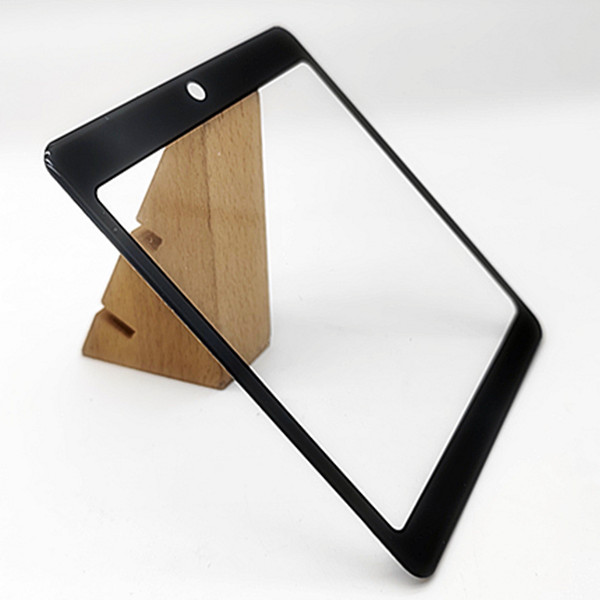
Ultra Clear Gorilla Glass Panel with Silk Screen Printing for Electronic Device
For consumer electronics, medical device displays and premium control panels that need a durable printed Gorilla® glass face.
View product details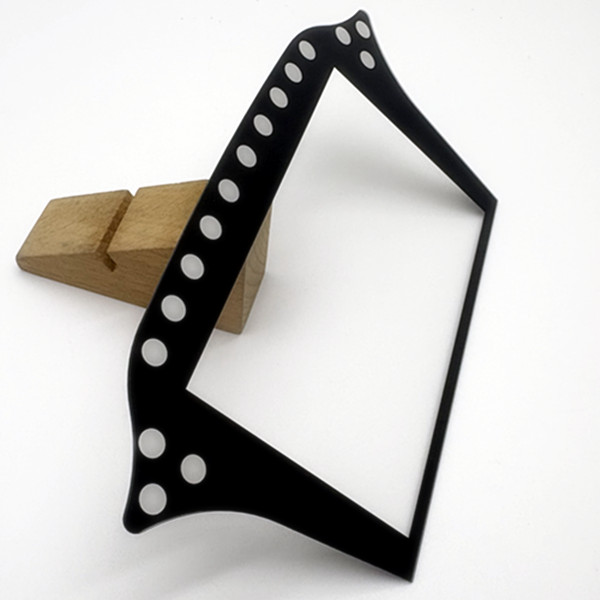
Custom Shaped Tempered Glass Processing, High Transparency Window Panels with Screen Printing
For smart-home controls, EV chargers, industrial equipment windows and custom cutouts where the print and profile are part of the product identity.
View product details
Custom 0.3mm 0.5mm 0.7mm Heat Resistant Gobo Glass Blanks for Projector
For projector optics, architectural lighting, stage effects and gobo patterns that see heat cycling in compact optical engines.
View product details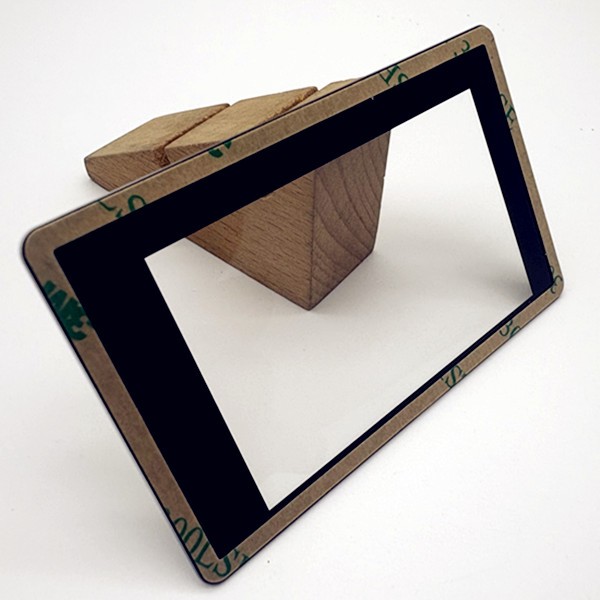
Custom Tempered Glass Dashboard Trim Panel Flat Electronic Glass Screen Protector
For automotive HMI, EV dashboards, charging equipment and electronic control panels requiring a flat, printed, protected display surface.
View product details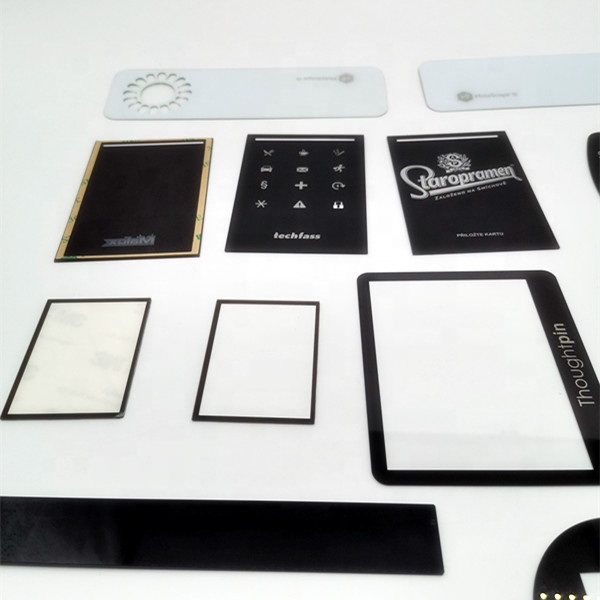
Custom Display Screen Silk Screen Printing Tempered Gorilla Glass
For instrument clusters, medical monitors, test equipment and brand-facing user interfaces that need crisp print and scratch resistance.
View product details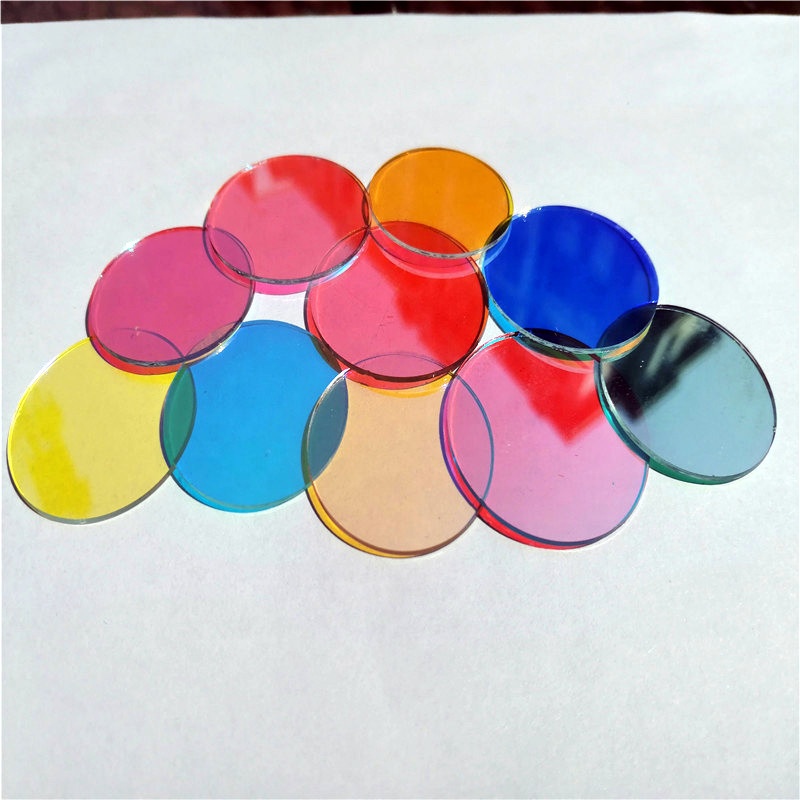
Customize Logo Color Glass Gobo Glass
For branded lighting, stage projection, signage, retail experiences and custom color gobo artwork with factory-controlled color.
View product detailsAll product links preserve the original manufacturer URLs. For a drawing-led quote, include thickness, tolerance, coating side, print color and annual volume. If a product URL is ever unavailable, use the inquiry button to request the equivalent specification.
Why San Jose Product Teams Specify Chemically Strengthened Glass
Chemically strengthened glass is not simply “tempered glass with a different label.” In an ion-exchange bath, smaller alkali ions near the glass surface are replaced by larger potassium ions. The resulting compressive layer helps the glass resist crack propagation and impact damage while preserving the flatness and optical clarity that engineers need for thin display stacks. For San Jose teams designing wearables, medical instruments, automotive HMI, AR/VR optics or semiconductor fixtures, this difference matters more than a generic hardness claim.
Thick glass — roughly 3 mm and above — often benefits from thermal tempering. Ultra-thin cover glass, especially from 0.15 mm to about 2 mm, is usually a better fit for chemical strengthening because it can increase surface strength without the roller-wave distortion and optical ripple associated with thermal processing. Cutting, drilling, edge grinding and printing must be finished before strengthening; once ion exchange is complete, the part cannot be re-cut without losing the engineered stress profile.
The San Jose buying context adds another layer. Local product teams often work with fast prototyping cycles, mixed high-mix/low-volume builds and global supply chains. They need a factory that can answer DFM questions quickly, provide samples, keep color and coating records, and pack fragile thin glass for export. A low piece price is not useful if a 0.5 mm printed panel arrives with edge chips or if AR coating performance shifts from lot to lot.
“Top 10” should mean ten verification checks, not ten unverifiable slogans
For SEO, buyers search for a top 10 manufacturer or factory near San Jose. For procurement, the useful question is whether a supplier can document the material, process and inspection path behind each part.
- Traceable substrate and finishing route
- Drawing-led DFM before quotation
- Optical, dimensional and cosmetic inspection
- Export packing designed for thin glass
- Fast technical communication and sample approval
10 Checks San Jose Engineers Should Apply to Any Chemically Strengthened Glass Factory
Use this checklist to compare quotations, sample reports and supplier claims. The same framework applies whether you are sourcing a few hundred printed covers or a production program with annual forecasts.
Base glass traceability
Confirm the substrate family, thickness tolerance and supplier. Fevry Glass sources from Corning, AGC and established optical-glass makers such as Chengdu Guangming and Xinhuguang.
Ion-exchange control
For thin cover glass, strength comes from a controlled compressive layer. Ask how bath chemistry, immersion time and post-strengthening handling are controlled.
Flatness after strengthening
Warp, bow, sleeks and coating mura can ruin display yield. Specify flatness and inspection criteria before samples are approved.
AR coating side and durability
Define single-sided or double-sided AR, target transmission or reflection, coating appearance and environmental test expectations for the San Jose use case.
Print registration and color
Provide Pantone references, window tolerances, border widths and alignment to holes or cutouts. Printed glass should be checked under the same light condition as the final product.
Edge quality and micro-cracks
Edges are crack-initiation sites. Grinding, chamfering, polishing and ultrasonic cleaning should be defined for handling, drop and assembly risk.
Dimensional metrology
A 2D drawing should show outline, holes, notches, thickness, edge finish, flatness and critical tolerances. Confirm how first article and production samples are measured.
Thermal and chemical durability
Match soda-lime, borosilicate 3.3, Gorilla® class or Corning® Eagle XG to the assembly environment, cleaning chemicals and thermal cycling profile.
Packing for fragile thin glass
Interleaving, cushioning, carton strength and pallet protection matter more for 0.3 mm parts than for thick panels. Request packing photos before shipment.
Records and response speed
Average response ≤4 hours, 100% inquiry response and a 5.0/5 buyer rating are useful signals, but documented approvals, sample records and shipment photos are stronger.
Where Chemically Strengthened Glass Fits San Jose and the Bay Area
San Jose is a product-development hub, not a single industry. The same factory capability may support a wearable prototype in one week and a semiconductor fixture or automotive HMI panel the next.
Displays and consumer electronics
Chemically strengthened cover glass for touch panels, smart-home controls, portable instruments and device enclosures where thinness and optical clarity matter.
Automotive and EV HMI
Dashboard trim panels, display protectors, charging-station interfaces and center-console glass requiring flatness, print alignment and scratch resistance.
Biotech and life science
Low-expansion substrates for analyzer windows, biochip carriers and instrument glass, including Corning® Eagle XG for micro-patterning and bonding.
Semiconductor and advanced packaging
Glass wafers, carrier substrates and precision-cut low-CTE glass for teams working in San Jose’s broader semiconductor and photonics ecosystem.
Optical communication and AR/VR
AR-coated glass, optical filter glass, PLC substrate glass and thin transparent windows for imaging, sensing and light-guide prototypes.
Lighting and architectural experiences
Heat-resistant borosilicate gobo blanks, dichroic glass and color gobo artwork for stage, studio, retail and architectural lighting teams.
Four Local Trends Shaping Custom Glass Procurement
Bay Area buyers are not only comparing price per piece. They are comparing supply resilience, documentation, prototyping speed and the ability to support thinner, more optically demanding products.
Dual sourcing with drawing control
Teams add specialist factories alongside domestic finishers. The winning supplier keeps revision-controlled drawings, sample records and inspection photos so both sources stay aligned.
Thinner glass for AI hardware and wearables
More designs are moving to 0.2–1.1 mm chemically strengthened glass for weight, touch sensitivity and optical clarity, especially in AR/VR, sensing and portable electronics.
Automotive-grade HMI and outdoor durability
EV dashboards, charging stations and outdoor kiosks require AR coating, printed borders, scratch resistance and stable cosmetics under strong California sunlight.
Biotech and semiconductor localization
Low-CTE Eagle XG and borosilicate 3.3 remain important for analytical instruments, biochips, photonics and advanced packaging prototypes moving through San Jose labs.
Compare Typical Glass Substrates Before You Request a Sample
This comparison is a preliminary engineering aid, not a final datasheet. Confirm final properties with the material manufacturer and your drawing requirements.
Relative expansion bars help buyers separate low-CTE materials from soda-lime glass at a glance. Final selection should also consider chemical durability, optical transmission, coating compatibility, edge finish, cleaning process and cost.
Why Fevry Glass Is a Practical San Jose Supply Partner
Fevry Glass Co., Ltd. is based in Xinyu, Jiangxi, China. We serve optical, biological, semiconductor, communication, lighting and electronics customers with precision glass processed to drawing. Our guiding principle — “Quality is superior, service is supreme, reputation is first” — and our motto “Your success, our glory” shape the way we quote, sample and ship custom glass.
 Precision glass processing workshop
 Imported cutting and grinding equipment
 Inspection and export packing
Traceable raw-material network
We source glass from Corning, AGC and established Chinese optical-glass makers such as Chengdu Guangming and Xinhuguang. That gives San Jose buyers a documented starting point for substrate selection.
In-house shaping and edge finishing
Laser, ultrasonic, CNC carving, grinding and inspection equipment imported from the USA, Germany and Japan support custom outlines, holes, notches, slots and edge finishes.
Strengthening and coating under one roof
Thermal tempering for thicker panels, chemical strengthening for 0.15–2 mm thin glass, plus AR, dichroic and optical coatings reduce hand-offs between suppliers.
Printing and cosmetic control
Silk-screen printing and back painting can reproduce Pantone-matched borders, logos, icon windows and IR-transparent ink areas with alignment to holes and cutouts.
Inspection and export packing
Dimensional and visual checks cover size, thickness, flatness, edge condition, print appearance and coating quality before thin glass is packed for international shipping.
Responsive communication
With a 100% inquiry response rate, average response ≤4 hours and a 5.0/5 buyer rating, our export team is built for buyers who need fast clarification before a prototype build.
Common Questions From San Jose Glass Buyers
These are the questions engineers, sourcing managers and product teams ask most often when comparing a custom chemically strengthened glass factory for a San Jose project.
QWhat does chemically strengthened glass mean for a thin cover glass?
Chemical strengthening uses an ion-exchange process to create a compressive surface layer. For thin glass, it can raise surface strength while keeping the sheet flat and optically clean — important for displays, sensors and wearable devices.
QShould my San Jose project use chemical strengthening or thermal tempering?
Thermal tempering is usually best around 3 mm and thicker. For ultra-thin cover glass from 0.15 mm to about 2 mm, chemical strengthening is often the better route. In both cases, cutting, drilling and edge grinding must be completed before strengthening.
QCan you ship custom glass to San Jose, California?
Yes. We regularly export to the United States and other markets. For San Jose orders, we confirm Incoterms, shipping method and packing based on part size, value and schedule. Thin glass is interleaved and cushioned for fragile international transport.
QWhat is the minimum order quantity and sample process?
Most custom cover glass and AR glass items start from 300–500 pieces; custom-cut Eagle XG parts may start from 1,000 pieces; selected gobo glass blanks can start from 10 pieces. Samples can be arranged to validate fit, print and optical performance before mass production.
QCan you combine AR coating, silk-screen printing and chemical strengthening?
Yes, but the process sequence must be defined before quotation. Printing, coating, strengthening, cleaning and inspection steps all affect yield and cosmetics. Send the drawing and target performance so our engineers can confirm the correct route.
QWhat information is needed for a reliable quote?
Send a 2D drawing in DWG, DXF or PDF with dimensions and tolerances, thickness, glass material, edge finish, hole and notch positions, strengthening method, print colors with Pantone references, AR coating side, application and annual quantity.
QHow do you control chips, scratches, flatness and print defects?
Control starts with incoming material checks and continues through edge finishing, cleaning, strengthening, coating, printing and final visual inspection. First-article approval and production sample photos help San Jose buyers verify cosmetics before shipment.
QWhich local applications are the best fit for your factory?
Typical fits include display cover glass, automotive dashboard panels, smart-home controls, biotech instrument windows, semiconductor glass wafers, AR-coated optical windows, lighting gobo glass and custom printed electronic glass.
Need a San Jose-ready Chemically Strengthened Glass Factory?
Send your 2D drawing, thickness, tolerance, strengthening method, AR coating side, print colors and annual volume. Our engineering and export team will review manufacturability and recommend the most practical glass route for your application.
Send an InquiryTypical response time ≤4 hours · 100% inquiry response · export packing for fragile thin glass