8 Custom Glass Products for Fort Worth Buyers
Start with the application route that matches your drawing. Each product can be quoted with material, thickness, edge finish, strengthening, coating and print requirements confirmed before production.
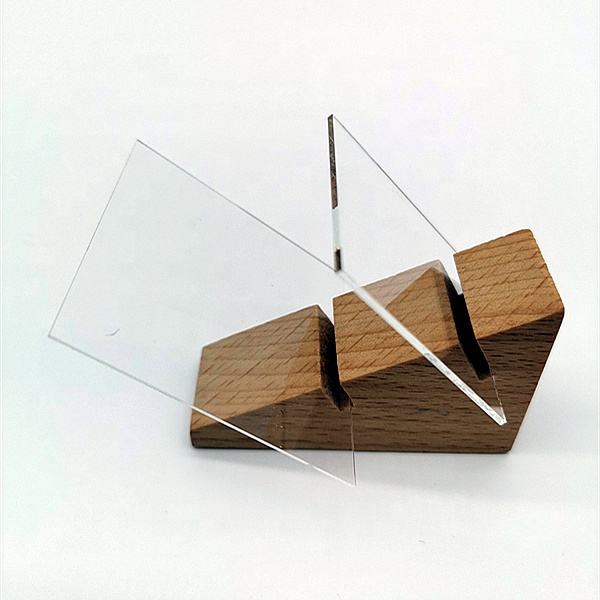
Custom Cut 0.5mm 0.7mm 1mm 1.5mm 2mm 2.5mm 3mm Corning Gorilla Temper Glass
A practical route for scratch-resistant HMI windows, instrument covers and rugged display glass where cut-to-drawing edges and print registration matter.
View product details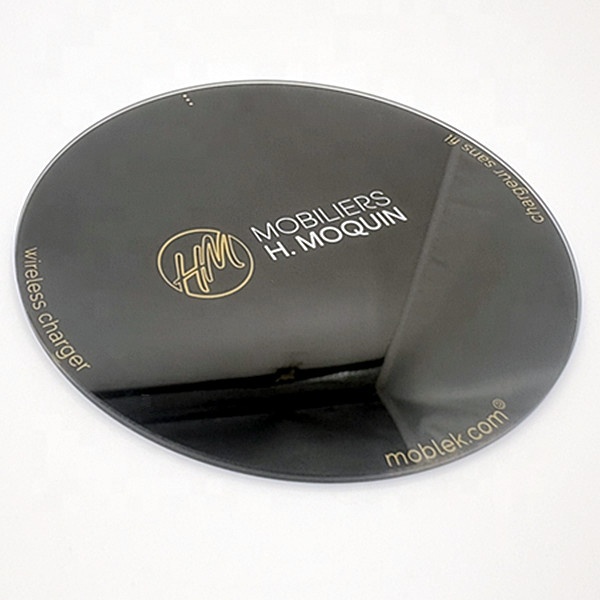
Custom Black Border Tempered Glass Panels Silk Screen Print Tempered Glass
Black border and silk-screen printed panels for appliance, electronics and control interfaces that need sharp masking and a clean assembled look.
View product details
Custom Chemically ultra Thin Clear Transparent Tempered Glass Sheet
Ion-exchange strengthened thin glass for sensor covers, protective windows and compact display stacks where weight and optical clarity are critical.
View product details
Custom 0.2mm 0.3mm 0.4mm 0.5mm 0.7mm 1mm Alkali Free Borosilicate AF32 Glass
For microfluidics, analytical devices and thin-film processes where alkali content, thermal expansion and surface uniformity must be controlled.
View product details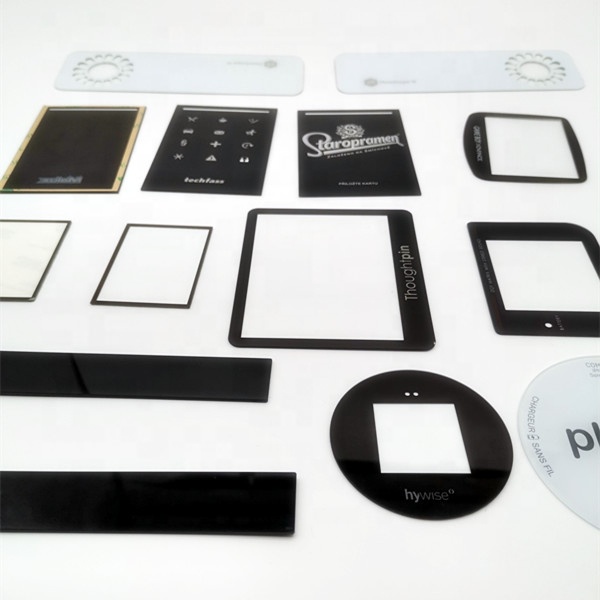
Back Painted Tempered Glass Led Glass Panel Cover Glass
Back-painted tempered glass for LED panels, lighting diffusers and appliance faceplates that need uniform color and a durable cosmetic surface.
View product details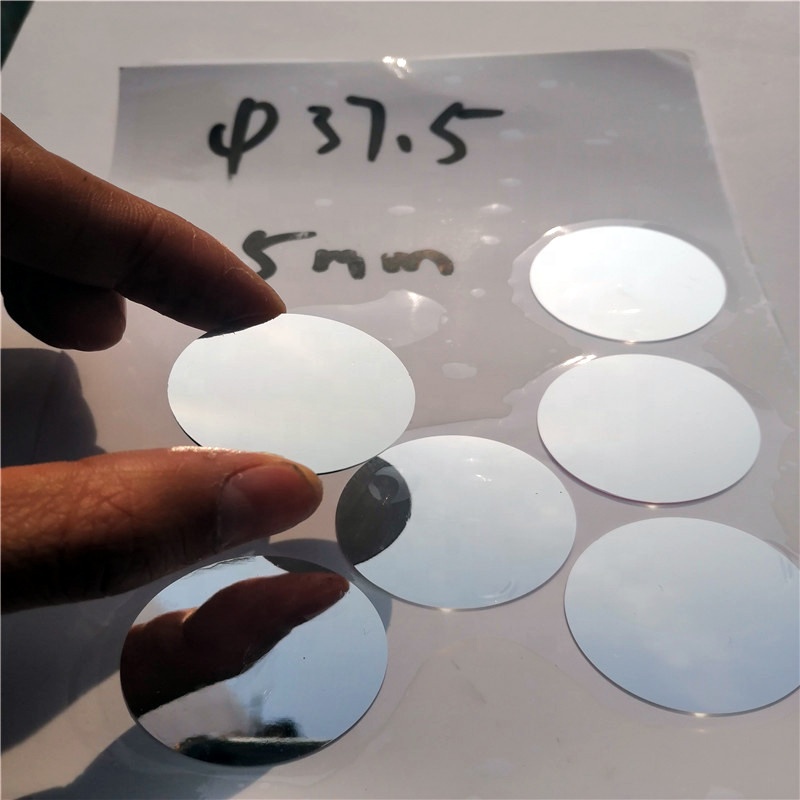
OEM Custom Heat Resistant Gobo Glass Lens
Heat-resistant gobo and lens blanks for stage, architectural and entertainment lighting, with material choices suited to thermal load.
View product details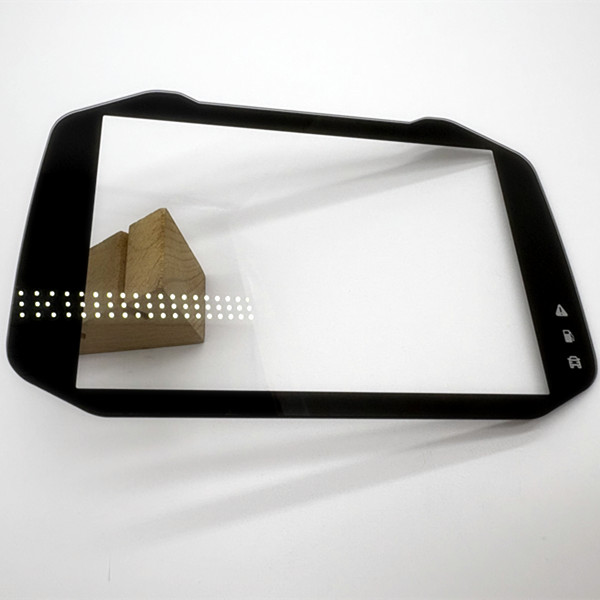
Custom Shape High Transmittance Ultra Clear Tempered Glass Panel With Anti-reflective Coating on Two Sides
High-transmission cover glass for optical displays and imaging devices where glare reduction on both surfaces improves readability.
View product details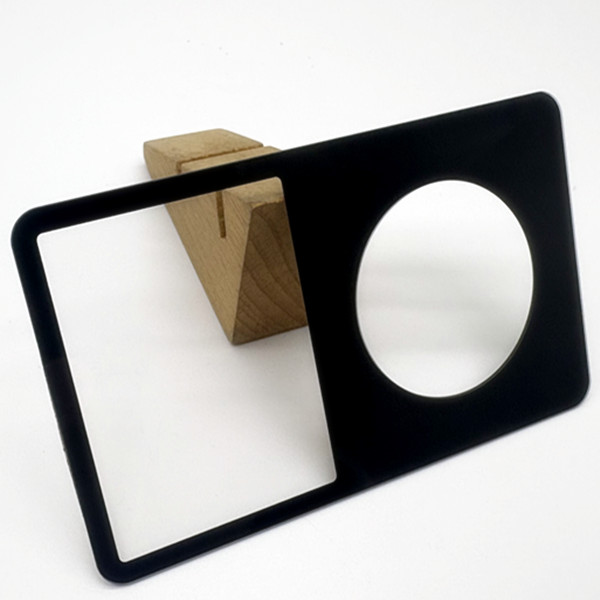
Factory Custom Smart Silkscreen Gorilla Glass Panel Tempered Glass Printing Glass
Printed Gorilla glass panels for smart controls, touch interfaces and display windows that require durable glass plus precise graphic detail.
View product detailsNeed a wholesale thin glass quote? Send your drawing, material, thickness, annual volume and Fort Worth receiving requirements for engineering review.
Get CatalogThin Glass Wafer Supply in Fort Worth: Match the Substrate to the Process
Thin glass is not a single commodity. A wafer for a biochip, a cover glass for an industrial display and a gobo blank for lighting may all be “thin,” but they are qualified against different criteria.
A 0.2 mm alkali-free borosilicate wafer for a diagnostic microfluidic chip, a 0.7 mm Corning Eagle XG substrate for a planar lightwave circuit, and an AR-coated Gorilla glass cover for a Fort Worth HMI panel all require different decisions on CTE, alkali content, flatness, edge quality, coating adhesion, print registration and packaging survival. For Fort Worth buyers, the practical question is not simply “Who sells thin glass wafers near me?” It is “Which supplier can interpret my drawing, recommend a substrate, make a sample, and ship fragile glass into my DFW receiving process without creating hidden risk?”
Fevry Glass Co., Ltd. is a specialty glass manufacturer and exporter based in Xinyu, Jiangxi, China. We are not a Fort Worth warehouse, and we do not imply local stock. Our role is factory-direct: we source traceable raw glass from Corning, AGC and established Chinese optical-glass makers such as Chengdu Guangming and Xinhuguang, then process it on laser, ultrasonic, CNC carving, grinding and inspection equipment imported from the USA, Germany and Japan.
For Fort Worth customers, that means one accountable partner for material selection, custom cutting, thermal or chemical strengthening, AR or dichroic coating, silk-screen printing, back painting and export packing. Our engineers typically reply within four hours and can review DWG, DXF or PDF drawings before you commit to tooling or volume. Use the eight product routes above, then narrow the specification with the material matrix and RFQ checklist below.
At a glance for Fort Worth RFQs
- Custom glass from 0.15 mm to 4 mm
- Eagle XG, borosilicate 3.3, AF32, Gorilla and ultra-clear options
- Thermal tempering or chemical strengthening
- Single- or double-sided AR, dichroic coating, silk print and back paint
- Typical MOQ 300–500 pcs; Eagle XG cut parts from 1,000 pcs; selected gobo blanks from 10 pcs
- Export packing for DFW freight forwarders and Fort Worth receiving docks
Where Thin Glass Wafers and Custom Cover Glass Fit in Fort Worth
Fort Worth is more than a logistics market. Aerospace, medical devices, electronics, lighting, energy and advanced manufacturing teams in the Dallas–Fort Worth corridor often need small-to-mid volume custom glass with engineering support.
Aerospace and defense electronics
Sensor windows, avionics display covers and optical spacers for prototype and non-structural hardware. Buyers usually need drawing-based samples, edge quality control and stable packaging before qualification.
Medical diagnostics and life science
Biochip substrates, analyzer filters, microfluidic covers and instrument windows can use Eagle XG, AF32 or borosilicate 3.3 where flatness, low alkali content and thermal stability matter.
Semiconductor, MEMS and photonics
Glass wafers, carrier substrates, PLC glass and V-groove glass support packaging, bonding and optical alignment. DFW teams often need low-TTV substrates with repeatable thickness and clean edges.
Automotive, EV and HMI displays
Dashboard trim panels, touch cover glass, black-border printed panels and AR-coated display windows help Fort Worth electronics teams build clean, readable interfaces for vehicles and charging equipment.
Lighting, gobo and LED panels
Heat-resistant gobo glass, dichroic lenses, back-painted LED covers and high-transmission windows serve stage lighting, architectural lighting and appliance lighting manufacturers.
Optical communication and instruments
PLC substrate glass, optical filter glass, low-expansion windows and dichroic mirrors support optical modules, measurement devices and laboratory instrumentation used across North Texas.
Fort Worth Buying Trends That Affect Thin Glass Specifications
Procurement teams in Fort Worth are balancing faster new-product introduction, supply-chain resilience, thinner device designs and stricter optical performance. These trends change what a good glass RFQ must contain.
High-mix, lower-volume NPI
Engineering teams increasingly need samples and small production runs before mass adoption. Clear drawings, realistic tolerances and a supplier who can discuss MOQ early reduce delays.
Supply-chain dual sourcing
Fort Worth buyers want traceable raw-glass sources and repeatable material batches. Eagle XG, borosilicate 3.3 and AF32 projects should reference the manufacturer datasheet, not only a thickness.
Thinner, stronger, more optical
Devices are moving toward 0.15–1.1 mm glass with chemical strengthening, single- or double-sided AR coating and precision print. These features must be specified before cutting and strengthening.
DFW receiving and fragile-glass logistics
Thin glass can arrive mechanically intact but optically compromised if packing is weak. Fort Worth receiving teams should confirm interleaving, cushioning, carton labeling and pallet configuration.
Material Selection Matrix for Fort Worth Thin Glass Projects
Use this matrix for preliminary selection, then confirm the final datasheet, tolerance stack-up and coating specification with our engineers before release.
| Material | Typical thickness | CTE (×10-6/K) | Fort Worth fit | Buyer note |
|---|---|---|---|---|
| Ultra-clear soda-lime | 0.5–4 mm | ≈9.0 | Cover glass, AR panels, printed windows, appliance faceplates | Cost-effective for display and decorative glass; not the first choice for severe thermal shock. |
| Gorilla® alkali-aluminosilicate | 0.4–2 mm | ≈7.5–8.5 | Scratch-resistant touch covers, smart panels, HMI windows | Specify chemical strengthening and print side before production; suitable for rugged consumer and industrial interfaces. |
| Borosilicate 3.3 | 0.3–3.3 mm | 3.3 | Lighting covers, gobo blanks, heat-resistant windows, lab glass | Low expansion improves thermal-shock resistance; common for lighting and instrument applications. |
| Corning® Eagle XG | 0.5–1.1 mm | ≈3.2 | Biochips, wafers, PLC substrates, micro-optics | Alkali-free and dimensionally stable; confirm flatness, TTV and edge requirements for micro-fabrication. |
| Alkali-free AF32 / borosilicate | 0.2–1.1 mm | ≈3.2 | Microfluidics, analytical devices, thin-film processing | Ask for the relevant datasheet when alkali content, surface quality and thermal history are critical. |
| Chemically strengthened thin glass | 0.15–2 mm | Base-glass dependent | Ultra-thin protectors, sensor covers, compact display stacks | All cutting, drilling and edge grinding must be completed before ion exchange; rework after strengthening is not practical. |
Values are typical industry figures for preliminary selection. Final specifications are confirmed against the manufacturer datasheet and your drawing.
What to Send with Your Fort Worth Thin Glass RFQ
A complete RFQ shortens sample cycles. Send the following information to info@fevryglass.com so our engineers can respond with a firm material and process recommendation.
2D drawing package
DWG, DXF or PDF with outline dimensions, tolerances, holes, notches, corner radii and revision number. If your Fort Worth team uses a drawing standard, include it.
Material and thickness
State whether you need Eagle XG, borosilicate 3.3, AF32, Gorilla, ultra-clear soda-lime or a chemically strengthened thin glass. Include target thickness and any flatness or TTV requirement.
Edge, strength and surface
Specify thermal tempering or chemical strengthening, edge finish, chip limits, surface quality and whether the part will be bonded, printed, coated or chemically cleaned.
Printing and coating
Provide Pantone references, print side, ink window details, AR coating side or sides, transmission target, dichroic color requirements and any masking instructions.
Application and volume
Describe the end use, annual demand, prototype quantity, target production date and whether the part is a cover, wafer, filter, lens or carrier. Volume helps us recommend MOQ and packing.
Fort Worth delivery details
Confirm your receiving address, freight forwarder, preferred pallet or carton labeling, and any special export-packing requirement for thin glass entering the DFW logistics corridor.
Why Fort Worth Buyers Shortlist Fevry Glass
Fevry is a China-based specialty glass supplier serving OEMs and research teams that need drawing-based custom glass, not a catalogue-only commodity seller.
Our quality principle — “Quality is superior, service is supreme, reputation is first” — and our motto “Your success, our glory” map to traceable raw materials, controlled processing, inspection before packing and responsive export communication. With more than 10 years as an Alibaba.com member, a 100% inquiry response rate, an average response time under four hours and a 5.0/5 buyer rating, we give Fort Worth sourcing teams a documented starting point for evaluation.
Traceable raw glass
We source from Corning, AGC and established Chinese optical-glass makers such as Chengdu Guangming and Xinhuguang, helping buyers start from consistent material.
In-house precision processing
Laser, ultrasonic, CNC carving, grinding and inspection equipment imported from the USA, Germany and Japan support custom outlines, holes, notches and edges.
Strengthening, coating and printing
Thermal tempering for thicker panels, ion exchange for thin glass, AR and dichroic coatings, silk-screen printing and back painting can be coordinated under one supplier.
Fast export communication
Average response time is under four hours, inquiry response rate is 100%, and the buyer rating is 5.0/5. Fort Worth project teams get a clear path from drawing review to quote.
Flexible wholesale MOQs
Most custom cover glass and AR items start around 300–500 pieces, custom-cut Eagle XG parts from 1,000 pieces, and selected gobo glass blanks from 10 pieces. Samples can be discussed.
Export experience
We serve China and export to Western Europe, the United States, Japan, South Korea, Taiwan, Hong Kong and Southeast Asia, with packing designed for fragile thin glass.
Thin Glass Wafer Buying Questions from Fort Worth Teams
Clear answers help sourcing managers, mechanical engineers and lab buyers evaluate a factory-direct supplier before requesting samples.
Are you a Fort Worth-based supplier or an overseas manufacturer?
Fevry Glass Co., Ltd. is a specialty glass manufacturer and exporter based in Xinyu, Jiangxi, China. We are not a Fort Worth warehouse and do not claim local inventory. Fort Worth customers work with us factory-direct for drawing review, samples, production and export packing, with freight coordinated to their DFW receiving address or forwarder.
Do you keep thin glass wafers in stock in Fort Worth?
No. Our model is custom and drawing-based. Most thin glass wafers, cover glass and printed panels are produced to order after material, thickness, coating, print and packaging are confirmed. If you need a local stocking distributor, qualify that separately; if you need factory-direct custom production, our team can quote from your drawing and volume.
What is the minimum order quantity for thin glass wafers and cover glass?
Most custom cover glass and AR glass items start from about 300–500 pieces. Custom-cut Corning Eagle XG parts typically start from 1,000 pieces, while selected gobo glass blanks may start from 10 pieces. MOQ depends on material, size, coating, printing and yield, so send your drawing and annual demand for an accurate range.
Can I approve a sample before placing a production order?
Samples can be arranged to validate fit, edge quality, print color, coating appearance and optical performance before mass production. Please include the sample quantity, target date and the criteria your Fort Worth team will measure. For chemically strengthened glass, remember that cutting and edge grinding must be finished before strengthening.
Which glass should I choose for high temperature or chemical exposure?
Borosilicate 3.3 is often selected for heat-resistant windows, gobo blanks, lighting covers and laboratory glass because its thermal expansion is about 3.3 × 10⁻⁶/K, roughly one third that of soda-lime glass. For alkali-free micro-fabrication, Eagle XG or AF32 may be more appropriate. Confirm the final datasheet against your thermal cycle and chemistry.
Do you provide AR coating on one or both sides and custom printing?
Yes. We can coordinate anti-reflective coating on one or both sides, dichroic and optical coatings, silk-screen printed borders, logos and windows, plus back painting. Please provide the coating side, transmission target, Pantone references and print-side artwork so the glass can be processed in the correct sequence.
How is thin glass packed for shipment to Fort Worth?
Thin glass requires interleaved, cushioned export packing with appropriate carton or pallet protection. Please tell us whether your Fort Worth receiving dock needs specific labeling, pallet dimensions or forwarder documentation. Final packing is confirmed with the quote because part size, thickness, coating and quantity all affect safe transport.
What information gets the fastest engineering response?
Send a 2D drawing in DWG, DXF or PDF with tolerances, thickness, material, edge finish, hole and notch positions, strengthening method, print colors, AR side or sides, application and annual quantity to info@fevryglass.com. Complete information lets our engineers reply with a firm substrate and process recommendation in one round.
Request a Thin Glass Wafer Quote with Drawing Review
Send your specifications, annual volume and Fort Worth receiving requirements. Our engineers typically reply within four hours with material guidance, MOQ and next steps.