8 Soda-Lime Glass Products for Phoenix Wholesale Buyers
The eight products below cover the custom glass formats Phoenix buyers request most often: printed display covers, AR-coated panels, dashboard trim, ultra-thin protective glass, cut-to-size sheets, gobo glass and back-painted LED covers. Some cards use Gorilla® or other premium strengthened substrates; where the application allows, our engineers can also match the format in soda-lime glass and confirm the correct thickness, strengthening method and finish before quotation.
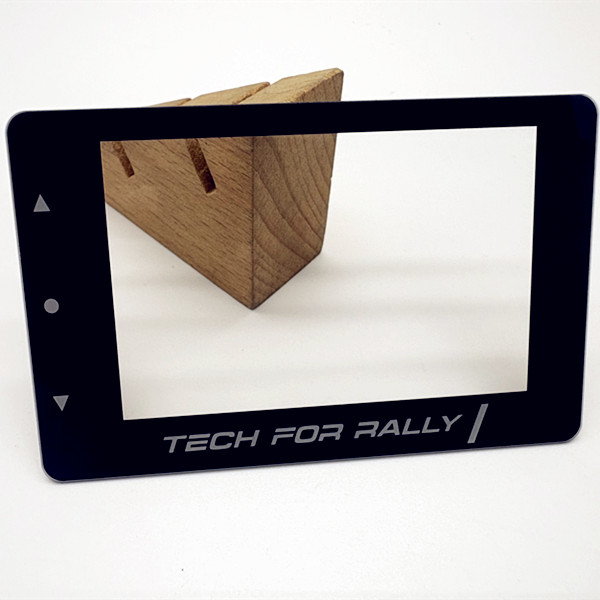
Customize Tempered Glass Silk Printed Ar Coating Gorila Glass LCD Screen protection Display
AR-coated and silk-printed cover glass for display windows, HMI panels and electronic interfaces where reflection control and clean branding are important.
View product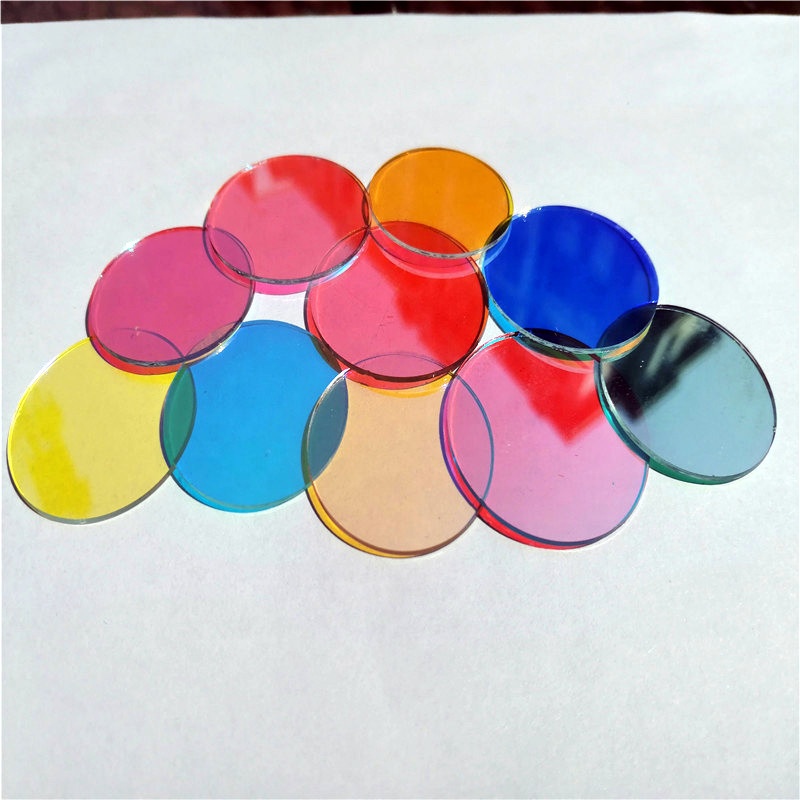
Customize logo Color Glass Gobo Glass
Decorative gobo glass for logo projection, stage lighting and architectural lighting effects; heat-resistant options can be reviewed for high-output fixtures.
View product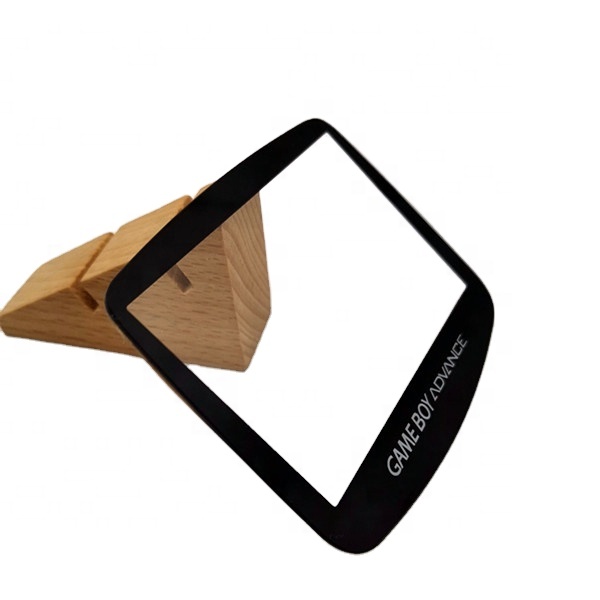
0.5mm 0.7mm 1mm 2mm 3mm Thickness China Suppliers Good Price Oem Wholesale Premium Tempered Printing Custom Gorilla Glass Screen
OEM wholesale program for thin tempered and printed screen covers, with thickness options for compact electronics and high-volume display assembly.
View product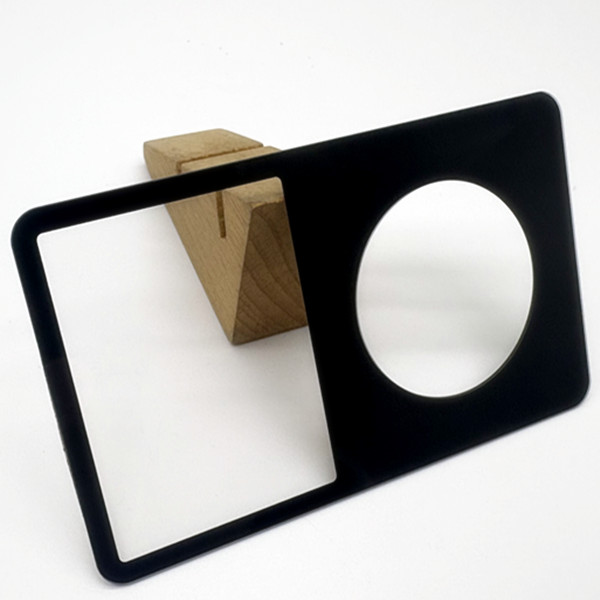
Factory Custom Smart Silkscreen Gorilla Glass Panel Tempered Glass Printing Glass
Smart control panel glass with durable silk-screen printing for appliances, building controls and touch interfaces that need crisp icons and borders.
View product
Custom Chemically ultra Thin Clear Transparent Tempered Glass Sheet
Ultra-thin chemically strengthened glass for lightweight protective windows, sensor covers and compact electronic assemblies.
View product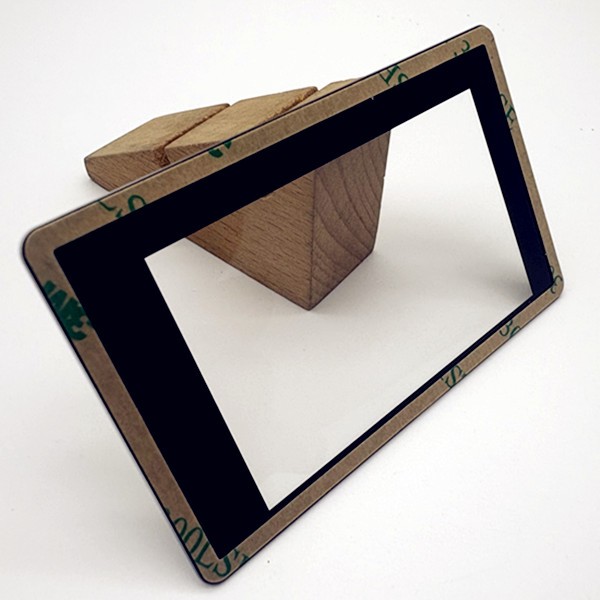
Custom Tempered Glass Dashboard Trim Panel Flat Electronic Glass Screen Protector
Flat tempered dashboard trim and screen protector glass for automotive and EV interiors, with print, edge and tolerance options confirmed to drawing.
View product
Custom Cut 0.5mm 0.7mm 1mm 1.5mm 2mm Clear Toughened Glass Tempered Corning Gorilla Glass
Cut-to-drawing clear toughened glass in thin formats for premium device windows, instrument covers and scratch-resistant display surfaces.
View product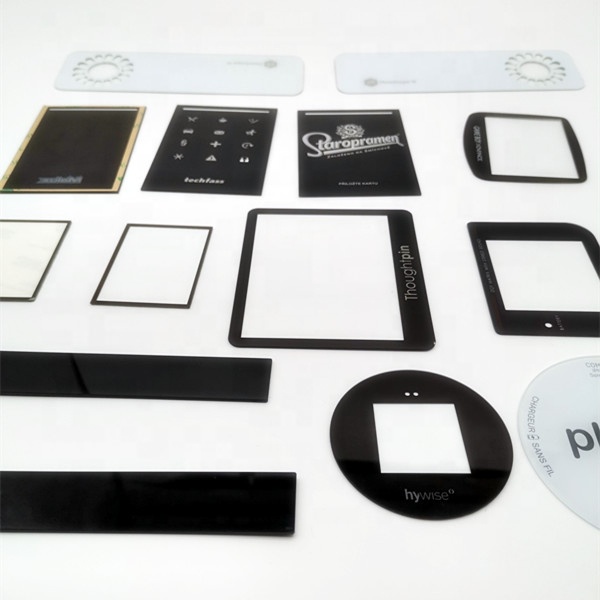
Back Painted Tempered Glass Led Glass Panel Cover Glass
Back-painted tempered glass covers for LED panels, illuminated signage and appliance interfaces requiring uniform color and a clean glass surface.
View productPhoenix Soda-Lime Glass Buying Signals at a Glance
Wholesale buyers in Phoenix need more than a low sheet price. They need stable material sourcing, clear engineering feedback, reliable inspection and export packing that protects thin glass across a long freight route. These verified supplier signals help procurement teams judge fit before requesting samples.
Why Fevry Glass Is a Reliable Soda-Lime Glass Partner for Phoenix
Fevry Glass Co., Ltd. is a specialty glass manufacturer and exporter based in Xinyu, Jiangxi, China. We do not present ourselves as a Phoenix-based fabricator or claim a local warehouse. Our value to Phoenix buyers is controlled production, traceable material sourcing and export experience: we turn a drawing into a finished glass part, inspect it against agreed criteria and pack it for the U.S. freight journey.
Traceable Raw Materials
We source raw glass from Corning, AGC and established Chinese optical-glass producers such as Chengdu Guangming and Xinhuguang. This gives Phoenix buyers material options, not a blind substitution.
In-House Cutting & Edge Work
Laser, ultrasonic, CNC carving and grinding equipment imported from the USA, Germany and Japan support custom outlines, holes, notches, slots and controlled edge finishes.
Strengthening Options
Thermal tempering suits thicker soda-lime panels; chemical strengthening is used for thin cover glass. All cutting and edge grinding are completed before strengthening because glass cannot be re-cut afterwards.
Coatings & Silk Printing
AR coating, dichroic and optical coatings, silk-screen printing and back painting can be combined with cut and strengthened glass. Pantone references and print windows are confirmed during sampling.
Inspection Before Packing
Dimensional checks for size, thickness and flatness are paired with visual defect review. For printed or coated parts, we inspect color, window alignment and surface appearance before export packing.
Export Communication
We serve buyers in the United States, Western Europe, Japan, South Korea, Taiwan, Hong Kong and Southeast Asia. Our guiding principle is “Quality is superior, service is supreme, reputation is first.”
Soda-Lime Glass Applications in Phoenix, Arizona
Phoenix is not a generic export market. Intense sun, high summer temperatures, dust, rapid construction and a growing technology base change how soda-lime glass should be specified. A panel that performs in a milder climate may show edge stress, print fade or coating wear in Arizona if the wrong finish is chosen.
Architectural & Interior Glass
Custom tempered soda-lime panels for interior partitions, signage, display walls and decorative glazing. For Phoenix projects, edge quality, print durability under UV and coordination with local framers matter more than sheet price alone.
Solar & Renewable Equipment
Protective windows, sensor covers and equipment viewing panes for solar and renewable-energy products. When optical transmission or heat exposure is critical, we compare soda-lime with low-iron or borosilicate options before quoting.
EV & Automotive Interiors
Dashboard trim, display protectors and printed interior panels for automotive and EV programs. Flat tempered glass with consistent print alignment helps local Tier suppliers reduce assembly risk and rework.
Data Center & Electronics
Touch panels, indicator windows, server bezels and protective covers for the Phoenix metro’s expanding data-center and electronics ecosystem. Thin strengthened glass and printed LED covers support clean integration.
Lighting & Signage
Gobo glass, back-painted glass, LED panel covers and UV-stable printed glass for architectural lighting, stage lighting and illuminated signage. High-output fixtures require careful heat and coating review.
HVAC, Appliance & Building Controls
Printed interface glass for thermostats, HVAC controls, appliances and building automation. Crisp icon windows, scratch resistance and consistent color are key for repeat wholesale orders.
Phoenix Trends Driving Soda-Lime Glass Demand
Phoenix’s growth is reshaping procurement priorities. Buyers in Phoenix, Tempe, Chandler, Mesa, Scottsdale, Gilbert, Glendale, Peoria, Goodyear and Surprise are not only asking for lower prices; they are asking for heat resilience, documentation, repeatability and shorter decision cycles.
Metro Growth & Construction Schedules
Rapid population and commercial growth create repeat demand for interior glass, signage and control panels. Buyers need suppliers who can confirm drawings quickly and keep print and thickness consistent across reorders.
Semiconductor & Data Center Cluster
Phoenix’s technology cluster raises demand for precision windows, carriers, protective covers and inspection glass. Buyers increasingly compare material certificates, flatness and edge quality, not just unit cost.
Solar & EV Supply Chains
Clean-energy and EV manufacturing programs favor optical clarity, heat tolerance and repeatable print alignment. We help compare soda-lime, low-iron and borosilicate 3.3 where performance requirements overlap.
Heat Resilience & Thermal Cycling
Arizona heat makes edge quality a reliability issue. Chips, sharp corners and poor print borders can concentrate thermal stress. DFM review should address corner radii, holes, borders and the choice between tempered soda-lime and low-expansion glass.
Dust, Cleaning & Optical Durability
Dust and frequent cleaning can affect coated and printed surfaces. For Phoenix use, specify UV-stable inks, adequate coating hardness and clear cleaning guidance; AR-coated parts should be handled with appropriate care.
Documentation & Dual-Source Planning
U.S. buyers increasingly want packing lists, material documentation and clear approval records. A documented sample and reorder process reduces risk when Phoenix programs add second sources or transfer between contract manufacturers.
Selecting Soda-Lime Glass for Phoenix Conditions
Soda-lime glass is economical, widely available, easy to strengthen and well suited to printing and coating. The trade-off is thermal expansion: at roughly 9 × 10⁻⁶/K, it is far more sensitive to thermal gradients than borosilicate 3.3. In Phoenix, that does not mean soda-lime should be avoided; it means the edge condition, hole placement, print geometry and strengthening method must be engineered together.
For thin display covers, chemically strengthened soda-lime or premium alkali-aluminosilicate glass may be appropriate. For thicker architectural, signage or instrument windows, thermally tempered soda-lime is often the practical choice. If the part will face rapid temperature change, concentrated radiant heat or repeated thermal cycling, our engineers may recommend borosilicate 3.3 or a design change. This is a reliability decision, not an automatic upsell.
UV exposure is another Phoenix-specific issue. Sunlight may not alter the soda-lime bulk quickly, but it can degrade the wrong inks or adhesives. Specify UV-stable inks, approve printed colors under representative lighting, and agree on coating care instructions before mass production.
| Soda-Lime Option | Typical Thickness | Phoenix Use Case | Finish Note |
|---|---|---|---|
| Chemically strengthened soda-lime | 0.5–1.1 mm | Display covers, HMI windows, sensor filters, light control panels | AR/AG review, silk print, ground edges, sample approval |
| Thin cover glass | 1.1–2.0 mm | Control panels, LED covers, appliance interfaces, portable equipment | Back paint, icon windows, print alignment, edge chamfer |
| Thermally tempered soda-lime | 3.0–4.0 mm | Interior architectural glass, signage, instrument windows, equipment guards | Edge polish, corner radii, print before tempering where applicable |
| Printed tempered glass | 1.0–4.0 mm | Branded panels, border printing, control windows, decorative glazing | Pantone reference, UV-resistant ink, color approval under lighting |
| Coated soda-lime glass | 0.5–3.0 mm | Low-reflection covers, display windows, optical equipment | Single- or double-side AR, coating hardness and cleaning guidance |
Typical selection guide only. Final specification must be confirmed against the drawing, application, annual quantity and approved sample. High-heat or rapid-cycling applications may require borosilicate 3.3 or another low-expansion substrate.
Phoenix Design Priorities — Relative Project Focus
This chart shows relative project priorities based on common Phoenix buyer questions. It is not a material property rating.
From Drawing to Phoenix Delivery
Every order starts with a drawing review, not a price list. The workflow is designed for procurement teams who need predictable communication and evidence before mass production.
1. Drawing & DFM Review
Send a 2D drawing in DWG, DXF or PDF with dimensions, tolerances, material, thickness, edge finish, hole and notch positions, strengthening method, print colors and coating sides.
2. Substrate & Finish Selection
We confirm whether soda-lime, borosilicate 3.3, Eagle XG or another substrate is appropriate; then we lock the strengthening, coating, print and edge sequence.
3. Sample & Approval
Samples validate fit, edge appearance, print color and optical performance. For Phoenix projects, approve printed colors under lighting that represents the installed environment where possible.
4. Production & Export Packing
Mass production includes in-line dimensional and visual checks. Thin glass is interleaved, cushioned and packed for international shipping, with documentation prepared for your freight forwarder.
 Precision glass processing workshop
 Imported cutting and grinding equipment
 Inspection and export packing
Sourcing, Lead Time & Specification Questions
These are the questions Phoenix-area engineers, contract manufacturers and wholesale buyers ask most often when sourcing custom soda-lime glass from an overseas supplier.
Do you have a Phoenix warehouse or local stock?
Fevry Glass produces in Xinyu, Jiangxi, China and exports to Phoenix and other U.S. markets. We do not claim a local Phoenix warehouse or guaranteed local inventory. For repeat wholesale programs, we can plan production slots, keep approved files and tooling records, and coordinate consolidated shipments with your freight forwarder. This model suits project-based buyers who can plan around ocean or air freight and need traceable custom glass rather than immediate off-the-shelf stock.
What soda-lime glass thickness should I use in Phoenix?
Thin display covers often use 0.5–1.1 mm chemically strengthened glass. Control panels and LED covers commonly fall in the 1.1–2.0 mm range. For interior architectural, signage or equipment windows, 3.0–4.0 mm thermally tempered soda-lime is often practical. The final thickness depends on span, mounting, impact requirements, edge condition and the heat load; share your drawing and application so we can recommend a starting specification.
Will Phoenix heat crack soda-lime glass?
Heat alone is usually not the sole cause of breakage. Failure risk rises when thermal stress concentrates at chips, sharp corners, tight holes or printed borders. Soda-lime glass has a relatively high coefficient of thermal expansion compared with borosilicate 3.3. For exterior, high-radiant-heat or rapid-cycling applications, specify clean edge grinding, generous corner radii and an appropriate substrate. Our engineers can compare tempered soda-lime against borosilicate 3.3 before you commit to tooling.
Can you match Pantone colors on printed glass?
Yes, we produce silk-screen printed and back-painted glass with Pantone references. Color appearance changes with glass thickness, backing, lighting and coating, so approval under representative lighting is strongly recommended. For Phoenix applications exposed to sunlight, specify UV-stable inks where appropriate and approve the print direction before mass production.
Can soda-lime glass be AR coated?
Yes. AR coating can be applied to one or both sides of suitable soda-lime glass to reduce reflection and improve display readability. Coated surfaces require proper cleaning and handling, and coating hardness or anti-glare finishes should be matched to the application. We review the coating side, transmission target, cleaning method and environmental exposure during quotation.
What is your minimum order quantity?
Most custom cover glass and AR glass items start from 300–500 pieces. Some custom-cut Eagle XG parts start from 1,000 pieces, and selected gobo glass blanks can start from as few as 10 pieces. Samples can be arranged to validate fit, print color and optical performance before mass production. MOQ is confirmed against the drawing, material and process route.
What information do you need for a Phoenix wholesale quote?
Send a 2D drawing (DWG, DXF or PDF) with outline dimensions and tolerances, thickness, glass material, edge finish, hole and notch positions, strengthening method, print colors with Pantone references, AR coating side or sides, end application and expected annual quantity. Also include the Phoenix delivery ZIP code, preferred Incoterm and any packaging or documentation requirements.
How do you pack and ship fragile glass to Phoenix?
Thin glass is interleaved and cushioned, then packed in export cartons or pallets according to size and quantity. We can work with your freight forwarder and prepare commercial invoices, packing lists and agreed inspection records. For repeat Phoenix programs, we recommend approving both the product sample and the packaging method so that reorders arrive with the same protection level.
Have a Drawing for a Phoenix Soda-Lime Glass Program?
Send your drawing, target thickness, coating side, print colors, annual volume and Phoenix delivery ZIP code to info@fevryglass.com. Our engineers typically reply within four hours with a manufacturability review, recommended substrate, sample path and quotation next steps.