Hai Phong · Precision wafer & technical glass sourcing

Quartz Wafer Manufacturers & Factory for the Hai Phong Market

Engineering-led quartz wafer and custom technical glass sourcing for Hai Phong electronics, display, automotive, lighting and optical manufacturing teams — cut to drawing, documented for import, and packed for fragile thin-glass export.

Product recommendation

8 precision glass products for Hai Phong OEM projects

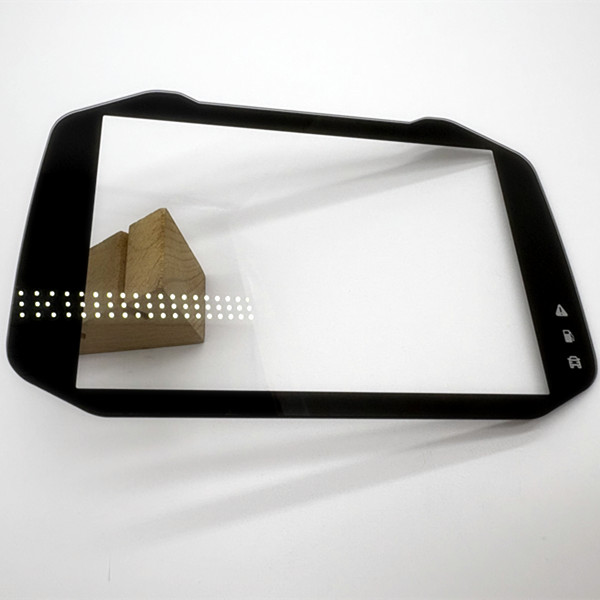
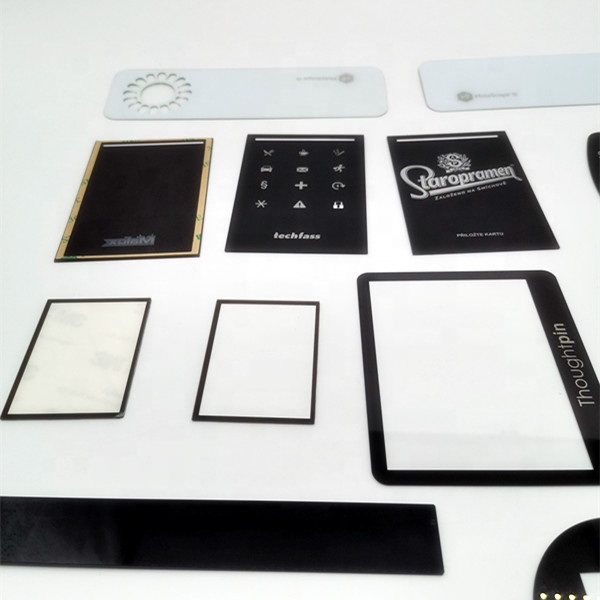
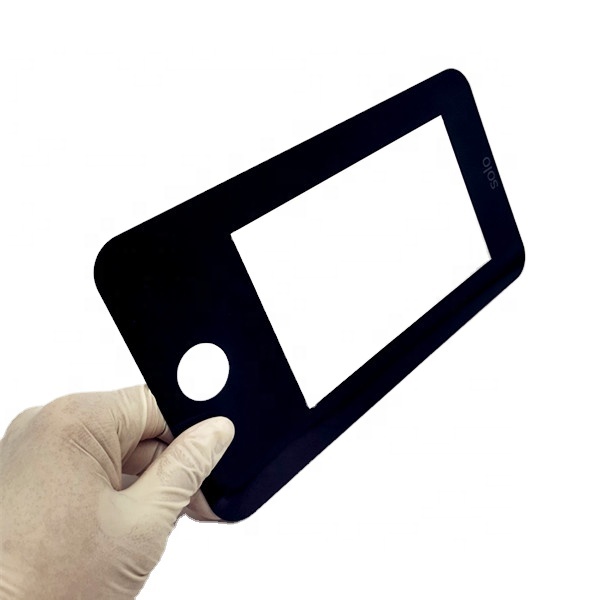
These export-ready products support display modules, optical windows, sensor covers, lighting components and industrial control panels. Each product is processed to drawing, and the original product links are retained below for direct technical review.

10+Years as an Alibaba.com member
≤4hAverage inquiry response time
100%Inquiry response rate
5.0/5Buyer rating record
7+Export regions served
0.15–4mmCustom technical glass range
Search intent & specification clarity

What Hai Phong buyers mean by “quartz wafer” — and why specification quality decides total cost

In Hai Phong sourcing conversations, “quartz wafer” is often used as a broad search label for a precision substrate: fused silica wafers, quartz glass discs, borosilicate glass wafers, alkali-free glass wafers for biochips, or thin technical-glass carriers for semiconductor, optical and display processes. The search term may be simple, but the purchase decision is not. A wafer that works for one optical alignment fixture may fail in a high-temperature bonding step, and a glass that passes visual inspection may still create coating defects after cleaning.

For a Hai Phong manufacturer, the practical question is not only “who sells quartz wafers?” but “which factory can interpret my drawing, recommend the correct substrate, control the edge profile, document the lot, and pack thin glass safely for import into Vietnam?” That is where cut-to-drawing engineering and traceable material selection create more value than a generic catalogue list.

Fevry Glass Co., Ltd. is a specialty glass supplier based in Xinyu, Jiangxi, China. Our team works with optical, biological, semiconductor, communications, lighting and electronics customers, helping engineers move from material choice to a finished, export-ready part. For quartz wafer enquiries, we first clarify whether the application truly needs fused silica or whether an alkali-free borosilicate, Corning® Eagle XG or ultra-clear strengthened glass delivers the required flatness, transmission and cost balance.

  • Define the substrate: fused silica, borosilicate 3.3, AF32 alkali-free, Eagle XG, Gorilla®, or ultra-clear soda-lime.
  • State thickness, diameter or outline, flatness, TTV, surface roughness, edge profile and hole/notch requirements.
  • Confirm coating side, print color, strengthening method, cleaning standard and packing method before quotation.
  • Name the destination: Hai Phong port, Cat Bi airport or a nominated inland warehouse in northern Vietnam.

Hai Phong RFQ signals that improve first-pass accuracy

  • 2D drawing in DWG, DXF or PDF with dimensions and tolerances.
  • Material grade and base-glass manufacturer preference.
  • Wafer diameter, thickness, flatness and roughness targets.
  • AR coating side, transmission target and wavelength range.
  • Print colors with Pantone references and window zones.
  • Application, annual volume and first-order quantity.
  • Destination port, Incoterms preference and packaging requirement.
  • Required inspection records, material traceability and labelling format.

A complete RFQ lets our engineers recommend the substrate, process route and inspection plan in one review cycle instead of several rounds of clarification.

Hai Phong market trends

Why precision wafers and technical glass are moving closer to Hai Phong production lines

Hai Phong is no longer only a port and logistics gateway. It is a growing industrial base for electronics, displays, automotive components, lighting, optical modules and supporting precision manufacturing. For procurement teams, that shift changes the supplier requirement from “low-cost glass” to “repeatable technical glass with local application understanding.”

Electronics and display localization

Factories around Trang Due, VSIP Hai Phong and Dinh Vu–Cat Hai increasingly source display windows, printed cover glass and thin sensor covers closer to the assembly line. A supplier that can hold print registration and edge quality reduces incoming inspection load.

Thin glass and wafer-adjacent parts

Miniaturized sensors and optical modules create demand for 0.2–1.1 mm substrates with controlled flatness, clean edges and stable surfaces. Buyers need a factory that can handle ultra-thin glass without compromising packing or dimensional control.

Quality documentation expectations

As Hai Phong manufacturers integrate into global supply chains, they face more requests for dimensional reports, visual inspection records and material traceability. A documented process is becoming part of the purchasing decision, not an afterthought.

Automotive and EV electronics

Automotive display trims, dashboard lenses and sensor windows require resistance to cleaning, glare and scratching. Tempered or chemically strengthened glass with AR coating and printed masking is often more suitable than a generic glass sheet.

Lighting and optical communication

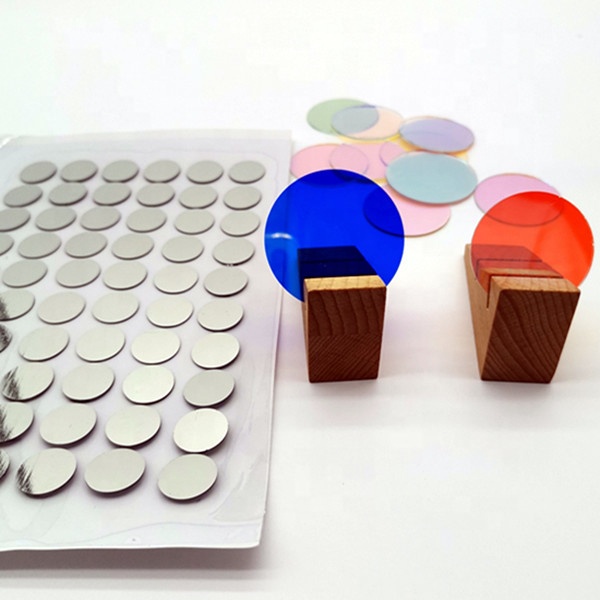
Lighting manufacturers need heat-resistant gobo blanks, dichroic glass and LED cover panels. Optical communication suppliers need flat, stable substrates such as PLC glass and V-groove glass, with precision that supports alignment and bonding.

Port-to-line supply resilience

Hai Phong’s seaport and airport access make it a natural import gateway for northern Vietnam. For fragile thin glass, however, logistics is only useful when the factory provides interleaved packing, strong cartons and clear labelling that survives multi-handling.

Localized application scenarios

Where quartz wafers and custom technical glass perform in Hai Phong

The same material can behave differently after coating, printing, strengthening, cleaning or bonding. These application scenarios show how to align the glass specification with the actual production environment in Hai Phong and northern Vietnam.

Display modules and control panels

Printed Gorilla® glass, tempered cover glass and AR-coated panels improve readability and scratch resistance for consumer devices, smart-home controls and industrial interfaces. For Hai Phong assembly lines, print registration and edge cleanliness often matter as much as the base glass.

Automotive and EV electronics

Dashboard trim panels, sensor windows and display covers require low glare, stable colour and resistance to daily cleaning. Double-sided AR glass and low-iron tempered glass can reduce reflection while preserving a neutral appearance across a vehicle cabin.

Biotech, laboratory and analyzer glass

Corning® Eagle XG and alkali-free borosilicate glass support biochips, analyzer filters, microscopy and micro-patterning. These applications value flatness, dimensional stability and a clean surface more than simple visual clarity alone.

Semiconductor and optical communication

Glass wafers, carrier substrates, PLC substrate glass and V-groove glass are used in optical alignment and packaging. When the drawing calls for fused silica or a specialty wafer, the critical control points are thickness tolerance, flatness, edge quality and surface cleanliness.

Stage, studio and LED lighting

Heat-resistant gobo glass blanks, dichroic mirrors and LED cover panels are used in lighting fixtures where thermal shock and colour consistency matter. Borosilicate 3.3 is often preferred for its low expansion, while coated glass adds optical function.

Smart home and industrial instruments

Custom-shaped window panels, chemically strengthened thin glass and AR-coated covers are used in appliance interfaces, metrology equipment and inspection devices. Local buyers benefit when the factory can combine shaping, printing, coating and inspection under one roof.

Material selection matrix

Quartz, fused silica and technical glass: a practical selection guide for Hai Phong buyers

“Quartz wafer” is not a single material specification. Use this matrix to align the substrate with the process environment, optical target and Vietnamese import documentation before requesting a factory quotation.

Material route Typical Hai Phong use Why engineers choose it RFQ watchpoint
Fused silica / quartz glass wafer Optical windows, laser optics, high-purity spacers, semiconductor-adjacent carriers High transmission, low thermal expansion, strong chemical stability and good high-temperature behaviour Specify grade, OH content, bubble/ inclusion class, flatness, roughness, edge profile and cleaning standard
Borosilicate 3.3 Heat-resistant windows, lighting covers, gobo blanks, laboratory glass, carriers CTE around 3.3 × 10⁻⁶/K gives good thermal shock resistance compared with soda-lime glass Confirm annealed or tempered condition; cutting and edge grinding must be finished before strengthening
Corning® Eagle XG Biochips, biological analyzer filters, PLC substrates, micro-optics Alkali-free boro-aluminosilicate with low expansion and a fusion-formed surface for flatness and dimensional stability Verify thickness, cut quality, flatness, surface cleanliness and whether the application requires a specific lot record
Alkali-free borosilicate AF32 Ultra-thin sensor covers, optical spacers, thin wafer-adjacent substrates Good chemical stability and low expansion in a thin, alkali-free format Check handling limits, edge chipping criteria, packaging method and thickness tolerance for 0.2–1 mm parts
Gorilla® / alkali-aluminosilicate glass Touch panels, display front glass, household electronics, public interfaces Excellent scratch resistance and mechanical strength after chemical strengthening Define print colour, AR coating side, logo window, surface strength requirement and whether the part is laminated later
Ultra-clear soda-lime glass Cost-sensitive AR covers, LED panels, smart-home windows, industrial display windows Good clarity, wide availability and efficient processing for larger cover-glass formats Thermal shock resistance is lower than borosilicate; for thin parts consider chemical strengthening and careful packing

Values and recommendations are for preliminary material selection. Final specifications should be confirmed against the drawing, the application environment and the selected glass manufacturer’s datasheet.

Fevry Glass precision glass processing workshop
Imported cutting and grinding equipment for custom glass processing
Optical glass inspection and export packing
Factory advantages

A practical quartz wafer and technical glass partner for Hai Phong procurement teams

Fevry Glass Co., Ltd. supports buyers who need more than a list of glass sizes. We combine material sourcing, engineering review, precision processing, optical coating, silk-screen printing and export packing in one workflow. Raw glass is sourced from established producers such as Corning, AGC and Chinese optical-glass makers including Chengdu Guangming and Xinhuguang, so the project starts from a traceable material basis rather than an undefined sheet.

Our technicians use laser, ultrasonic, CNC carving, grinding and inspection equipment imported from the USA, Germany and Japan. That equipment base supports custom outlines, holes, notches, edge finishing, thin-glass handling and dimensional inspection — the process steps that often determine whether a wafer or cover glass integrates cleanly into a Hai Phong production line.

Traceable raw material

Material-source discussion before quotation helps avoid unapproved substitutions.

Cut-to-drawing processing

Laser, CNC and ultrasonic routes for custom shapes, holes and edge profiles.

Coating and printing

AR coating, dichroic coating, silk-screen printing and back painting options.

Inspection discipline

Dimensional and visual checks before packing, with records confirmed per order.

Export-ready packing

Interleaved and cushioned packing designed for fragile thin glass.

Responsive communication

≤4-hour average response time and a 100% inquiry response rate.

Our guiding principle — “Quality is superior, service is supreme, reputation is first” — and our motto “Your success, our glory” shape every quotation, sample and shipment we prepare for Hai Phong buyers.

From RFQ to delivery

A six-step path from Hai Phong drawing to approved wafer or glass part

This process is designed for procurement teams that need predictable communication, clear engineering feedback and fewer surprises between sample approval and mass production.

Share the drawing

Send DWG, DXF or PDF files with dimensions, tolerances, material, thickness, coating and print details.

Engineering review

We check manufacturability and recommend substrate, edge finish, strengthening and process route.

Material confirmation

Base glass, coating side, print colour and inspection criteria are confirmed before sampling.

Sample validation

Samples validate fit, appearance, transmission, print registration and packing expectations.

Mass production

Processing proceeds with in-line dimensional and visual checks against the approved specification.

Export packing

Parts are interleaved, cushioned and labelled for shipment to Hai Phong or a nominated address.

Quality, documentation & logistics

What Hai Phong buyers should confirm before placing a quartz wafer or glass order

Trust in a technical glass supplier is built from evidence: material traceability, drawing control, inspection records and packing discipline. The following checkpoints help align Fevry Glass with your incoming quality control process.

Quality and documentation checklist

  • Approved drawing revision and tolerance table.
  • Base-glass material source and thickness confirmation.
  • Edge profile, chip criteria and surface defect limits.
  • Coating side, transmission target and appearance standard.
  • Print colour reference and window-zone registration criteria.
  • Dimensional and visual inspection records as agreed in the quotation.
  • Lot, carton and part labelling format for easy receiving in Vietnam.

Packing and delivery to Hai Phong

  • Thin wafers and fragile covers are interleaved and cushioned individually or in controlled stacks.
  • Cartons are reinforced for multi-handling, container loading and inland transport in northern Vietnam.
  • Shipping can be arranged to Hai Phong port, Cat Bi airport or a nominated warehouse address.
  • Commercial invoice, packing list and agreed inspection documents support customs clearance.
  • Incoterms, shipping method and delivery scope are confirmed in the quotation.
  • Repeat orders can use the approved drawing, material and packing specification as the control baseline.
Hai Phong buyer FAQ

Common local procurement questions for quartz wafers and custom glass

These are the questions engineering and sourcing teams in Hai Phong ask most often when evaluating a factory for quartz wafer, technical glass and custom cover-glass projects.

Are you a quartz wafer manufacturer or a custom glass processing factory?

Fevry Glass is a specialty technical-glass factory with cut-to-drawing processing capabilities. For quartz wafer enquiries, our engineers clarify whether the drawing calls for fused silica, quartz glass, borosilicate, alkali-free AF32, Corning® Eagle XG, Gorilla® glass or another substrate. We then recommend a material route and process the part to your drawing, rather than offering a one-size-fits-all wafer.

Can you supply custom wafers and technical glass to Hai Phong and northern Vietnam?

Yes. Fevry Glass serves customers in China and exports to Western Europe, the United States, Japan, South Korea, Taiwan, Hong Kong and Southeast Asia. For Hai Phong buyers, we can quote shipment to Hai Phong port, Cat Bi airport or a nominated inland warehouse. Packing and documents are aligned with fragile thin-glass handling and customs clearance requirements.

What is the minimum order quantity for quartz wafer or custom glass projects?

Most custom cover glass and AR glass items start from around 300 to 500 pieces. Some custom-cut Eagle XG parts start from 1,000 pieces, while selected gobo glass blanks can start from 10 pieces. The final MOQ depends on material, thickness, size, coating, printing and packing method, so it is confirmed after drawing review.

What files and information do you need to quote a Hai Phong project?

Send a 2D drawing in DWG, DXF or PDF with outline dimensions, tolerances, thickness, material, edge finish, hole and notch positions, strengthening method, print colours with Pantone references, AR coating side or sides, the end application and expected annual quantity. Also include the destination in Vietnam and any required inspection or labelling format.

How do I choose between fused silica, borosilicate 3.3 and Eagle XG?

Choose fused silica or quartz glass when high transmission, low thermal expansion and high chemical stability are essential. Choose borosilicate 3.3 for heat-resistant windows, gobo blanks and lighting parts where thermal shock resistance matters. Choose Eagle XG for biochips, analyzer filters and PLC substrates where an alkali-free, flat fusion-formed surface supports micro-patterning and bonding.

Can you process wafers with holes, slots, notches and custom outlines?

Yes. Our processing routes include laser, ultrasonic, CNC carving, grinding and inspection. We can quote custom outlines, holes, notches, slots, chamfers, flat edges and other drawing features. For thin glass, we review handling risk, edge-chip criteria and packing method before confirming the process.

Can AR coating, silk-screen printing and strengthening be combined on one part?

In many cases, yes. A typical display or instrument part may combine tempered or chemically strengthened glass, silk-screen printing and AR coating. The exact sequence depends on the coating, ink, strengthening method and inspection requirements. We review the interaction of these processes before sampling so that print appearance and optical performance remain stable.

How are thin wafers and fragile glass packed for export?

Thin glass is interleaved and cushioned to reduce surface contact and edge impact during transport. Cartons are reinforced, labelled and packed for multi-handling. For very thin wafers or large panels, we confirm the stack height, separators and carton design before production, especially when the destination is Hai Phong or another humid northern Vietnam location.

What quality records can be provided for incoming inspection?

Dimensional and visual inspection records can be agreed in the quotation, together with material traceability information available for the selected substrate. The final documentation package depends on the product and order scope. We recommend agreeing the inspection items, sampling plan and labelling format before mass production so that your Hai Phong receiving team can verify the shipment efficiently.

How quickly can I receive a response and a quotation?

Our average inquiry response time is within four hours, and our inquiry response rate is 100%. A first engineering response can usually begin once we receive the drawing, material preference, quantity and destination. Firm quotation and sample timing are confirmed after the specification and process route are clear.


Send your Hai Phong wafer or glass drawing — get an engineering-reviewed catalog and quotation

Share your material, thickness, tolerance, coating, printing, application and annual volume. Our team will review the specification, recommend the practical substrate route and support your sample-to-production plan with export-ready packing for Hai Phong.

Get Catalog info@fevryglass.com

Fastest review: include a 2D drawing and destination port in your first message.