Polished Glass Products for Tokyo OEM Sourcing
These eight product families cover the requests Tokyo engineers send us most often: custom Gorilla® tempered glass, low-iron unbreakable tempered glass, silk-screen printed touch glass, black display panels, heat-resistant gobo blanks and dichroic lighting filters. Each item is processed to a drawing and can be combined with edge polishing, AR coating, printing, strengthening and export packing.
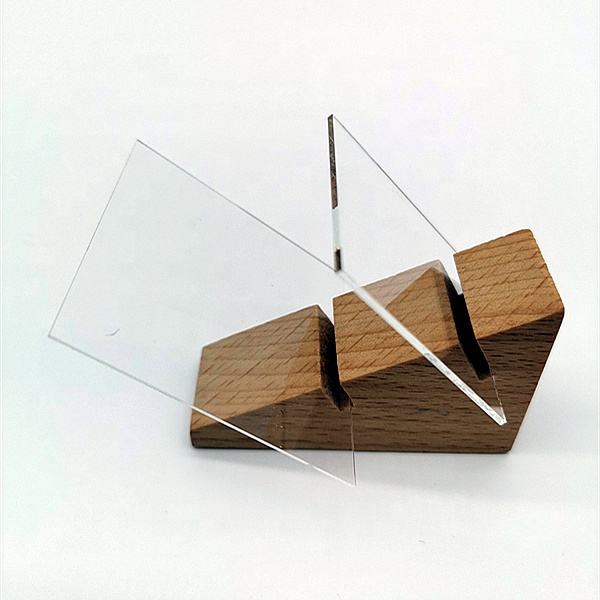
Custom Cut 0.5mm 0.7mm 1mm 1.5mm 2mm 2.5mm 3mm Corning Gorilla Temper Glass
Corning® Gorilla® tempered glass cut to 0.5, 0.7, 1, 1.5, 2, 2.5 or 3 mm for touch covers, instrument windows and display protection.
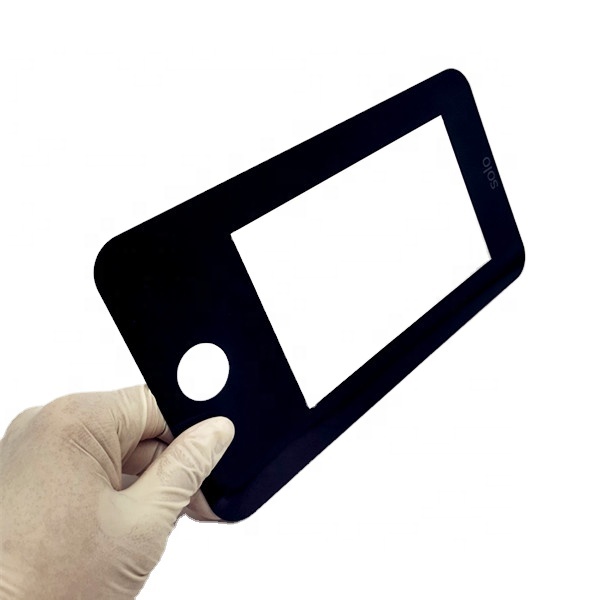
Manufacturer Oem Wholesale Custom Unbreakable Tempered Glass, high Quality Tempered Glass, low Iron Tempered Glass Manufacturer
Low-iron tempered glass for OEM projects that need high clarity, impact resistance and a clean polished edge for appliance or control-panel windows.
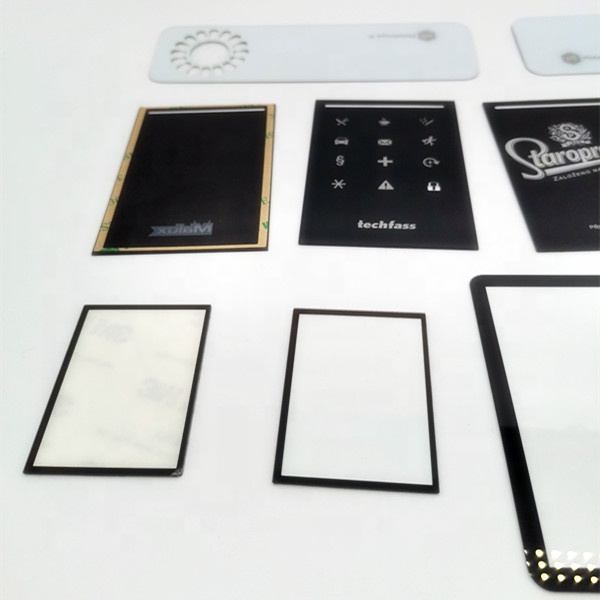
Custom Corning Gorilla Tempered Glass Silk Screen Printing for Touch Screen
Gorilla® tempered glass with silk-screen printing for touch screens. Combine black borders, icon windows, Pantone-matched logos and optional AR coating.
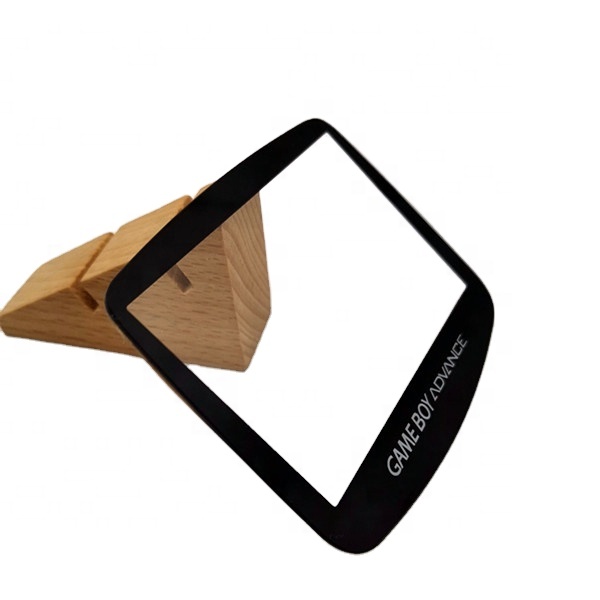
0.5mm 0.7mm 1mm 2mm 3mm Thickness China Suppliers Good Price Oem Wholesale Premium Tempered Printing Custom Gorilla Glass Screen
Wholesale custom Gorilla® display glass for buyers comparing China suppliers. Specify thickness, outline, printing and edge finish.

Custom 0.3mm 0.5mm 0.7mm Heat Resistant Gobo Glass Blanks for Projector
Heat-resistant gobo glass blanks for projectors and high-power lighting. Borosilicate substrates help maintain pattern sharpness under thermal load.
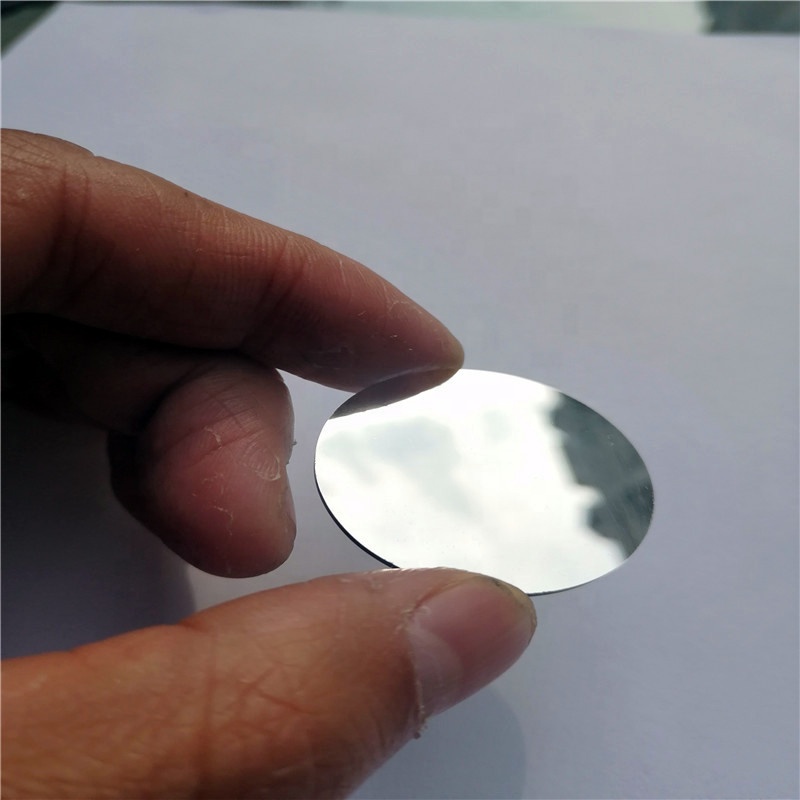
Gobo Glass/dichroic Mirror Lighting Filters Glass Lens
Dichroic mirror and lighting filter glass for stage, studio and architectural lighting. Custom shapes and coatings support color separation and beam control.
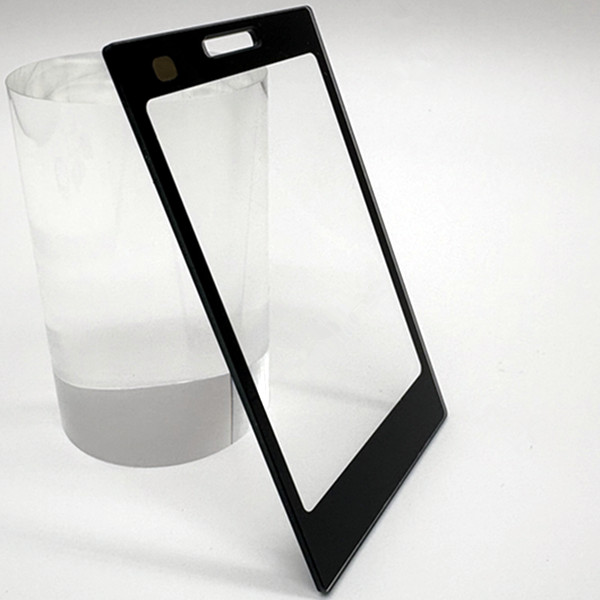
Factory Customized Black Glass Panel Silk Screen for Display Touch Electronic Glass
Black silk-screen display glass for touch electronics and control panels. Opaque borders, hidden windows and polished surfaces create a clean front panel.
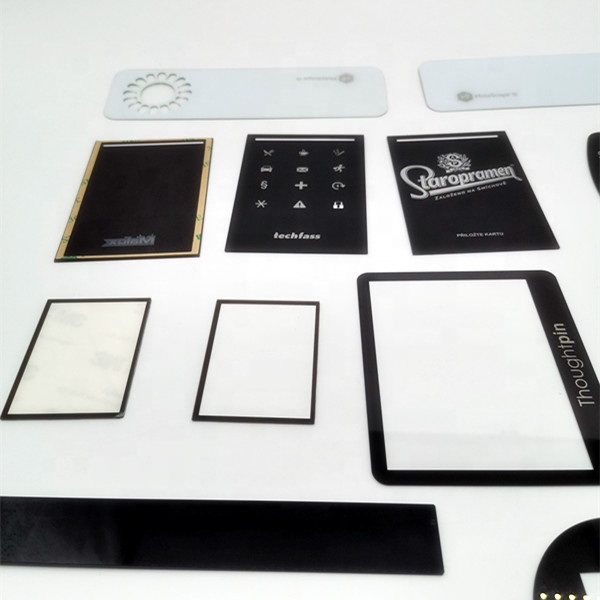
Custom Display Screen Silk Screen Printing Tempered Gorilla Glass
Silk-screen printed tempered Gorilla® glass for displays, instruments and consumer electronics. Cut to drawing with polished edges and protective packing.
Why Tokyo Buyers Source Polished Glass by Drawing, Not by Catalog
Tokyo’s electronics, automotive, lighting, biotech and semiconductor clusters are built around high-mix, low-volume engineering. A polished glass cover that works in one device rarely transfers unchanged to the next. The thickness, edge profile, print window, coating side, tolerance stack and packing method all affect fit, optical performance and production yield. That is why serious Tokyo buyers source by drawing, not by a generic catalog photo.
Fevry Glass Co., Ltd. is a China-based specialty glass manufacturer in Xinyu, Jiangxi, and an exporter serving Tokyo and other Japanese OEM teams. We are not a Tokyo-based factory. What we provide is direct factory engineering: raw glass selected from Corning, AGC and established Chinese optical-glass makers, then cut, ground, strengthened, coated, printed and inspected under one roof. This structure keeps communication short and accountability clear.
Polished glass is not only a cosmetic upgrade. A ground and polished edge reduces the risk of chipping during handling and assembly, improves the tactile feel of exposed covers, and supports a cleaner appearance on black or back-painted panels. For Tokyo products with tight cosmetic standards, edge quality, surface protection and optical appearance are often checked as carefully as dimensional tolerance.
Send these details for a one-round engineering review:
- 2D drawing in DWG, DXF or PDF format
- Material and thickness requirements
- Outline, hole and notch tolerances
- Edge finish: flat, pencil, chamfer or polished
- Strengthening method and impact requirement
- AR coating side(s), reflection or transmission target
- Print colors, Pantone references and window layout
- Application, annual volume and target schedule
Where Polished Glass Performs in Tokyo and Greater Tokyo
From EV cockpit displays to stage lighting and lab automation, Tokyo teams need glass that fits the enclosure, looks correct on the line and survives international shipping.
Automotive Cockpit & EV Interiors
Printed tempered cover glass for dashboard trim, center-stack displays and control panels. AR coating reduces glare without changing the interior design language.
Smart Home & IoT Controls
Black glass panels with silk-screen windows, icons and polished edges for wall switches, appliances and home-energy controls.
Metrology & Analytical Instruments
Flat, stable glass windows, Eagle XG substrates and optical filters for inspection, imaging and laboratory equipment.
Stage, Studio & Architectural Lighting
Gobo blanks, dichroic filters and heat-resistant borosilicate lenses for high-power LED, projector and studio lighting.
Biotech & Lab Automation
Alkali-free Eagle XG glass for biochips, analyzer windows and microfluidic substrates where flatness and dimensional stability matter.
Semiconductor & Optical Communication
Glass wafers, PLC substrates and V-groove glass for packaging, alignment and photonic assembly.
Polished Glass Trends Tokyo Product Teams Are Designing Around
These are not abstract forecasts. They are practical shifts visible in RFQs from display, lighting, instrumentation and semiconductor teams.
Chemically Strengthened Thin Glass
0.15–2 mm ion-exchange glass keeps devices light while protecting touch surfaces. Thermal tempering still wins around 3 mm and above.
Glare-Free Display Windows
Double-sided AR coating can raise transmission to roughly 98% in typical specifications and reduce ghost reflections in automotive, medical and outdoor displays.
Borosilicate 3.3 for Compact Fixtures
Tokyo lighting and stage brands are pushing more power through compact fixtures, increasing demand for borosilicate 3.3, gobo blanks and dichroic filters.
High-Mix, Low-Volume Production
Engineering teams need samples fast. A drawing-based workflow, realistic MOQs and clear sample approval matter more than a large stock catalog.
Traceability and Inspection Reports
Buyers increasingly want raw-glass source, batch consistency, dimensional reports and packing verification before release to production.
Export Packing for Fragile Thin Glass
For Tokyo routes, interleaved film, edge protection, moisture control and carton labeling reduce breakage, rework and line-side handling risk.
Polished Glass Material Guide for Tokyo Engineering Teams
Use this table for preliminary selection, then confirm final properties against the manufacturer datasheet and your drawing. The right substrate depends on thermal load, optical target, chemical exposure, strength and cost.
Typical Properties for Preliminary Selection
| Material | Thickness Range | CTE (×10⁻⁶/K) | Best For |
|---|---|---|---|
| Ultra-clear soda-lime | 0.5–4 mm | ≈9.0 | Cover glass, AR panels, printed windows |
| Gorilla® alkali-aluminosilicate | 0.4–2 mm | ≈7.5–8.5 | Scratch-resistant touch and display covers |
| Borosilicate 3.3 | 0.3–3.3 mm | 3.3 | Heat-resistant windows, gobo, lab glass |
| Corning® Eagle XG | 0.5–1.1 mm | ≈3.2 | Biochips, wafers, PLC and micro-optics |
| Chemically strengthened thin glass | 0.15–2 mm | Base-glass dependent | Ultra-thin protectors, sensor covers |
CTE = coefficient of thermal expansion. Values are typical industry figures for preliminary selection only; final specifications are confirmed against the supplier datasheet and your approved drawing.
Soda-Lime Glass
Cost-effective for large covers and printed windows, but its higher thermal expansion demands careful process control during strengthening and coating.
Borosilicate 3.3
A strong choice for heat-resistant windows, gobo blanks and instrument glass where thermal shock or chemical exposure is expected.
Corning® Eagle XG
Alkali-free boro-aluminosilicate glass with excellent flatness and dimensional stability for biochips, wafers and PLC substrates.
Why Tokyo Buyers Shortlist Fevry Glass
E-E-A-T for a custom glass supplier is earned in drawings, samples, inspection records and repeat shipments. Fevry Glass has operated as an Alibaba.com member for more than 10 years, maintains a 5.0/5 buyer rating, and serves customers in Western Europe, the United States, Japan, South Korea, Taiwan, Hong Kong and Southeast Asia. Our principles — “Quality is superior, service is supreme, reputation is first” and “Your success, our glory” — are practical commitments: quote what the factory can hold, inspect before packing, and protect every fragile shipment.
10+ Years of Export Experience
Public Alibaba.com records show long-term membership, a 5.0/5 rating and a 100% inquiry response rate. For Tokyo buyers, a documented trading history reduces sourcing risk.
Traceable Raw Glass
We source from Corning, AGC, Chengdu Guangming and Xinhuguang. Material choice is matched to the application, not to a single stock sheet.
Imported Processing Equipment
Laser, ultrasonic, CNC, grinding and inspection equipment from the USA, Germany and Japan supports tight outlines, holes, notches and edge quality.
In-House Finishing
Cutting, edge polishing, thermal or chemical strengthening, AR coating, silk-screen printing, back painting and final inspection can be coordinated in one production flow.
Engineered Communication
Send a drawing and receive a manufacturability review, material recommendation and sample proposal. Average inquiry response is ≤4 hours; technical questions stay with people who understand the process.
Japan-Ready Packing
Thin glass is interleaved and cushioned; cartons are labeled for export and protected against moisture. We can discuss special labels or inspection points required by your Tokyo quality team.
From Drawing to Tokyo Delivery
A clear six-step path keeps sample loops short, production predictable and export packing aligned with fragile thin glass.
Share the Drawing
Send DWG, DXF or PDF, material, thickness, tolerances, edge finish, coating, print colors, application and annual volume.
Engineering Review
We check manufacturability, flag tolerance risks and recommend the right substrate and strengthening method.
Quotation & Sample
Approve price, MOQ and sample timing; validate fit, print color and optical appearance before mass production.
Production
Cutting, CNC and ultrasonic machining, edge polishing, strengthening, coating and printing run to the approved drawing.
Inspection
Dimension, flatness and visual checks are made against the agreed criteria; packing protection is verified before cartons are sealed.
Export & Delivery
Export cartons are prepared for air or sea freight to Tokyo, with documentation, marks and Incoterms confirmed before shipment.
Common Questions from Tokyo Glass Buyers
These are the questions sourcing and engineering teams ask most often when evaluating a polished glass supplier for Japan-bound programs.
Are you a Tokyo-based glass manufacturer?
No. Fevry Glass Co., Ltd. is a specialty glass manufacturer based in Xinyu, Jiangxi, China, and an exporter serving Tokyo and other Japanese OEMs. If your policy requires a local Japanese factory, we are transparent about that. If you need a direct manufacturing partner with English-language engineering support and Japan-bound export experience, we can review your drawing and ship samples.
What is the MOQ for a Tokyo sample or trial order?
Most custom cover glass and AR glass items start around 300–500 pieces; custom-cut Corning® Eagle XG parts often start around 1,000 pieces; selected gobo glass blanks can start from 10 pieces. Samples can be arranged before mass production. Final MOQ depends on size, material, printing and coating.
Can you provide inspection reports or material certificates?
We can discuss dimensional inspection reports, visual inspection criteria and available material documentation. Please state your required document list in the RFQ, including any buyer-specific inspection labels or packaging requirements. Compliance for the final application remains the buyer’s responsibility unless specifically agreed in writing.
Which shipping method is better for thin glass to Tokyo?
Samples and urgent approval lots usually move by air; production volumes normally move by sea. Thin glass is interleaved, cushioned and packed to reduce edge stress. We confirm Incoterms, carton marks and documentation before shipment.
How do you control scratches, chips and edge quality?
Edges are ground and polished to the approved drawing; surfaces can be protected with film; parts are interleaved during packing. Inspection checks outline, holes, edge appearance and visible defects before cartons are sealed.
Can you match Pantone colors for silk-screen printed glass?
Yes—provide Pantone references, print area files and the desired opacity. Print color is validated on a sample because ink appearance changes with glass thickness, backing color and AR coating. We can also combine print with black borders, icon windows and anti-reflective coating.
Send Your Drawing. Get a Tokyo-Ready Glass Review.
Email your 2D drawing, material, thickness, coating and print requirements to info@fevryglass.com, or use the inquiry button. Our team typically replies within 4 hours with manufacturability questions and next steps.