Photomask Glass Manufacturers & Factory for Udon Thani
Factory-direct photomask-related glass substrates, carrier and cover glass, display windows and optical panels for Udon Thani’s electronics, lighting, laboratory and industrial buyers — cut, strengthened, coated, printed and packed to drawing.
Eight precision glass products for Udon Thani projects
For buyers comparing photomask glass manufacturers and factories for Udon Thani, the first question is not simply “tempered or not?”. It is whether the part is a true photomask substrate, a carrier or protective cover, an optical inspection window, a printed display panel or a heat-resistant lighting lens. The eight products below cover the custom glass components most often reviewed for these adjacent applications.
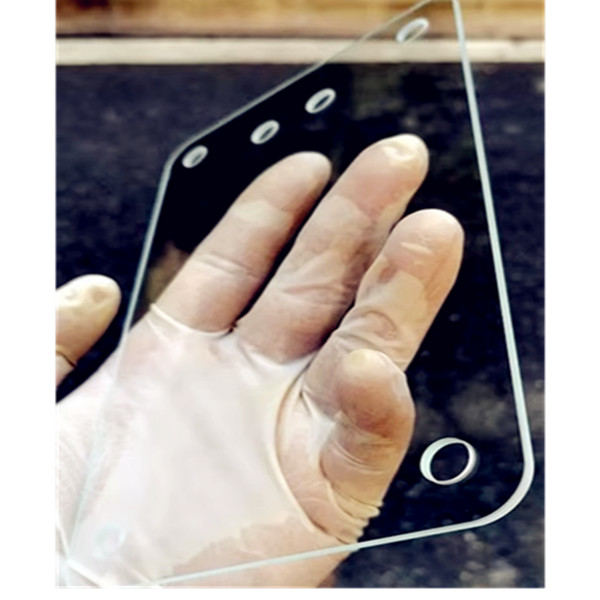
Custom Cut 0.5mm 0.7mm 1mm 1.5mm 2mm Clear Toughened Glass Tempered Corning Gorilla Glass
Clear strengthened cover glass for protective windows, compact optical assemblies and clean display covers where flatness and scratch resistance matter.
View specification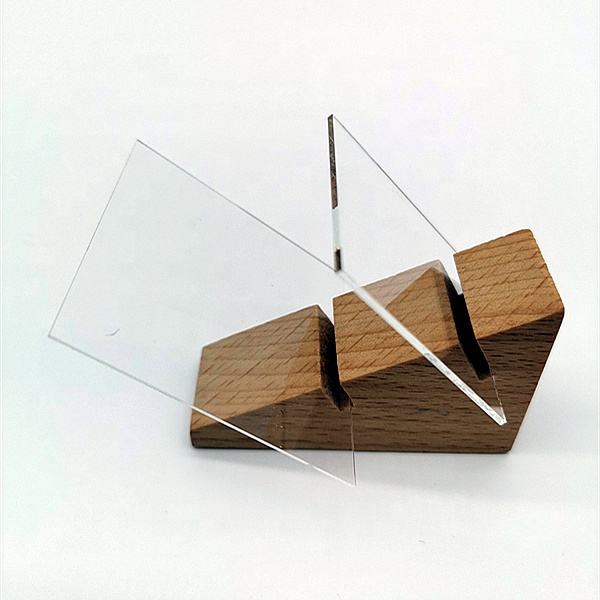
Custom Cut 0.5mm 0.7mm 1mm 1.5mm 2mm 2.5mm 3mm Corning Gorilla Temper Glass
A wider thickness range for touch cover glass, instrument windows and ruggedised electronics. Cutting, holes and edge grinding are completed before strengthening.
View specification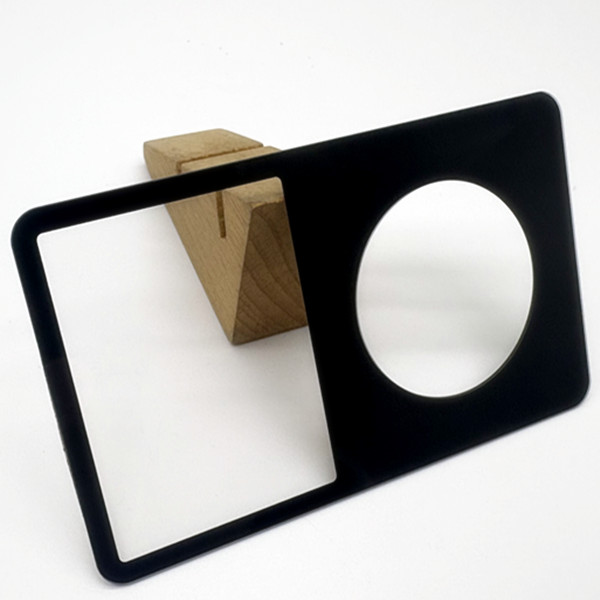
Factory Custom Smart Silkscreen Gorilla Glass Panel Tempered Glass Printing Glass
Printed Gorilla glass panels for smart controls, appliance windows and display interfaces, with print windows and icons aligned to your drawing.
View specification
Custom Black Border Tempered Glass Panels Silk Screen Print Tempered Glass
Black-border printed glass for bezel masking, display frames and optical apertures, helping hide bonding areas while keeping the window clear.
View specification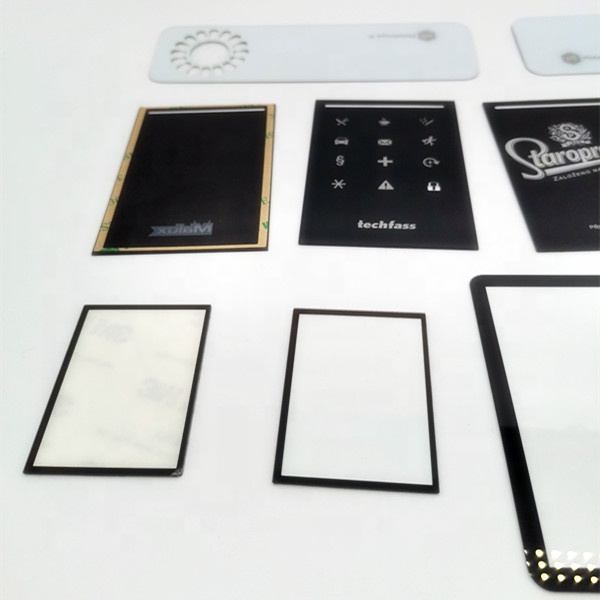
Custom Corning Gorilla Tempered Glass Silk Screen Printing for Touch Screen
Printed cover glass for touch screens and HMI panels, combining scratch resistance, optical clarity and functional graphics for industrial use.
View specification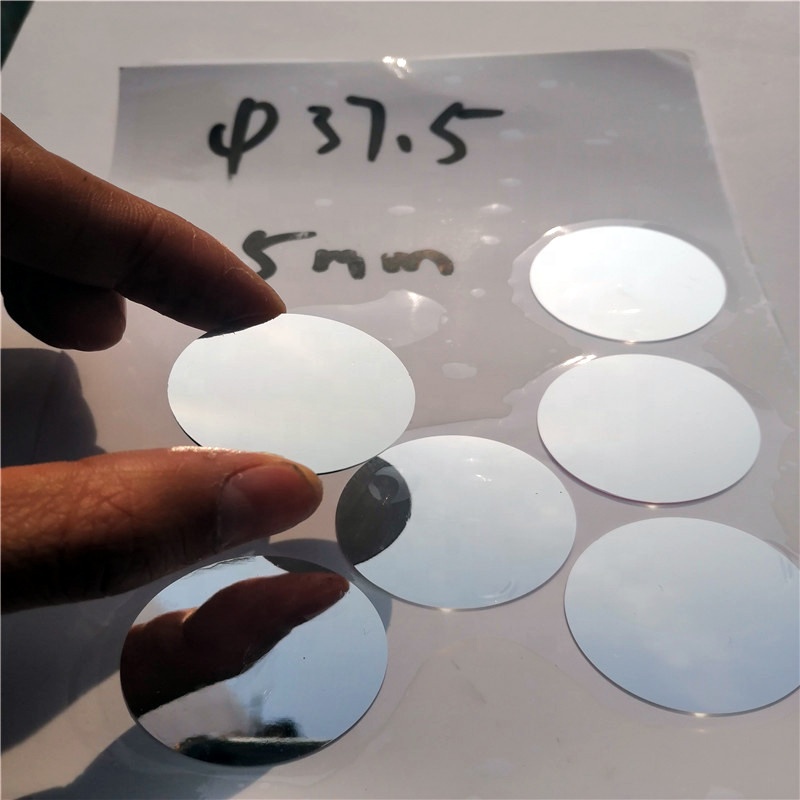
OEM Custom Heat Resistant Gobo Glass Lens
Heat-resistant gobo glass lens blanks for stage, event and architectural lighting, designed for thermal cycling and clear light shaping.
View specification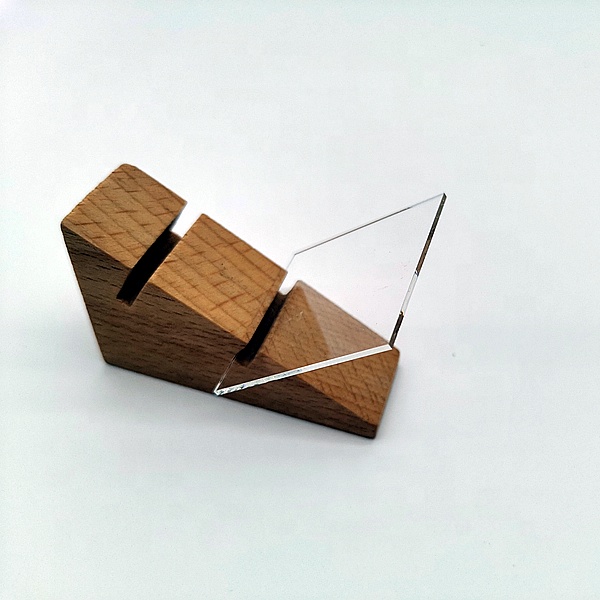
Custom 0.2mm 0.3mm 0.4mm 0.5mm 0.7mm 1mm Alkali Free Borosilicate AF32 Glass
Alkali-free borosilicate AF32 glass in 0.2–1 mm for optical, sensor, carrier and high-insulation applications where low alkali content is useful.
View specification
Back Painted Tempered Glass Led Glass Panel Cover Glass
Back-painted tempered glass covers for LED panels and illuminated displays, with uniform paint coverage, clean edges and controlled light appearance.
View specificationWhat “photomask glass” should mean to a Udon Thani engineering buyer
Udon Thani is more than a local delivery address. It is a regional trade, logistics and industrial-service node serving buyers across northeast Thailand and nearby CLMV markets. For sourcing teams here, a search for photomask glass manufacturers and factory for Udon Thani can represent several different purchases: a true photomask blank for patterned imaging, a carrier or protective glass for handling, a precision optical window for inspection equipment, a printed display cover for automation, or a heat-resistant lens for lighting.
Those parts are not interchangeable. A display cover glass may need scratch resistance and anti-reflective coating. A photomask-related carrier may need low thermal expansion, excellent flatness, controlled thickness and low particle contribution. A lighting gobo lens may need thermal shock resistance. An industrial inspection window may need optical transmission, edge quality and a clean bonding surface. Defining the function first is how experienced buyers avoid paying for unnecessary specifications — or discovering a hidden optical defect after the glass has already passed local receiving inspection.
At Fevry Glass Co., Ltd., the work starts from your drawing and application. We review the material, thickness, edge finish, strengthening route, coating side, print colours and packing requirement. For a genuine photomask blank, we will state clearly whether your specification calls for quartz or fused silica outside the standard range, and whether an alkali-free substrate such as Corning Eagle XG, AF32 or borosilicate 3.3 glass is suitable as an alternative for carrier, cover or optical-window functions. That transparency is more useful than a generic “photomask glass” quotation.
Material quality is only one part of the total cost. Breakage, rework, delayed installation, poor coating adhesion, colour mismatch and unclear customs documents can cost more than the glass itself. We therefore treat engineering review, sample approval, inspection records and export packing as part of the product — not as administrative extras.
Udon Thani supply snapshot
Fevry Glass is based in Xinyu, Jiangxi, China, and serves export customers in Western Europe, the United States, Japan, South Korea, Taiwan, Hong Kong and Southeast Asia. Udon Thani projects are reviewed with international packing and transport routes in mind from the beginning.
Choose the glass by function, not by keyword
Photomask-related work often requires a lower-alkali or low-expansion substrate, while display covers usually prioritise clarity, impact resistance and printability. Use this table for early screening, then confirm final properties against the manufacturer datasheet and your drawing.
| Material / family | Typical thickness | CTE reference | Best-fit Udon Thani application | Related product |
|---|---|---|---|---|
| Ultra-clear tempered / Gorilla glass | 0.5–3 mm | ≈7.5–9.0 ×10⁻⁶/K | HMI covers, smart-control windows, outdoor kiosk display covers, protective panels | 0.5–2 mm clear toughened; 0.5–3 mm Gorilla temper glass |
| Borosilicate 3.3 / AF32 | 0.2–3.3 mm | ≈3.3 ×10⁻⁶/K | Heat-resistant sight windows, gobo blanks, sensor covers, laboratory and lighting parts | Alkali-free AF32 0.2–1 mm; heat-resistant gobo lens |
| Alkali-free boro-aluminosilicate such as Corning Eagle XG | 0.5–1.1 mm | ≈3.2 ×10⁻⁶/K | Photomask carrier screening, biochip substrates, optical windows, PLC and precision inspection parts | AF32 / low-alkali substrate range and custom carrier glass |
| Printed tempered glass | 0.5–3 mm | Depends on base glass | Display frames, black borders, icon windows, hidden bond lines, functional graphics | Smart silkscreen panel; black-border tempered glass; touch-screen printed glass |
| Back-painted tempered glass | Project dependent | Depends on base glass | LED panel covers, illuminated signage, appliance windows and light-control glass | Back-painted tempered LED glass panel cover |
For a critical photomask blank, specify material grade, flatness, thickness tolerance, defect criteria and cleaning standard. If your process requires quartz or fused silica, request that review explicitly; not every “photomask glass” enquiry should be quoted as tempered display glass.
Where these glass products are used around Udon Thani
Udon Thani buyers often work across several industries at once: electronics assembly and inspection, smart displays, food and agriculture equipment, lighting, laboratories and industrial automation. Each application places different demands on the glass.
Electronics and PCB inspection
Protective windows, carrier glass and clean cover panels for optical inspection, AOI equipment and electronics handling. Low-alkali and low-expansion materials are reviewed when dimensional stability matters.
Smart displays and HMI panels
Gorilla glass and clear tempered cover glass for machine controls, vending systems, hospital displays and logistics terminals. AR coating reduces glare in bright factory or outdoor environments.
Stage, LED and architectural lighting
Heat-resistant gobo glass lenses, LED panel covers and optical glass for event lighting, studios and architectural installations. Thermal shock resistance is more important than maximum thickness.
Food, beverage and agritech
Borosilicate sight windows and sensor covers for process equipment, drying systems and smart agriculture. They tolerate cleaning, humidity and repeated temperature changes better than ordinary soda-lime glass.
Laboratory and research
Alkali-free substrates, optical filters and flat inspection windows for test rigs, analysers and university laboratories. Traceable material and clean packing help protect sensitive experiments.
Automotive, EV and logistics
Dashboard trim panels, back-painted LED covers and ruggedised display glass for vehicles, charging equipment and warehouse systems. Printed borders can combine decoration with light blocking.
What is changing for glass buyers in Udon Thani
Procurement teams are moving toward more traceable suppliers, faster samples, better documentation and components designed for heat, humidity and cross-border logistics.
China+1 sourcing and supplier risk
Buyers in Thailand are expanding supplier options while keeping quality stable. A factory that can show material origin, inspection records and export history makes supplier qualification easier.
Automation and smart factory upgrades
More local production lines are adding HMI panels, sensors and vision inspection. This increases demand for printed cover glass, optical windows and low-alkali substrates in moderate volumes.
Heat and humidity performance
Udon Thani’s climate makes coating adhesion, print durability and packaging important. AR and silk-print specifications should be reviewed for cleaning chemicals, UV and condensation.
Shorter engineering feedback loops
Project teams now expect drawing review, material advice and sample photos or videos before production. This reduces the risk of a mismatch between the drawing and the finished glass part.
Lighting and experience economy
Events, hospitality and LED lighting continue to create demand for gobo lenses, dichroic effects and heat-resistant glass. Local buyers want small-batch flexibility for custom effects.
Cross-border documentation
Glass shipments to Udon Thani should be planned with invoicing, packing lists, material certificates and transport routing in mind. Clear documents reduce delays at customs and receiving.
Why Fevry Glass is a practical supply partner for Udon Thani
Fevry Glass Co., Ltd. combines access to multinational raw-glass sources with in-house custom processing and export packing. The result is a single accountable route from material selection to a finished, protected glass part.
Traceable material sourcing
We source raw glass from Corning, AGC and other multinational producers and work with established Chinese optical-glass makers such as Chengdu Guangming and Xinhuguang. Material traceability supports consistent performance across repeat orders.
In-house custom processing
Laser cutting, CNC and ultrasonic machining, grinding, thermal tempering, chemical strengthening, AR and dichroic coating, silk-screen printing and back painting can be coordinated under one production plan.
Drawing review before quotation
Our engineers review outline dimensions, tolerances, edge finish, hole positions, print colours, coating sides and application details. This DFM step helps catch specifications that are difficult, ambiguous or over-engineered before tooling and production.
Inspection and export packing
Dimensional checks, thickness and flatness review, visual defect checks and protected packing are planned according to the part. Fragile thin glass is interleaved and cushioned for international shipping.
Export experience and communication
With 10+ years as an Alibaba.com member, a 100% inquiry response rate, ≤4 h average response time and a 5.0/5 buyer rating, our team is set up for cross-border project communication with Udon Thani buyers.
Service philosophy
Our guiding principle is “Quality is superior, service is supreme, reputation is first,” and our motto is “Your success, our glory.” We treat sample validation and after-sales communication as part of the manufacturing process.

Real production support, not a catalogue-only response
Fevry Glass is based in Xinyu, Jiangxi, China. Our team works with optical, biological, semiconductor, communications, lighting and electronics customers, and we process technical glass on equipment imported from the USA, Germany and Japan. For Udon Thani buyers, this means the quotation can be tied to a practical manufacturing route: how the part will be cut, edged, strengthened, coated or printed, inspected and packed before it leaves the factory.
From drawing to delivery: six steps for a Udon Thani glass project
A predictable process is especially important for fragile, custom technical glass. The sequence below keeps engineering, production and logistics aligned.
Share drawing and specification
Send a 2D drawing in DWG, DXF or PDF, together with thickness, material, edge finish, coating side, print colours and annual quantity.
Engineering and DFM review
We check manufacturability, recommend substrate and process, and flag critical tolerances or unclear features before quoting.
Sample approval
Samples validate fit, optical appearance, print alignment and edge quality. The approved sample becomes the reference for production.
Production processing
Cutting, machining, strengthening, coating and printing are sequenced according to the approved method and glass type.
Inspection and documentation
Dimensional, visual and functional checks are completed as agreed. Inspection records and material documents can be prepared for export.
Export packing and dispatch
Glass is protected for international transport, with packing planned around the route to Udon Thani via sea, land or air freight.
Common questions from local glass buyers
These answers reflect the questions we receive from overseas buyers who are evaluating custom photomask-related glass, display cover glass and heat-resistant optical parts.
Are you a photomask glass manufacturer or a custom glass factory?
Fevry Glass is a specialty glass factory focused on custom cutting, strengthening, coating, printing and packing. For photomask-related enquiries, we review the material grade first. We supply borosilicate, AF32, Eagle XG and ultra-clear glass to drawing, and we will state clearly if a true photomask blank requires quartz or fused silica outside our standard range.
Can you deliver these glass products to Udon Thani?
Yes. We serve export customers and regularly ship to Southeast Asia. Udon Thani deliveries can be planned by sea freight through Laem Chabang or Bangkok with inland transport, or by air freight to Udon Thani International Airport where the part size and urgency justify it.
Which material should I choose for a carrier, cover or optical window?
For carrier or protective glass, look at flatness, thickness control, low particle contribution and dimensional stability; Eagle XG or AF32 may be suitable. For heat-resistant lighting windows, choose borosilicate 3.3 or a similar low-expansion glass. For display covers, Gorilla or clear tempered glass with optional AR coating is often more practical.
What tolerances and inspection data can you provide?
Tolerances are confirmed on the drawing. Depending on the part, we can review dimensions, thickness, flatness, edge condition, print alignment and visual defects. Not every project needs the same inspection level, so define the critical-to-function features before production.
What is the minimum order quantity and can I get a sample?
Most custom cover glass and AR glass items start from about 300–500 pieces; some custom-cut Eagle XG parts start from 1,000 pieces; selected gobo glass blanks can start from smaller quantities such as 10 pieces. Samples can be arranged to validate fit and optical appearance before mass production.
How do you reduce breakage and humidity damage in transit?
We use interleaved and cushioned packing, edge protection and appropriate outer cartons or cases. For humid routes, moisture-barrier bags and desiccant can be added where suitable. Upon arrival, inspect the carton, edge protection and glass surfaces before storing the parts in a dry, stable area.
What documents are needed for import into Thailand?
Typical documents include the commercial invoice, packing list, bill of lading or air waybill, certificate of origin where applicable, and material or inspection certificates if required. A Thai customs broker can confirm the exact tariff and clearance requirements for your product code and shipment value.
What should I specify for AR coating and silk-screen printing?
For AR coating, state which sides are coated, the transmission target, the wavelength range and any environmental test requirement. For silk-screen printing, provide Pantone references, print window dimensions, border width, ink opacity and whether the print must block light. These details are reviewed before quotation.
Send your drawing for a Udon Thani project review
Share your application, drawing, material, thickness, coating or print requirement and annual quantity. Our engineers will review manufacturability and recommend a practical glass route before you commit to production.