8 optical thin film and specialty glass products for Stuttgart projects
These eight product families cover the most common Stuttgart-area demand patterns: automotive HMI covers, touch-switch plates, heat-resistant lighting optics, printed display glass, alkali-free substrates and custom Gorilla® glass panels. Every item is processed to drawing, with material, thickness, print and coating options confirmed before production.
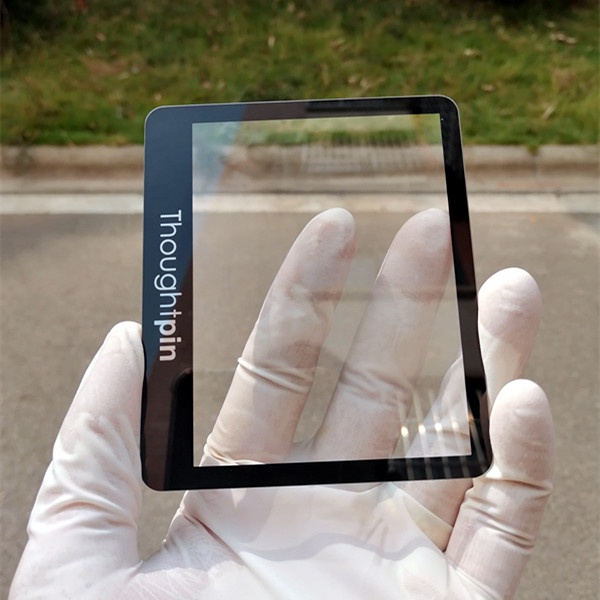
1.5mm 2mm Tempered Glass Thickness Touch Switch Glass Plate
Recommended for control panels, appliance interfaces and industrial touch switches that need flat tempered glass, clean edges and optional printed masking.
View product
Back Painted Tempered Glass Led Glass Panel Cover Glass
Back-painted tempered cover glass for LED panels, luminaires and smart-home front covers where uniform color and clean light windows are essential.
View product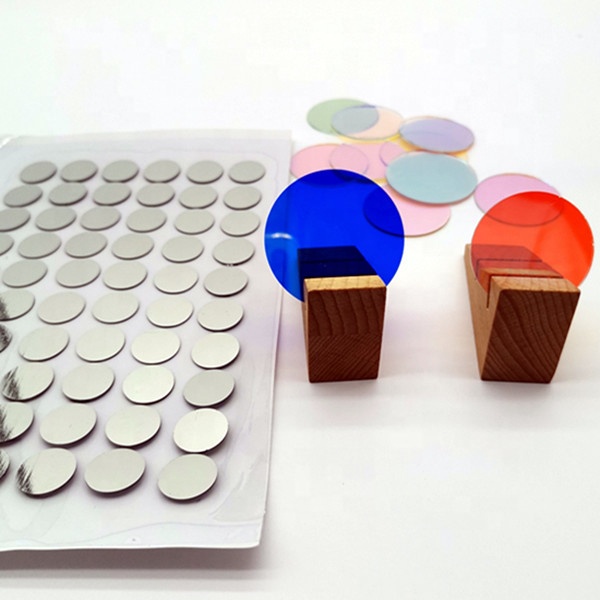
0.2mm 0.3mm 0.4mm 0.5mm 0.7mm 1.0mm 2mm Heat Resistant Gobo Glass Blanks
Heat-resistant gobo blanks for stage lighting, architectural projection and high-power LED optics. Borosilicate is selected when thermal shock resistance matters.
View product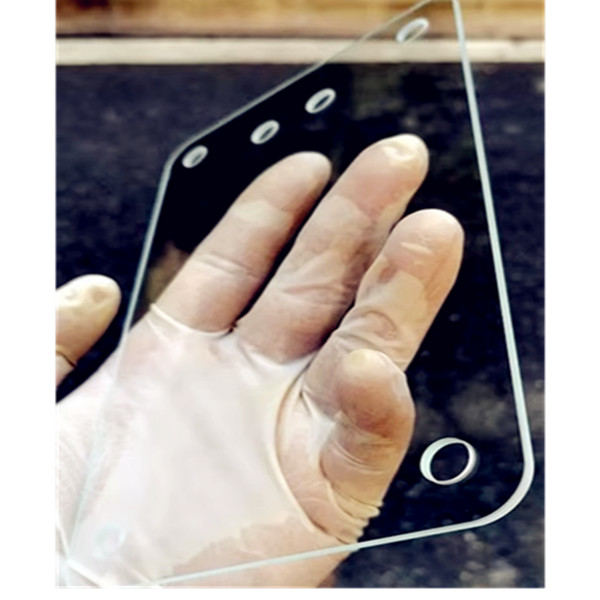
Custom Cut 0.5mm 0.7mm 1mm 1.5mm 2mm Clear Toughened Glass Tempered Corning Gorilla Glass
Custom-cut clear Gorilla® glass for scratch-resistant display windows, dashboard trims and portable electronics. Cutting, edge grinding and strengthening are completed as one workflow.
View product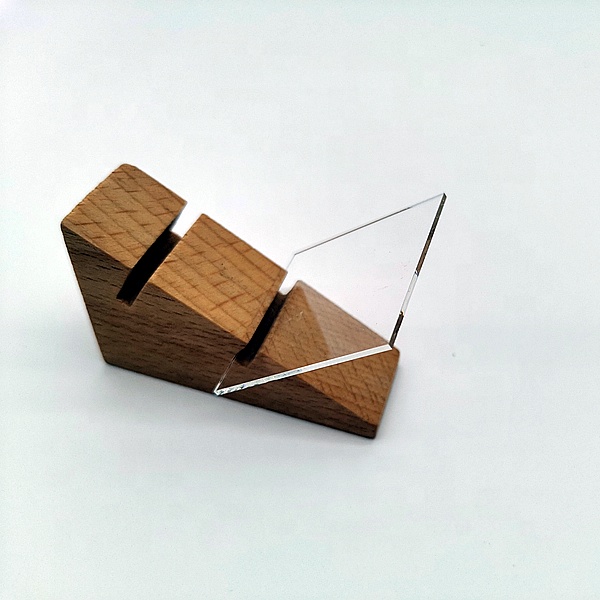
Custom 0.2mm 0.3mm 0.4mm 0.5mm 0.7mm 1mm Alkali Free Borosilicate AF32 Glass
Alkali-free borosilicate AF32 glass for precision covers, sensor windows and applications where dimensional stability and low ion migration are valued.
View product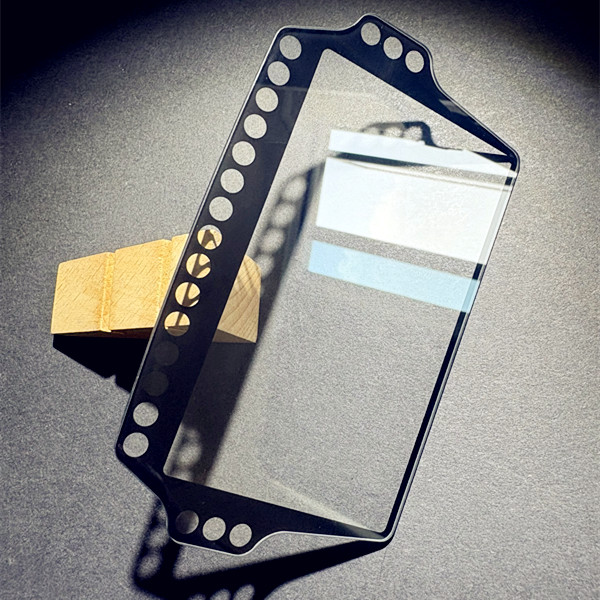
Factory Custom Tempered Silk Printed Gorilla Glass Screen Protector Printing Glass
Silk-printed Gorilla® glass screen protectors for OEM electronics. Multiple print colors, logo windows, IR-transparent ink areas and precise border registration are available.
View product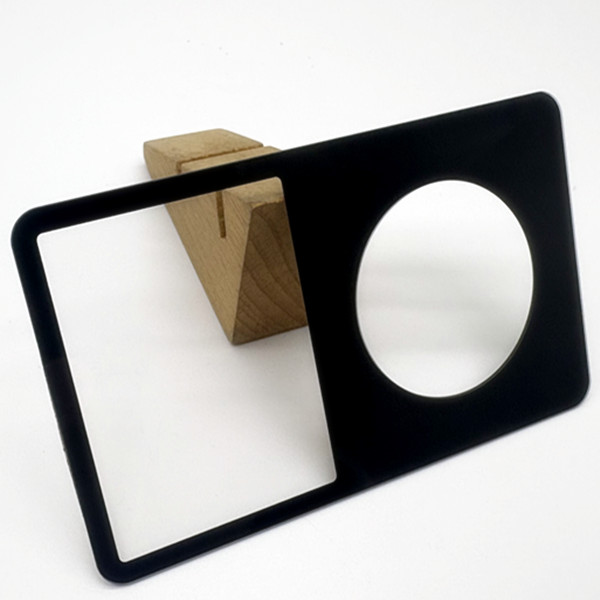
Factory Custom Smart Silkscreen Gorilla Glass Panel Tempered Glass Printing Glass
Smart silkscreen Gorilla® glass panels for HMI, industrial controls, home appliances and display covers that require scratch resistance plus decorative printing.
View product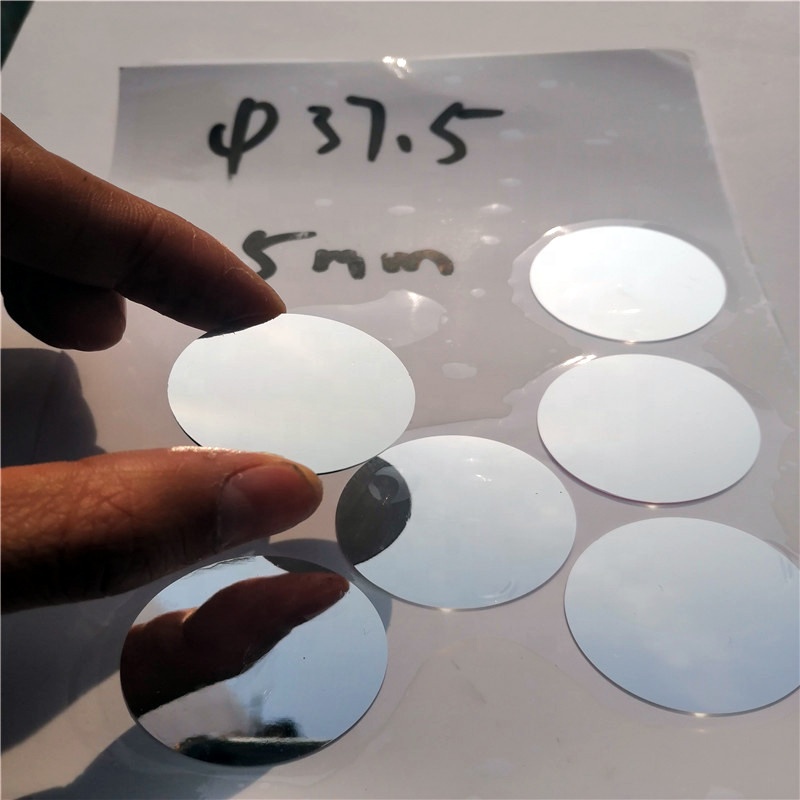
OEM Custom Heat Resistant Gobo Glass Lens
OEM gobo glass lenses for projection, stage lighting and optical imaging systems. Thickness, coating, outline and edge finish are made to your drawing.
View productWhat buyers mean by “optical thin film manufacturers & manufacturer in Stuttgart”
Search intent in Stuttgart is rarely simple. A buyer may need a coating house, a custom glass component maker, a local finisher or a specialist export manufacturer that understands automotive, photonics and instrument-grade requirements.
Stuttgart is one of Europe’s densest engineering regions, with strong demand across automotive systems, machine vision, laboratory instruments, lighting, sensors and precision manufacturing. For optical glass, that demand translates into a specific question: can a supplier deliver repeatable optical performance, precise outlines and dependable export documentation — not merely a low unit price?
When a procurement team searches for optical thin film manufacturers & manufacturer in Stuttgart, it usually has one of three intents. The first is a true thin-film coater that can specify anti-reflective, dichroic or filter coatings by wavelength and adhesion performance. The second is a custom glass manufacturer that can cut, edge, drill, strengthen and print cover glass to a 2D drawing. The third is a local Stuttgart finisher or assembler that can integrate glass into a larger module. The strongest supply chains often combine all three capabilities, with clear responsibility for material traceability and final inspection.
Fevry Glass Co., Ltd. is a specialty glass manufacturer based in Xinyu, Jiangxi, China. We are transparent about that: we are not a Stuttgart-based factory. Instead, we serve Stuttgart-region OEMs and their engineering partners as an export-focused manufacturing source for tempered, AR-coated, silk-printed, borosilicate and Corning® Eagle XG® glass. If your project requires a physical manufacturer in Stuttgart for local assembly, we recommend evaluating local finishers alongside a specialist glass producer. Fevry can support that model by supplying consistent cut and coated glass parts to the agreed drawing, specification and packaging standard.
- Optical thin films: AR coating, dichroic and filter glass
- Tempered and chemically strengthened cover glass
- Borosilicate 3.3, AF32 and heat-resistant gobo glass
- Custom cutting, CNC, ultrasonic and edge finishing
- Silk-screen printing, back painting and masking
- Export packing for fragile thin glass and optical parts

Fevry Glass combines specialty material sourcing with in-house cutting, grinding, strengthening, coating, printing and inspection. Images shown are from Fevry’s original production and company profile content.
How optical thin films change glass performance — and what to specify
An optical thin film is not a decorative layer. It is a controlled stack of sub-micron coatings designed around wavelength, angle of incidence, substrate and environmental exposure.
For Stuttgart-region projects, the most common optical requirement is anti-reflective coating on display windows, sensor covers or touch panels. Untreated soda-lime glass reflects roughly 4% per air–glass surface, so a display cover can lose around 8% of light through front and back reflections. A well-designed double-sided AR coating can reduce reflection to a small fraction of that level and raise transmission toward the high 90s, depending on the glass type, coating design and wavelength band. The result is better contrast, less glare and a cleaner visual experience in automotive cabins, medical instruments and machine-vision stations.
The second family is dichroic and filter glass. Instead of simply reducing reflection, these coatings separate or select wavelengths. Stage lighting uses dichroic filters for color mixing and heat management. Analytical instruments may use bandpass, long-pass or short-pass filters. Machine vision may require coatings optimized for specific camera wavelengths or laser sources. In all cases, the specification should state the wavelength range, angle of incidence, transmission or reflection target, coating side, substrate material and environmental tests required.
A reliable optical glass manufacturer should also discuss substrate cleanliness, edge quality, coating adhesion, abrasion resistance, flatness after coating and the order of operations. If the part will be silk-screen printed, the print may need to be applied before or after coating depending on ink compatibility and optical requirements. If the part will be chemically strengthened, cutting, drilling and edge grinding must be completed before strengthening because the glass cannot be re-cut afterward without compromising the strengthened layer. These process details are where information gain becomes practical value for procurement teams.
Typical optical effect of AR coating
Indicative values for preliminary discussion only. Final performance depends on glass type, coating design, wavelength and measurement conditions.
For Stuttgart automotive or instrument projects, always request measured transmission curves, adhesion test data and a sample approved against your drawing.
Where optical thin film glass is used in and around Stuttgart
Stuttgart’s industrial base is highly technical. The glass must survive real-world use, not only look good in a sample photo.
Automotive HMI & interior displays
Tempered cover glass, AR-coated display windows and printed dashboard trims for premium vehicles, EV interfaces and center-stack displays. Key requirements often include scratch resistance, low reflection, color consistency and stable edge quality.
Machine vision, sensors & laser optics
AR-coated windows, optical filters, borosilicate covers and Eagle XG® substrates for cameras, sensors and measurement systems. Low wavefront distortion and controlled transmission are often more important than thickness alone.
Biotech & laboratory instruments
Alkali-free Eagle XG® glass, borosilicate 3.3 and optical filter glass for analyzers, microscopy and microfluidic devices. Clean surfaces and dimensional stability support bonding and optical alignment.
Stage, studio & architectural lighting
Gobo glass blanks, dichroic lenses and heat-resistant borosilicate windows for high-power lighting. In Stuttgart’s event, studio and architectural lighting supply chain, thermal shock resistance and coating durability are central.
Smart home & industrial control panels
Tempered touch-switch plates, back-painted LED covers and silk-printed Gorilla® glass panels for appliances, building controls and industrial HMI. Printed windows, icons and IR-transparent zones can be combined.
Semiconductor & optical communication
Glass wafers, PLC substrates and V-groove glass for photonic packaging. These projects usually require polished surfaces, low total thickness variation and documented material consistency.
Development trends shaping optical glass procurement in Stuttgart
Six trends are visible across the Stuttgart-region demand for technical glass, optical coatings and custom display covers.
More AR-coated display glass
Premium interiors and high-brightness industrial displays are pushing reflection targets lower. Buyers increasingly ask for measured transmission curves rather than a generic “AR coating” description.
Thinner strengthened glass
Compact sensors, wearable interfaces and lightweight HMI covers need 0.15–2 mm glass with chemical strengthening. The challenge is combining thinness with flatness, edge quality and coating adhesion.
Heat-resistant lighting optics
High-power LED and projection lighting require gobo and dichroic glass that tolerates thermal load. Borosilicate 3.3 remains a practical choice where thermal expansion and chemical resistance matter.
Documentation-led sourcing
German procurement teams increasingly require traceable material records, drawing revisions, inspection plans and packaging standards. Ask for documentation early, before samples are approved.
Printed glass with tighter registration
Silk-screen borders, icon windows and back-painted LED covers require repeatable color and print alignment. Pantone references, ink thickness and IR-transparent areas should be defined in the drawing.
Smaller batches and faster samples
Project cycles are shortening. Buyers want samples that validate fit, optical performance and print appearance before mass production, while still planning predictable export logistics.
Why Fevry Glass supports demanding Stuttgart optical glass projects
Fevry Glass Co., Ltd. combines material selection, precision processing and export project management from one specialty glass source. Our guiding principle is “Quality is superior, service is supreme, reputation is first”; our motto is “Your success, our glory.”
Traceable material sourcing
We source raw glass from Corning, AGC and established Chinese optical-glass makers such as Chengdu Guangming and Xinhuguang, so projects start from consistent material.
Laser, CNC & ultrasonic machining
Custom outlines, holes, notches, slots and edge finishes are processed on imported equipment from the USA, Germany and Japan.
Thermal & chemical strengthening
Thermal tempering for thicker panels and ion-exchange strengthening for 0.15–2 mm thin glass, with cutting and edge grinding completed before strengthening.
AR, dichroic & optical coatings
Anti-reflective coatings on one or both sides, dichroic mirrors and selected optical filters for displays, lighting and analytical systems.
Silk-screen printing & back painting
Pantone-matched borders, logos, icon windows and IR-transparent ink areas, plus back painting for LED and lighting cover panels.
Dimensional & optical inspection
Size, thickness, flatness and visual defect checks are performed before packing, with inspection records arranged for production lots.
Export packing for fragile glass
Interleaved, cushioned export packing designed for thin glass, printed panels and optical parts, with shipment preparation for global buyers.
Fast technical response
Average response time of four hours or less, a 100% inquiry response rate and a 5.0/5 buyer rating support efficient Stuttgart project communication.

Original Fevry Glass equipment image. Processing includes laser, ultrasonic, CNC carving, grinding and inspection equipment imported from the USA, Germany and Japan.
From raw sheet to finished optical part — one accountable workflow
Fevry supports customers in optical, biological, semiconductor, communications, lighting and electronics fields. Our product scope includes Corning® Eagle XG®, borosilicate 3.3, transparent ceramic glass, semiconductor wafers and biochip glass, PLC substrates and V-groove glass, film/TV/stage lighting color lenses, LED filament and optical coating glass, and 0.15/0.2 mm ultra-thin protector glass.
For Stuttgart buyers, the practical benefit is fewer hand-offs. A single project can move from material selection to cutting, strengthening, coating, printing, inspection and export packing under one technical contact. That reduces the risk of tolerance drift, mismatched coating sides and unclear responsibility when a sample does not meet the drawing.
We also keep the scope honest. Final production specifications are confirmed against the material datasheet and your drawing. If a requirement falls outside our process window, the right answer is to say so early, recommend an alternative material or process, and protect your project timeline.
Get a QuoteMaterial selection guide for optical thin film and cover glass projects
Choose the substrate before choosing the coating. Thermal expansion, flatness, chemical resistance and strengthening method all influence the final result.
| Material | Thickness range | CTE (×10⁻⁶/K) | Best for |
|---|---|---|---|
| Ultra-clear soda-lime | 0.5 – 4 mm | ≈ 9.0 | Cover glass, AR panels, printed windows, LED covers |
| Gorilla® alkali-aluminosilicate | 0.4 – 2 mm | ≈ 7.5 – 8.5 | Scratch-resistant touch displays, HMI, portable electronics |
| Borosilicate 3.3 | 0.3 – 3.3 mm | 3.3 | Heat-resistant windows, gobo blanks, laboratory and lighting glass |
| Corning® Eagle XG® | 0.5 – 1.1 mm | ≈ 3.2 | Biochips, wafers, PLC substrates and micro-optics |
| Chemically strengthened thin glass | 0.15 – 2 mm | Base-glass dependent | Ultra-thin protectors, sensor covers, lightweight display windows |
Values are typical industry figures for preliminary selection. Final specifications are confirmed against the manufacturer datasheet and your drawing.
A clear six-step path from drawing to Stuttgart-ready delivery
Designed for procurement and engineering teams that need predictable communication, sample validation and no surprises at mass production.
Share your drawing
Send outline dimensions, tolerances, material, thickness, edge finish, holes, print colors, coating side and annual volume.
Engineering review
We confirm manufacturability and recommend substrate, strengthening method, coating design or print sequence where needed.
Sample approval
Samples validate fit, color matching, edge quality and optical performance before mass production begins.
Mass production
Cutting, grinding, strengthening, coating and printing are processed with in-line dimensional and visual checks.
Final inspection
Size, thickness, flatness, coating appearance and print registration are checked against the approved specification.
Export packing
Interleaved and cushioned packing protects thin glass and optical parts during international shipping.
Independent records Stuttgart buyers can check
Our company premises have been checked onsite, and our trading data is publicly visible on Alibaba.com. Review the records before you commit to any supplier.
Common questions from Stuttgart optical glass buyers
Practical answers for engineering, sourcing and quality teams evaluating a manufacturer for optical thin film glass.
Are you a manufacturer in Stuttgart, or do you supply Stuttgart customers?
Fevry Glass is a specialty glass manufacturer based in Xinyu, Jiangxi, China. We are not a Stuttgart-based factory. We supply Stuttgart-region OEMs and their engineering partners through export project management, sample approval and drawing-based production. If your program requires a local Stuttgart finisher or assembly partner, we can cooperate with the supplier you appoint while maintaining responsibility for the glass parts we manufacture.
What glass and coating combinations can you manufacture?
Typical combinations include tempered or chemically strengthened soda-lime glass, Gorilla® glass, borosilicate 3.3, AF32 alkali-free glass and Corning® Eagle XG®, with AR coating, dichroic coating, silk-screen printing, back painting, edge grinding, laser cutting, CNC shaping and ultrasonic machining. The final process route depends on thickness, coating side, print sequence and whether the part must be strengthened.
Which material is recommended for a Stuttgart automotive HMI cover?
For many automotive HMI covers, chemically strengthened alkali-aluminosilicate glass such as Gorilla® glass or a high-quality tempered soda-lime cover is selected, depending on thickness, impact requirements and print design. AR coating is added when reflection control is important. The final choice should be confirmed with your mechanical, optical and reliability requirements; a sample test is strongly recommended before mass production.
What is the minimum order quantity?
Most custom cover glass and AR glass items start from 300 to 500 pieces. Some Eagle XG® cut parts begin at 1,000 pieces, and selected gobo glass blanks can start from small trial quantities. Because MOQ depends on material, size, coating and print complexity, please send your drawing and annual volume for a project-specific answer.
How do you control optical and dimensional quality?
Production includes checks for size, thickness, flatness, edge quality, print registration, coating appearance and visual defects. Where optical performance is critical, measured transmission or reflection data can be requested for the approved sample and production lot. The inspection plan should be agreed before mass production so that both teams measure the same characteristics in the same way.
What information do you need to quote a custom optical glass project?
Please send a 2D drawing in DWG, DXF or PDF with outline dimensions and tolerances, thickness, glass material, edge finish, hole and notch positions, strengthening method, print colors with Pantone references, AR coating side or wavelength target, application, annual quantity and any required inspection or packaging standard. Complete information allows our engineers to respond with a firm recommendation in one round.
How are thin glass and optical parts packed for export?
Thin glass, printed panels and optical parts are interleaved and cushioned to reduce surface contact and edge impact during transport. Packaging can be adapted for clean handling, moisture protection and labeling requirements. For fragile projects, we recommend approving the packaging method together with the sample, not after mass production.
Which export markets do you serve?
Besides customers in China, Fevry Glass exports to Western Europe, the United States, Japan, South Korea, Taiwan, Hong Kong and Southeast Asia. Stuttgart-region buyers are supported as part of our Western Europe export business, with English-language technical communication and drawing-based approvals.
Have a drawing? Let’s engineer your optical glass.
Email your dimensions, material, coating target, print colors and annual volume. Our team typically replies within four hours and can recommend the right substrate, strengthening method and coating route for your Stuttgart project.