Eight Optical & Specialty Glass Products for Memphis Wholesale Programs
These eight products are frequently specified by electronics, lighting, display and photonics buyers. Product URLs are preserved for direct review. For PLC splitter substrates, V-groove glass, Corning® Eagle XG® and borosilicate 3.3 wafers, ask our engineering team to match the drawing to the right substrate.
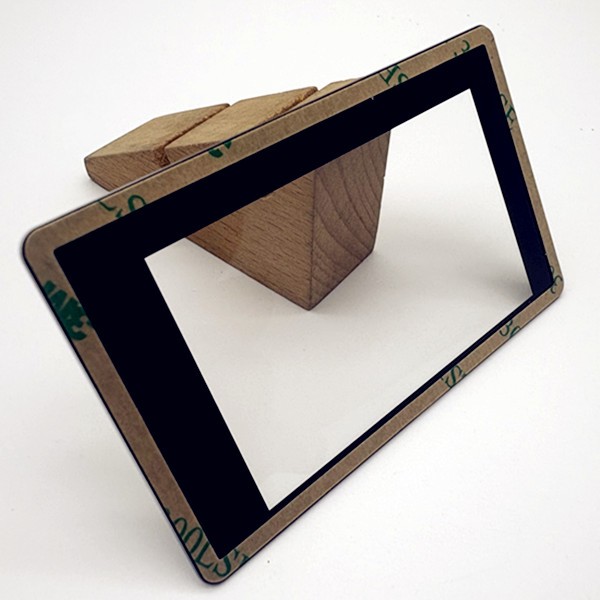
Custom Tempered Glass Dashboard Trim Panel Flat Electronic Glass Screen Protector
Flat tempered cover glass for dashboard trim, instrument windows and electronic displays. A practical fit for Memphis-area automotive electronics and appliance control panels that need drawing-based flat panels with clean edges and repeatable fit.
View product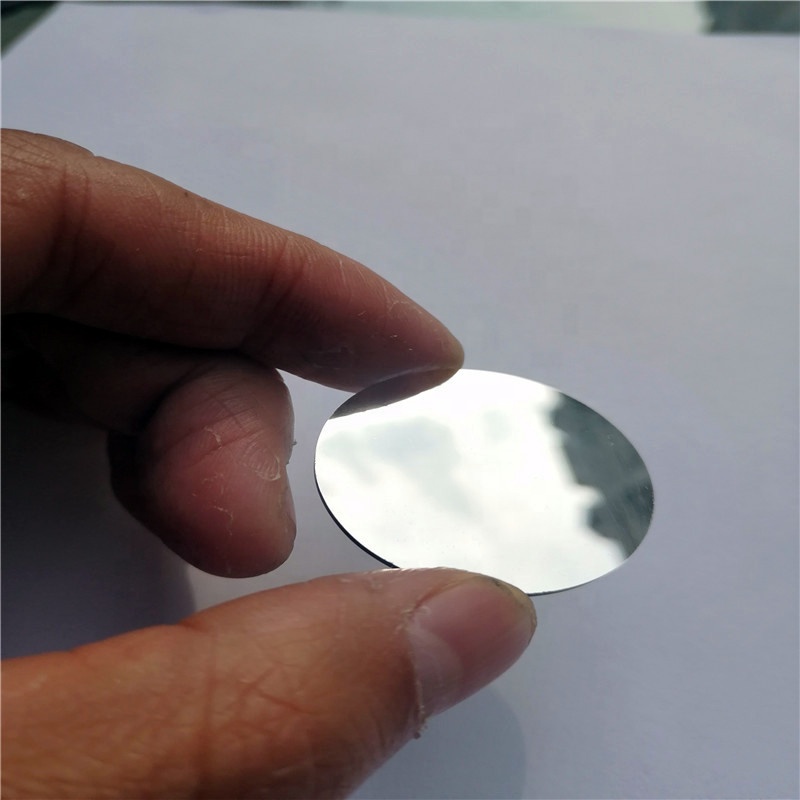
Gobo Glass/dichroic Mirror Lighting Filters Glass Lens
Heat-resistant gobo and dichroic filter glass for stage, studio, architectural and LED lighting. Memphis event venues and lighting distributors can specify color, logo pattern, size and coating orientation.
View product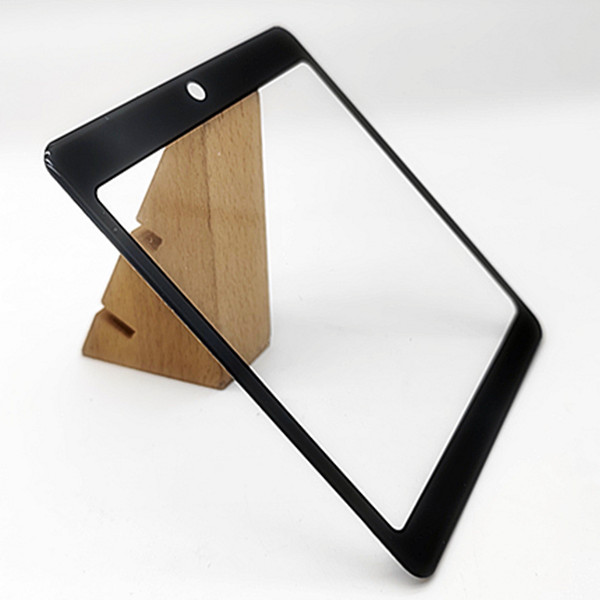
Ultra Clear Gorilla Glass Panel with Silk Screen Printing for Electronic Device
Ultra-clear alkali-aluminosilicate cover glass with silk-screen printed borders, icons or logos. Recommended for consumer and industrial electronic devices where scratch resistance and crisp printed graphics matter.
View product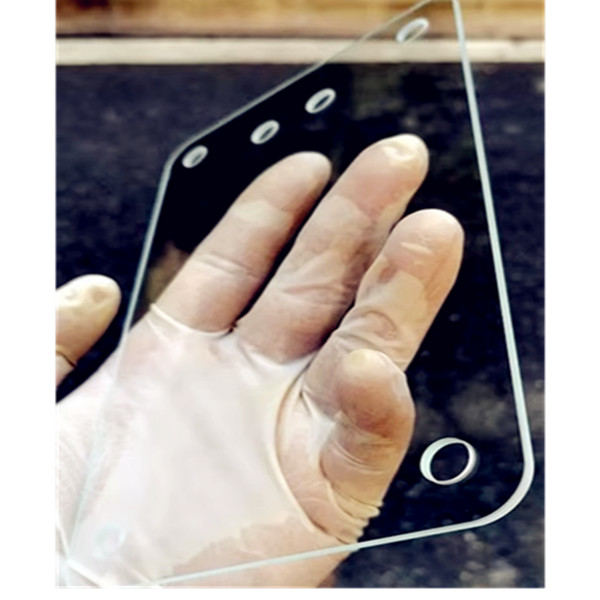
Custom Cut 0.5mm 0.7mm 1mm 1.5mm 2mm Clear Toughened Glass Tempered Corning Gorilla Glass
Thin tempered and Gorilla-type glass cut to drawing in 0.5, 0.7, 1, 1.5 and 2 mm. Suitable for display windows, sensor covers and touch interfaces that need a low-profile strengthened panel.
View product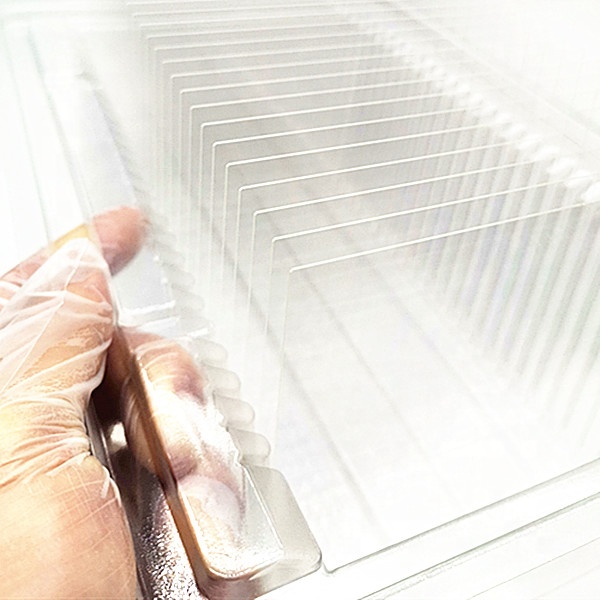
Custom Chemically ultra Thin Clear Transparent Tempered Glass Sheet
Chemically strengthened ultra-thin glass for compact sensors, display stacks and protective covers. For 0.15–2 mm designs, ion-exchange strengthening helps maintain flatness while raising surface strength.
View product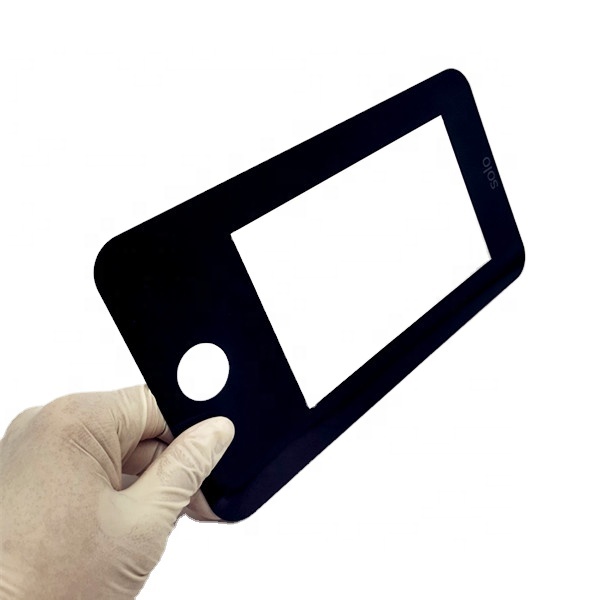
Manufacturer Oem Wholesale Custom Unbreakable Tempered Glass,high Quality Tempered Glass,low Iron Tempered Glass Manufacturer
Low-iron, high-transmittance tempered glass for OEM programs that need a clean optical appearance. Recommended for LED cover panels, architectural display windows and wholesale glass programs serving the Mid-South.
View product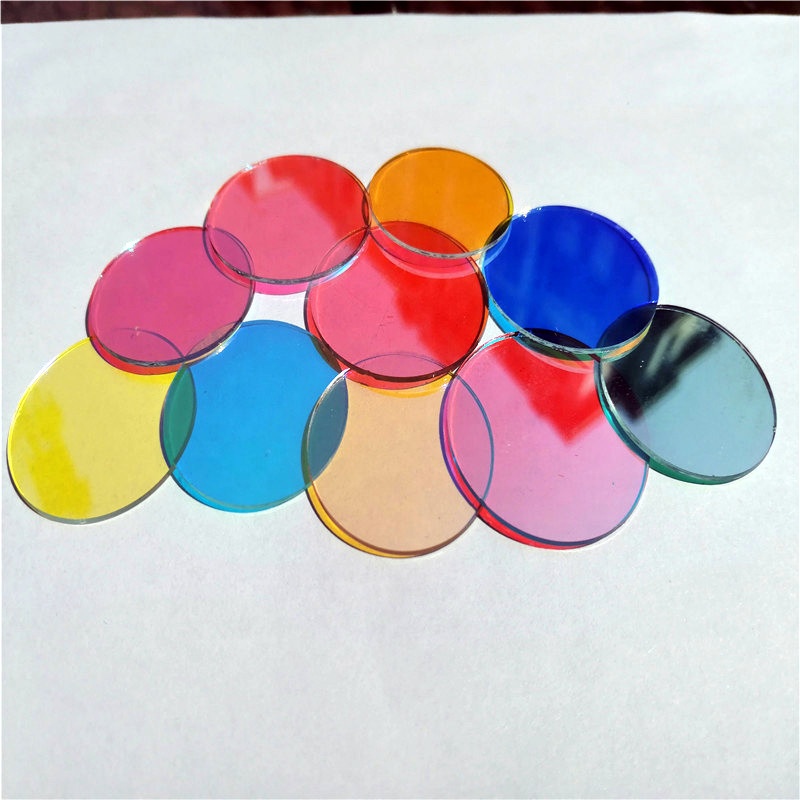
Customize logo Color Glass Gobo Glass
Custom logo and colored gobo glass for projection, branding and architectural lighting. Memphis lighting designers and rental houses can use custom gobos to reproduce logos, patterns and color effects.
View product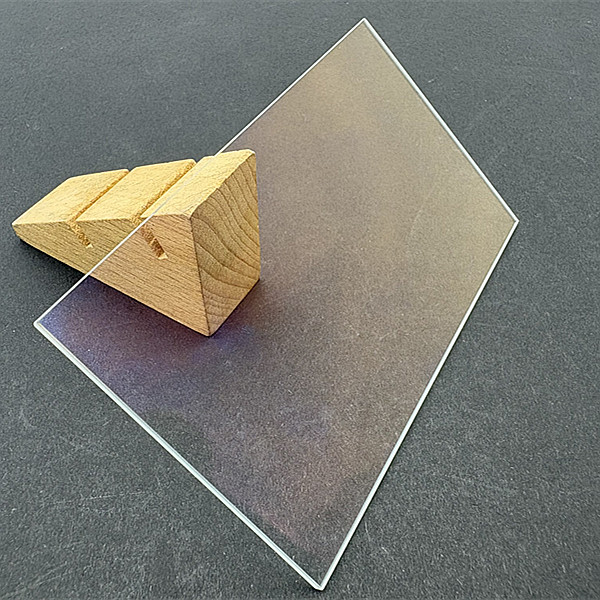
Customized Tempered Anti-Reflective Glass AR Coated Tempered Glass
AR-coated tempered glass for displays, optical windows and instrument covers where glare and reflection reduce readability. Specify AR on one or both sides, transmission target and coating durability requirements.
View productWhat “Optical Communication Glass Wholesale” Really Means for Memphis OEMs
For Memphis buyers, optical communication glass is rarely a single off-the-shelf SKU. It is a specification bundle: substrate, thickness, CTE, edge profile, coating side, print sequence, cleaning, packing and traceability. A PLC splitter substrate, an AR-coated sensor window, a chemically strengthened touch cover and a heat-resistant gobo blank may all be called “optical glass,” but they fail in different ways if the wrong grade is chosen.
Memphis sits at the center of a logistics network that reaches Mid-South OEMs, distributors, biomedical teams and university labs. That makes the city a practical consolidation point for buyers who need high-mix optical glass without holding excessive inventory. Fevry Glass supports that model from its Jiangxi, China facility: we source traceable raw glass from Corning, AGC, Chengdu Guangming and Xinhuguang, process it on equipment imported from the USA, Germany and Japan, inspect it, and pack it for export to Memphis and other U.S. destinations.
For wholesalers, the challenge is not only price per piece. It is batch consistency, packaging, and the ability to replenish a part number after the first order. Fevry Glass supports both OEMs and wholesale distributors with drawing-based production and documented inspection before packing. This guide is written for procurement managers, hardware engineers and wholesale distributors who are comparing suppliers for Memphis delivery.
Information Gain: Four RFQ Details That Change Price and Lead Time
- Coating side(s): AR on one side, both sides, or patterned zones.
- Edge and hole quality: chamfer, pencil edge, polished edge, micro-crack limits.
- Print and strengthening sequence: cut, print, coat and strengthen in the correct order.
- Annual volume + pack method: drives MOQ, tooling and breakage protection.
Most incomplete RFQs omit these four items. Supplying them in the first email shortens engineering review and reduces back-and-forth.
Where Optical Glass Is Used Across Memphis and the Mid-South
Memphis is more than a shipping point: it concentrates telecom, biomedical, electronics, automotive and entertainment-related demand. These are the application clusters where custom glass frequently enters the bill of materials.
Telecom & Data Center Optics
Memphis is a natural consolidation point for telecom and data-center projects because of its air-cargo hub and distribution base. Custom glass for PLC splitters, V-groove fiber alignment, optical modules and AR windows must maintain dimensional stability across temperature and humidity. Eagle XG and borosilicate 3.3 are common starting points; final selection depends on CTE, flatness and coating requirements.
Display & Smart Electronics
OEMs in Memphis, Collierville, Bartlett and the wider Mid-South assemble displays, appliances, control panels and smart devices. Custom cover glass can combine tempered or chemically strengthened substrates with silk-printed borders, AR coating and anti-glare finishes. Early print and coating sequence review prevents color shift, edge defects and fit problems.
Biomedical & Analytical Instruments
Memphis’s medical district and research base create demand for analyzer windows, microscope slides, biochip substrates and fluidic covers. Eagle XG is often considered for biochips and analytical filters because it is alkali-free and dimensionally stable. For heat or chemical exposure, borosilicate 3.3 may be the more practical substrate.
Automotive & EV Interfaces
Automotive suppliers in the Mid-South use glass for dashboard trim, display covers, touch panels and sensor windows. These parts often require tempered or chemically strengthened glass, printed black borders, anti-reflective coating and strict dimensional tolerances. Packaging must protect edges and coating surfaces during transit to plants and distributors.
Stage, Studio & Architectural Lighting
Memphis has an active music, venue and production market. Gobo glass and dichroic filters allow lighting designers to project logos, patterns and color effects. Heat-resistant borosilicate and dichroic coatings help the glass survive high-output fixtures while keeping projected color consistent.
Photonics Research & University Labs
University and independent labs around Memphis often need small quantities of precision glass for prototypes, optical benches and sensor development. We can support sampling and low-volume gobo or filter glass before scaling to production. Early material review reduces the risk of ordering a glass grade that cannot meet the optical test plan.
Memphis Procurement Trends Shaping Optical Glass Demand
The signals below are qualitative buyer-intent indicators gathered from custom glass RFQs, not statistical market forecasts. They help Memphis buyers frame supplier discussions around the pressures they actually face.
Supply-Chain Resilience
Buyers are adding second sources and asking for material origin, inspection records and packing standards. A direct manufacturer that can document process steps reduces the risk of silent substitutions.
Broadband & Data-Center Buildout
Network expansion and data-center projects increase demand for PLC substrates, V-groove glass, fiber-alignment components and AR windows. Buyers want predictable flatness and coating performance, not just low piece price.
Medical & Analytical Instrumentation
The Mid-South’s medical and research ecosystem requires traceable, flat and clean glass for analyzers, biochips and imaging devices. Small changes in glass composition or surface quality can affect assay repeatability.
High-Mix, Low-Volume Customization
Distributors and OEMs increasingly order multiple part numbers in smaller batches. Flexible MOQs, fast drawing review and export packing protect working capital while keeping production lines supplied.
Optical Communication Glass Selection: Material, Coating and Strength
Use this table for preliminary material screening. Final acceptance should always be confirmed against the glass manufacturer’s datasheet, your 2D drawing and the application’s optical test plan.
| Material | Typical Thickness | CTE (×10⁻⁶/K) | Best Fit | Engineering Note |
|---|---|---|---|---|
| Corning® Eagle XG® | 0.5–1.1 mm | ≈3.2 | Biochips, PLC substrates, glass wafers | Alkali-free boro-aluminosilicate; verify flatness, surface quality and glass code. |
| Borosilicate 3.3 | 0.3–3.3 mm | 3.3 | Heat-resistant windows, gobo blanks, lab glass | Excellent thermal shock resistance; not a universal substitute for fused silica in deep-UV work. |
| Alkali-aluminosilicate (Gorilla-type) | 0.4–2 mm | ≈7.5–8.5 | Scratch-resistant touch and display covers | Confirm strengthening and printing sequence; edge quality strongly affects breakage risk. |
| Ultra-clear soda-lime | 0.5–4 mm | ≈9.0 | AR panels, printed windows, LED covers | Cost-effective for moderate thermal load; tempering and edge finishing are critical. |
| Dichroic / optical filter glass | 0.3–2 mm | Coating dependent | Lighting filters, projection optics, color effects | Specify angle of incidence, wavelength range, coating side and thermal load. |
| Chemically strengthened thin glass | 0.15–2 mm | Base-glass dependent | Ultra-thin protectors, sensor covers, display stacks | Ion exchange improves surface strength; all cutting and edge grinding must precede strengthening. |
Typical industry values are for preliminary selection only. For optical communication projects, specify the coating wavelength, incidence angle, edge chip tolerance, print color and annual volume before requesting a firm quote.
Material-to-Application Fit
Eagle XG: choose when dimensional stability and low expansion matter more than low cost. Borosilicate 3.3: choose for thermal shock, lighting covers and lab glass. Gorilla-type glass: choose when scratch resistance and thinness drive the display or touch cover. Ultra-clear soda-lime: choose for cost-sensitive AR and printed panels when thermal load is moderate.
Process Sequence Matters
Cutting, drilling and edge grinding must be completed before chemical or thermal strengthening. Silk-screen printing and AR or dichroic coating sequences are then confirmed against the final application. Changing the sequence after samples are approved can reset the qualification process.
Why Fevry Glass Supports Memphis Optical Glass Wholesalers
Fevry Glass Co., Ltd. is a specialty glass supplier and custom processor based in Xinyu, Jiangxi, China. We work with optical, biological, semiconductor, communications, lighting and electronics customers, and we export to Western Europe, the United States, Japan, South Korea, Taiwan, Hong Kong and Southeast Asia.



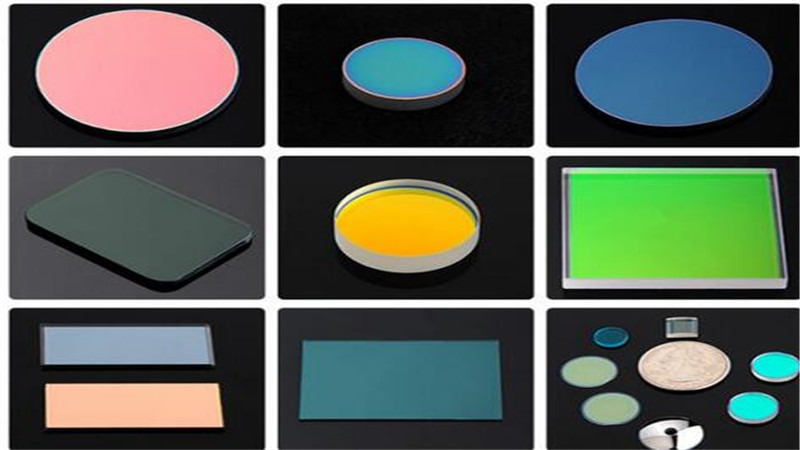
For Memphis buyers, our value is not a local warehouse. It is drawing-to-part engineering with traceable raw materials and export-ready packing. We source raw glass from Corning, AGC and established Chinese optical-glass makers such as Chengdu Guangming and Xinhuguang. Our technicians use laser, ultrasonic, CNC carving, grinding and inspection equipment imported from the USA, Germany and Japan.
Our guiding principle is “Quality is superior, service is supreme, reputation is first”, and our motto is “Your success, our glory.” That approach matters when a Memphis distributor needs a repeatable cover glass, not a one-time sample.
Traceable Raw Material Sourcing
Corning, AGC, Chengdu Guangming and Xinhuguang are sources we can discuss during RFQ review. Traceability matters for repeat orders and for engineering teams validating optical performance.
In-House Cutting & Strengthening
Laser, CNC and ultrasonic machining handle outlines, holes, notches and slots. Thermal tempering and ion-exchange strengthening are selected according to thickness and application.
AR, Dichroic Coating & Silk Printing
Anti-reflective coating, dichroic filter coating, silk-screen printing and back painting can be coordinated under one production plan, reducing hand-offs between suppliers.
Dimensional & Optical Inspection
Size, thickness, flatness and visual defects are checked before packing. For coated and printed parts, inspection criteria should be agreed during sample approval.
Export Packing for Thin Glass
Interleaved separators, cushioned corners and export cartons are selected for fragile thin glass and coated parts. Packing can be aligned with your freight forwarder’s requirements.
Engineer-to-Engineer Support
Our export team typically responds within 4 hours and can review drawings, material choices, coating sides and annual volume before quoting. English-language communication supports Memphis sourcing teams.
Corning®, Gorilla® and Eagle XG® are trademarks of Corning Incorporated, used for material identification only.
Local Purchasing Questions from Memphis Optical Glass Buyers
These are the questions our export team most often receives from U.S. buyers who are evaluating an overseas optical glass wholesaler for the first time.
Are you a local Memphis optical glass wholesaler or an overseas manufacturer?
Fevry Glass is an overseas specialty glass supplier and custom processor based in Xinyu, Jiangxi, China. We are not a local Memphis stockist. For Memphis buyers, we act as a direct manufacturing and export partner: you send the drawing and specification, we confirm material and process, sample if needed, produce, inspect and pack for shipment to the Memphis area or your chosen U.S. freight forwarder.
How do you ship optical communication glass to Memphis?
We ship via international courier, air freight and ocean freight. For urgent samples or high-value optics, express or air to Memphis International Airport (MEM) is common; for larger production orders, ocean freight to a U.S. port followed by rail or truck into Memphis can be cost-effective. We prepare the commercial invoice, packing list and export documents. U.S. import duties and taxes are normally the importer’s responsibility unless otherwise agreed. Deliveries can be arranged to Memphis, Germantown, Collierville, Bartlett, Cordova, Southaven, Olive Branch and the wider Mid-South.
What is the MOQ for custom AR-coated or tempered glass?
Most custom cover glass and AR glass items start from 300–500 pieces; custom-cut Eagle XG parts from 1,000 pieces; and selected gobo glass blanks from 10 pieces. MOQ depends on size, printing, coating and yield. Samples can be arranged to validate fit and optical performance before mass production.
What information do you need for a Memphis RFQ?
Please send a 2D drawing (DWG, DXF or PDF) with outline dimensions and tolerances, thickness, glass material, edge finish, hole and notch positions, strengthening method, print colors or Pantone references, AR coating side(s), application and expected annual quantity. If you need a specific packing method for a Memphis forwarder, include that in the first email so the quotation reflects it.
How do you reduce breakage during shipment?
Thin and coated glass is packed with interleaved separators, cushioned corners, double-wall cartons and export pallets where needed. For ultra-thin glass, large panels or delicate coatings, we confirm the pack method before production. We can also align packing with your freight forwarder’s handling requirements and the final delivery route into Memphis.
Can you supply samples for fit and optical approval?
Yes. Samples can be arranged to validate fit, print color, coating side and optical performance before mass production. For custom printed or AR-coated parts, sample approval should confirm edge appearance, dimensional fit and reflection target. Sample lead time is confirmed after drawing review and material availability checks.
Which material should I choose for optical communication: Eagle XG, borosilicate 3.3 or Gorilla glass?
Choose Eagle XG when low CTE, alkali-free composition and dimensional stability matter for PLC substrates, biochips or wafers. Choose borosilicate 3.3 for thermal shock, lighting covers and lab glass. Choose Gorilla-type glass for thin, scratch-resistant touch covers. The final decision depends on coating, strength, edge quality and cost target, so send the drawing and application details for a material recommendation.
Do you provide inspection records and traceable material information?
We inspect size, thickness, flatness and visual defects before packing, and we work from traceable raw glass sources such as Corning, AGC, Chengdu Guangming and Xinhuguang. Documentation scope is confirmed on the quotation. For regulated applications, specify the exact material certificate and inspection report you need before production begins.
Send Your Drawing to an Optical Glass Wholesaler That Understands Memphis Delivery
Email a 2D drawing (DWG, DXF or PDF), material, thickness, edge finish, coating side(s), print colors, application and annual volume. Our engineers typically reply within 4 hours with a manufacturability review and next steps.