Optical Beam Splitter Factory & Wholesaler for Dortmund
Factory-direct dichroic glass filters, AR-coated windows, heat-resistant optical substrates and printed cover glass for Dortmund’s laser, machine-vision, automotive and lighting industries.
Inquire NowEight Precision Glass Products for Optical Beam-Splitter and Photonic Assemblies
Recommended for Dortmund buyers sourcing factory-direct optical glass components. Each product can be customised by size, shape, thickness, edge finish, strengthening method, coating side and printing. Product links below are preserved from the existing Fevry Glass catalogue.
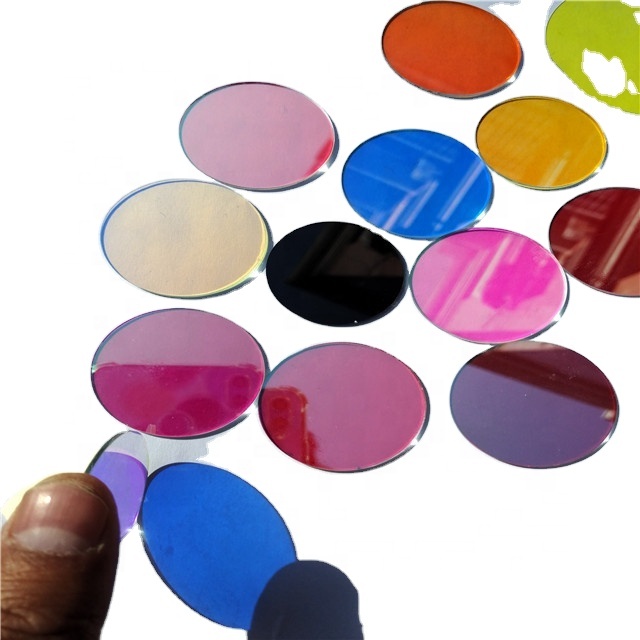
Heat Resistant Borosilicate 3.3 Dichroic Glass Filter
A low-expansion dichroic glass filter for colour separation, beam splitting and heat-sensitive lighting optics where coating stability and thermal shock resistance matter.
View product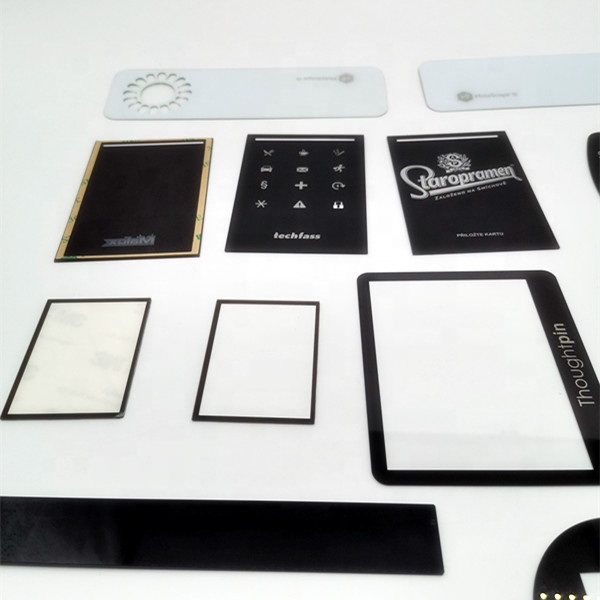
Custom Display Screen Silk Screen Printing Tempered Gorilla Glass
Tempered Gorilla glass with precision silk-screen printing for HMI windows, instrument panels, protective display covers and industrial electronics enclosures.
View product
Custom 0.3mm 0.5mm 0.7mm Heat Resistant Gobo Glass Blanks for Projector
Thin heat-resistant gobo blanks for projectors, stage lighting and high-temperature optical shutters with custom outline, hole and coating requirements.
View product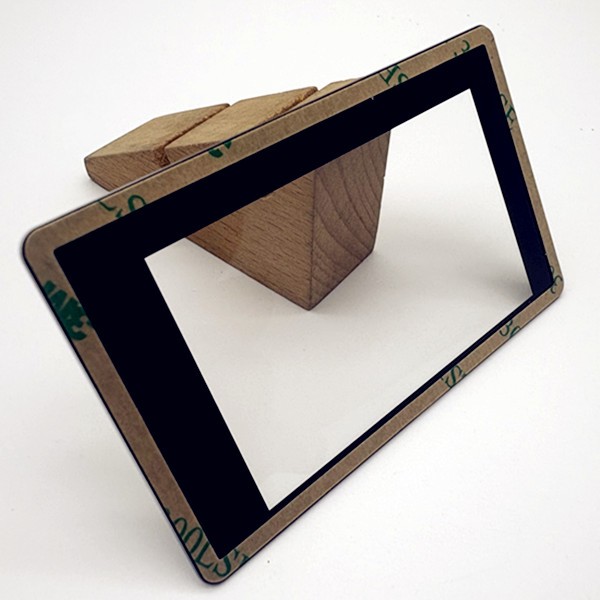
Custom Tempered Glass Dashboard Trim Panel Flat Electronic Glass Screen Protector
Flat tempered dashboard glass with printed borders and window openings for automotive displays, EV controls, touch panels and industrial consoles.
View product
Custom Chemically ultra Thin Clear Transparent Tempered Glass Sheet
Chemically strengthened ultra-thin clear glass for compact sensor covers, optical windows and space-constrained beam-splitter assemblies.
View product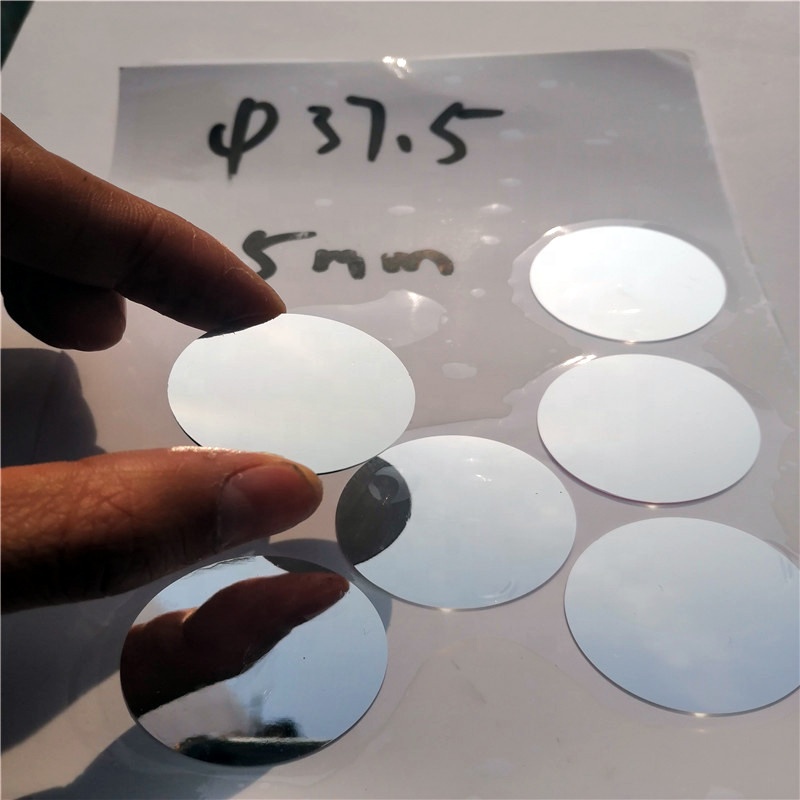
OEM Custom Heat Resistant Gobo Glass Lens
OEM heat-resistant gobo lenses with custom size and shape for projection lighting, stage effects and high-power LED optical systems.
View product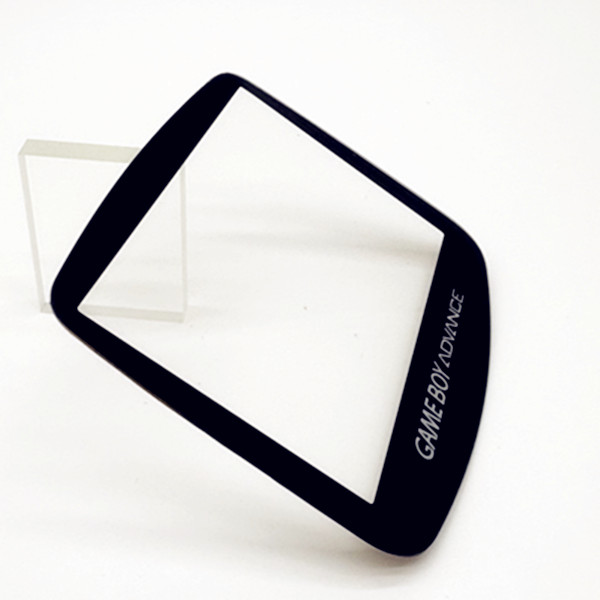
Custom Premium Gorilla Tempered Silk Screen Printed Glass Touch Screen Printed Glass Panels Cover Glass for OLED Screen
Premium Gorilla tempered glass with precision silk printing for OLED covers, touch panels and premium electronic display assemblies.
View product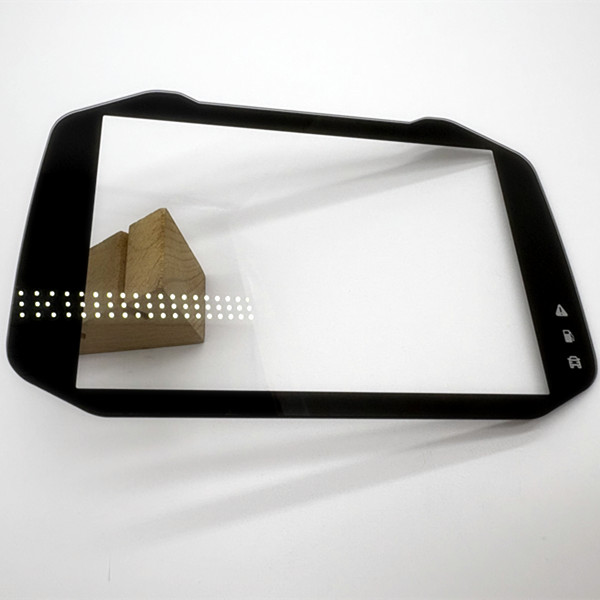
Custom Shape High Transmittance Ultra Clear Tempered Glass Panel With Anti-reflective Coating on Two Sides
Ultra-clear tempered glass with double-sided AR coating for high-transmission windows, camera protection, sensor covers and low-reflection optical assemblies.
View productNeed a custom size, coating or printed window? Inquire Now
Why Optical Beam Splitter Supply Matters in Dortmund
Dortmund sits within Germany’s Ruhr industrial region, where mechanical engineering, measurement technology, automation, materials research and lighting production intersect. This creates demand for precision optical glass that is stable, repeatable and ready for European production expectations.
An optical beam splitter is not simply a piece of glass. In a dichroic plate beam splitter, the coating separates wavelengths while the substrate controls flatness, thermal stability, mounting stress and environmental durability. In an AR-coated window, the coating raises transmission and reduces ghost reflections, but edge quality, flatness and cleaning resistance still determine whether the part performs in a Dortmund laser lab, machine-vision cell or automotive HMI line.
For sourcing teams in Dortmund, the practical question is therefore not only “what is the lowest price per piece?” but “which substrate and process will survive the application?” A low-cost filter that shifts colour after thermal cycling, or a printed cover that delaminates after cleaning, creates far higher cost downstream. The right supplier should support substrate selection, coating orientation, tolerances, sample validation and batch-to-batch consistency.
At substrate level, borosilicate 3.3 is often selected where thermal expansion and heat resistance matter. Ultra-clear soda-lime or Gorilla-type alkali-aluminosilicate glass is commonly used for display covers, HMI windows and tempered protective panels. Corning Eagle XG is relevant where low thermal expansion, flatness and alkali-free composition support biochips, wafers, PLC substrates or micro-optics. Chemically strengthened thin glass below 2 mm is often the practical route for compact sensor packages and optical modules that cannot accept thick float glass. This engineering-led view is the basis of Fevry Glass’s custom technical glass supply for optical, biological, semiconductor, communications, lighting and electronics customers.
Laser & Spectroscopy Labs
Dichroic filters, beam-splitter plates and high-transmission windows for Dortmund photonics research, laser process development and analytical instruments.
Machine Vision & Automation
AR-coated protective windows, sensor covers and ultra-clear tempered glass for camera modules, inspection systems and Ruhr automation equipment.
Automotive & EV HMI
Tempered dashboard trim panels, printed display covers and Gorilla glass touch surfaces for automotive electronics and EV control interfaces.
Lighting & Display
Heat-resistant gobo glass, dichroic lighting filters and printed cover glass for stage technology, architectural lighting and OLED displays.

Fevry Glass Co., Ltd. processes custom technical glass for optical, biotech, semiconductor, communications, lighting and electronics applications.
Choosing the Right Glass for Dortmund Beam-Splitter Applications
The substrate should be defined before the coating, printing or tempering route is fixed. This table summarises typical starting points for preliminary engineering discussions.
| Glass Material | Typical Thickness | CTE (×10⁻⁶/K) | Best Fit for Dortmund Projects |
|---|---|---|---|
| Ultra-clear soda-lime | 0.5–4 mm | ≈9.0 | Printed HMI covers, AR display windows, protective panels and cost-sensitive cover glass. |
| Gorilla® alkali-aluminosilicate | 0.4–2 mm | ≈7.5–8.5 | Scratch-resistant touch covers, automotive displays, OLED cover glass and premium electronic panels. |
| Borosilicate 3.3 | 0.3–3.3 mm | 3.3 | Dichroic filters, heat-resistant windows, gobo blanks, laboratory glass and lighting optics. |
| Corning® Eagle XG | 0.5–1.1 mm | ≈3.2 | Biochips, wafers, PLC substrates, bio-analyser filters and precision micro-optics. |
| Chemically strengthened thin glass | 0.15–2 mm | Base-glass dependent | Ultra-thin sensor covers, compact optical windows, beam-splitter assemblies and portable devices. |
Values are typical industry figures for preliminary selection. Final material, tolerance and coating specifications should be confirmed against the manufacturer datasheet and your drawing.
Dortmund & Ruhr Optical Glass Trends Shaping Procurement
Buyers in Dortmund are balancing optical performance, manufacturing resilience and documentation quality. These four trends are especially visible in photonics, automation and display-related projects.
More Optical Performance in Less Space
Compact laser modules, sensor systems and portable analysers push demand for 0.15–2 mm chemically strengthened glass, tighter edge quality and double-sided AR coatings.
Thermal Stability as an Optical Requirement
High-power LED, stage lighting and laser applications make borosilicate 3.3 and heat-resistant gobo glass more relevant than a generic soda-lime sheet.
Evidence-Based Supplier Selection
Dortmund engineering teams increasingly request samples, production videos, inspection records and clear drawing-based specifications before approving series orders.
Supply-Chain Resilience for Fragile Glass
Export packing, batch traceability and stable raw-material sources matter when optical glass travels from Asia to North Rhine-Westphalia production sites.
Why Dortmund Buyers Work with Fevry Glass
Fevry Glass Co., Ltd. is a specialty glass supplier based in Xinyu, Jiangxi, China, serving customers in China and exporting to Western Europe, the United States, Japan, South Korea, Taiwan, Hong Kong and Southeast Asia.
Drawing-Led Engineering Review
Share a 2D drawing and application details. Our team reviews dimensions, tolerances, edge finish, print colours, AR coating sides, strengthening method and annual volume before recommending a process.
In-House Processing Chain
Laser, CNC and ultrasonic machining, edge grinding, thermal or chemical strengthening, AR and dichroic coatings, silk-screen printing, back painting and final inspection can be coordinated around one drawing.
Traceable Material Sources
Raw glass is sourced from Corning, AGC and established Chinese optical-glass makers such as Chengdu Guangming and Xinhuguang. Processing equipment is imported from the USA, Germany and Japan.
Export-Ready Support
More than 10 years as an Alibaba.com member, ≤4-hour average response, 100% inquiry response rate, 5.0/5 buyer rating and experience shipping fragile glass to Western Europe.
A Practical 4-Step Process for Dortmund Optical Glass Projects
Designed for engineers and procurement teams who need predictable communication, sample validation and export-ready packing.
Share the Drawing
Send a DWG, DXF or PDF drawing with outline dimensions, thickness, glass material, edge finish, hole and notch positions, print colours and coating sides.
Confirm the Specification
We review manufacturability and recommend substrate, thickness, strengthening method, coating orientation and suitable packaging for the final application.
Validate with Samples
Samples can verify fit, colour matching, print alignment, edge quality and optical appearance before mass production is released.
Produce and Pack for Export
Production is checked against the approved drawing, then packed with interleaving and cushioning for the journey to Dortmund or another European destination.
Optical Beam Splitter & Custom Glass Questions from Dortmund Buyers
Practical answers for sourcing managers and engineers evaluating factory-direct optical glass supply for North Rhine-Westphalia projects.
What glass is best for an optical beam splitter used in a Dortmund photonics project?+
The best substrate depends on wavelength range, laser power, angle of incidence, mounting method, cleaning chemistry and annual volume. Borosilicate 3.3 is often chosen for thermal shock resistance and dichroic filter substrates; Corning Eagle XG is suitable where low expansion and high flatness are important; ultra-clear tempered glass or Gorilla-type glass is common for protective windows and display covers. For compact modules, chemically strengthened thin glass can reduce weight and space while maintaining surface strength.
Can Fevry Glass supply dichroic filters and AR-coated glass to Germany?+
Yes. The existing product range includes heat-resistant borosilicate 3.3 dichroic glass filters, custom dichroic mirrors, AR-coated tempered panels and ultra-clear glass with anti-reflective coating on two sides. Custom size, shape, thickness, edge finish, print and coating orientation can be discussed against your drawing. Export packing is prepared for fragile thin glass shipped to Western Europe.
What information should Dortmund buyers include in an RFQ?+
Send a 2D drawing with outline dimensions and tolerances, thickness, glass material, edge finish, hole and notch positions, strengthening method, print colours with Pantone references, AR coating side or dichroic target, application, and expected annual quantity. If you need a specific transmission curve, adhesion requirement or cleaning resistance, include that as well so the engineering review can start with the correct constraints.
What are the typical minimum order quantities?+
Most custom cover glass and AR glass items start from 300–500 pieces. Selected custom-cut Eagle XG parts may start from 1,000 pieces, while selected gobo glass blanks can start from 10 pieces. Samples can be arranged to validate fit and optical performance before mass production. Final MOQ depends on size, coating route, printing complexity and packing requirements.
How is fragile optical glass protected during shipment to Dortmund?+
Export packing is designed around the part size, thickness, coating, print and quantity. Interleaving, cushioning and reinforced cartons are used where appropriate. For coated or printed optical parts, surface protection and moisture control should be discussed during the quotation stage. Fevry Glass regularly exports to Western Europe, the United States, Japan, South Korea, Taiwan, Hong Kong and Southeast Asia.
How quickly can I receive feedback on a custom optical glass drawing?+
Fevry Glass reports an average response time of ≤4 hours and a 100% inquiry response rate. For a faster review, use the Inquire Now button or email your drawing to info@fevryglass.com with the application, target quantity and any optical or thermal requirements. Complete information allows the team to respond with a practical material and process recommendation in the first round.
Send a Drawing. Get an Engineering-Led Glass Recommendation.
Email your specifications to info@fevryglass.com, or use the inquiry button below. Include size, thickness, material, coating side, print colours, application and annual quantity for a faster review.